Spine Surgery in Turkey vs at Home: What International Patients Should Compare

The most important comparison is not location alone, but whether the surgery is truly appropriate and well planned. Patients should review surgeon experience, hospital accreditation, infection control, imaging, and rehabilitation support.
Key Takeaways
- The most important comparison is not location alone, but whether the surgery is truly appropriate and well planned.
- Patients should review surgeon experience, hospital accreditation, infection control, imaging, and rehabilitation support.
- A clear quote should include the full care pathway, not only the operation itself.
- Travel timing, mobility limits, and follow-up arrangements matter as much as the procedure.
- Second opinions and careful review of risks, benefits, and alternatives help support a confident decision.
Spine surgery in Turkey may offer access to experienced specialists and organized care, but it should be compared carefully with treatment at home. The best choice depends on diagnosis, surgical expertise, hospital quality, total costs, travel needs, and a realistic plan for recovery and follow-up.
Overview: How to Compare Spine Surgery Options
When considering spine surgery in Turkey versus treatment at home, international patients often focus first on price or travel convenience. While these are important, the safest comparison starts with medical need. Spine surgery should only be considered after a careful diagnosis, review of symptoms, and discussion of non-surgical options when appropriate.
Many spine conditions can be managed without surgery, while others may benefit from procedures such as decompression, fusion, or minimally invasive techniques. The right choice depends on the exact problem, such as a herniated disc, spinal stenosis, instability, or deformity. Patients may already be familiar with related conditions like herniated disc or scoliosis, but each case still needs individualized evaluation.
A useful comparison asks several practical questions: Is the diagnosis clear? Is surgery recommended for sound medical reasons? Is the surgeon experienced in this specific procedure? Can the hospital provide high-quality imaging, anesthesia, rehabilitation, and follow-up? Looking at the whole treatment pathway helps patients compare options more fairly and confidently.
Medical Suitability Comes First
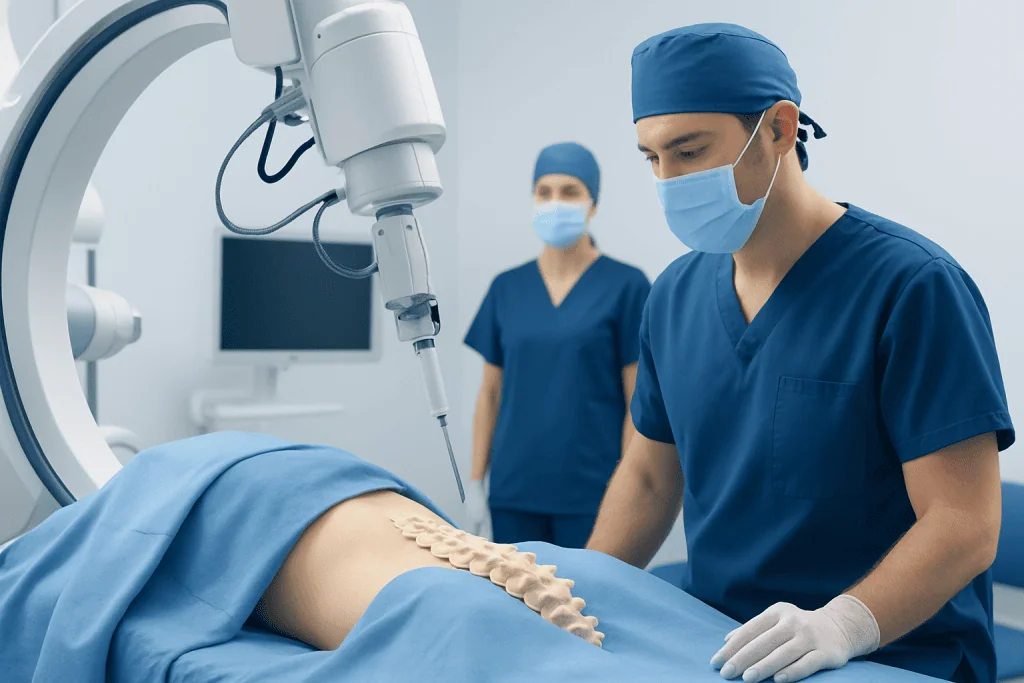
The first step is confirming whether surgery is the best treatment at all. Symptoms such as back pain, leg pain, numbness, weakness, difficulty walking, or reduced quality of life may suggest a spine disorder, but surgery is not automatically the next step. Doctors usually consider the duration of symptoms, imaging findings, neurological status, and the response to non-surgical treatment.
Patients should ask what problem the operation is intended to fix. For example, surgery may aim to relieve nerve pressure, stabilize part of the spine, or correct alignment. A clear explanation in simple terms is helpful: what structure is causing symptoms, what operation is proposed, and what improvement is realistically expected.
It is also reasonable to request a second opinion, especially if surgery is elective rather than urgent. A second opinion can confirm the diagnosis, suggest alternatives, or help the patient feel more certain about proceeding. Whether care is at home or abroad, a thoughtful review reduces the chance of unnecessary or poorly matched treatment.
What to Compare in the Surgeon and Hospital
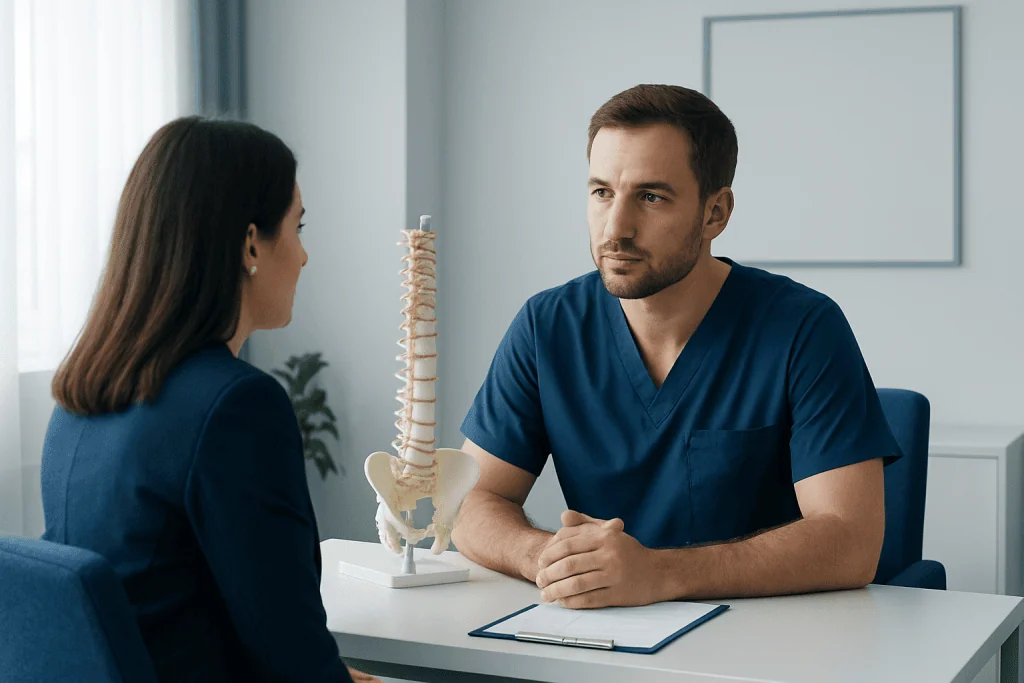
Surgeon experience is one of the most important factors. Patients should look for a specialist who routinely performs the recommended type of spine operation, rather than only occasional spine procedures. It is reasonable to ask about training, subspecialty focus, and experience with both standard and minimally invasive approaches when relevant, such as minimally invasive spine surgery.
Hospital standards matter just as much. A well-equipped center should offer advanced imaging, operating room technology, experienced anesthesiology, intensive care support when needed, and a multidisciplinary team that may include neurologists, physiatrists, pain specialists, and physical therapists. International patients may also value language support and coordinated care planning.
Safety systems are another key comparison point. Patients can ask about accreditation, infection prevention practices, blood management, and emergency capabilities. If a complex procedure is being considered, such as spinal fusion surgery or scoliosis surgery, hospital experience with similar cases becomes especially important.
Good communication is a useful sign of quality. A team should be willing to review imaging, explain why a specific operation is recommended, discuss possible complications, and describe the recovery process in realistic terms. If explanations remain vague or overly sales-focused, patients may wish to pause and seek more information.
Costs: Look Beyond the Operation Price
Cost is often one reason patients consider treatment abroad. However, comparing a single advertised surgery price with domestic care can be misleading. A more accurate comparison includes the full episode of care: consultation, imaging review, preoperative tests, surgeon fees, anesthesia, implants, hospital stay, medicines, rehabilitation, and follow-up.
Travel-related costs should also be included. These may involve flights, local transport, accommodation before or after discharge, and expenses for a companion. Depending on the procedure, a longer stay may be needed before a patient is fit to fly. Unexpected needs, such as extra nights in hospital or additional scans, can also affect the final cost.
Patients should ask for a clear written estimate and what it does or does not include. Questions worth asking include whether revision care is covered if needed, whether implants are included, and how complications would be managed. A transparent center should be comfortable explaining the financial pathway without pressure.
Insurance can complicate comparisons. Some plans may not cover overseas elective surgery, or they may not cover later care at home if complications arise after treatment abroad. For this reason, cost decisions should always be weighed together with safety, access, and continuity of care.
Travel, Timing, and Recovery Planning
Travel can be manageable for many patients, but spine surgery requires practical planning. Before booking treatment abroad, patients should discuss fitness to travel, expected mobility after surgery, and when it may be safe to sit for longer journeys or fly home. This is particularly important after larger operations, when pain control, wound checks, and blood clot prevention are part of early recovery.
Recovery needs vary greatly by procedure. Some patients return to light activities relatively quickly after selected minimally invasive operations, while others need a longer period of reduced lifting, structured physiotherapy, or bracing. If surgery is expected to affect walking, stairs, self-care, or work duties, support at home should be arranged in advance.
Rehabilitation is not a minor detail. Patients should ask whether physical therapy begins in hospital, how progress will be monitored, and what instructions are provided for home exercises, wound care, sleep position, and activity restrictions. A successful operation still depends on careful recovery habits.
Patients comparing options should also consider their own comfort with being away from home during a stressful time. Some prefer local treatment because family, regular doctors, and support systems are nearby. Others value an organized international care pathway, especially when travel logistics, transfers, and interpretation are coordinated well.
Follow-Up and Long-Term Care
One of the most overlooked issues in medical travel is follow-up care. Spine surgery does not end at discharge. Patients may need wound checks, suture removal, repeat imaging, medication adjustments, and rehabilitation reviews. For some procedures, later assessment of bone healing, hardware position, or nerve recovery is also important.
Before choosing surgery abroad, patients should ask exactly how follow-up will work after they return home. Can virtual consultations be arranged? Will the treating team provide detailed operative notes and imaging reports in English? Is there a plan for communication with the patient’s local doctor or physical therapist?
It is also wise to discuss what happens if symptoms continue or new problems develop. Although many patients recover well, complications such as infection, persistent pain, blood clots, or hardware issues can require prompt assessment. Knowing in advance where urgent review would take place can reduce stress later.
For this reason, continuity of care should be part of the comparison from the start. A treatment option that appears convenient initially may be less practical if aftercare is unclear. Strong documentation and a clear point of contact are especially valuable for international patients.
Questions Patients Should Ask Before Deciding
A structured list of questions can help patients compare spine surgery in Turkey with care at home on equal terms. Asking the same questions to each provider often makes differences in expertise, planning, and transparency easier to see.
Helpful topics include diagnosis, expected benefit, alternatives to surgery, surgeon experience, hospital standards, implants, anesthesia, recovery timeline, and follow-up arrangements. Patients may also ask whether a less invasive approach is suitable, or whether non-surgical treatments should be tried first. In some cases, specialists may discuss related care options such as physical therapy and rehabilitation as part of the overall plan.
- What exact diagnosis is being treated, and how certain is it?
- Why is surgery recommended now, and what are the alternatives?
- What operation is planned, and what result is realistic?
- How often does the surgeon perform this procedure?
- What are the main risks, and how are complications handled?
- How long is the hospital stay, and when is travel home usually allowed?
- What follow-up and rehabilitation will be needed after discharge?
Asking clear questions does not signal distrust. It is part of informed decision-making. A patient-friendly team should welcome these discussions and provide balanced answers rather than unrealistic promises.
Making a Balanced Decision
There is no single best country for every patient. The right decision depends on medical complexity, urgency, budget, travel tolerance, support at home, and confidence in the treating team. For some, local surgery offers easier follow-up and family support. For others, treatment abroad may provide timely access to experienced specialists and a well-organized hospital pathway.
Patients often do best when they compare options step by step: confirm the diagnosis, review whether surgery is truly indicated, compare surgeon and hospital credentials, request full cost details, and make a realistic recovery plan. Written records, imaging, and a second opinion can all support a more informed choice.
Near the end of the decision process, it can help to choose the team that communicates most clearly and plans beyond the operation itself. High-quality spine care includes diagnosis, surgery when needed, pain management, rehabilitation, and follow-up. Acibadem International’s multidisciplinary specialists and JCI-accredited hospitals provide diagnosis and treatment for international patients who are considering spine care abroad.
Whatever option is chosen, patients should aim for a decision that feels medically sound, practical, and well supported. Thoughtful preparation can make spine surgery safer and recovery more manageable, whether treatment is close to home or in another country.
Frequently asked questions
Is spine surgery in Turkey safe for international patients?
It can be safe when patients choose an experienced surgeon and a hospital with strong quality standards, appropriate imaging, anesthesia support, and clear follow-up planning. Safety depends more on the individual provider and the appropriateness of the surgery than on the country alone.
What should patients compare besides cost?
Patients should compare diagnosis accuracy, surgeon expertise, hospital accreditation, infection control, implant quality, rehabilitation services, and aftercare. Travel fitness, communication, and access to follow-up at home are also important.
Is cheaper spine surgery always better value?
Not necessarily. A lower headline price may not include imaging, implants, rehabilitation, extended hospital stay, or management of complications. Good value means safe, appropriate care with transparent total costs and a realistic recovery plan.
How long should a patient stay in Turkey after spine surgery?
The answer depends on the type of operation, overall health, pain control, mobility, and the risk of early complications. Some patients may travel sooner after smaller procedures, while larger operations often require a longer local recovery period before flying.
Can follow-up be done at home after surgery abroad?
Often yes, but it should be planned in advance. Patients should have discharge summaries, operative notes, imaging reports, and clear instructions to share with their local doctor or physical therapist. Virtual follow-up with the surgical team may also be helpful.
Should patients get a second opinion before traveling for spine surgery?
In many cases, yes. A second opinion can confirm whether surgery is necessary, clarify the diagnosis, and help compare different techniques or non-surgical options. This is especially useful when the surgery is elective rather than urgent.
References
- World Health Organization
- National Institute for Health and Care Excellence
- American Academy of Orthopaedic Surgeons
- North American Spine Society
- U.S. National Library of Medicine
This article is for general information only and is not a substitute for professional medical advice. Please consult a qualified doctor about your individual situation.
Spine Surgery in Turkey — costs, top hospitals & a free quote
JCI-accredited · board-certified surgeons · reply within 24h
Add us as a Preferred Source to see more of our trusted health content across Google Search, AI Overviews and Discover.