Spotting Before Period: What Is Normal, What Is Not, and When to Seek Care

A small amount of spotting before period may happen with hormone changes, ovulation, or birth control use. Color and timing matter: pink, red, or brown spotting can have different explanations depending on when it occurs in the cycle.
Key Takeaways
- A small amount of spotting before period may happen with hormone changes, ovulation, or birth control use.
- Color and timing matter: pink, red, or brown spotting can have different explanations depending on when it occurs in the cycle.
- Pregnancy, infections, polyps, fibroids, thyroid disorders, and other conditions can also cause spotting.
- Medical assessment is important if spotting is frequent, heavy, painful, occurs after sex, or happens during pregnancy.
- Keeping a menstrual record can help identify patterns and support diagnosis.
Spotting before period can be normal in some situations, especially around hormonal shifts, ovulation, or contraception changes. It is not always a sign of a serious problem, but repeated spotting, heavier bleeding, pain, or bleeding in pregnancy should be checked by a doctor.
Overview: Is spotting before a period normal?
Spotting before period means a small amount of vaginal bleeding that appears before full menstrual flow starts. In many people, this can happen occasionally and may be linked to normal hormonal changes, ovulation, stress, or a recent change in contraception. When it is light, short-lived, and not accompanied by other symptoms, it is often not a sign of a serious problem.
At the same time, spotting is not always “just part of the cycle.” If it happens often, becomes heavier, appears after sex, or comes with pelvic pain, fever, unusual discharge, dizziness, or a missed period, it deserves medical attention. The key is not only that bleeding occurs, but also when it happens, how much there is, and what other symptoms are present.
Many people use the word “spotting” for any unexpected bleeding, but doctors usually mean bleeding that is much lighter than a period and may show up as a few drops on underwear or when wiping. Tracking its timing can help distinguish common causes from abnormal uterine bleeding. If symptoms suggest an underlying gynecologic condition, evaluation may include assessment for issues such as uterine fibroids or endometriosis.
What spotting can look like
Spotting is usually lighter than a period and may be pink, red, or brown. Brown spotting often represents older blood that has taken longer to leave the uterus. Pink spotting may occur when a small amount of blood mixes with cervical fluid, while brighter red bleeding may suggest more active bleeding.
The timing can offer clues. Spotting a day or two before menstruation may simply be the beginning of a period, especially if full flow follows. Mid-cycle spotting can happen around ovulation. Spotting after starting or changing hormonal contraception is also common in the first few months.
It helps to note whether the bleeding:
- Lasts a few hours, a day, or several days
- Occurs once or repeats across cycles
- Requires only a liner or soaks pads or tampons
- Appears with cramps, pelvic pain, odor, itching, or fever
- Happens after sex or between otherwise regular periods
These details help a clinician decide whether the bleeding is more likely related to the menstrual cycle, pregnancy, infection, medication, or a structural problem in the uterus or cervix.
Common causes of spotting before period

Hormonal fluctuation is one of the most common reasons for spotting before period. Estrogen and progesterone guide the buildup and shedding of the uterine lining. If these hormones shift more than usual, a small amount of the lining may shed early. This can occur during times of stress, significant weight change, intense exercise, perimenopause, or irregular ovulation.
Birth control is another frequent cause. Combined pills, progestin-only pills, implants, injections, hormonal IUDs, and emergency contraception can all cause breakthrough bleeding, especially when first started, when doses are missed, or when the method is changed. In many cases, this settles over time, but persistent bleeding should be reviewed.
Pregnancy-related causes also need consideration. Some people may notice light bleeding around the time a period is expected, and early pregnancy can be mistaken for a lighter period. However, bleeding in pregnancy should never be self-diagnosed. A pregnancy test and medical guidance are important, especially if there is pain or one-sided pelvic discomfort.
Other possible causes include:
- Ovulation bleeding
- Cervical irritation, including after sex
- Vaginal or cervical infections
- Endometrial or cervical polyps
- Fibroids or adenomyosis
- Thyroid disorders or elevated prolactin
- Bleeding disorders or use of blood-thinning medicines
- Less commonly, precancerous changes or gynecologic cancers
When spotting may be a sign of something not normal
Spotting deserves closer attention when it becomes a pattern rather than an occasional event. Repeated bleeding before a period, bleeding between periods, or cycles that are suddenly very irregular can point to an underlying issue that needs evaluation. This is particularly true if menstruation has previously been predictable.
Bleeding after sex may occur with cervical irritation, infection, a cervical polyp, or other changes that should be assessed. Spotting with pelvic pain, painful sex, heavy periods, or pressure symptoms may suggest a uterine or pelvic condition. Some people with polycystic ovary syndrome also experience irregular bleeding due to infrequent or unpredictable ovulation.
Age and life stage matter as well. Spotting can become more common during perimenopause as hormone levels fluctuate, but it should still be discussed with a clinician if it is new, prolonged, or heavy. After menopause, any vaginal bleeding is considered abnormal and should be evaluated promptly.
Although uncommon, cervical or uterine precancer and cancer can present with unusual bleeding. That is why persistent spotting, especially if associated with postcoital bleeding, pelvic pain, or bleeding after menopause, should not be ignored.
How doctors evaluate spotting
Diagnosis begins with a detailed history. A doctor will ask about cycle timing, contraception, pregnancy possibility, medications, bleeding amount, pain, discharge, and previous gynecologic conditions. A menstrual calendar or phone app record can be very helpful because it shows patterns that may not be obvious from memory alone.
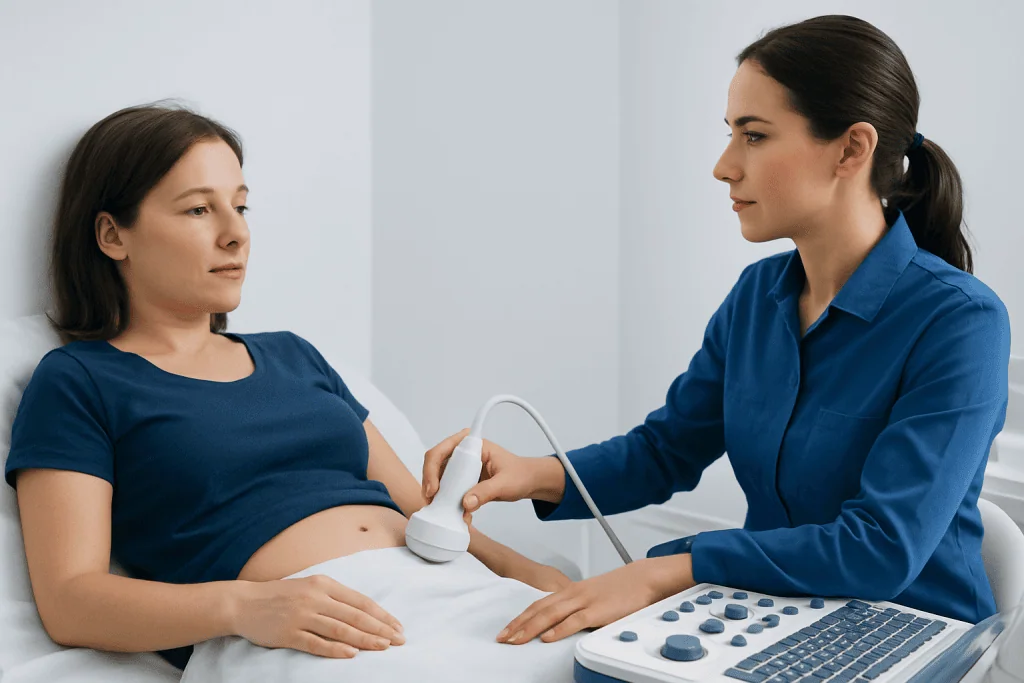
A physical and pelvic examination may be recommended, depending on symptoms and age. Testing may include a pregnancy test, blood tests for anemia or hormone-related conditions, screening for infection, or cervical screening if it is due. If a structural cause is suspected, imaging such as pelvic ultrasound can help identify fibroids, polyps, ovarian cysts, or endometrial changes.
In some cases, additional evaluation of the uterus is needed. This may involve specialist review, follow-up imaging, or direct visualization of the uterine cavity with hysteroscopy when a polyp, abnormal lining, or other intrauterine cause is suspected. The aim is to identify the cause while avoiding unnecessary treatment.
People who are pregnant, trying to conceive, or approaching menopause may need a slightly different evaluation plan. A gynecologist can tailor testing based on symptoms, age, medical history, and reproductive goals.
Treatment options depend on the cause
There is no single treatment for spotting before period because treatment depends on why it is happening. If the cause is mild hormonal fluctuation and symptoms are limited, reassurance and observation may be all that is needed. If birth control is contributing, a doctor may suggest continuing a little longer, adjusting the method, or changing to another contraceptive option.
If infection is found, treatment may include appropriate medication for the specific organism. When thyroid disease, a bleeding disorder, or another medical condition contributes, addressing that underlying problem often improves the bleeding pattern. Pregnancy-related bleeding should always be evaluated individually.
Structural causes may need targeted treatment. Polyps can sometimes be removed, fibroids may be monitored or treated depending on size and symptoms, and endometriosis-related bleeding may be managed with medication or specialist care. In selected cases, procedures such as laparoscopy may be used to diagnose or treat pelvic conditions.
It is best not to start supplements or hormonal medicines without guidance, especially if there is a chance of pregnancy. A clinician can explain whether the bleeding pattern is likely benign or whether additional investigation is the safer approach.
Self-care, cycle tracking, and prevention
Not all spotting can be prevented, but tracking cycles and related symptoms can make patterns easier to understand. Writing down the first day of each period, days of spotting, flow amount, pain, intercourse-related bleeding, and any new medications provides useful context. This information often shortens the path to diagnosis.
General health measures can also support menstrual regularity. Managing stress, maintaining a balanced diet, sleeping well, and avoiding smoking may help some people whose cycles are sensitive to lifestyle changes. Taking hormonal contraception exactly as prescribed can reduce breakthrough bleeding caused by missed doses.
People should also stay current with routine gynecologic care, including cervical screening when recommended. Prompt treatment of vaginal or cervical infections can reduce irritation-related bleeding. If periods become very irregular or heavy, early assessment is better than waiting for symptoms to worsen.
For international patients who need further evaluation, Acibadem International’s multidisciplinary specialists and JCI-accredited hospitals diagnose and treat gynecologic conditions with individualized care plans.
When to seek medical care
Medical advice is recommended if spotting happens repeatedly before periods, lasts more than a few days, becomes heavier, or disrupts daily life. It is also important to seek care if spotting occurs after sex, after menopause, or along with pelvic pain, pressure, fever, foul-smelling discharge, or pain during intercourse.
Urgent care is needed for heavy bleeding that soaks through pads, severe abdominal or pelvic pain, fainting, marked weakness, or bleeding in pregnancy with pain or dizziness. These symptoms may signal a condition that should be assessed quickly.
A doctor can help determine whether the bleeding is a normal variation, a hormone-related issue, or a sign of a gynecologic or medical condition. Seeking care does not mean something serious is likely; it simply helps ensure the cause is understood and treated appropriately.
Frequently asked questions
Is spotting before period a sign of pregnancy?
It can be, but it is not specific to pregnancy. Light bleeding around the time a period is due may occur in early pregnancy, but hormone changes, ovulation, and birth control are also common causes. If pregnancy is possible, taking a home pregnancy test and contacting a doctor if bleeding continues or pain develops is the safest approach.
What color is normal spotting before a period?
Spotting can be pink, red, or brown. Brown spotting often means older blood, while pink may be mixed with cervical fluid. The color alone does not determine whether it is normal, so timing, amount, and associated symptoms matter more.
How much bleeding counts as spotting?
Spotting is usually much lighter than a normal period. It may appear as a few drops, streaks, or light staining that needs only a panty liner rather than regular period products. If bleeding becomes similar to a period or heavier, it is better described as abnormal bleeding and should be discussed with a doctor.
Can stress cause spotting before period?
Yes, stress can affect hormone signaling and ovulation, which may lead to light bleeding or cycle changes in some people. However, stress should not be assumed to be the cause if spotting is frequent, painful, or associated with other symptoms. A medical review may still be appropriate.
Is spotting before period common on birth control?
Yes, breakthrough bleeding is common after starting, stopping, or changing hormonal contraception, and it may also happen if pills are missed. This often improves within a few months. If it persists, becomes heavy, or causes concern, a clinician can review whether the method needs adjustment.
When should spotting before a period be checked by a doctor?
It should be checked if it happens often, lasts several days, becomes heavy, occurs after sex, or is accompanied by pain, fever, unusual discharge, dizziness, or a missed period. Any bleeding after menopause should also be evaluated. In pregnancy, bleeding should always be discussed with a healthcare professional.
References
- American College of Obstetricians and Gynecologists
- National Health Service
- Office on Women's Health
- Mayo Clinic
- World Health Organization
This article is for general information only and is not a substitute for professional medical advice. Please consult a qualified doctor about your individual situation.
IVF & fertility treatment in Turkey — success rates and costs
JCI-accredited · board-certified surgeons · reply within 24h
Add us as a Preferred Source to see more of our trusted health content across Google Search, AI Overviews and Discover.
Check your numbers in seconds
BMI, calories, due date, blood pressure and 30+ more clinical calculators — free, instant, doctor-reviewed ranges.

More from the Health Library



Related Specialists

Assoc. Prof. Dr. İsmail Ahmet Bilgin
General Surgery
İkra Tigis
Physical Medicine & Rehabilitation
Prof. Dr. Ufuk Demirkılıç
Cardiovascular Surgery
Miray Karaoğlu
Physical Medicine & Rehabilitation