Stage 1 Hypertension Treatment: How It Works, Results and What to Expect

Stage 1 hypertension is generally defined as blood pressure readings of 130–139/80–89 mmHg in commonly used US guidance. Many people can begin treatment with diet, activity, weight management, sleep, and reduced alcohol and sodium intake.
Key Takeaways
- Stage 1 hypertension is generally defined as blood pressure readings of 130–139/80–89 mmHg in commonly used US guidance.
- Many people can begin treatment with diet, activity, weight management, sleep, and reduced alcohol and sodium intake.
- Medication is not required for everyone, but it may be recommended when cardiovascular risk is higher or blood pressure remains elevated.
- High blood pressure usually causes no noticeable symptoms, so repeat measurements and follow-up are important.
- Blood pressure improvement may begin within weeks, while long-term control requires ongoing habits and medical review.
Stage 1 hypertension treatment aims to lower blood pressure and reduce long-term heart, brain, and kidney risks. It commonly involves structured lifestyle changes, regular blood pressure monitoring, and medication when a person’s cardiovascular risk or blood pressure pattern indicates that it is needed.
Stage 1 Hypertension Treatment: How It Works
Stage 1 hypertension treatment lowers persistently elevated blood pressure to help protect the heart, blood vessels, brain, kidneys, and eyes over time. In commonly used US guidelines, stage 1 hypertension means a systolic pressure of 130–139 mmHg, a diastolic pressure of 80–89 mmHg, or both. A diagnosis should be based on repeated, properly taken readings rather than one isolated result.
Treatment is individualized. Clinicians consider the average blood pressure, age, pregnancy status, other health conditions, current medicines, kidney function, and overall cardiovascular risk. For many people, the first approach is a structured lifestyle plan combined with home monitoring. Others benefit from starting medication alongside lifestyle measures.
The goal is not simply to improve a number at one appointment. Effective treatment establishes a sustainable pattern of blood pressure control and addresses factors that contribute to hypertension, including excess sodium intake, inactivity, excess weight, alcohol use, smoking, poor sleep, and certain medical conditions.
Who May Need Treatment and Assessment
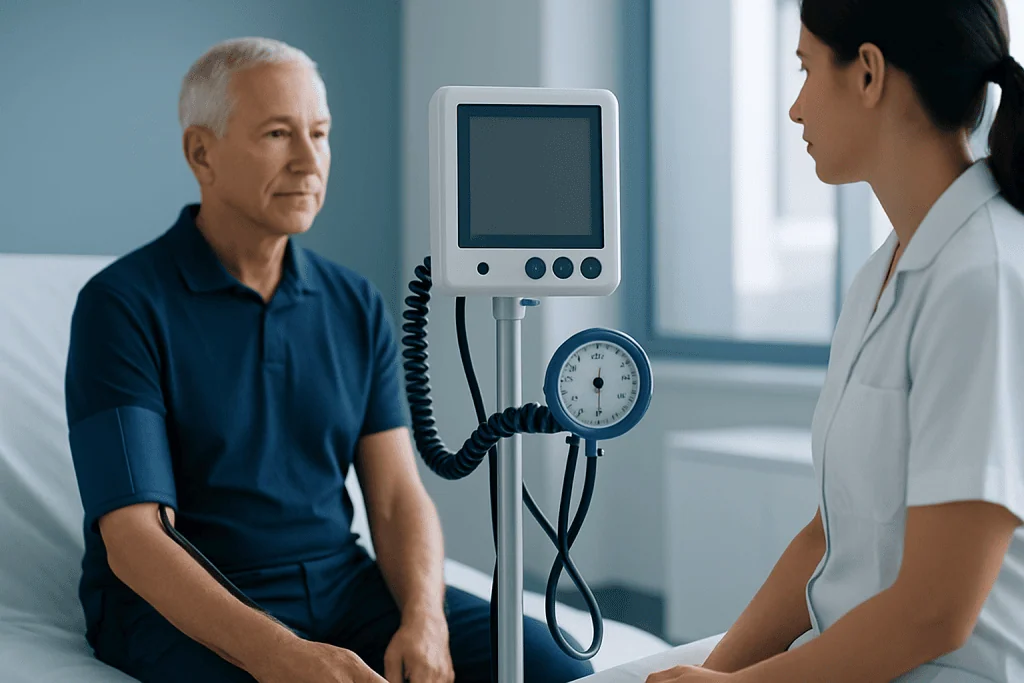
Anyone with repeated stage 1 blood pressure readings should arrange a routine clinical assessment. A healthcare professional will confirm the measurements, review personal and family history, and look for factors that raise cardiovascular risk, such as diabetes, chronic kidney disease, high cholesterol, smoking, established heart or vascular disease, or a previous stroke.
Some people have temporarily raised readings because of stress, pain, caffeine, nicotine, exercise, illness, or an incorrectly sized blood pressure cuff. Home blood pressure monitoring or ambulatory monitoring over 24 hours can help distinguish sustained hypertension from occasional elevations or white-coat hypertension, in which readings are higher in a clinical setting.
Medication is more likely to be advised early for people with established cardiovascular disease, diabetes, chronic kidney disease, a higher calculated cardiovascular risk, or blood pressure that remains above target despite a consistent lifestyle program. Evaluation may also identify secondary contributors such as kidney disease, sleep apnea, thyroid disorders, or medicines that can raise blood pressure.
People with high blood pressure may also benefit from learning about related hypertension and its long-term effects as part of a broader prevention plan.
What Does Stage 1 Hypertension Treatment Involve?

Although it is sometimes described as a “procedure,” stage 1 hypertension treatment is usually an ongoing care plan rather than a single intervention. It begins with confirming the diagnosis and establishing a baseline through blood pressure readings, a clinical examination, and, when appropriate, blood and urine tests, cholesterol testing, an electrocardiogram, or assessment for related health conditions.
The next step is a shared treatment plan. Lifestyle recommendations often include a heart-healthy eating pattern rich in vegetables, fruits, whole grains, beans, nuts, and lean protein; reducing sodium; maintaining a healthy weight where appropriate; and regular physical activity. The DASH-style eating pattern is commonly recommended because it can support blood pressure reduction.
If medication is indicated, a clinician selects an option based on the person’s health profile. Common medication groups include thiazide-type diuretics, ACE inhibitors, angiotensin receptor blockers, and calcium channel blockers. The right choice depends on factors such as kidney function, potassium levels, age, pregnancy plans, other medicines, and possible side effects.
Follow-up readings guide the next steps. The clinician may continue the initial plan, adjust lifestyle priorities, change a medicine, or assess adherence and possible causes of resistant blood pressure. Hypertension treatment is most effective when monitoring, lifestyle support, and medication decisions are reviewed together over time.
Benefits, Possible Risks, and Recovery Timeline
The main benefit of stage 1 hypertension treatment is lower long-term risk of complications linked to uncontrolled high blood pressure, including heart attack, stroke, heart failure, kidney disease, and vascular damage. Treatment can also give people practical feedback on how daily habits, stress, sleep, activity, and nutrition affect their health.
There is no recovery period in the usual sense, because treatment is not a one-time procedure. Lifestyle changes can begin immediately, and home readings may start to improve within several weeks. Medication may lower blood pressure sooner, but clinicians often need follow-up visits to confirm that the dose and treatment plan are both effective and well tolerated.
Lifestyle treatment is generally safe, though exercise programs should be adapted for people with chest pain, severe breathlessness, balance problems, or other medical limitations. Blood pressure medicines can cause side effects, depending on the drug, such as dizziness, ankle swelling, changes in potassium levels, cough, or increased urination. These effects should be discussed with a clinician rather than prompting a person to stop medication without advice.
Regular home measurements are useful during treatment. Readings should be taken with a validated upper-arm monitor, using the correct cuff size, after resting quietly for several minutes. A clinician can explain how often to measure and how to bring or transmit results for review.
How Long Does It Take to Fix Stage 1 Hypertension?
Stage 1 hypertension is usually managed rather than permanently “fixed,” because blood pressure can rise again if contributing factors return or if there is an underlying tendency toward hypertension. Some people see meaningful improvement after a few weeks of consistent lifestyle changes, while others need several months and ongoing adjustments to reach their personal target.
The timeline depends on the starting blood pressure, weight, sodium intake, physical activity, sleep quality, alcohol use, stress, family history, and other health conditions. When medication is used, the clinician commonly reviews blood pressure within weeks to assess response and tolerability, then adjusts treatment if necessary.
Long-term success means maintaining healthy routines, taking prescribed medicine consistently when needed, and attending periodic reviews. Even when readings improve, treatment should not be stopped or changed without discussing it with the prescribing clinician.
Should I Worry About Stage 1 Hypertension?
Stage 1 hypertension should be taken seriously, but it does not usually require panic. It is an early opportunity to identify cardiovascular risk and make changes that can meaningfully protect health over the years ahead. The risk associated with a given blood pressure reading is not the same for every person.
A healthcare professional can place the result in context by considering age, diabetes, kidney health, cholesterol, smoking, family history, and whether heart or vascular disease is already present. Repeated readings matter more than a single measurement, and home monitoring is often helpful for obtaining a clearer picture.
Prompt attention is particularly important for people who are pregnant, have diabetes or kidney disease, have experienced stroke or heart disease, or have readings that are rising over time. A planned assessment and follow-up strategy can help prevent stage 1 hypertension from progressing.
How Does Stage 1 Hypertension Make You Feel?
Most people with stage 1 hypertension feel completely well. High blood pressure is often called a silent condition because it commonly produces no specific symptoms, even when it has been present for some time. Headache, tiredness, anxiety, or dizziness can occur for many reasons and cannot reliably diagnose hypertension.
Because symptoms are not a dependable guide, blood pressure should be checked using a validated device and interpreted by a healthcare professional. People should avoid assuming that normal daily energy or the absence of headaches means their blood pressure is controlled.
Sudden chest pain, severe shortness of breath, fainting, new weakness or numbness, confusion, difficulty speaking, or sudden vision changes need urgent medical assessment. These symptoms are not typical signs of uncomplicated stage 1 hypertension and may indicate another serious condition.
Do You Have to Go on Medication for Stage 1 Hypertension?
No. Many people with stage 1 hypertension begin with lifestyle treatment alone, especially when their overall risk of heart and vascular disease is low. Clinicians may recommend a period of focused lifestyle change with regular home or clinic readings before deciding whether medication is necessary.
Medication may be advised from the outset when a person has cardiovascular disease, diabetes, chronic kidney disease, a higher estimated cardiovascular risk, or blood pressure that remains elevated despite lifestyle measures. Taking medication does not replace healthy habits; the two approaches work together.
When prescribed, blood pressure medicine is generally intended for regular use. A clinician can monitor for side effects, check laboratory results when relevant, and simplify treatment where possible. The best plan is one that a person understands and can follow safely over the long term.
Acibadem International’s multidisciplinary specialists and JCI-accredited hospitals support international patients with assessment and treatment planning for hypertension and related cardiovascular risks.
When to Seek Medical Care
Arrange a non-urgent appointment if repeated home or pharmacy readings are in the stage 1 range, if there is a family history of early cardiovascular disease, or if a person has diabetes, kidney disease, high cholesterol, or other risk factors. A clinician can confirm the diagnosis and help create a practical treatment and monitoring plan.
Seek urgent medical care for a very high blood pressure reading, particularly if it is accompanied by chest pain, severe headache, shortness of breath, confusion, weakness, numbness, trouble speaking, fainting, or changes in vision. Pregnant people with raised blood pressure, severe headache, visual symptoms, upper abdominal pain, or sudden swelling should contact urgent maternity care.
People already taking blood pressure medication should contact their clinician if they experience troublesome dizziness, fainting, swelling, persistent cough, or other concerning side effects. They should not stop prescribed treatment suddenly unless a medical professional tells them to do so.
Frequently asked questions
What is stage 1 hypertension?
Stage 1 hypertension generally refers to repeated blood pressure readings of 130–139 mmHg systolic or 80–89 mmHg diastolic in commonly used US guidance. A clinician usually confirms the pattern using multiple measurements, often including readings taken at home.
Can lifestyle changes lower stage 1 hypertension?
Yes. Reducing sodium, following a heart-healthy eating pattern, being physically active, limiting alcohol, avoiding tobacco, improving sleep, and reaching a healthy weight where appropriate can lower blood pressure. The amount of improvement varies, so regular monitoring is important.
How often should blood pressure be checked at home?
A healthcare professional can recommend a schedule based on individual circumstances. Often, readings are taken at consistent times over several days or weeks, with two measurements per session, but the exact plan may differ.
Can stress cause stage 1 hypertension?
Stress can temporarily increase blood pressure and may make healthy routines more difficult to maintain. However, persistent hypertension usually reflects several contributing factors, so repeated measurements and a full health assessment are needed.
Is stage 1 hypertension reversible?
Blood pressure can often improve substantially with sustained lifestyle changes and, when needed, medication. However, a tendency toward high blood pressure may persist, so ongoing monitoring and preventive habits remain important even after readings improve.
What foods should be limited with stage 1 hypertension?
It is usually helpful to limit high-sodium processed foods, salty snacks, cured meats, fast food, and excess alcohol. A clinician or registered dietitian can provide personalized advice, especially for people with kidney disease, diabetes, or other dietary needs.
References
- American Heart Association
- American College of Cardiology
- Centers for Disease Control and Prevention
- National Heart, Lung, and Blood Institute
- World Health Organization
This article is for general information only and is not a substitute for professional medical advice. Please consult a qualified doctor about your individual situation.
Hypertension in Turkey — costs, top hospitals & a free quote
JCI-accredited · board-certified surgeons · reply within 24h
Add us as a Preferred Source to see more of our trusted health content across Google Search, AI Overviews and Discover.
Check your numbers in seconds
BMI, calories, due date, blood pressure and 30+ more clinical calculators — free, instant, doctor-reviewed ranges.