Stage 4 Melanoma: Early Signs, Risk Factors, and How It Is Treated

Stage 4 melanoma is melanoma that has spread to distant parts of the body. Symptoms vary depending on where the cancer has spread and may include skin changes, swollen lymph nodes, cough, pain, headaches, or fatigue.
Key Takeaways
- Stage 4 melanoma is melanoma that has spread to distant parts of the body.
- Symptoms vary depending on where the cancer has spread and may include skin changes, swollen lymph nodes, cough, pain, headaches, or fatigue.
- Modern treatment often includes immunotherapy or targeted therapy, and some people may also need surgery or radiation therapy.
- Diagnosis usually involves imaging, biopsy, and molecular testing to guide treatment choices.
- Prompt medical review is important for new symptoms, changing moles, or symptoms in someone with a history of melanoma.
Stage 4 melanoma means melanoma has spread from the original skin site to distant lymph nodes, organs, or other parts of the body. Treatment is often still possible and usually focuses on controlling the disease, relieving symptoms, and helping the person live as well as possible for as long as possible.
Overview
Stage 4 melanoma is the most advanced stage of melanoma, a type of skin cancer that begins in pigment-making cells called melanocytes. At this stage, the cancer has spread beyond the original skin site and nearby lymph nodes to distant parts of the body, such as the lungs, liver, brain, bones, or distant skin and soft tissue.
This diagnosis can feel overwhelming, but stage 4 melanoma is not approached in only one way. Care is individualized, and treatment decisions depend on where the cancer has spread, how much disease is present, whether the melanoma has certain gene changes, the person’s overall health, and whether symptoms need urgent relief.
In recent years, treatment options for advanced melanoma have improved, especially with medicines that help the immune system attack cancer or target specific tumor mutations. Many people need care from several specialists, including dermatology, medical oncology, surgery, pathology, and imaging teams. People looking for background on melanoma more generally may also find it helpful to read about melanoma.
How stage 4 melanoma may appear
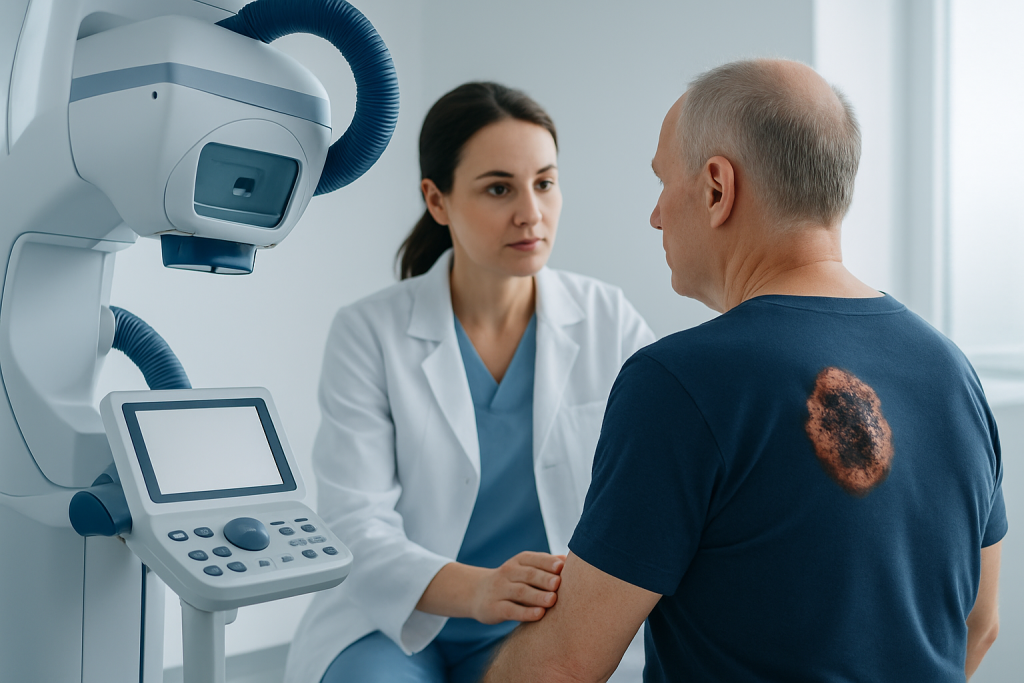
There is no single set of early signs of stage 4 melanoma. Some people first notice changes in a mole or a new dark or unusual skin lesion before spread is found. Others may already have had melanoma diagnosed and later develop symptoms that suggest the cancer has reached another part of the body.
Symptoms often depend on the area involved. If melanoma has spread to the lungs, a person may have cough, shortness of breath, or chest discomfort. Spread to the liver may cause abdominal swelling, pain, or unexplained weight loss. Spread to the brain can lead to headaches, weakness, seizures, balance problems, or changes in vision or thinking. Bone spread may cause persistent pain or fractures.
Some people have more general symptoms, such as fatigue, poor appetite, or unexplained weight loss. Others may have enlarged lymph nodes, firm lumps under the skin, or new skin spots away from the original melanoma. These symptoms do not always mean metastatic melanoma, but they should be assessed by a qualified doctor, especially in someone with a past history of melanoma.
- Changing mole or pigmented skin lesion
- New lump under the skin or enlarged lymph node
- Persistent cough or shortness of breath
- Headaches, seizures, or neurological symptoms
- Bone pain, abdominal pain, or unexplained weight loss
Causes and risk factors

Melanoma develops when melanocytes acquire DNA changes that allow them to grow out of control. The exact reason a particular melanoma progresses to stage 4 is not always clear. In general, melanoma risk is linked to ultraviolet exposure from sunlight or tanning devices, fair skin that burns easily, a large number of moles, atypical moles, a family history of melanoma, and a personal history of melanoma or other skin cancers.
Some melanomas are biologically more aggressive than others. Features of the original melanoma, such as greater tumor thickness, ulceration, and spread to lymph nodes, may increase the risk of later distant spread. Delayed diagnosis can also allow more time for the cancer to grow and travel through lymphatic channels or the bloodstream.
Inherited genetic factors and acquired tumor mutations can also play a role. For example, some melanomas carry changes in the BRAF gene, which can affect treatment planning. A diagnosis of stage 4 melanoma does not mean a person did anything wrong; cancer behavior is influenced by many factors, including tumor biology that cannot be seen from the outside.
How doctors diagnose and stage it
Doctors diagnose stage 4 melanoma by combining a physical examination, review of symptoms, biopsy results, and imaging tests. If a suspicious skin lesion is present, a skin biopsy helps confirm melanoma. If a person has already been treated for melanoma in the past, new symptoms or a new mass may lead to additional scans or biopsy to look for recurrence and spread.
Common imaging tests include CT, PET-CT, and MRI, especially if symptoms suggest spread to the brain or other internal organs. Blood tests may help assess general health and organ function, although they do not diagnose melanoma on their own. A tissue sample from a metastatic site may be tested for tumor markers and gene changes, including BRAF, to help guide treatment decisions.
Staging is important because it helps estimate disease extent and supports treatment planning. Doctors also consider how quickly the disease is progressing, whether the spread is limited or widespread, and whether the cancer is causing symptoms that need immediate treatment. In many centers, complex cases are reviewed by a multidisciplinary tumor board to build a personalized care plan.
Because treatment often depends on the exact location and extent of spread, imaging and pathology work closely together. Some patients may also need advanced evaluation through PET-CT imaging or a tissue diagnosis through biopsy.
Treatment options for stage 4 melanoma
Treatment for stage 4 melanoma is tailored to the individual. The main goals are to control the cancer, shrink tumors when possible, reduce symptoms, and support quality of life. In many patients, drug treatment is the main approach. Today, immunotherapy is often a cornerstone of care. These medicines help the immune system recognize and attack melanoma cells and may be used alone or in combination, depending on the clinical situation.
If the melanoma has a targetable mutation such as BRAF, targeted therapy may be another option. These medicines work against specific pathways that help the cancer grow. They may be especially useful when a faster response is needed. Treatment selection depends on factors such as mutation status, the pace of disease, side effects, and whether the cancer has spread to the brain or other critical organs.
Some people may also benefit from surgery if there are only a small number of metastatic areas that can be removed safely, or if a tumor is causing pain, bleeding, or pressure on an organ. Radiation therapy can help control tumors in the brain, bones, or other areas and may be used alongside systemic treatment. Supportive care, including pain management, nutrition, and rehabilitation, also remains an important part of treatment throughout the course of illness.
People receiving care for advanced melanoma may need coordinated oncology services such as medical oncology and, in selected cases, radiation therapy. At Acibadem International, multidisciplinary specialists in JCI-accredited hospitals diagnose and treat melanoma for international patients using individualized treatment planning.
Living with stage 4 melanoma
Living with stage 4 melanoma often means balancing treatment, follow-up visits, and everyday life. Emotional reactions such as fear, uncertainty, sadness, or frustration are common. Support from family, friends, counselors, oncology nurses, and patient support groups can be helpful. Clear communication with the care team may make decisions feel more manageable.
Follow-up care usually includes repeat imaging, blood tests, skin checks, and monitoring for treatment side effects. Side effects vary by treatment type. Immunotherapy can sometimes trigger inflammation in normal organs, while targeted therapy may cause fever, skin changes, or fatigue. Patients should report new symptoms early rather than waiting for the next appointment.
Healthy routines may support well-being during treatment. These include maintaining nutrition as tolerated, staying physically active within safe limits, protecting the skin from ultraviolet exposure, and avoiding tanning beds. It is also important to continue regular skin examinations, because people with one melanoma may be at risk of developing another.
Prevention and self-care
Stage 4 melanoma itself cannot be prevented once it has developed, but steps that reduce melanoma risk and support early detection remain important for patients and families. Sun protection is central. This includes seeking shade when possible, wearing protective clothing, and using a broad-spectrum sunscreen as directed. Tanning beds should be avoided.
Self-examination can help people notice skin changes earlier. A practical method is to watch for the ABCDE warning signs of melanoma: asymmetry, border irregularity, color variation, diameter that is increasing, and evolution or change over time. Any new or changing lesion should be evaluated by a healthcare professional.
People with a personal or family history of melanoma, many atypical moles, or a weakened immune system may need regular professional skin checks. Those who have already been treated for melanoma should follow the surveillance plan recommended by their doctor, because recurrence or spread may not always cause symptoms right away.
When to seek medical care
Medical care should be sought promptly for a new or changing mole, a dark lesion that looks different from other spots, a non-healing pigmented area, or a new lump under the skin. People who have had melanoma before should also contact their doctor if they develop persistent cough, unexplained weight loss, headaches, seizures, bone pain, abdominal swelling, or enlarged lymph nodes.
Urgent assessment is especially important for neurological symptoms such as sudden weakness, confusion, severe headache, new balance problems, or a seizure. These symptoms can have many possible causes, but they may also indicate spread to the brain and should not be ignored.
Early evaluation does not always mean cancer is present or progressing, but it gives the best chance to identify the cause and start the right treatment quickly. Anyone concerned about symptoms or about their melanoma follow-up plan should speak with a qualified dermatologist, oncologist, or primary care doctor.
Frequently asked questions
What does stage 4 melanoma mean?
Stage 4 melanoma means melanoma has spread from the original skin site to distant areas of the body. These may include distant lymph nodes, the lungs, liver, brain, bones, or skin and soft tissue far from the original tumor.
Can stage 4 melanoma be treated?
Yes. Treatment is often possible and may include immunotherapy, targeted therapy, surgery, radiation therapy, or a combination of these. The best plan depends on where the cancer has spread, tumor gene changes, symptoms, and overall health.
What are the symptoms of stage 4 melanoma?
Symptoms vary widely depending on the site of spread. They may include new skin nodules, swollen lymph nodes, cough, shortness of breath, headaches, seizures, bone pain, abdominal symptoms, fatigue, or unexplained weight loss.
Is stage 4 melanoma always visible on the skin?
No. Some people have visible skin changes, but others develop symptoms only after melanoma has spread to internal organs. That is why imaging tests and biopsy are often important in diagnosis and follow-up.
How do doctors choose treatment for stage 4 melanoma?
Doctors look at several factors, including where the cancer is located, how extensive it is, how quickly it is progressing, and whether the tumor has changes such as a BRAF mutation. They also consider the person's symptoms, general health, and treatment goals.
Can stage 4 melanoma spread to the brain?
Yes, melanoma can spread to the brain. Symptoms may include headaches, seizures, weakness, vision changes, or problems with balance or thinking, and these symptoms should be assessed urgently.
References
- American Cancer Society
- National Cancer Institute
- National Comprehensive Cancer Network
- American Academy of Dermatology
- World Health Organization
This article is for general information only and is not a substitute for professional medical advice. Please consult a qualified doctor about your individual situation.
Melanoma in Turkey — costs, top hospitals & a free quote
JCI-accredited · board-certified surgeons · reply within 24h
Add us as a Preferred Source to see more of our trusted health content across Google Search, AI Overviews and Discover.

Medical Oncology Department
Medical treatment of cancer with chemotherapy, immunotherapy and targeted therapies under a multidisciplinary tumor board.
60 specialists in this unit