Steaming: An Evidence-Based Guide for Patients
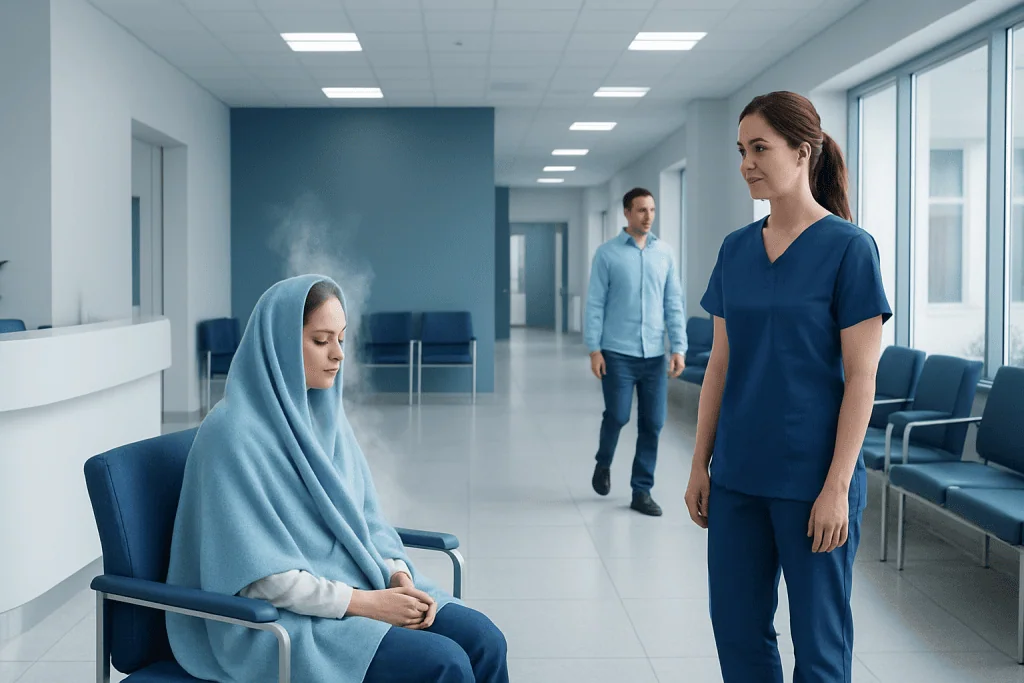
Steaming may temporarily relieve nasal congestion, dryness, and tension, but its benefits are mainly supportive rather than curative. Hot steam can cause burns, especially in children, so direct exposure to very hot water should be avoided.
Key Takeaways
- Steaming may temporarily relieve nasal congestion, dryness, and tension, but its benefits are mainly supportive rather than curative.
- Hot steam can cause burns, especially in children, so direct exposure to very hot water should be avoided.
- Different forms of steaming, such as steam inhalation, facial steaming, and vaginal steaming, have different evidence and safety profiles.
- Vaginal steaming is not recommended because it may irritate delicate tissue and does not cleanse or treat gynecologic conditions.
- Persistent breathing problems, fever, severe pain, or worsening symptoms should be assessed by a qualified doctor.
Steaming can provide short-term comfort for some symptoms, especially nasal congestion and a feeling of dryness, but it is not a cure for colds, infections, or chronic disease. The safest approach is to understand what steaming can and cannot do, use it carefully, and seek medical advice when symptoms are persistent, severe, or unusual.
What Is Steaming and What Does It Actually Help?
Steaming refers to using warm water vapor on or around the body. In everyday use, people may mean steam inhalation for a stuffy nose, facial steaming as part of skin care, or vaginal steaming for wellness purposes. These practices are often grouped together, but they are medically quite different.
From an evidence-based perspective, steaming may help some people feel more comfortable for a short time. Warm, moist air can loosen mucus, reduce the sensation of dryness, and create a soothing feeling during a cold or after time spent in dry indoor air. However, steaming does not kill viruses inside the body, cure sinus disease, or replace medical treatment for asthma, infection, or other underlying illness.
A practical way to think about steaming is as a comfort measure rather than a treatment for the root cause. It can be part of symptom relief, much like drinking warm fluids or using saline nasal sprays, but expectations should remain realistic.
Types of Steaming: Steam Inhalation, Facial Steaming, and Vaginal Steaming
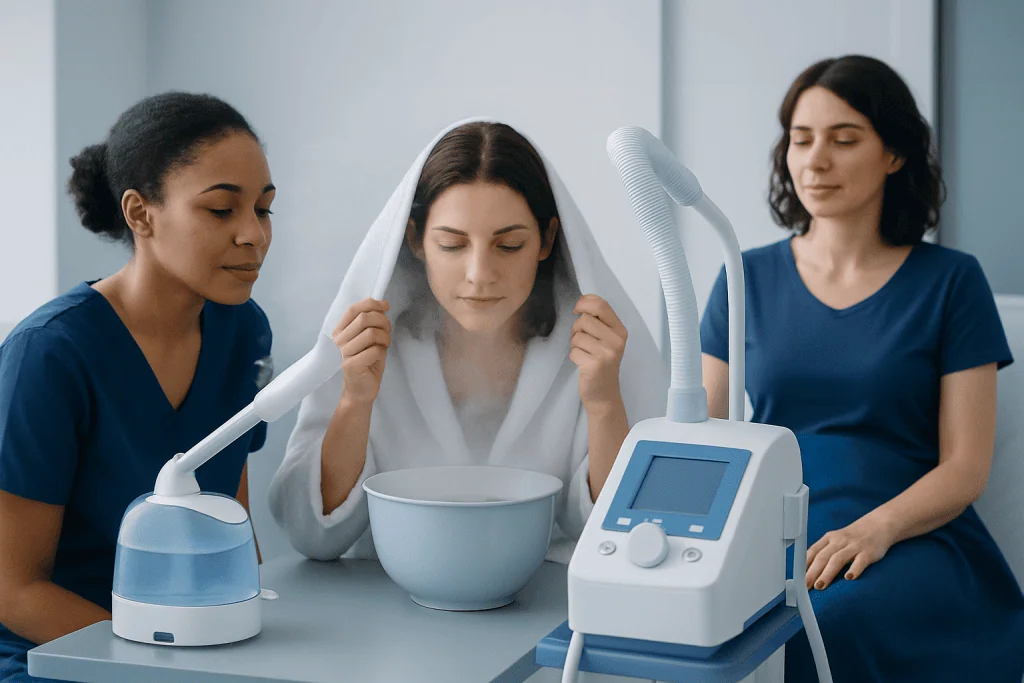
Steam inhalation is the form most often used for respiratory symptoms. People may breathe moist air from a warm shower, a humid environment, or a purpose-designed steam device. This is the form most likely to offer temporary relief from nasal stuffiness or throat dryness.
Facial steaming is commonly used in skin-care routines. It may soften surface debris, increase a feeling of skin hydration, and make cleansing feel easier. Still, facial steaming does not “open” pores in a literal sense and should not be viewed as a treatment for acne, rosacea, or other skin disorders. In people with sensitive skin, it may even worsen redness or irritation.
Vaginal steaming is often promoted for cleansing, hormonal balance, or menstrual support, but these claims are not supported by good medical evidence. The vagina is self-cleaning, and exposure to heat, steam, herbs, or fragrances can disturb the natural environment and irritate delicate tissue. If a person has discharge, itching, pain, or odor, proper evaluation is more helpful than steaming.
Potential Benefits of Steaming
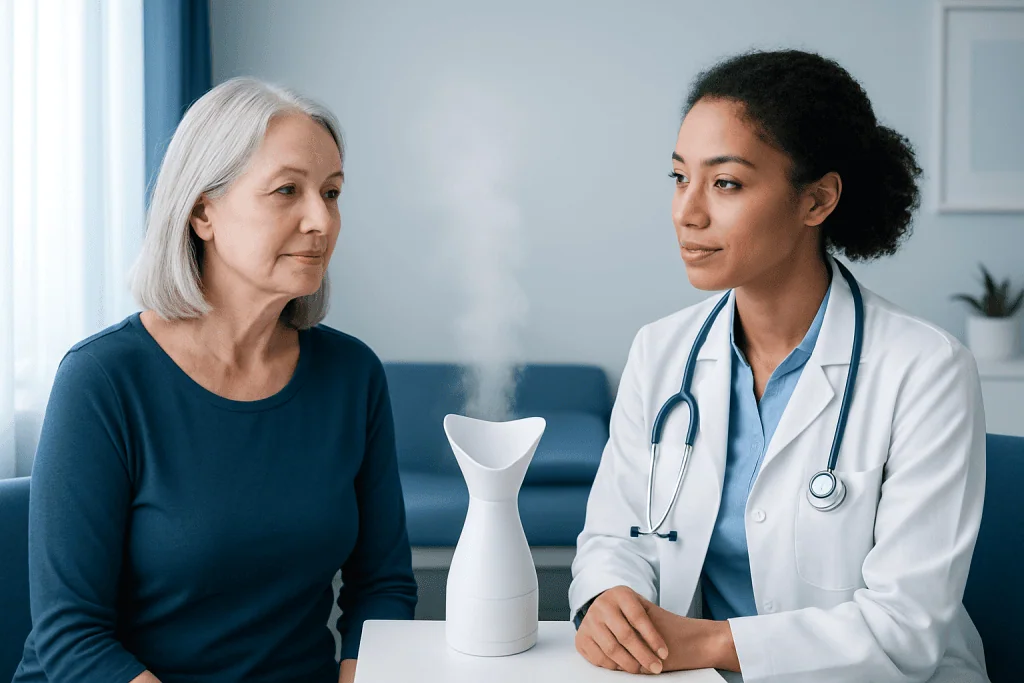
The main possible benefit of steaming is symptom comfort. For some people, moist warm air can temporarily reduce the feeling of congestion and make breathing through the nose feel easier. It may also soothe a dry throat, particularly during a cold or in dry climates.
Steaming can also support general relaxation. Warmth may help some people feel calmer, especially when combined with rest and hydration. This effect can be helpful when symptoms are mild and the goal is comfort at home rather than treatment of a serious illness.
Facial steaming may make the skin feel softer for a short time and can be a gentle part of a self-care routine if used briefly and safely. Even so, its effects are limited. Conditions such as persistent acne, recurrent sinus problems, or inflammatory skin disorders usually need a more targeted approach, such as evaluation for sinusitis or advice from a skin specialist.
- May temporarily ease the sensation of nasal blockage
- May reduce feelings of dryness in the nose and throat
- May help loosen mucus so it is easier to clear
- May promote comfort and relaxation during minor illness
Risks, Side Effects, and Common Misunderstandings
The most important risk of steaming is burns. Hot water, tipping bowls, and steam that is too close to the face can cause serious injury to the skin and airways. Children are especially vulnerable, and steam inhalation over a bowl of boiling water is generally considered unsafe. A warm shower or a safe room humidification method is usually a better option.
Steaming can also irritate sensitive tissues. People with eczema, rosacea, very sensitive skin, or certain respiratory conditions may feel worse rather than better. For example, very warm humid air may trigger discomfort in some people with airway sensitivity, while facial steaming may increase flushing in people prone to redness.
There are also several myths surrounding steaming. It does not detoxify the body, sterilize the sinuses, remove infections from the vagina, or melt away chronic mucus problems. It should never delay treatment for ongoing breathing symptoms, recurrent sinus complaints, or gynecologic concerns. If symptoms suggest a condition such as asthma, proper diagnosis matters more than home steam remedies.
How to Use Steaming More Safely
If a person chooses to use steaming, safety should come first. The steam should feel warm and comfortable, not hot or painful. Direct contact with boiling water should be avoided, and children should not be left unattended around steam devices, kettles, bowls, or hot baths.
For steam inhalation, a warm shower or sitting in a steamy bathroom for a short period may be safer than leaning over a container of hot water. Commercial devices should be used only as instructed. Essential oils, herbs, or strong fragrances should be used cautiously, if at all, because they may irritate the nose, lungs, or skin.
For facial steaming, sessions should be brief and followed by gentle skin care. People with active rashes, rosacea, recent procedures, or very sensitive skin may be better off avoiding it. Vaginal steaming is not recommended because the risks outweigh any unproven benefit.
- Keep water warm, not boiling
- Stop if there is burning, dizziness, coughing, or discomfort
- Do not use steaming as a substitute for prescribed treatment
- Choose safer methods, such as a warm shower, when possible
When Steaming Is Not Enough: Diagnosis and Treatment of Underlying Problems
Steaming may mask symptoms for a short time, but it does not explain why those symptoms are happening. Nasal blockage may come from a cold, allergies, sinus inflammation, a structural issue, or an infection. Ongoing skin irritation may be related to eczema, acne, rosacea, or contact sensitivity. Pelvic symptoms may have gynecologic causes that need examination rather than home remedies.
Doctors diagnose persistent symptoms by combining the medical history, examination, and sometimes imaging or laboratory tests. In respiratory or sinus cases, treatment may include hydration, saline rinses, allergy management, or medicines aimed at the specific cause. If a structural problem is found, targeted care such as endoscopic sinus surgery may be discussed when appropriate.
For skin concerns, treatment depends on the diagnosis and may include gentle skin-care changes, prescription creams, or procedures. For gynecologic symptoms, medical evaluation can identify infection, irritation, hormonal factors, or other conditions. Acibadem International’s multidisciplinary specialists in JCI-accredited hospitals diagnose and treat patients who need further evaluation, including dermatology care and gynecology assessment.
When to Seek Medical Care
Medical care is important if symptoms are severe, do not improve, or keep coming back. Steaming should not be relied on for high fever, shortness of breath, chest pain, severe headache, facial swelling, persistent wheezing, or dehydration. These symptoms may point to a condition that needs prompt assessment.
A doctor should also be consulted for ongoing sinus pressure, symptoms lasting longer than expected, repeated nose blockage, or worsening cough. If there is a known lung condition, a child with breathing symptoms, or concern for infection, professional advice is especially important. People who think they may have a recurrent sinus problem may benefit from evaluation related to chronic or recurrent sinus symptoms.
For vaginal or pelvic symptoms, seek care for pain, unusual discharge, bleeding between periods, foul odor, fever, or burning. These are not problems that steaming should be used to treat at home. A proper diagnosis helps prevent delays in care and supports safer, more effective treatment.
Frequently asked questions
Does steaming help a cold?
Steaming may temporarily ease the feeling of nasal congestion and dryness during a cold. It does not cure the infection or shorten the illness itself. Supportive measures such as rest, fluids, and medical advice when needed remain important.
Is steam inhalation safe for children?
Steam inhalation around hot water can be risky for children because of the chance of burns. Safer alternatives may include a warm shower, humidified air, or doctor-recommended measures. A child with breathing difficulty, high fever, or worsening symptoms should be assessed by a clinician.
Can facial steaming clear acne?
Facial steaming may make skin feel softer and can support gentle cleansing, but it does not treat the causes of acne. In some people, heat may increase redness or irritation. Persistent acne is better managed with a tailored skin-care plan and professional guidance.
Is vaginal steaming recommended?
No. Vaginal steaming is not supported by good medical evidence and may irritate or burn sensitive tissue. Symptoms such as discharge, itching, odor, or pelvic pain should be evaluated by a qualified gynecologist instead.
Can steaming treat sinusitis?
Steaming may provide short-lived symptom relief, but it does not treat the underlying causes of sinusitis. Some cases are related to viral infections, allergies, or structural issues that need different management. If sinus symptoms are severe, recurrent, or persistent, medical evaluation is appropriate.
Are essential oils necessary when steaming?
No. Essential oils are optional and are not required for steam to feel soothing. In some people, strong scents or oils may irritate the skin, nose, or lungs, so caution is advised, especially in people with asthma, allergies, or sensitive skin.
References
- World Health Organization
- Centers for Disease Control and Prevention
- American Academy of Otolaryngology–Head and Neck Surgery
- American College of Obstetricians and Gynecologists
- American Academy of Dermatology
This article is for general information only and is not a substitute for professional medical advice. Please consult a qualified doctor about your individual situation.
Explore treatments in Turkey — costs, top hospitals & a free quote
JCI-accredited · board-certified surgeons · reply within 24h
Add us as a Preferred Source to see more of our trusted health content across Google Search, AI Overviews and Discover.