Steroid in Chemotherapy: How It Works, Results and What to Expect
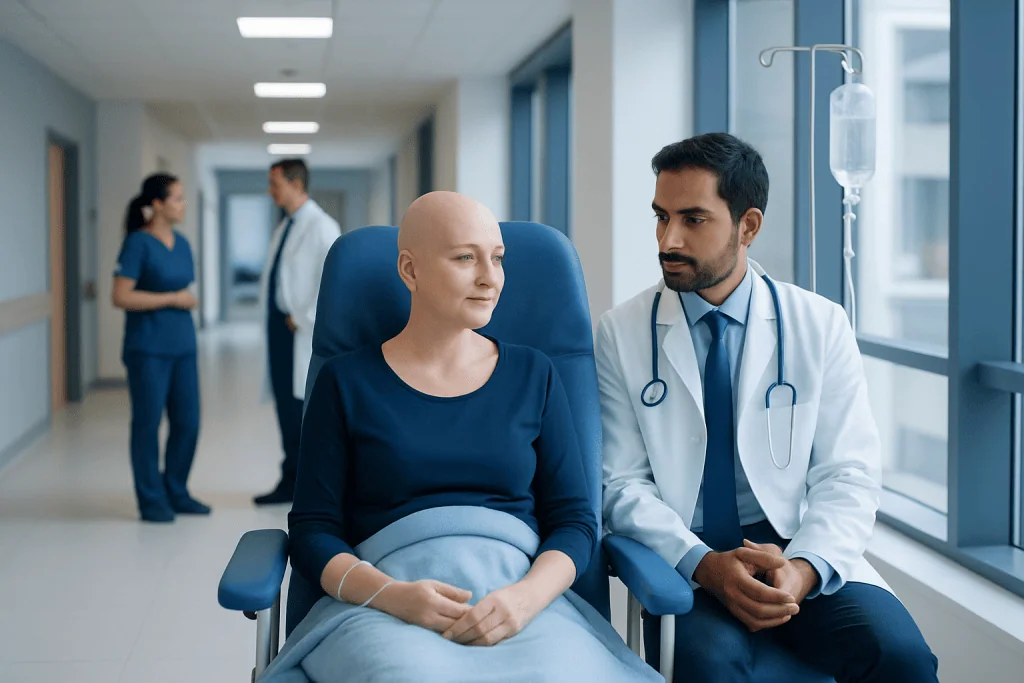
Steroids such as dexamethasone are often given before, during or shortly after chemotherapy. They can help prevent nausea, reduce allergic-type infusion reactions, improve appetite and lessen swelling or inflammation.
Key Takeaways
- Steroids such as dexamethasone are often given before, during or shortly after chemotherapy.
- They can help prevent nausea, reduce allergic-type infusion reactions, improve appetite and lessen swelling or inflammation.
- In some cancers, especially certain blood cancers, steroids may also be part of the treatment that acts against cancer cells.
- Short courses are common, but longer treatment requires closer monitoring for blood sugar changes, infection risk, mood effects and other side effects.
- Patients should not stop prescribed steroids suddenly without guidance from their oncology team.
A steroid in chemotherapy is commonly used to reduce nausea, prevent or manage infusion reactions, decrease inflammation and support certain cancer treatments. The type, dose and duration are individualized, and most steroid-related effects improve after the medicine is reduced or stopped.
Overview: why a steroid is used in chemotherapy
A steroid in chemotherapy usually refers to a corticosteroid medicine, such as dexamethasone, prednisone or methylprednisolone. These medicines are different from anabolic steroids used for muscle building. In cancer care, corticosteroids are frequently used alongside chemotherapy to make treatment safer and more tolerable, particularly by helping prevent nausea, vomiting and certain infusion-related reactions.
For some people, steroids are supportive medicines rather than cancer treatment itself. For others, including people with some lymphomas, leukemias and multiple myeloma, a steroid is a direct part of the anti-cancer regimen. The purpose depends on the diagnosis, chemotherapy drugs being used, medical history and expected side effects.
The oncology team will explain when to take the steroid and whether it is given by mouth or through a vein. The plan may involve one dose before chemotherapy, doses for a few days after treatment, or a longer schedule when clinically needed.
How steroids work during chemotherapy
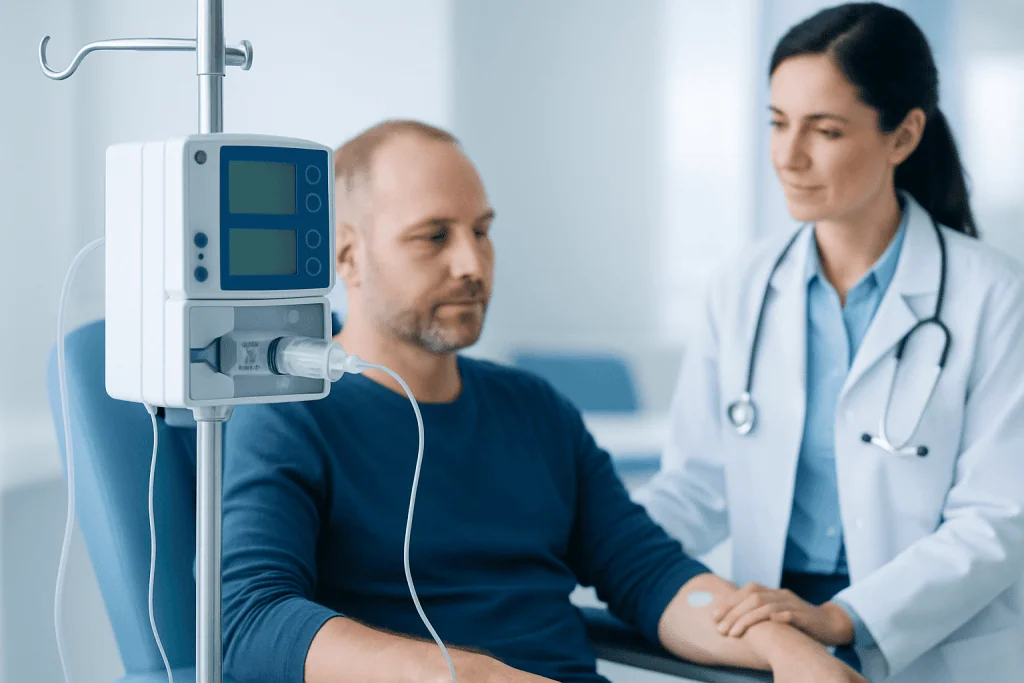
Corticosteroids imitate hormones naturally made by the adrenal glands. They have powerful anti-inflammatory and immune-modulating effects. During chemotherapy, these actions can settle inflammation, decrease swelling and reduce the body’s tendency to release chemicals involved in allergic-type reactions.
Steroids are also widely used in anti-nausea plans. When combined with other anti-sickness medicines, they can lower the chance of nausea and vomiting after chemotherapy. They may also improve appetite, energy or general wellbeing for a limited period in selected patients, although these benefits need to be weighed against possible side effects.
In certain blood cancers, steroids can prompt cancer cells to slow down or die and can make other anti-cancer medicines work more effectively. Their role is therefore not the same for every diagnosis. A treatment plan may include systemic cancer treatments such as chemotherapy alongside carefully timed steroid medicines.
Who may receive steroids and how the plan is chosen

Many people receiving chemotherapy are candidates for a short steroid course, especially when their treatment has a moderate or high likelihood of causing nausea. Steroids may also be considered before medicines that can cause infusion reactions, or when cancer or treatment contributes to inflammation, swelling, pressure-related symptoms or appetite difficulties.
The oncology team chooses the medicine, schedule and route based on the chemotherapy protocol. They will also consider diabetes, high blood pressure, glaucoma, osteoporosis, stomach ulcer history, mood disorders, active infection and other medicines. These conditions do not always prevent steroid use, but they may require additional monitoring or a modified approach.
People taking steroids for longer periods may need a plan to gradually lower the dose. This tapering process helps the body resume its normal cortisol production and reduces the risk of steroid withdrawal. Patients should always check with their cancer team before missing, changing or stopping a prescribed dose.
- Short courses are often used for nausea prevention or treatment-day reactions.
- Repeated courses may be scheduled with each chemotherapy cycle.
- Longer courses are more likely when steroids are part of treatment for a blood cancer or are needed to control swelling or inflammation.
What happens before, during and after steroid treatment
Before chemotherapy, the care team reviews current medicines, allergies, previous reactions to cancer treatment and relevant health conditions. Blood pressure, blood glucose and infection symptoms may be checked when appropriate. Patients should mention if they have diabetes, have recently had an infection, or take medicines that affect blood clotting, blood sugar or the immune system.
On the treatment day, a steroid may be given as a tablet or as part of intravenous premedication before chemotherapy begins. If tablets are prescribed at home, patients should take them exactly as instructed. Taking oral steroids earlier in the day and with food may help reduce insomnia and stomach upset, but individual instructions from the oncology team take priority.
After treatment, some people continue the steroid for one to several days to prevent delayed nausea. The care team may ask about sleep, mood, appetite, heartburn, swelling, blood glucose readings or signs of infection. Keeping a simple symptom record can help the team adjust future cycles safely.
Benefits, risks and recovery timeline
The main benefit of a steroid in chemotherapy is better control of treatment-related symptoms and reactions. Effective nausea prevention can help patients maintain fluids, nutrition and daily functioning. In situations where the steroid is part of cancer-directed therapy, it may also contribute to disease control as part of the complete regimen.
For a short course, temporary effects may include increased appetite, indigestion, trouble sleeping, feeling restless, facial flushing, fluid retention or changes in mood. Some people experience raised blood sugar, even if they do not have diabetes. These effects are often most noticeable while taking the medicine and generally ease over days after the last dose.
With repeated or long-term use, risks can include ongoing high blood sugar, muscle weakness, thinning of the bones, cataracts, higher blood pressure, skin changes and increased susceptibility to infection. The actual risk depends greatly on the dose, duration and individual health. The oncology team may arrange monitoring, protective medicines or specialist input when longer steroid treatment is necessary.
Recovery after a short anti-nausea course is usually straightforward: sleep, appetite and energy commonly return toward the person’s usual pattern after the steroid is stopped. Recovery from chemotherapy itself varies by regimen, cancer type and overall health, so symptoms should be discussed rather than attributed to steroids alone.
What do steroids do to your body during chemo?
During chemotherapy, steroids can reduce inflammation and help prevent nausea, vomiting and some treatment-related allergic or infusion reactions. They can also temporarily increase appetite and energy for some people. In particular cancers, they have a direct anti-cancer role within the prescribed combination treatment.
At the same time, steroids can affect sleep, mood, appetite, fluid balance and blood sugar. Some patients feel more alert or restless, while others notice irritability or emotional changes. These effects are important to report, especially if they interfere with sleep, daily life or relationships.
Because steroids can dampen parts of the immune response, they may slightly add to the infection risk already associated with some chemotherapy regimens. Good hand hygiene, food safety and prompt reporting of fever or new illness remain important throughout treatment.
How long can cancer patients stay on steroids?
There is no single safe duration for all cancer patients. Some people receive only one dose before chemotherapy or a brief course lasting a few days, while others need steroids for weeks or longer as part of treatment for particular cancers or symptoms. The shortest effective duration is generally preferred when steroids are used mainly for supportive care.
Longer treatment can be appropriate when its expected benefits outweigh the risks, but it requires regular review. The care team may monitor weight, blood pressure, blood glucose, bone health, eye symptoms, mood and infection risk. They may also coordinate with endocrinology, primary care or other specialists for patients with complex medical needs.
If steroids have been used for more than a short period, stopping suddenly can be unsafe. The dose may need to be reduced gradually under medical supervision, even if the patient feels well.
What week of chemo is the hardest?
There is no universal hardest week of chemotherapy. Side effects differ according to the medicines, dose schedule, cancer type, supportive treatments and the person’s health before treatment. For some regimens, fatigue, nausea or bowel changes are most noticeable in the first several days after an infusion; for others, low blood counts and infection risk may be greatest one to two weeks later.
Effects can also change over repeated cycles. Some people find the first cycle difficult because the routine is unfamiliar, while others notice cumulative fatigue, nerve symptoms or appetite changes later in treatment. Steroids may improve nausea around treatment days but can temporarily disrupt sleep, which may affect how a person feels that week.
Patients should ask their oncology team about the expected timing of side effects for their exact protocol. Knowing when blood counts may fall and when to contact the team can make each cycle easier to plan for.
How long do steroids given with chemo stay in your system?
The time steroids stay in the body varies by medicine, dose, route and how often it is taken. Dexamethasone, a commonly used chemotherapy steroid, has longer-lasting biological effects than some other corticosteroids. Even after the blood level falls, its effects on nausea control, sleep, appetite or blood sugar may continue for a number of days.
A single treatment-day dose is usually processed over the following days, whereas repeated doses or prolonged courses can have effects that last longer. Steroid-related sleep disturbance or elevated blood glucose may outlast the final dose, particularly in people who are sensitive to these changes.
The oncology pharmacist or treating clinician can give the most relevant estimate for the exact steroid and schedule. Patients with diabetes should follow their individualized plan for checking blood sugar during and after steroid doses.
When to seek medical care
Patients should contact their oncology team promptly for a fever or chills, new cough, shortness of breath, confusion, severe weakness, persistent vomiting, inability to keep fluids down, black or bloody stools, severe abdominal pain, or a rapidly worsening rash. The team should also be informed about marked mood changes, severe insomnia, vision changes or substantially elevated blood sugar readings.
Urgent assessment is important for symptoms of a serious allergic reaction, including swelling of the lips, tongue or throat; trouble breathing; fainting; or widespread hives. Patients should follow the emergency instructions provided by their treatment center rather than waiting for the next appointment.
Acibadem International’s multidisciplinary specialists and JCI-accredited hospitals support international patients receiving cancer care, including evaluation and management of treatment-related symptoms. Individual concerns about steroid use should be discussed with the oncology team that knows the patient’s chemotherapy plan.
Frequently asked questions
Are steroids always given with chemotherapy?
No. Steroids are common in many chemotherapy regimens, but they are not required for every person or every treatment. Their use depends on the chemotherapy medicines, the risk of nausea or infusion reactions, the cancer type and the patient’s medical history.
Can steroids make chemotherapy more effective?
In some blood cancers, corticosteroids are active anti-cancer medicines and are intentionally included in the regimen. In many solid-tumor chemotherapy plans, their main purpose is supportive, such as preventing nausea or reactions, rather than directly treating the cancer.
Can a patient take steroids with diabetes during chemotherapy?
Yes, steroids can often still be used, but they may raise blood glucose significantly. The oncology team may recommend more frequent glucose checks and temporary changes to a diabetes management plan in coordination with the clinician managing diabetes.
Should steroids be taken with food during chemotherapy?
Oral steroids are often taken with food to reduce indigestion or stomach irritation. However, patients should follow the timing and food instructions given for their specific chemotherapy regimen, since other medicines may have separate requirements.
Do steroids cause weight gain during cancer treatment?
Steroids can increase appetite and cause fluid retention, which may lead to temporary weight gain. Longer courses can contribute more substantially to body composition changes, so patients should tell their care team about rapid weight changes or new swelling.
Can steroids cause insomnia after chemotherapy?
Yes. Feeling more awake, restless or unable to sleep is a common short-term steroid effect. Taking a morning dose when the treatment plan allows, limiting caffeine later in the day and discussing persistent insomnia with the oncology team may help.
References
- National Cancer Institute
- American Cancer Society
- American Society of Clinical Oncology
- NHS
- Macmillan Cancer Support
This article is for general information only and is not a substitute for professional medical advice. Please consult a qualified doctor about your individual situation.
Chemotherapy in Turkey — costs, top hospitals & a free quote
JCI-accredited · board-certified surgeons · reply within 24h
Add us as a Preferred Source to see more of our trusted health content across Google Search, AI Overviews and Discover.
Check your numbers in seconds
BMI, calories, due date, blood pressure and 30+ more clinical calculators — free, instant, doctor-reviewed ranges.

Medical Oncology Department
Medical treatment of cancer with chemotherapy, immunotherapy and targeted therapies under a multidisciplinary tumor board.
60 specialists in this unitMore from the Health Library



Related Specialists

Prof. Dr. Mehmet Veli Karaaltın
Aesthetic Plastic & Reconstructive Surgery
Assoc. Prof. Dr. Rıza Gürhan Işıl
General Surgery
Dr. Özer Öztürk
Orthopedic Surgery & Traumatology
Prof. Dr. Şenol Polat
Otorhinolaryngology