Steroids for Back Pain: Common Causes, Related Conditions, and When to See a Doctor

Steroids may be considered for short-term relief of back pain caused by inflammation or nerve irritation. Oral steroid medicines and spinal steroid injections have different uses, benefits and risks.
Key Takeaways
- Steroids may be considered for short-term relief of back pain caused by inflammation or nerve irritation.
- Oral steroid medicines and spinal steroid injections have different uses, benefits and risks.
- Most uncomplicated low back pain improves with time, movement, targeted exercise and other non-surgical care.
- Steroids are generally not a first-line treatment for routine muscle strain or nonspecific low back pain.
- New weakness, bowel or bladder changes, fever, major injury or unexplained weight loss require prompt medical assessment.
Steroids for back pain can sometimes reduce inflammation and provide temporary relief, particularly when pain is linked to irritated spinal nerves such as sciatica. They do not correct every underlying cause of back pain, so the safest and most effective option depends on symptoms, examination findings and overall health.
Overview: What Steroids for Back Pain Can and Cannot Do
Steroids for back pain are anti-inflammatory medicines that may be used when inflammation around a spinal nerve is thought to be contributing to symptoms. They can be given as tablets for a short course, or as an injection placed near an irritated nerve in the spine. Their main purpose is to ease inflammation and pain enough to help a person stay mobile and participate in rehabilitation; they are not a cure for the structural cause of back pain.
Back pain is common and has many possible causes, including muscle or ligament strain, age-related changes in spinal discs and joints, nerve compression, inflammatory disease and, less often, infection or cancer. Because steroids are not equally helpful for all of these problems, a clinician considers the pattern of pain, neurological symptoms, medical history and examination before recommending them. Many people with acute low back pain improve without steroid treatment.
It is helpful to distinguish corticosteroids from anabolic steroids. Corticosteroids, such as prednisone-type medicines and injected anti-inflammatory preparations, are the medicines discussed here. They work differently from anabolic steroids, which are substances sometimes used to increase muscle mass and are not a treatment for back pain.
When Steroids May Be Considered
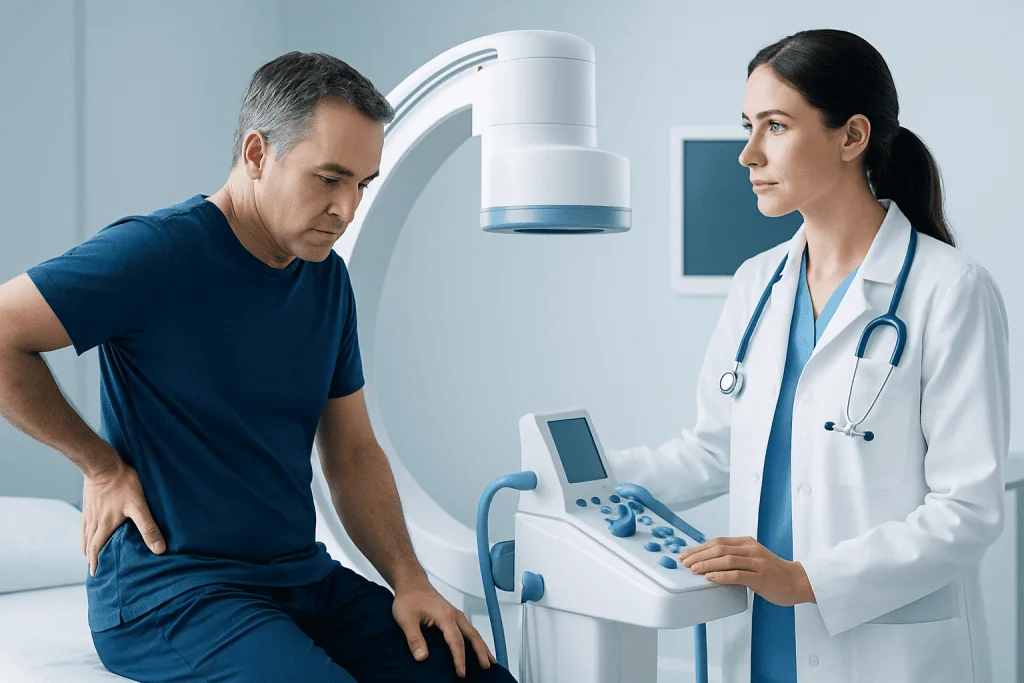
Steroids are most often considered when back pain travels into the buttock, leg or foot and is accompanied by tingling, numbness or burning pain. This pattern may occur when a spinal nerve is inflamed or compressed, often due to a disc herniation. The condition is commonly called sciatica, although the term describes a symptom pattern rather than one single diagnosis.
For some people with acute radicular pain, meaning pain that follows the path of a nerve, a short course of oral steroids may modestly improve function. However, pain relief may be limited, and not everyone benefits. An epidural steroid injection may be discussed when leg-dominant nerve pain remains significant despite appropriate conservative care, or when pain is preventing participation in physical therapy and daily activities.
Spinal narrowing, known as lumbar spinal stenosis, can also cause pain, heaviness, numbness or weakness in the legs when walking or standing. Steroid injections may provide temporary symptom relief for selected people, but results vary. They do not reverse narrowing of the spinal canal, and a care plan may also include activity changes, rehabilitation, medicines or, in some cases, surgery.
Common Back Pain Causes and Related Conditions

Most episodes of low back pain are nonspecific, meaning that no single injured structure can be identified with certainty. They are often related to muscle strain, reduced conditioning, prolonged sitting, awkward lifting, repetitive movements or minor joint and soft-tissue irritation. In these situations, staying gently active, using heat when helpful, and gradually returning to normal movement are commonly more useful than steroid treatment.
A bulging or herniated disc can irritate a nearby nerve root and cause leg pain, altered sensation or weakness. Degenerative changes in discs and facet joints may contribute to stiffness and localized pain, particularly with age, but imaging findings do not always match symptoms. A medical professional interprets scans alongside the person’s history and physical examination rather than treating an image alone.
Less common causes need different treatment. These include vertebral fractures, inflammatory spinal conditions, kidney or pelvic disorders, infection and malignancy. Persistent pain at night, systemic symptoms or pain after significant trauma should be assessed rather than assumed to be a routine mechanical problem. Steroids can be unsafe when infection is possible because they may suppress parts of the immune response and mask symptoms.
Oral Steroids, Epidural Injections and Other Options
Oral corticosteroids circulate throughout the body. A clinician may occasionally prescribe a short, carefully selected course for suspected acute nerve-root inflammation. This approach is convenient, but its benefits for back pain are often modest and temporary. It should not be self-started from leftover medication or used repeatedly without review, since repeated exposure increases the chance of adverse effects.
Epidural steroid injections deliver medicine into the epidural space near spinal nerve structures, usually with imaging guidance to support accurate placement. They are not the same as a general pain-relieving injection into a muscle. A specialist may recommend an injection after reviewing the symptoms, examination and, when appropriate, imaging, especially if there is a clear nerve-related pain pattern. Relief can range from minimal to meaningful but is usually temporary.
Other evidence-based options may include maintaining appropriate daily activity, physical therapy, exercises for mobility and trunk strength, education about safe movement, heat or cold therapy, and non-steroidal anti-inflammatory medicines when medically suitable. In selected cases, specialists may discuss epidural steroid injections or other procedures. Surgery is generally reserved for particular structural problems, persistent disabling symptoms despite adequate non-surgical treatment, or progressive neurological deficits.
Benefits, Limitations and Possible Side Effects
The potential benefit of steroids is a reduction in inflammation-related pain over a limited period. If pain settles enough for a person to sleep, walk, work within their abilities and begin rehabilitation, this can be valuable. Still, steroid treatment should be viewed as one part of a broader plan rather than a standalone solution. It does not repair a damaged disc, strengthen supporting muscles or prevent future episodes by itself.
Short courses of oral steroids can cause temporary effects such as indigestion, changes in mood or sleep, increased appetite, fluid retention and raised blood sugar. These effects can be particularly important for people with diabetes, high blood pressure, glaucoma, active infection, osteoporosis, stomach ulcers or certain mental health conditions. The prescribing clinician should know about all medicines and supplements, including blood thinners and diabetes medication.
Injection-related risks are uncommon but can include a temporary pain flare, headache, bleeding, infection, nerve injury or elevated blood sugar. Serious complications are rare, but the procedure should be performed by an appropriately trained clinician using established safety practices. The number and frequency of injections should be limited and individualized, as repeated steroid exposure may affect bone health, blood sugar regulation and other body systems.
Diagnosis and Everyday Self-Care
Assessment usually begins with questions about when pain started, where it travels, what makes it better or worse, previous episodes, work and activity demands, and any warning symptoms. A clinician checks posture, movement, strength, reflexes, sensation and walking. Imaging such as MRI is not needed for every episode of back pain, but it may be useful when symptoms suggest nerve compression, when symptoms persist despite treatment, or when a serious cause is suspected.
For many people, short periods of rest may be reasonable during severe pain, but prolonged bed rest can slow recovery. Gentle walking and gradual return to usual activities are often encouraged within personal comfort limits. A physiotherapist can tailor mobility, strengthening and pacing strategies to the individual. Good sleep habits, regular movement and attention to lifting technique may also support recovery.
People should avoid trying to diagnose a disc problem or nerve compression based only on online information. Pain location alone cannot reliably identify the source. A healthcare professional can help distinguish symptoms that may respond to rehabilitation and time from those that warrant medication, targeted injection, specialist consultation or further testing.
When to Seek Medical Care
A person should arrange medical assessment for back pain that is severe, persistent, worsening, repeatedly returning, or interfering substantially with sleep, work or everyday activities. Evaluation is also appropriate for pain that spreads below the knee, persistent numbness or tingling, or symptoms that do not improve with sensible self-care. A clinician can discuss whether steroids are appropriate and review safer alternatives where they are not.
Urgent medical care is needed for new or worsening leg weakness, loss of sensation around the genitals or buttocks, difficulty starting urination, loss of bladder or bowel control, fever with back pain, or back pain after a major fall or accident. These symptoms can occasionally indicate conditions requiring prompt treatment. Unexplained weight loss, a history of cancer, immune suppression or intravenous drug use should also be shared with a doctor without delay.
For international patients requiring assessment of persistent or complex spine symptoms, Acibadem International’s multidisciplinary specialists and JCI-accredited hospitals diagnose and treat back and spine conditions. A personalized evaluation can help determine whether rehabilitation, medication, injections or another approach is most appropriate.
Frequently asked questions
Do steroids help back pain?
Steroids may help some people with short-term inflammation-related back pain, especially pain caused by irritation of a spinal nerve. They are less likely to help routine muscle strain or nonspecific low back pain. A clinician should determine whether the symptoms and health history make steroid treatment reasonable.
Are oral steroids effective for sciatica?
A short course of oral steroids may provide limited improvement in function for some people with acute sciatica, but pain relief is not always substantial. They can also cause side effects, including temporary increases in blood sugar and changes in sleep or mood. They should be used only when prescribed and monitored by a qualified clinician.
How long does a steroid injection for back pain last?
The duration of relief varies considerably. Some people notice improvement for days to weeks, while others may have relief for several months or little benefit at all. An injection is usually used to support mobility and rehabilitation, not as a permanent cure.
Can a steroid injection cure a slipped disc?
No. A steroid injection does not repair or remove a herniated disc. It may reduce inflammation around an affected nerve and temporarily ease leg pain while the body heals and the person follows a rehabilitation plan.
Who should avoid steroids for back pain?
Steroids may not be suitable for people with certain active infections, uncontrolled diabetes, some eye conditions, significant bone loss, a history of stomach ulcers, or particular medication interactions. Pregnancy, blood-thinning medication and prior reactions to steroid medicines or contrast agents also need careful discussion. The decision should be individualized by the treating clinician.
What is the best first treatment for low back pain?
For many uncomplicated cases, the first steps are staying gently active, avoiding prolonged bed rest, using heat if it provides comfort, and gradually returning to normal movement. A clinician or physiotherapist may recommend specific exercises and appropriate pain relief based on the person's health. Further tests or treatments are considered when symptoms persist, worsen or include neurological warning signs.
This article is for general information only and is not a substitute for professional medical advice. Please consult a qualified doctor about your individual situation.
Joint and spine care in Turkey — expert assessment & treatment
JCI-accredited · board-certified surgeons · reply within 24h
Add us as a Preferred Source to see more of our trusted health content across Google Search, AI Overviews and Discover.

More from the Health Library

ADHD and Fatigue Explained: Common Triggers and Red Flags

Acute respiratory failure: Common Causes, Warning Signs, and When to Worry

Can I Eat Sushi While Nursing? Here Is What the Evidence Says

How to Get Nail Glue Off Skin? Here Is What the Evidence Says

Soluble fibre vs insoluble: How to Tell the Difference and When It Matters