Stomach Ache Lower Left Explained: Common Triggers and Red Flags

Most cases of stomach ache lower left are caused by digestive issues such as gas, constipation, or bowel irritation. Pain with fever, persistent vomiting, blood in stool, fainting, or a rigid abdomen needs prompt medical assessment.
Key Takeaways
- Most cases of stomach ache lower left are caused by digestive issues such as gas, constipation, or bowel irritation.
- Pain with fever, persistent vomiting, blood in stool, fainting, or a rigid abdomen needs prompt medical assessment.
- Location alone does not give the full answer; timing, severity, and associated symptoms help narrow the cause.
- Women may have gynecologic causes, while urinary problems such as kidney stones or infection can affect anyone.
- Medical evaluation may include an exam, blood and urine tests, and imaging such as ultrasound or CT.
A stomach ache lower left is commonly related to the bowel, such as gas, constipation, or irritable bowel syndrome, but it can also come from the urinary tract, reproductive organs, or a hernia. The meaning often depends on how the pain feels, how long it lasts, and whether it comes with fever, vomiting, changes in bowel habits, urinary symptoms, or vaginal bleeding.
Overview: what a stomach ache lower left can mean
A stomach ache lower left usually points to a problem in the lower left abdomen rather than the stomach itself. In this area, pain may come from the large intestine, especially the descending or sigmoid colon, but it may also arise from the urinary tract, abdominal wall, or reproductive organs. Because several body systems overlap in this region, the same symptom can have more than one explanation.
In many people, the cause is not dangerous. Trapped gas, constipation, a mild stomach bug, or bowel sensitivity from irritable bowel syndrome can all cause cramping or pressure on the lower left side. These problems often improve with time, hydration, gentle movement, and attention to bowel habits.
However, some causes need medical care. Examples include inflammation of small pouches in the colon, known as diverticulitis, a kidney stone, a urinary infection that spreads upward, a hernia, or in women, ovarian conditions such as a cyst or torsion. The main goal is to judge whether the pain is mild and short-lived or whether it has warning signs that suggest a more urgent problem.
How the pain feels can offer clues

Doctors often start by asking what the pain feels like. Cramping pain that comes and goes may be more typical of gas, constipation, or bowel spasm. A sharp, severe pain that starts suddenly can suggest a stone, ovarian torsion, or another urgent condition. A dull ache or pressure may fit with constipation, muscle strain, or a mild bowel issue.
The timing matters too. Pain after eating may be linked to bowel activity or trapped gas. Pain that develops over hours to a day and is joined by fever can fit an inflammatory process such as diverticulitis. Pain that comes in waves and radiates to the groin may suggest a urinary stone. If coughing, lifting, or standing makes it worse, an abdominal wall strain or hernia becomes more likely.
Associated symptoms help narrow the possibilities. Bloating, hard stools, or relief after passing gas point more toward digestive causes. Burning with urination, blood in the urine, or frequent urination suggest the urinary tract. In women, a missed period, pelvic pain, unusual bleeding, or pain during intercourse may point to a gynecologic cause. Even so, symptoms can overlap, so self-diagnosis is not always reliable.
Common digestive and bowel-related causes
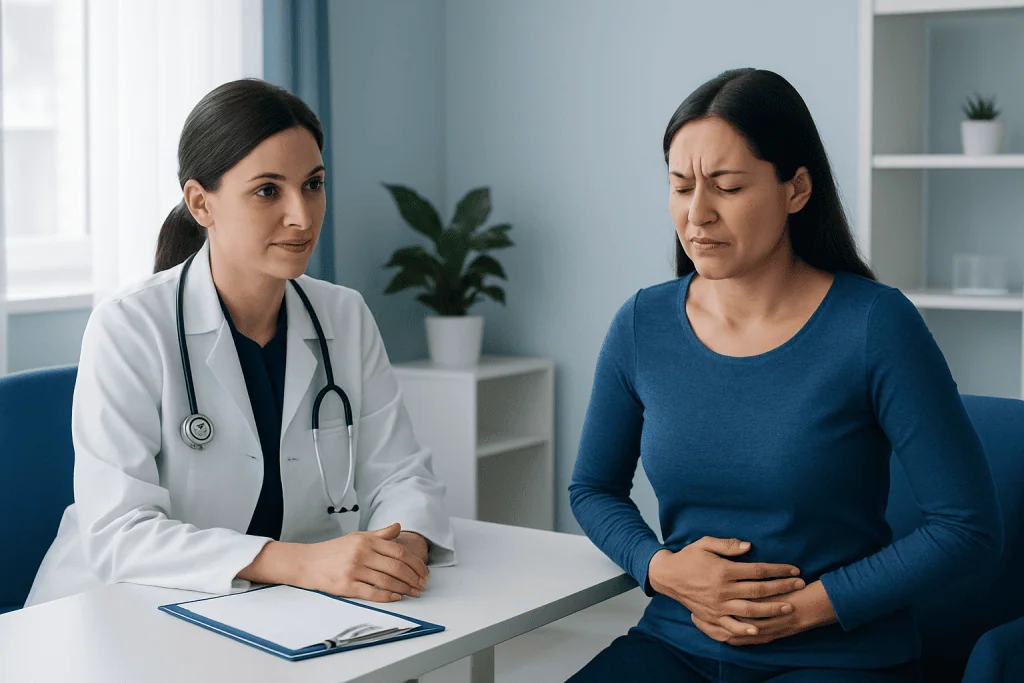
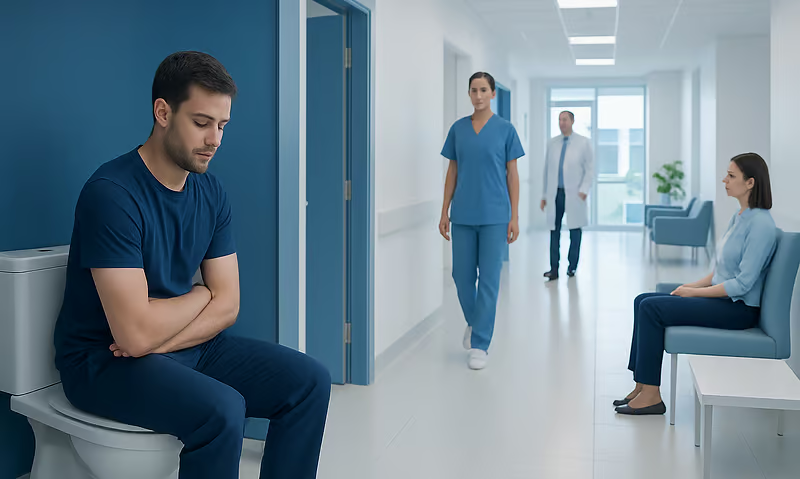
The colon is one of the most common sources of lower left abdominal pain. Constipation can cause aching, fullness, and cramping, especially when stool moves slowly through the sigmoid colon. Trapped gas can create sudden, shifting pain and bloating that often improves after passing gas or having a bowel movement. Viral gastroenteritis may also cause lower abdominal cramping along with diarrhea, nausea, or a general unwell feeling.
Irritable bowel syndrome can produce recurrent pain linked with bowel habits. Some people have constipation-predominant symptoms, while others alternate between constipation and diarrhea. The pain may ease after a bowel movement and often comes with bloating. IBS is a functional gut disorder, which means symptoms are real but are not caused by a structural blockage or visible inflammation.
Another important cause is diverticulitis, in which small pouches in the colon become inflamed or infected. This often causes steady lower left pain, tenderness, fever, and changes in bowel habits. Less commonly, inflammatory bowel diseases such as ulcerative colitis or Crohn’s disease can also cause left-sided abdominal pain, usually along with diarrhea, blood in the stool, weight loss, or fatigue.
- Gas and bloating
- Constipation or stool backup
- Irritable bowel syndrome
- Gastroenteritis
- Diverticulitis
- Inflammatory bowel disease
Other causes: urinary, gynecologic, and abdominal wall problems
Not all lower left abdominal pain starts in the bowel. Urinary tract problems can cause very similar symptoms. A bladder infection may lead to pressure or discomfort in the lower abdomen along with burning urination and urgency. A kidney stone can cause intense, wave-like pain that may start in the side or back and move toward the lower abdomen or groin, sometimes with nausea or blood in the urine.
In women, the ovaries and fallopian tubes are important considerations. Pain from an ovarian cyst may be mild and intermittent or sudden if the cyst ruptures. Ovarian torsion, in which the ovary twists, usually causes sudden severe pain and needs urgent treatment. Endometriosis and pelvic inflammatory disease can also cause left-sided lower abdominal or pelvic pain, sometimes with painful periods, fever, or abnormal vaginal discharge. During early pregnancy, one-sided pain with bleeding requires prompt assessment to exclude an ectopic pregnancy.
Sometimes the source is the abdominal wall itself. A pulled muscle can cause localized pain that worsens with movement, coughing, or pressing on the area. A hernia may create discomfort or a bulge, especially when lifting or straining. If the pain pattern is unclear, doctors may use imaging to look beyond the bowel and check nearby organs in a structured way.
Diagnosis: how doctors find the cause
Evaluation begins with a careful history and physical examination. A clinician will ask when the pain started, whether it is constant or cramping, what makes it better or worse, and whether there are symptoms such as fever, nausea, constipation, diarrhea, urinary changes, or vaginal bleeding. The abdomen is checked for tenderness, guarding, swelling, bowel sounds, and signs of a hernia.
Basic tests are chosen based on the symptoms. Blood tests may look for signs of infection, inflammation, anemia, or dehydration. A urine test can help identify a urinary infection, blood from a kidney stone, or other urinary problems. In women of childbearing age, a pregnancy test is often recommended when there is pelvic or lower abdominal pain.
Imaging may be needed if the diagnosis is uncertain or if red flags are present. Ultrasound can be helpful for gynecologic causes and some urinary problems. CT is often used when doctors suspect diverticulitis, kidney stones, or another abdominal condition that needs a detailed view. When bowel disease is suspected over time, a specialist may advise colonoscopy after the acute episode has settled, or other tests depending on the clinical picture.
Treatment options depend on the underlying cause
There is no single treatment for a stomach ache lower left because care depends on the cause. Mild digestive discomfort from gas or constipation may improve with fluids, gentle activity, fiber adjustments, and short-term symptom relief measures advised by a doctor or pharmacist. Rest, a light diet, and hydration are often enough for a minor stomach bug.
If a doctor suspects a bacterial infection, significant inflammation, or a complication, treatment is more specific. Diverticulitis may require bowel rest guidance, antibiotics in selected cases, pain control, and sometimes hospital care if symptoms are severe or complications are suspected. Persistent or recurrent bowel symptoms may lead to specialist evaluation in gastroenterology care to assess IBS, inflammatory bowel disease, or other digestive conditions.
Urinary infections are usually treated with appropriate medication, while kidney stones may need pain management, hydration advice, and sometimes procedures if the stone is large or blocked. Gynecologic causes can range from observation for a simple cyst to urgent surgery for ovarian torsion. If imaging or examination suggests a structural problem, treatment may involve general surgery or another specialty. Near the end of the care pathway, some patients may be seen in centers such as Acibadem International, where multidisciplinary specialists in JCI-accredited hospitals evaluate and treat international patients with abdominal and pelvic pain.
Self-care, prevention, and tracking symptoms
When pain is mild and there are no warning signs, simple self-care may help. Drinking enough water, walking gently, and avoiding very heavy meals can support normal bowel movement and reduce bloating. If constipation is a regular problem, a clinician may suggest a gradual increase in fiber or a bowel routine that is safe for the individual. Sudden large increases in fiber, however, can worsen bloating in some people.
Keeping a symptom diary can be useful, especially if the pain comes back. Notes about meals, bowel habits, stress, menstrual timing, urinary symptoms, and any triggers may help a doctor identify patterns. This is particularly helpful for recurrent symptoms linked with IBS, food intolerance, endometriosis, or constipation.
Prevention depends on the cause. Good hydration and regular activity may lower the chance of constipation. Prompt treatment of urinary infections may reduce complications. People with known digestive conditions should follow their care plan and attend follow-up visits. Recurrent or unexplained pain should not be managed indefinitely at home without a professional assessment.
When to seek medical care
Medical care should be sought urgently if lower left abdominal pain is severe, sudden, or rapidly worsening. The same applies if there is fever, repeated vomiting, fainting, a hard or swollen abdomen, blood in the stool or urine, black stools, inability to pass stool or gas, chest pain, shortness of breath, or new confusion. In women, urgent assessment is important for pain with pregnancy, a missed period, heavy vaginal bleeding, or severe pelvic symptoms.
Even when symptoms are not severe, a planned medical visit is sensible if the pain lasts more than a few days, keeps returning, wakes a person from sleep, or is linked with weight loss, reduced appetite, ongoing diarrhea, persistent constipation, or urinary symptoms. New abdominal pain in older adults, people with weakened immunity, or those with a history of bowel disease deserves a lower threshold for evaluation.
The key message is that a stomach ache lower left is often manageable, but context matters. Duration, intensity, and associated symptoms help separate common self-limited problems from conditions that need testing or treatment. A qualified doctor can decide whether reassurance, monitoring, medication, imaging, or specialist referral is the right next step.
Frequently asked questions
Is a stomach ache lower left usually serious?
Often it is not serious and may be related to gas, constipation, or bowel irritation. Still, pain that is severe, persistent, or joined by fever, vomiting, bleeding, or fainting should be assessed by a doctor.
Can gas cause pain only on the lower left side?
Yes. Gas can collect in different parts of the intestine and sometimes causes cramping or pressure mainly on the lower left side. It often improves after passing gas or having a bowel movement.
How do I know if lower left pain could be diverticulitis?
Diverticulitis often causes steady lower left abdominal pain with tenderness, and it may come with fever, nausea, or changes in bowel habits. These symptoms can overlap with other conditions, so medical evaluation is important if the pain is persistent or the person feels unwell.
Can constipation cause lower left abdominal pain?
Yes. Constipation commonly causes cramping, fullness, bloating, and discomfort in the lower abdomen, including the left side. Pain may improve after stool passes, but ongoing constipation should be discussed with a clinician.
What tests might be needed for a stomach ache lower left?
The choice depends on the symptoms and examination findings. A doctor may recommend blood tests, a urine test, a pregnancy test when relevant, and imaging such as ultrasound or CT to look for bowel, urinary, or gynecologic causes.
When should someone go to the emergency department for lower left abdominal pain?
Emergency care is appropriate for sudden severe pain, fainting, repeated vomiting, high fever, blood in stool or urine, a rigid abdomen, or pain during pregnancy. These symptoms can signal a condition that needs urgent treatment.
References
- National Institute of Diabetes and Digestive and Kidney Diseases
- American College of Gastroenterology
- Mayo Clinic
- National Health Service
- Merck Manual Consumer Version
This article is for general information only and is not a substitute for professional medical advice. Please consult a qualified doctor about your individual situation.
Persistent digestive symptoms? Get evaluated in Turkey
JCI-accredited · board-certified surgeons · reply within 24h
Add us as a Preferred Source to see more of our trusted health content across Google Search, AI Overviews and Discover.