Stomach Cancer: Early Symptoms, Diagnosis, and Treatment Options

Early stomach cancer may cause vague symptoms such as indigestion, nausea, loss of appetite, or feeling full quickly. Persistent or worsening digestive symptoms should be discussed with a doctor, especially if there is weight loss, anemia, vomiting, or blood in the stool.
Key Takeaways
- Early stomach cancer may cause vague symptoms such as indigestion, nausea, loss of appetite, or feeling full quickly.
- Persistent or worsening digestive symptoms should be discussed with a doctor, especially if there is weight loss, anemia, vomiting, or blood in the stool.
- Diagnosis usually involves upper endoscopy with biopsy, supported by imaging and laboratory tests to determine the stage.
- Treatment may include surgery, chemotherapy, radiation therapy, targeted therapy, immunotherapy, or a combination of approaches.
- Reducing Helicobacter pylori infection, avoiding smoking, limiting heavily salted and smoked foods, and maintaining a balanced diet may help lower risk.
Stomach cancer, also called gastric cancer, can be difficult to recognize early because symptoms may be mild or similar to common digestive problems. Timely medical evaluation, accurate diagnosis, and individualized treatment planning can improve care and quality of life.
Overview
Stomach cancer is a disease in which abnormal cells grow in the lining or deeper layers of the stomach. It is also known as gastric cancer. The stomach is part of the digestive system, helping to break down food before it moves into the small intestine. Most stomach cancers begin in the inner lining and develop gradually over time.
The most common type is adenocarcinoma, which starts in the gland-forming cells of the stomach lining. Less common types include gastrointestinal stromal tumors, lymphomas, and neuroendocrine tumors. Because these conditions behave differently, identifying the exact tumor type is an important part of diagnosis and treatment planning.
Stomach cancer may not cause noticeable symptoms in its early stages. When symptoms do occur, they can resemble gastritis, reflux, ulcers, or other common digestive problems. This is why persistent symptoms should not be ignored, especially when they are new, unexplained, or getting worse.
Early Symptoms and Warning Signs
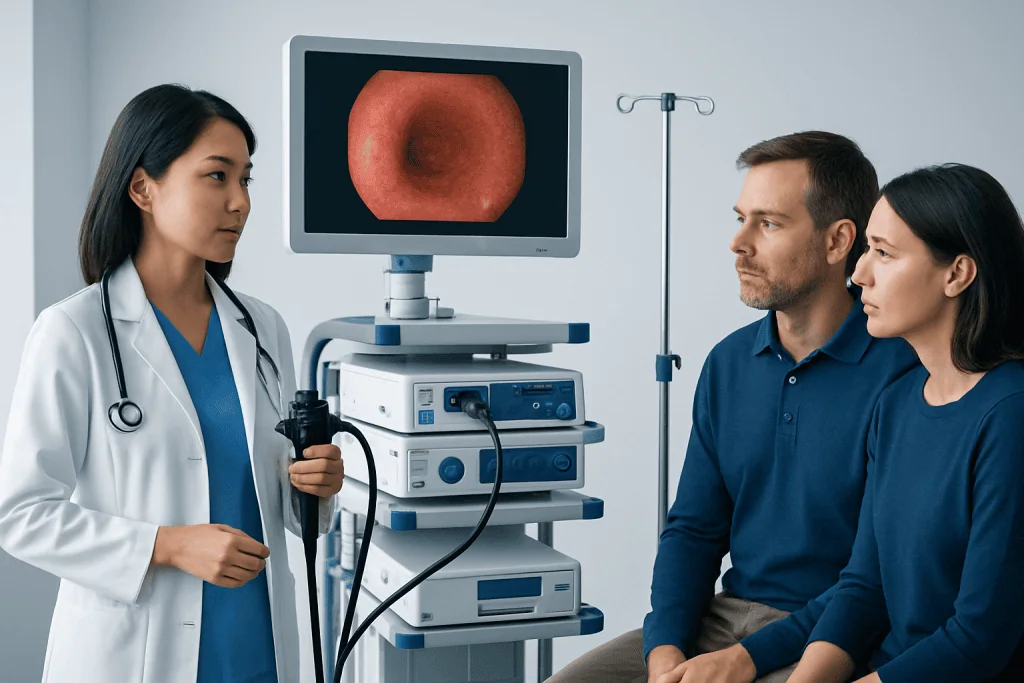
Early stomach cancer symptoms are often subtle. A person may notice indigestion, bloating, mild upper abdominal discomfort, or nausea. Some people feel full after eating only a small amount of food, known as early satiety. Others may lose interest in food or experience a change in appetite without a clear reason.
As the disease progresses, symptoms may become more noticeable. These can include unintentional weight loss, ongoing stomach pain, difficulty swallowing if the cancer is near the upper stomach, vomiting, or fatigue caused by anemia. Blood loss from the stomach may be hidden, but it can sometimes appear as black, tar-like stools or vomiting blood.
Symptoms that may need medical evaluation include:
- Persistent indigestion or upper abdominal discomfort lasting more than a few weeks
- Feeling full quickly or difficulty eating normal portions
- Unexplained weight loss or loss of appetite
- Vomiting, especially if recurrent or bloody
- Black stools, anemia, unusual tiredness, or dizziness
Having these symptoms does not necessarily mean a person has stomach cancer. Many benign digestive conditions can cause similar complaints. However, checking symptoms early helps doctors identify the cause and begin appropriate treatment if needed.
Causes and Risk Factors
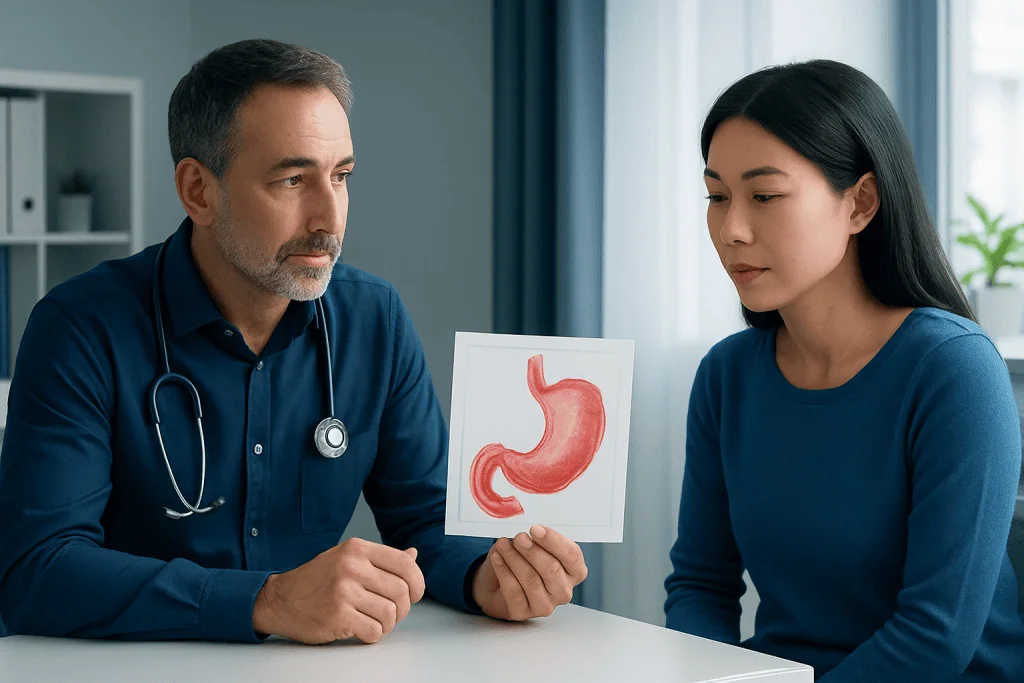
Stomach cancer develops when changes in the DNA of stomach cells allow them to grow and divide in an uncontrolled way. In many cases, there is no single cause. Instead, several long-term influences may contribute to changes in the stomach lining, including infection, inflammation, diet, smoking, genetics, and age-related factors.
One of the most important risk factors is infection with Helicobacter pylori, a common bacterium that can live in the stomach lining. In some people, long-term infection may cause chronic gastritis, ulcers, and precancerous changes. Treating H. pylori can reduce inflammation and may lower future risk in selected patients, especially when infection is found before advanced changes occur.
Other risk factors can include a family history of stomach cancer, previous stomach surgery, certain inherited cancer syndromes, smoking, heavy alcohol use, obesity, and diets high in salted, pickled, or smoked foods. A diet low in fresh fruits and vegetables may also be associated with higher risk. People with pernicious anemia, chronic atrophic gastritis, or intestinal metaplasia may need more careful follow-up depending on their medical history.
Risk does not mean certainty. Many people with risk factors never develop stomach cancer, and some people diagnosed with the disease have no obvious risk factors. A doctor can help assess personal risk and decide whether testing, H. pylori treatment, or surveillance endoscopy is appropriate.
Diagnosis and Staging
The main test used to diagnose stomach cancer is upper endoscopy, also called gastroscopy. During this procedure, a thin flexible tube with a camera is passed through the mouth into the esophagus, stomach, and upper small intestine. If the doctor sees an abnormal area, small tissue samples are taken. This biopsy is examined by a pathologist to confirm whether cancer cells are present.
Once cancer is confirmed, additional tests help determine the stage, meaning how far the disease has spread. Staging guides treatment decisions. Tests may include blood tests, CT scans, endoscopic ultrasound, PET-CT in selected cases, and sometimes diagnostic laparoscopy, a minimally invasive procedure used to look for small areas of spread in the abdomen.
Doctors evaluate the tumor location, depth of invasion, lymph node involvement, and whether cancer has spread to distant organs. This information is often described using the TNM system: tumor, nodes, and metastasis. Accurate staging is important because early cancers may be treated differently from locally advanced or metastatic cancers.
Diagnosis can feel overwhelming, but it is usually a step-by-step process. Patients may meet with gastroenterologists, surgeons, medical oncologists, radiation oncologists, radiologists, pathologists, dietitians, and oncology nurses. This team-based approach helps build a treatment plan based on the disease stage, overall health, preferences, and treatment goals.
Treatment Options
Treatment for stomach cancer is individualized. The best approach depends on the cancer stage, tumor location, tissue type, molecular test results, and the patient’s overall health. Some people receive one treatment, while others need a combination. The aim may be cure, long-term disease control, symptom relief, or quality-of-life support, depending on the situation.
Surgery is often the main treatment for early and some locally advanced stomach cancers. The operation may remove part of the stomach, called subtotal gastrectomy, or the entire stomach, called total gastrectomy. Nearby lymph nodes are usually removed and examined. In very early tumors limited to the inner lining, endoscopic removal may be possible in carefully selected cases.
Chemotherapy may be given before surgery, after surgery, or both, to shrink the tumor and reduce the risk of recurrence. Radiation therapy may be used in selected patients, often together with chemotherapy, particularly when there is concern about local recurrence or when surgery is not possible. Supportive medicines and nutrition care are important during treatment to help manage side effects.
Modern treatment may also include targeted therapy or immunotherapy for certain tumors. These options depend on laboratory testing for markers such as HER2, PD-L1, MSI status, or other molecular features. Not every patient is eligible for these treatments, but when appropriate, they may be part of a personalized oncology plan.
Nutrition, Recovery, and Self-Care
Nutrition is an important part of stomach cancer care. The disease itself and its treatments can affect appetite, digestion, swallowing, and weight. A dietitian can help patients choose foods that are easier to tolerate and provide enough protein, calories, vitamins, and fluids. Small, frequent meals are often more comfortable than large meals.
After partial or total stomach surgery, eating habits usually need to change. Patients may need to eat slowly, chew well, separate liquids from meals, and avoid foods that trigger discomfort. Some people experience dumping syndrome, a group of symptoms such as cramping, diarrhea, dizziness, or rapid heartbeat after eating, especially after sugary meals. Nutrition guidance can help reduce these symptoms.
Self-care measures that may support treatment and recovery include:
- Following the medical team’s nutrition plan and reporting ongoing weight loss
- Staying physically active as tolerated, with medical approval
- Avoiding tobacco and limiting alcohol
- Taking prescribed supplements, such as vitamin B12 or iron, when recommended
- Keeping follow-up appointments and reporting new symptoms early
Emotional support is also part of care. Patients may benefit from counseling, support groups, family education, or psycho-oncology services. Managing stress, sleep, and practical concerns can help patients and families cope throughout treatment.
Prevention, Follow-Up, and When to See a Doctor
Not all stomach cancers can be prevented, but some risk-reducing steps may help. Testing and treating H. pylori infection may be recommended for certain people, especially those with ulcers, chronic gastritis, family history, or other risk factors. A balanced diet rich in fruits, vegetables, whole grains, and lean proteins, along with reduced intake of heavily salted, smoked, and processed foods, may support stomach health.
People should seek medical advice if digestive symptoms are persistent, unusual, or worsening. A doctor should evaluate unexplained weight loss, ongoing vomiting, difficulty swallowing, black stools, anemia, persistent upper abdominal pain, or loss of appetite. Earlier evaluation can identify treatable conditions and, when cancer is present, may allow more timely care.
After treatment, follow-up visits help monitor recovery, nutrition, blood counts, vitamin levels, and signs of recurrence. Follow-up plans vary depending on treatment type and cancer stage. Patients should ask their care team which symptoms to report, what tests are needed, and how often appointments should be scheduled.
For international patients seeking evaluation or treatment, Acibadem International provides multidisciplinary assessment in JCI-accredited hospitals, including gastroenterology, oncology, surgery, imaging, pathology, and supportive care services. Patients should always discuss diagnostic and treatment choices with qualified specialists who understand their full medical history.
Frequently asked questions
What is the difference between stomach cancer and gastric cancer?
There is no difference in most medical use. Stomach cancer and gastric cancer refer to cancer that begins in the stomach. Doctors may use more specific terms depending on the tumor type and exact location.
Can stomach cancer be cured if found early?
Early stomach cancer may be curable, especially when it is limited to the inner lining or has not spread to lymph nodes or distant organs. Treatment may involve endoscopic removal or surgery, sometimes with additional therapy. The outlook depends on stage, tumor features, overall health, and response to treatment.
Are stomach cancer symptoms different from acid reflux or gastritis?
They can overlap. Indigestion, upper abdominal discomfort, nausea, and bloating may occur with reflux, gastritis, ulcers, or stomach cancer. Symptoms that persist, worsen, or occur with weight loss, anemia, vomiting, swallowing difficulty, or black stools should be assessed by a doctor.
How is stomach cancer diagnosed?
The main diagnostic test is upper endoscopy with biopsy. During endoscopy, the doctor examines the stomach lining and takes tissue samples from suspicious areas. Imaging tests and other procedures may then be used to determine the stage and plan treatment.
Does Helicobacter pylori always cause stomach cancer?
No. Many people with H. pylori infection never develop stomach cancer. However, long-term infection can increase the risk by causing chronic inflammation and changes in the stomach lining, so testing and treatment may be recommended in certain situations.
What treatments are used for advanced stomach cancer?
Advanced stomach cancer may be treated with chemotherapy, targeted therapy, immunotherapy, radiation therapy, or procedures to relieve symptoms. Surgery may be used in selected cases, but it is not always appropriate when cancer has spread. The treatment plan is based on cancer biology, stage, symptoms, and the patient’s overall condition.
What should a person eat during stomach cancer treatment?
Diet should be individualized because appetite, digestion, and tolerance can change during treatment. Many patients do better with small, frequent meals that include protein-rich foods and adequate fluids. A dietitian can help manage weight loss, nausea, swallowing problems, or changes after stomach surgery.
References
- World Health Organization
- National Cancer Institute
- American Cancer Society
- European Society for Medical Oncology
- National Comprehensive Cancer Network
This article is for general information only and is not a substitute for professional medical advice. Please consult a qualified doctor about your individual situation.
Stomach Cancer in Turkey — costs, top hospitals & a free quote
JCI-accredited · board-certified surgeons · reply within 24h
Add us as a Preferred Source to see more of our trusted health content across Google Search, AI Overviews and Discover.