Strawberry Legs: What Patients Need to Know

Strawberry legs are usually a cosmetic skin concern rather than a dangerous condition. Common causes include clogged pores, shaving irritation, dry skin, keratosis pilaris, and folliculitis.
Key Takeaways
- Strawberry legs are usually a cosmetic skin concern rather than a dangerous condition.
- Common causes include clogged pores, shaving irritation, dry skin, keratosis pilaris, and folliculitis.
- Gentle exfoliation, regular moisturizing, and careful hair removal can help reduce the appearance.
- A dermatologist may recommend medicated creams or further evaluation if symptoms persist or become inflamed.
- Medical care is important if there is pain, pus, spreading redness, or repeated skin infections.
Strawberry legs describe a common skin appearance in which small dark dots make the legs look speckled, similar to the surface of a strawberry. It is usually related to clogged pores, shaving irritation, dry skin, or inflammation around hair follicles, and it often improves with simple skin-care measures and treatment of any underlying skin condition.
Overview: what strawberry legs means
Strawberry legs are the appearance of tiny dark spots or enlarged pores on the legs that resemble the dotted surface of a strawberry. These dots are usually hair follicles or pores that contain oil, dead skin, trapped hairs, or oxidized debris. In many people, the appearance becomes more noticeable after shaving, when dry skin is present, or when the skin is naturally prone to follicle blockage.
This term is not a formal medical diagnosis. Instead, it describes a visible skin pattern that may happen for several different reasons. The most common explanations include clogged pores, irritation from hair removal, keratosis pilaris, and mild folliculitis. Sometimes the bumps are flat and mainly cosmetic, while in other cases they may be rough, slightly raised, or associated with redness.
Although strawberry legs can be frustrating, they are usually manageable. The key is to identify what is driving the skin changes and then use targeted self-care or medical treatment when needed. If the appearance is linked to an underlying skin disorder such as keratosis pilaris or recurring inflammation such as folliculitis, treating that condition often improves the overall texture and look of the legs.
How strawberry legs look and feel
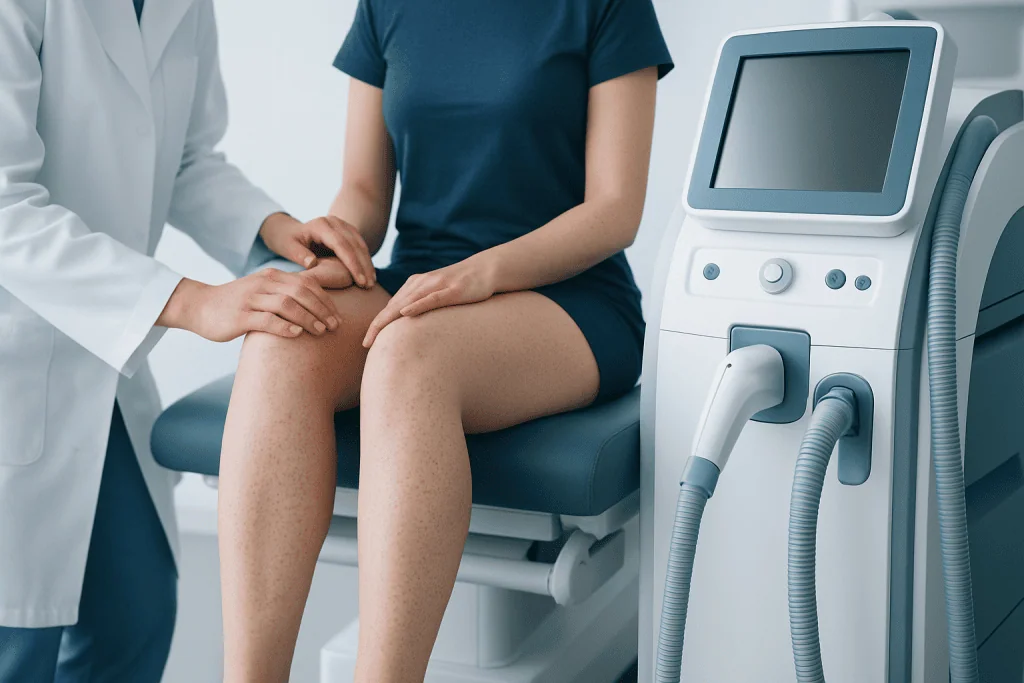
The typical sign is a pattern of small dark dots on the legs, especially the lower legs, thighs, or areas that are shaved frequently. Some people also notice visible pores, rough patches, mild bumps, or a dull skin texture. The dots may look black, brown, or reddish depending on skin tone and the underlying cause.
Strawberry legs do not always cause discomfort. However, when the skin barrier is irritated, there may be dryness, itching, tenderness after shaving, or a burning sensation when products are applied. If ingrown hairs or folliculitis are involved, the spots can become more raised, inflamed, or pimple-like.
Features that may accompany strawberry legs include:
- Visible pores or hair follicles
- Dry, flaky, or rough skin
- Small bumps around follicles
- Darkening after shaving
- Ingrown hairs
- Mild redness or irritation
Because the appearance can overlap with other common skin issues, it helps to look at the pattern over time. For example, symptoms that worsen after shaving may suggest irritation or ingrown hairs, while evenly distributed rough bumps can point more toward keratosis pilaris.
Why strawberry legs happen

Several skin processes can create the dotted appearance called strawberry legs. One of the most common is clogging of the hair follicle opening with oil, dead skin cells, and surface debris. When this material is exposed to air, it can darken, making the pore more visible. Dry skin can worsen this by making pores and roughness stand out more clearly.
Hair removal is another frequent factor. Shaving can leave behind short hairs within the follicle, cause minor irritation, or contribute to ingrown hairs. A dull razor, shaving without enough lubrication, or shaving dry skin can all increase friction and make the follicle openings more noticeable afterward.
Some people have an underlying skin condition that contributes to the appearance. Keratosis pilaris causes keratin to build up in the hair follicles, creating tiny rough bumps. Folliculitis involves inflammation of the follicles, often from irritation, bacteria, friction, or sweating. In some cases, dry skin conditions or eczema-like irritation can also make the legs appear speckled and uneven.
Risk factors can include:
- Dry or sensitive skin
- Frequent shaving or waxing
- Using dull razors
- Tight clothing and friction
- A tendency toward ingrown hairs
- Keratosis pilaris or recurrent folliculitis
How doctors identify the cause
Strawberry legs are usually identified by a skin examination and a discussion of symptoms and skin-care habits. A doctor will often ask when the spots appear, whether shaving makes them worse, whether there is itching or pain, and what products are used on the legs. This history can help distinguish between dry skin, clogged follicles, ingrown hairs, or inflammation.
In most cases, no special test is needed. A dermatologist can often recognize common causes by looking at the skin pattern, checking whether bumps are centered around hair follicles, and noting whether there are signs of infection or chronic inflammation. If the skin is very inflamed, recurrently infected, or not responding to routine care, further evaluation may be recommended.
The main goal of diagnosis is not only to confirm the dotted appearance, but also to find the most useful treatment approach. For example, rough noninfected bumps may respond best to moisturizers and exfoliating ingredients, while painful or pus-filled lesions may need treatment for folliculitis. If a broader skin assessment is needed, a specialist in dermatology evaluation and care can help guide next steps.
Treatment options that may help
Treatment depends on the cause. For many people, the first step is improving the skin barrier and reducing blockage around the follicles. This often means using a gentle cleanser, applying moisturizer daily, and choosing products that soften rough skin. Creams or lotions containing ingredients such as lactic acid, salicylic acid, glycolic acid, or urea may be recommended to help loosen dead skin and smooth the follicle openings.
If shaving is a major trigger, changing technique can make a clear difference. A clean, sharp razor, shaving gel or cream, and shaving in the direction of hair growth may reduce irritation. Some patients benefit from shaving less often or switching to another method of hair reduction if repeated razor bumps or ingrown hairs are present. In selected cases, longer-term laser hair removal may help reduce recurrent follicle irritation related to hair growth.
When inflammation is present, a doctor may recommend medicated treatment. This can include topical products to reduce follicle plugging, calm inflammation, or treat infection if folliculitis is suspected. People with persistent rough bumps due to keratosis pilaris may need a regular routine over several weeks or months before texture noticeably improves.
If the skin becomes very irritated, it is usually best to avoid harsh scrubs and aggressive picking. These can worsen redness and lead to post-inflammatory marks. For persistent discoloration, recurrent ingrown hairs, or repeated flare-ups, a personalized skin treatment plan can be more effective than trying many over-the-counter products at once.
Daily skin care and prevention
Prevention focuses on reducing follicle blockage, minimizing irritation, and keeping the skin hydrated. Daily moisturizing is one of the most helpful habits, especially after bathing. Thick creams or fragrance-free lotions can support the skin barrier and make rough pores less visible over time.
Gentle exfoliation can also help, but it should be done carefully. Chemical exfoliants in moisturizers or body lotions are often better tolerated than rough scrubs. Over-exfoliating can damage the skin barrier and make the legs look more inflamed, so a gradual approach is usually safest.
Helpful self-care habits include:
- Use lukewarm rather than very hot water for bathing
- Moisturize soon after showering
- Choose fragrance-free products if skin is sensitive
- Use a sharp, clean razor and replace it regularly
- Shave with lubrication rather than on dry skin
- Avoid picking at bumps or ingrown hairs
- Wear breathable clothing to reduce friction and sweating
Some people also find that managing the broader skin environment helps. For example, if the legs are very dry or there is associated irritation, a clinician may advise a tailored skin-care routine or, when relevant, treatment for eczema-related skin barrier problems. Consistency matters more than intensity: small daily changes often work better than occasional harsh treatments.
When to seek medical care
Medical care is a good idea if strawberry legs are persistent, spreading, or causing significant discomfort. A doctor should also evaluate the skin if there are painful bumps, pus, warmth, swelling, or repeated ingrown hairs, as these features can suggest inflammation or infection rather than simple clogged pores.
It is also reasonable to seek help if self-care measures have not improved the skin after several weeks, or if the appearance is affecting confidence and quality of life. People with very sensitive skin, eczema, or a history of recurrent folliculitis may need a more individualized plan to avoid ongoing irritation.
Patients should seek prompt medical attention for rapidly worsening redness, fever, severe tenderness, or signs of a skin infection. Near the end of the care pathway, if specialist assessment is needed, Acibadem International’s multidisciplinary specialists at JCI-accredited hospitals diagnose and treat skin conditions for international patients.
Frequently asked questions
Are strawberry legs dangerous?
Strawberry legs are usually not dangerous. In most cases, they are related to clogged pores, dry skin, shaving irritation, or mild inflammation around hair follicles. However, if there is pain, pus, or spreading redness, a doctor should check for infection or another skin condition.
Can shaving cause strawberry legs?
Yes, shaving is a common trigger. It can make pores more visible, irritate the skin, and increase the chance of ingrown hairs, especially if a dull razor or dry shaving is involved. Improving shaving technique often helps reduce the appearance.
Is strawberry legs the same as keratosis pilaris?
Not exactly. Strawberry legs is a descriptive term for dark, dotted pores on the legs, while keratosis pilaris is a specific skin condition that causes rough bumps from keratin buildup in follicles. Keratosis pilaris can be one of the reasons strawberry legs develop.
How long does it take to improve strawberry legs?
Improvement often takes several weeks of consistent skin care. Moisturizing, gentle exfoliation, and reducing shaving irritation may gradually smooth the skin and make dots less visible. If there is no progress, a dermatologist can suggest more targeted treatment.
What products may help with strawberry legs?
Products that support the skin barrier and gently exfoliate are often useful. Moisturizers with ingredients such as urea, lactic acid, glycolic acid, or salicylic acid may help loosen dead skin and soften rough follicles. Sensitive skin usually does best with fragrance-free formulas and gradual use.
Can strawberry legs go away completely?
In some people, the appearance improves greatly and becomes barely noticeable. In others, especially those with dry skin, keratosis pilaris, or frequent hair removal, it may come and go over time. Ongoing skin care is often needed to keep the legs smoother.
This article is for general information only and is not a substitute for professional medical advice. Please consult a qualified doctor about your individual situation.
Hair transplant in Turkey — costs, graft counts & a free assessment
JCI-accredited · board-certified surgeons · reply within 24h
Add us as a Preferred Source to see more of our trusted health content across Google Search, AI Overviews and Discover.

More from the Health Library

Triglycerides High: What Patients Need to Know

104 Fever: An Evidence-Based Guide for Patients

Scopophobia: Symptoms, Causes, and Treatment — Complete Patient Guide
Microneedling with Prp: A Complete Medical Overview

Hair Growth Serum: What Patients Need to Know