Strength Training Cellulite: A Complete Medical Overview
Cellulite is common and is not a sign of poor health. Strength training may make cellulite less visible by increasing muscle tone under the skin.
Key Takeaways
- Cellulite is common and is not a sign of poor health.
- Strength training may make cellulite less visible by increasing muscle tone under the skin.
- Exercise alone usually does not remove cellulite completely because connective tissue and skin structure also play a role.
- Best results often come from combining resistance exercise with nutrition, hydration, weight stability, and realistic expectations.
- Medical evaluation is helpful if skin changes are sudden, painful, one-sided, or linked to swelling.
Strength training cellulite concerns are common, and the short answer is that resistance exercise can improve how cellulite looks in some people by building muscle and changing body composition. It does not erase cellulite completely, but it can be a helpful part of a broader skin, lifestyle, and medical care plan.
Overview: Can Strength Training Help Cellulite?
Strength training cellulite questions usually come down to one practical concern: can exercise smooth dimpling of the skin? In many cases, strength training can help cellulite look less noticeable by building the muscles underneath the skin and supporting healthy body composition. However, cellulite forms because of several factors, including connective tissue structure, skin thickness, body fat distribution, hormones, and genetics, so exercise is helpful but not a complete cure.
Cellulite most often appears on the thighs, hips, buttocks, and sometimes the abdomen. It is very common in women, although men can have it too. It is not dangerous, and it does not mean a person is unhealthy or overweight. Even lean and active people can develop cellulite because body shape and skin structure matter as much as body weight.
A useful way to think about cellulite is that strength training changes the “background” under the skin rather than the skin’s fibrous bands themselves. By improving muscle tone and reducing excess body fat in some people, the skin surface may appear firmer. This is why resistance exercise is often recommended as one part of a sensible plan, alongside skin care, weight stability, and when appropriate, medical treatments for cellulite.
How Cellulite Forms in the Body
Cellulite develops when fat beneath the skin pushes upward while fibrous connective tissue bands pull downward. This creates the uneven, dimpled surface that people often describe as “orange peel” or “cottage cheese” skin. The effect becomes more visible depending on skin thickness, elasticity, hydration, and how fat and muscle are distributed in that area.
Women tend to develop cellulite more often because the connective tissue under female skin is arranged differently than in male skin. Hormonal influences, especially estrogen-related changes, may also affect fat storage, circulation, and connective tissue. With age, the skin can become thinner and less elastic, which may make cellulite easier to see.
Cellulite is not the same as swelling, infection, or inflammatory skin disease. It is also different from simple body fat. A person can lose weight and still have cellulite, or gain muscle and still notice dimpling. Understanding this helps set realistic expectations and can prevent frustration when lifestyle changes improve body composition but do not completely remove the skin texture change.
Why Strength Training May Improve Appearance
Strength training may help cellulite appear less prominent because stronger, fuller muscles can provide a firmer base under the skin. Exercises that target the glutes, thighs, hamstrings, and core may be especially relevant for the areas where cellulite is most common. Over time, improved muscle definition can make the skin surface look smoother in some people.
Resistance exercise may also support long-term body composition changes. When combined with regular activity and balanced nutrition, it can help reduce excess body fat while preserving or increasing lean muscle mass. This may improve the contrast between the skin and the tissues beneath it, although the degree of visible change differs from person to person.
It is important to know what strength training cannot do. It does not directly cut or release the fibrous bands that create dimpling, and it does not change genetics or completely reverse age-related skin changes. For that reason, the result is often improvement rather than disappearance. Some people who want more targeted cosmetic care may ask a specialist about options used in medical aesthetics.
A balanced routine usually works better than focusing on one exercise alone. Squats, lunges, step-ups, deadlift variations, glute bridges, and resistance band work can all contribute to lower-body strength. Progress should be gradual, safe, and adapted to a person’s fitness level, mobility, and any joint or spine concerns.
Other Factors That Influence Results
The response to strength training depends on more than the workout itself. Genetics strongly affect how and where cellulite appears, and some people see only modest changes even with consistent exercise. Hormonal shifts, aging, smoking, and long periods of inactivity can also influence skin quality and circulation.
Body weight changes may matter, but extremes are not usually helpful. Rapid weight gain can make cellulite more visible in some people, while repeated crash dieting may reduce skin firmness and create fluctuating results. A steady, sustainable approach that supports muscle building and weight stability is usually more realistic than aggressive short-term programs.
Nutrition, hydration, sleep, and general cardiovascular fitness may also affect the overall appearance of the skin. Adequate protein intake supports muscle development, while fruits, vegetables, and whole foods contribute to general tissue health. Hydration does not remove cellulite, but well-hydrated skin may look healthier and less dry, which can subtly improve texture.
Posture and edema can play a role as well. Temporary fluid retention may make skin dimpling appear more obvious on some days. This is one reason cellulite can seem to change with the menstrual cycle, prolonged sitting, heat, travel, or salt intake, even when body fat has not changed.
Exercise Plans and Self-care Strategies
A practical plan for strength training cellulite concerns usually includes two or three full-body resistance sessions each week, with extra attention to the hips, thighs, and gluteal muscles. The goal is progressive training over time rather than high intensity at the start. Good technique, recovery days, and gradual increases in resistance are important for safety and consistency.
Adding aerobic activity can support circulation, heart health, and body composition. Walking, cycling, swimming, or low-impact interval training may complement resistance exercise well. Stretching and mobility work can improve comfort and function, although they do not specifically treat cellulite.
Some people combine exercise with skin-focused approaches such as massage, topical moisturizers, or professionally guided body contouring. These methods may offer temporary cosmetic improvement for some individuals, but benefits vary and are often limited. For broader body composition concerns, a doctor may discuss structured support related to weight management when appropriate.
Self-care also includes setting realistic expectations. Photographs online are often edited, filtered, or taken under very specific lighting. Comparing normal skin to idealized images can make a common cosmetic concern feel more serious than it is. A measured, health-focused approach is usually more helpful than trying to eliminate every visible dimple.
Medical Treatments and Professional Evaluation
When cellulite remains bothersome despite lifestyle changes, medical assessment can help identify suitable options. A clinician may examine the skin, ask about weight changes, family history, hormone-related factors, and review whether another condition could be contributing to the appearance. Most cases are straightforward, but expert review is useful if there is uncertainty.
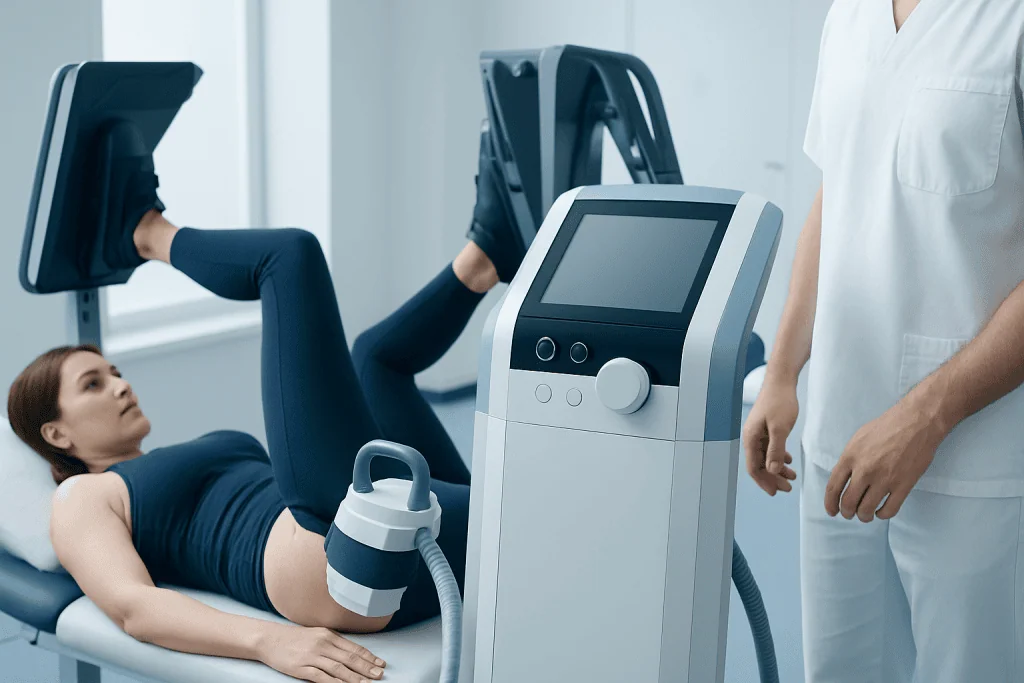
Professional options may include energy-based treatments, subcision-type procedures that target fibrous bands, and other body contouring techniques. These treatments vary in how long results last, how many sessions are needed, and who may benefit most. They are intended to improve appearance, not treat a dangerous disease.
If a person also has loose skin, localized fat deposits, or body contour changes after weight loss or pregnancy, a physician may discuss whether body contouring procedures are relevant. The best approach depends on skin quality, the amount of dimpling, body goals, and overall health. A tailored consultation is important because no single treatment suits everyone.
Near the end of the care pathway, some international patients prefer multidisciplinary assessment in centers that combine dermatology, plastic surgery, rehabilitation, and nutrition guidance. Acibadem International’s multidisciplinary specialists and JCI-accredited hospitals diagnose and treat this condition for international patients when medical evaluation or treatment planning is needed.
When to Seek Medical Care
Cellulite itself is usually harmless, but medical advice is appropriate when skin changes are unusual. A person should seek professional care if dimpling appears suddenly, affects only one area, becomes painful, or is accompanied by redness, warmth, bruising, or swelling. These features may suggest a different issue that needs evaluation.
It is also wise to consult a doctor if there is significant swelling in the legs, persistent tenderness, numbness, a new lump, or major skin color changes. In these situations, the concern may not be cellulite at all. Conditions involving veins, lymphatic drainage, connective tissue, or inflammation can sometimes mimic cosmetic skin irregularity.
People who are starting a new strength program may also benefit from medical advice if they have heart disease, uncontrolled high blood pressure, recent surgery, severe obesity, joint problems, or chronic pain. Exercise plans can usually be adapted safely, but professional guidance helps prevent injury and supports realistic goals.
Frequently asked questions
Can strength training get rid of cellulite completely?
No. Strength training can help cellulite look less noticeable by building muscle and improving body composition, but it does not usually remove cellulite completely. Connective tissue structure, skin thickness, hormones, and genetics still play a major role.
Which exercises are best for cellulite on the thighs and buttocks?
Exercises that strengthen the glutes and legs are often most useful, such as squats, lunges, step-ups, glute bridges, and deadlift variations. The exact program should match a person's fitness level and any medical limitations. Consistency matters more than choosing one perfect exercise.
How long does it take to notice a difference?
Visible changes usually take time because muscle development and body composition changes happen gradually. Some people notice improvement within several weeks, while others may need a few months of consistent training. Results vary widely depending on genetics, starting fitness, and overall lifestyle.
Does losing weight always improve cellulite?
Not always. In some people, reducing excess body fat makes cellulite less noticeable, but others still see dimpling because cellulite is also linked to connective tissue and skin structure. Rapid weight loss can sometimes leave the skin looking looser, which may make texture changes more visible.
Is cellulite a medical problem?
Usually, no. Cellulite is generally a common cosmetic skin change and is not a sign of poor health. A doctor should be consulted if the area is painful, swollen, red, warm, or changes suddenly.
Are creams or massage better than exercise for cellulite?
Creams and massage may offer temporary or modest cosmetic improvement for some people, but results are often limited. Exercise supports general health and may improve the skin's appearance by increasing muscle tone, though it is not a direct cure. Many people benefit from combining healthy habits with realistic expectations.
References
- American Academy of Dermatology
- Mayo Clinic
- National Institutes of Health
- Cleveland Clinic
- American College of Sports Medicine
This article is for general information only and is not a substitute for professional medical advice. Please consult a qualified doctor about your individual situation.
Explore treatments in Turkey — costs, top hospitals & a free quote
JCI-accredited · board-certified surgeons · reply within 24h
Add us as a Preferred Source to see more of our trusted health content across Google Search, AI Overviews and Discover.
Check your numbers in seconds
BMI, calories, due date, blood pressure and 30+ more clinical calculators — free, instant, doctor-reviewed ranges.

More from the Health Library

Bike Health: An Evidence-Based Guide for Patients

Misophonia: A Complete Medical Overview

Vardenafil: An Evidence-Based Guide for Patients

Auditory Nerve: An Evidence-Based Guide for Patients

Cerebrospinal Fluid: What Patients Need to Know