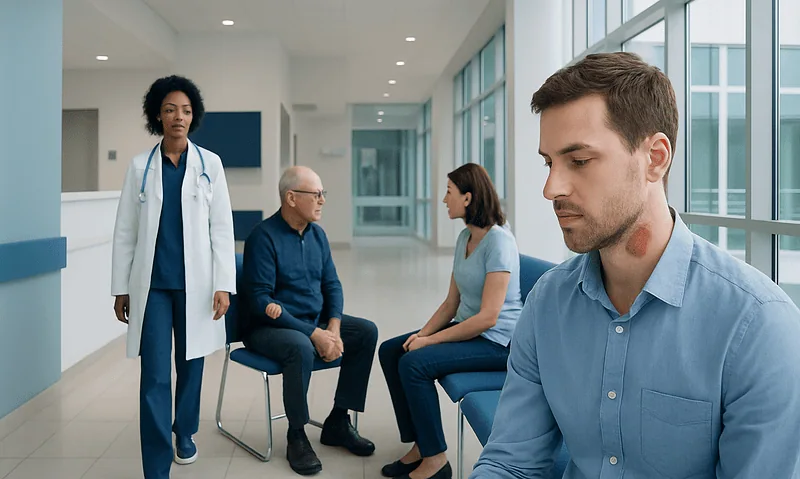
Stroke Like Symptoms: Common Causes, Related Conditions, and When to See a Doctor

Stroke like symptoms can signal a stroke or another urgent condition. Sudden face, arm, speech, vision, or balance changes need emergency care.
Key Takeaways
- Sudden weakness, facial drooping, speech difficulty, vision loss, or severe imbalance may indicate a stroke.
- Some conditions can resemble a stroke, including migraine, seizures, low blood sugar, and certain infections.
- Symptoms that improve quickly can still be serious, as a TIA may be a warning sign of a future stroke.
- Emergency assessment is needed even if symptoms are mild, intermittent, or have resolved.
- Prompt diagnosis can help clinicians identify the cause and begin appropriate treatment.
Stroke like symptoms are sudden changes in movement, speech, vision, sensation, balance, or thinking that may be caused by a stroke, a transient ischemic attack (TIA), or another medical condition. Because it is not possible to tell the cause safely at home, sudden symptoms should be treated as an emergency.
Overview: What Are Stroke Like Symptoms?
Stroke like symptoms are sudden neurological changes that can affect a person’s face, arm, leg, speech, vision, coordination, sensation, or awareness. They may occur when blood flow to part of the brain is blocked, as in an ischemic stroke, or when bleeding occurs in or around the brain, as in a hemorrhagic stroke. Both situations require urgent medical assessment.
Not every sudden neurological symptom is caused by a stroke. Several conditions, often called stroke mimics, can produce similar changes. However, it is not safe to assume that symptoms are due to a less serious cause, especially when they start suddenly. Emergency clinicians use the person’s history, examination, blood tests, and brain imaging to determine the cause.
A transient ischemic attack, or TIA, can also produce stroke-like symptoms. A TIA happens when blood flow to part of the brain is briefly interrupted. Symptoms may resolve within minutes or hours, but a TIA is still an important warning sign and needs urgent evaluation.
Signs That Need Immediate Attention
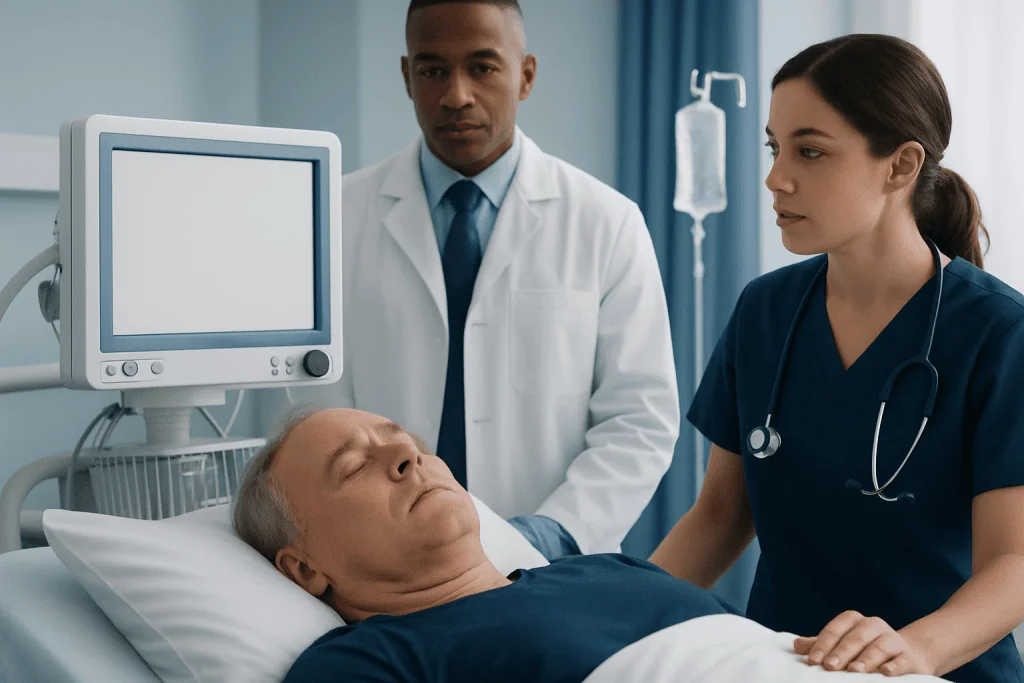
Stroke symptoms usually begin suddenly. A useful way to recognize common warning signs is to notice new changes in the face, arms, speech, and time to act. A face may look uneven when the person smiles, one arm may drift downward when both arms are raised, or speech may become slurred, confused, difficult to understand, or difficult to produce.
Other possible symptoms include sudden numbness or weakness on one side of the body; loss of vision, double vision, or a curtain-like shadow over one eye; new trouble walking; severe dizziness with loss of balance; confusion; or a sudden, unusually intense headache. Symptoms may be painless and may not look dramatic, particularly in older adults or people with communication difficulties.
- Sudden facial drooping or numbness
- New weakness or loss of coordination in an arm or leg
- New difficulty speaking, understanding, reading, or finding words
- Sudden vision changes in one or both eyes
- New severe imbalance, dizziness, or trouble walking
- A sudden severe headache, especially with vomiting, drowsiness, or neck stiffness
Even if the symptoms improve before help arrives, emergency assessment remains important. The time when the person was last known to be well should be noted, because it can guide medical decisions.
Common Causes and Conditions That Can Resemble Stroke
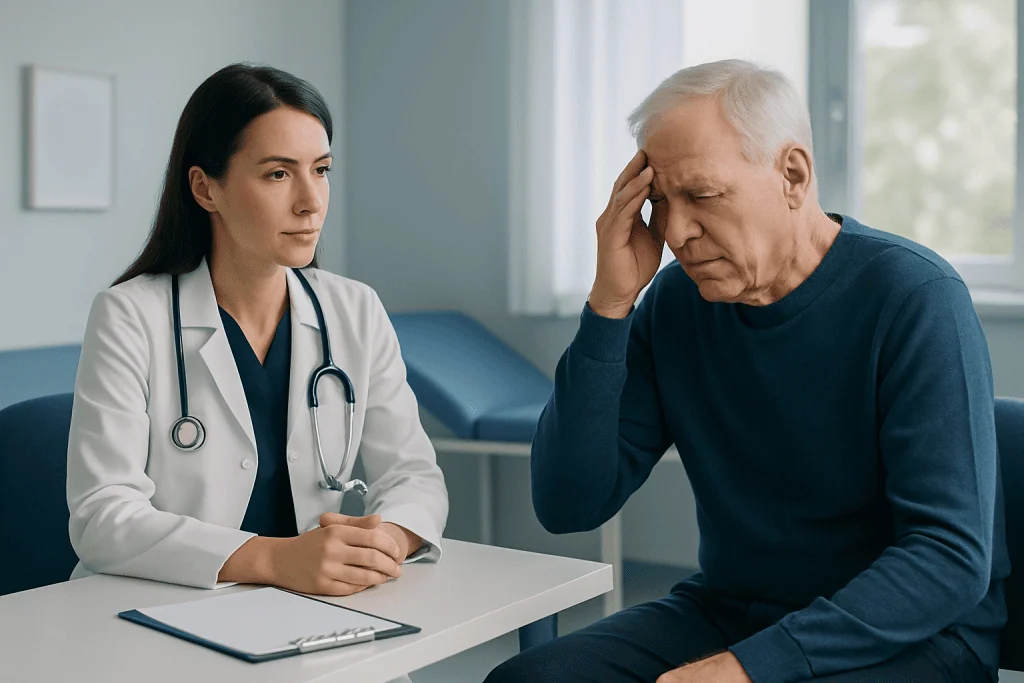
Stroke is an important cause of sudden neurological symptoms, but it is not the only one. An ischemic stroke is caused by an obstruction in a blood vessel supplying the brain. A hemorrhagic stroke occurs when a blood vessel bleeds. Both can cause weakness, speech difficulties, vision changes, or altered awareness, although the pattern varies depending on the area of the brain involved.
A TIA causes temporary neurological symptoms without lasting evidence of brain injury on imaging, but it should never be dismissed. It may indicate an increased short-term risk of stroke and can lead to investigations for causes such as narrowing of the neck arteries, heart rhythm disorders, or clotting problems. Readers can learn more about stroke and its medical assessment where this resource is available.
Stroke mimics include migraine with aura, which can cause visual symptoms, tingling, speech difficulty, or weakness; seizures, which may be followed by temporary weakness or confusion; and low blood sugar, particularly in people using insulin or some diabetes medicines. Inner-ear disorders can cause dizziness, while infections, medication effects, dehydration, and metabolic disturbances may affect alertness or balance.
Some mimics are also urgent conditions. For example, brain infections, severe electrolyte abnormalities, head injuries, and certain heart rhythm problems need prompt medical care. The safest response to a sudden new neurological change is to seek emergency help rather than trying to identify the cause at home.
Risk Factors That Make Stroke More Likely
Anyone can have a stroke, including younger adults, but the likelihood increases with age and with certain health conditions. High blood pressure is one of the most important modifiable risk factors. Diabetes, high cholesterol, smoking, obesity, physical inactivity, and heavy alcohol use can also contribute to damage in blood vessels over time.
Some heart conditions raise stroke risk because blood clots can form in the heart and travel to the brain. Atrial fibrillation is a common example. Previous stroke or TIA, narrowed carotid arteries, sleep apnea, kidney disease, and some clotting disorders may also be relevant. Pregnancy and the period soon after delivery can be associated with uncommon but important stroke-related risks.
Family history, inherited conditions, and certain inflammatory or autoimmune diseases can influence risk as well. These factors do not mean a stroke will occur, but they can help a clinician decide which preventive checks and treatments may be appropriate.
Importantly, a person with no known risk factors can still develop stroke-like symptoms. The symptoms themselves, especially their sudden onset, are more important than assumptions about age or overall health.
How Clinicians Find the Cause
In emergency care, the priority is to determine quickly whether a stroke or another time-sensitive condition is present. Clinicians ask when symptoms began or when the person was last seen without symptoms. They assess speech, strength, sensation, eye movements, coordination, walking when safe, and level of alertness.
Brain imaging, usually a CT scan and sometimes MRI, helps identify bleeding, signs of reduced blood flow, or other conditions affecting the brain. Blood tests may check glucose, blood counts, clotting, electrolytes, kidney function, and other factors. An electrocardiogram can help detect heart rhythm abnormalities such as atrial fibrillation.
Further tests may include imaging of the blood vessels in the head and neck, an ultrasound of the carotid arteries, heart imaging, or longer-term heart rhythm monitoring. The tests selected depend on the person’s symptoms, medical history, examination findings, and initial scan results.
Accurate diagnosis matters because treatments differ substantially. Medicines for low blood sugar, seizures, migraine, infection, or stroke are not interchangeable, and some treatments used for one cause may be inappropriate for another.
Treatment and Recovery Depend on the Diagnosis
Treatment for stroke-like symptoms begins with urgent stabilization and assessment. If a stroke is confirmed, the care plan depends on whether it is caused by a blockage or bleeding, the time of onset, imaging findings, and the person’s overall health. Some ischemic strokes may be treated with clot-dissolving medication or a catheter-based procedure to remove a clot when the person meets specific medical criteria.
Hemorrhagic stroke management may include careful blood pressure control, reversal of certain blood-thinning medicines, treatment of complications, and, in selected cases, neurosurgical or endovascular procedures. A TIA often leads to urgent prevention planning, such as addressing blood pressure, cholesterol, diabetes, heart rhythm disorders, or narrowed arteries.
When a stroke mimic is found, treatment focuses on that condition. For example, low blood sugar needs prompt correction and review of diabetes management, while migraine or seizure care may involve tailored medicines and follow-up. Rehabilitation can support recovery after stroke or persistent symptoms, including physiotherapy, occupational therapy, speech and language therapy, and psychological support.
Acibadem International’s multidisciplinary specialists and JCI-accredited hospitals evaluate and treat stroke and related neurological conditions for international patients, with care plans based on individual clinical findings.
When to Seek Medical Care
Call local emergency services immediately for any sudden new facial drooping, weakness, numbness, speech difficulty, vision loss, confusion, severe imbalance, fainting, or severe unusual headache. A person should not drive themselves to hospital. Emergency transport allows assessment and support on the way and may reduce delays in care.
It is especially important to seek emergency help when symptoms affect one side of the body, begin abruptly, occur after a head injury, or are accompanied by chest pain, shortness of breath, seizure activity, persistent vomiting, or reduced consciousness. Do not give food, drink, or medication unless advised by emergency professionals, since swallowing may be affected.
Symptoms that have completely disappeared still need same-day emergency assessment, as they may represent a TIA. For non-sudden symptoms that have developed gradually or recur over time, a doctor should still be consulted promptly to identify the cause and discuss appropriate testing.
Prevention and Practical Self-Care
Many strokes can be reduced through long-term management of vascular risk factors. Regular blood pressure checks, diabetes care, cholesterol management, smoking cessation, physical activity suited to the individual, balanced eating patterns, and maintaining a healthy weight all support blood vessel health. People with atrial fibrillation or other heart conditions should take prescribed treatment as directed and attend follow-up appointments.
People who have had a TIA or stroke may need a personalized prevention plan. This may involve antiplatelet or anticoagulant medicines, treatment for blood pressure or cholesterol, and assessment of blood vessels or heart rhythm. Medication changes should be made only with a clinician’s guidance.
It can be helpful for family members and caregivers to learn the main warning signs and to know local emergency numbers. Keeping an up-to-date list of medicines, allergies, and health conditions can also help emergency teams provide safe care. Prevention is valuable, but it should never delay emergency action if new stroke-like symptoms occur.
Frequently asked questions
Can stroke like symptoms go away on their own?
They can improve or disappear, particularly with a transient ischemic attack (TIA), but this does not make them safe to ignore. A TIA can be a warning sign of a future stroke and requires urgent medical assessment. Sudden symptoms should always be treated as an emergency.
How can a person tell whether symptoms are a stroke or a migraine?
It is often not possible to tell safely without medical assessment. Migraine can cause visual changes, tingling, speech problems, and occasionally weakness, but stroke can present similarly. New, sudden, or unusual symptoms should be assessed urgently, especially when there is weakness or speech difficulty.
Can anxiety cause stroke like symptoms?
Anxiety and panic can cause symptoms such as tingling, dizziness, chest discomfort, shaking, or a sense of unreality. However, anxiety should not be assumed to be the cause of sudden weakness, facial drooping, speech changes, or vision loss. Emergency assessment is needed to rule out stroke and other medical conditions.
What should someone do while waiting for emergency help?
The person should be kept safe and monitored, ideally lying or sitting comfortably if they are awake. Note the time symptoms started or when they were last known well, and do not give food, drink, or unprescribed medicines. If they become unresponsive or are not breathing normally, follow emergency dispatcher instructions.
Are stroke symptoms different in women?
Women commonly have the same key stroke symptoms as men, including facial drooping, arm weakness, speech difficulty, and sudden vision or balance changes. Some people may also experience nonspecific symptoms such as unusual fatigue, nausea, confusion, or headache. Any sudden neurological change should be treated urgently regardless of sex.
Can low blood sugar look like a stroke?
Yes. Low blood sugar can cause confusion, sweating, shaking, weakness, blurred vision, or unusual behavior, and it may resemble a stroke. In people with diabetes, clinicians may check blood glucose immediately, but stroke still needs to be considered if focal symptoms such as one-sided weakness or speech difficulty are present.
This article is for general information only and is not a substitute for professional medical advice. Please consult a qualified doctor about your individual situation.
Explore treatments in Turkey — costs, top hospitals & a free quote
JCI-accredited · board-certified surgeons · reply within 24h
Add us as a Preferred Source to see more of our trusted health content across Google Search, AI Overviews and Discover.
Check your numbers in seconds
BMI, calories, due date, blood pressure and 30+ more clinical calculators — free, instant, doctor-reviewed ranges.

Neurosurgery Specialists at Acibadem

More from the Health Library

Does Farting Burn Calories? Here Is What the Evidence Says

Does Coffee Have Calories? Here Is What the Evidence Says

Are Dates Good for You? A Doctor-Reviewed Answer

When Does the Penis Stop Growing? Causes, Explanations, and Next Steps
Colicky Pain: Common Causes, Related Conditions, and When to See a Doctor