Stroke Rehabilitation After Thrombectomy: What Recovery May Look Like
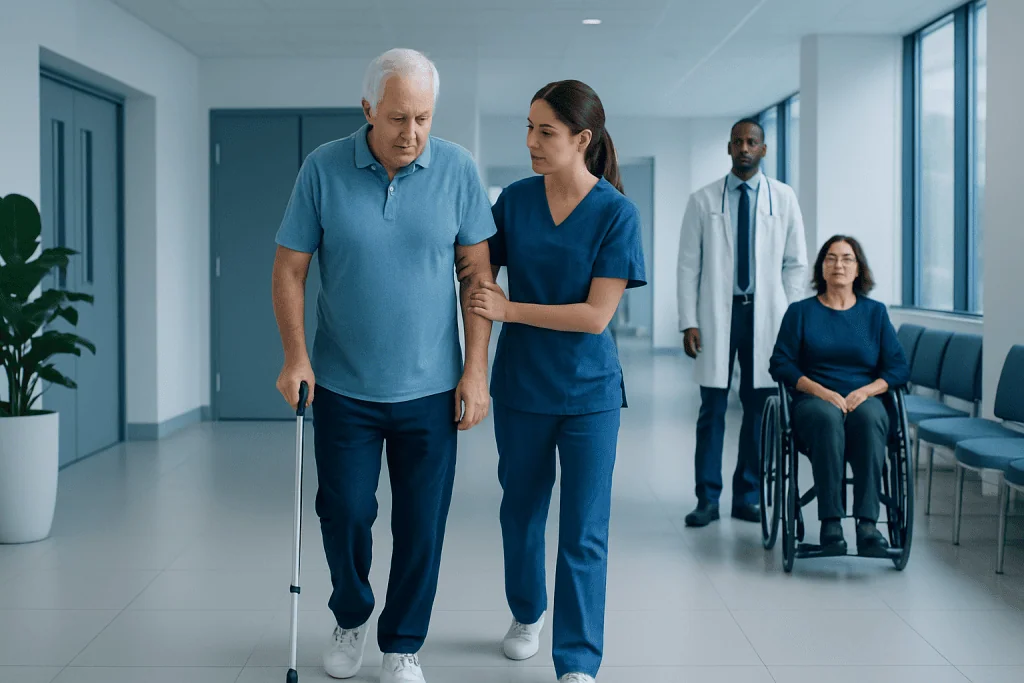
Recovery after thrombectomy is highly individual and depends on the stroke’s size, location, and how quickly blood flow was restored. Rehabilitation may include physical, occupational, speech, cognitive, and psychological therapies.
Key Takeaways
- Recovery after thrombectomy is highly individual and depends on the stroke’s size, location, and how quickly blood flow was restored.
- Rehabilitation may include physical, occupational, speech, cognitive, and psychological therapies.
- Improvement can continue for weeks, months, and sometimes longer with consistent therapy and practice.
- Preventing another stroke is an important part of long-term recovery and follow-up care.
- New or worsening neurological symptoms need urgent medical attention.
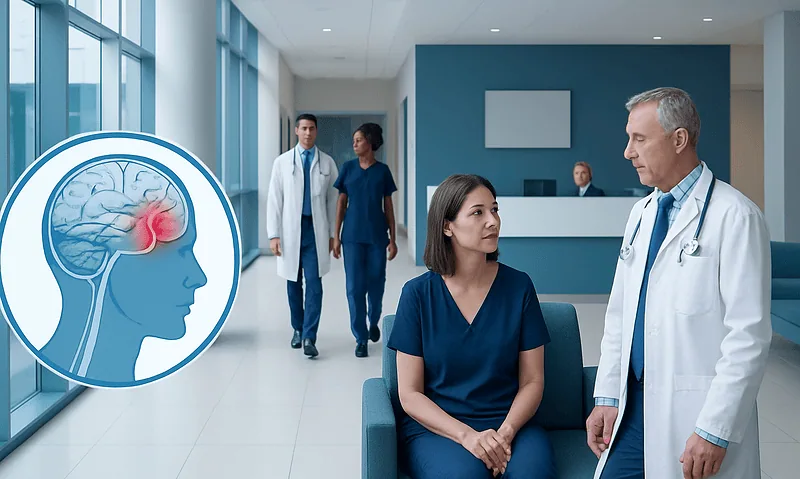
Stroke rehabilitation after thrombectomy focuses on helping the brain and body recover as much function as possible after a blocked blood vessel has been reopened. Recovery varies from person to person, but early therapy, regular follow-up, and steady support often play a central role.
Overview: What stroke rehabilitation after thrombectomy means
Stroke rehabilitation after thrombectomy is the process of helping a person recover abilities that may have been affected by an ischemic stroke. A thrombectomy is a procedure used to remove a blood clot from a blood vessel in the brain, with the aim of restoring blood flow as quickly as possible. Even when the procedure is successful, the brain may still need time and support to heal.
Rehabilitation often begins very soon after the stroke, sometimes while the person is still in the hospital. The focus is not only on survival, but also on improving movement, communication, swallowing, thinking, mood, and independence in daily life. The recovery plan is usually tailored to the person’s symptoms, general health, and goals.
Some people recover quickly and return to many usual activities within a short time. Others need longer-term therapy and support. This difference is normal, because recovery depends on several factors, including how much brain tissue was affected, which part of the brain was involved, age, pre-existing health conditions, and whether any complications occurred after the stroke.
What recovery may look like in the days, weeks, and months ahead
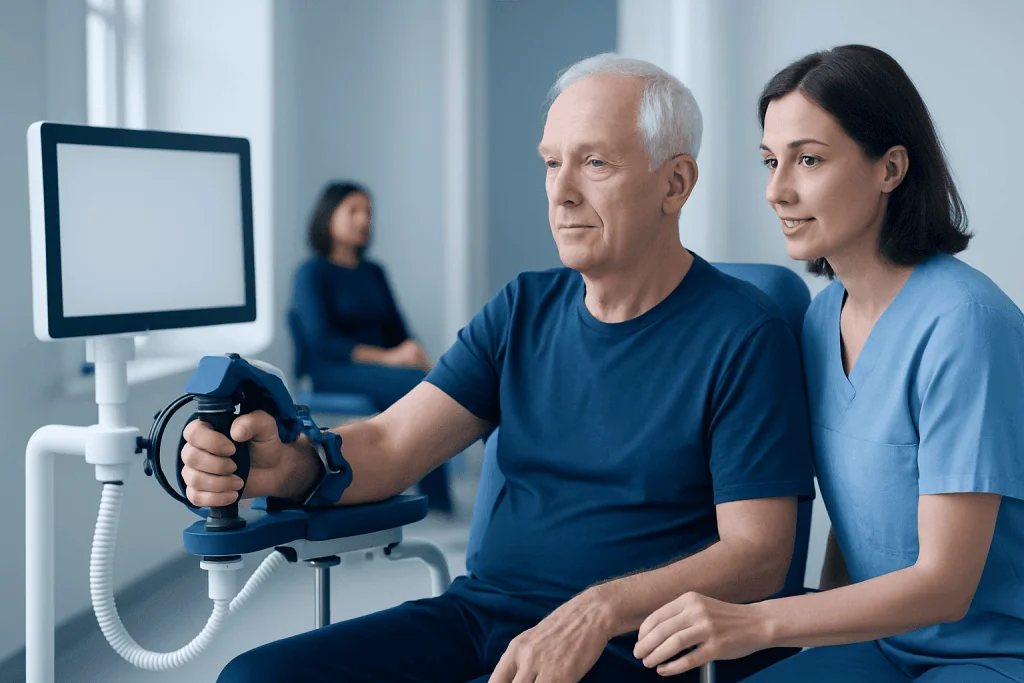
The first days after thrombectomy usually focus on close monitoring. Doctors and nurses watch for changes in blood pressure, alertness, breathing, swallowing, and neurological function. Brain imaging and examinations may be repeated to check the stroke area and to look for complications such as swelling or bleeding. During this time, early mobilization and basic rehabilitation may begin if the person is medically stable.
In the following weeks, the main goals often shift toward rebuilding strength, balance, coordination, speech, and daily routines. A person may move from hospital care to an inpatient rehabilitation program, outpatient therapy, home-based therapy, or a combination of these. Progress may happen steadily, but it is also common for recovery to feel uneven, with some days better than others.
Over months, the brain may continue to adapt through neuroplasticity, which is the brain’s ability to form new connections and relearn skills. This is why regular practice matters. Even if recovery is not complete, many people learn effective strategies, devices, or techniques that help them become safer and more independent in everyday life.
Common symptoms and challenges during thrombectomy recovery
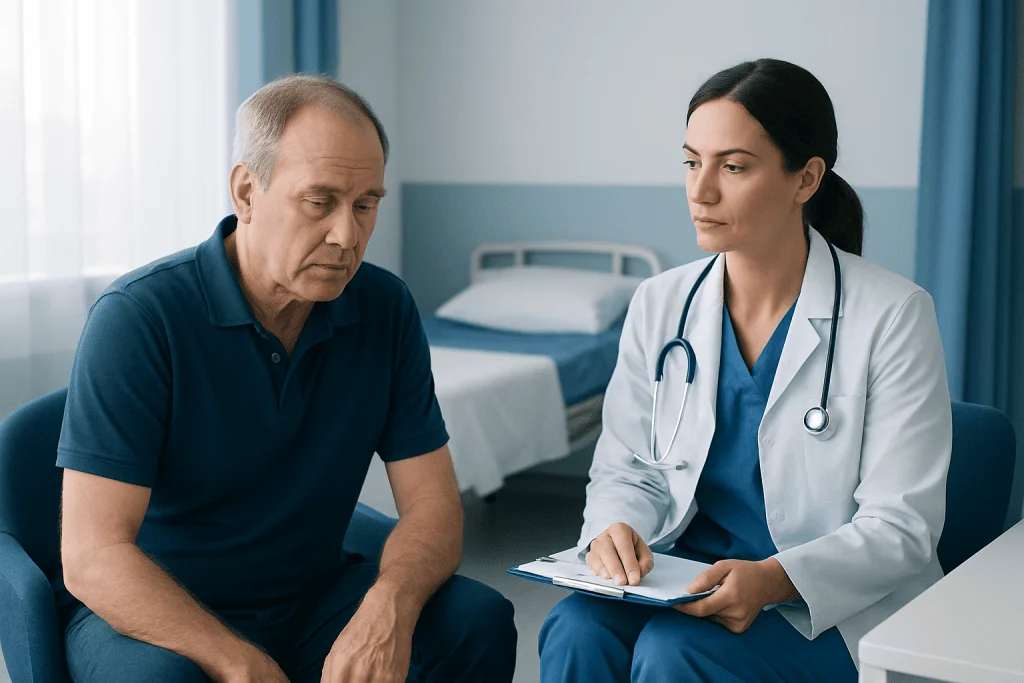
Symptoms after stroke can be physical, cognitive, emotional, or a combination of all three. Some people have weakness or paralysis on one side of the body, trouble walking, poor balance, numbness, or reduced coordination. Others may have speech or language difficulties, swallowing problems, changes in vision, fatigue, or bladder and bowel issues.
Thinking and memory can also be affected. A person may find it harder to concentrate, plan tasks, solve problems, or process information quickly. Depending on the part of the brain involved, there may also be neglect, which means reduced awareness of one side of the body or environment. These changes can make familiar activities feel more demanding than before.
Emotional recovery is another important part of rehabilitation. Anxiety, frustration, low mood, irritability, sleep problems, and fear of having another stroke are common after a major neurological event. Family members may notice personality or behavior changes as well. These reactions are real medical concerns and deserve attention, just like physical symptoms.
- Weakness, stiffness, or difficulty using an arm or leg
- Speech, language, or swallowing problems
- Memory, attention, or planning difficulties
- Fatigue and reduced stamina
- Emotional distress, including depression or anxiety
What affects recovery after thrombectomy
No two recoveries are exactly the same. One major factor is how quickly the blocked artery was reopened. In general, faster treatment can help protect more brain tissue. The size and location of the stroke also matter. A small stroke in one area may lead to very different symptoms from a larger stroke or one affecting language, movement, or vision centers.
Other factors include the person’s age, previous level of independence, heart and blood vessel health, blood pressure control, diabetes, and whether there were complications such as infections or another vascular event. Existing neurological conditions may also influence rehabilitation needs. Some people who have experienced related conditions such as stroke or carotid artery disease may already be familiar with parts of the recovery process and risk-factor management.
Support systems are also important. People often recover better when they have access to rehabilitation specialists, appropriate equipment, regular follow-up, and encouragement at home. Motivation helps, but recovery is not simply a matter of willpower. It is a medical and functional process that often requires structured, multidisciplinary care.
How rehabilitation is assessed and planned
After thrombectomy, the care team usually evaluates physical function, communication, swallowing, thinking skills, and the ability to perform activities of daily living. This may include bedside neurological exams, mobility assessments, speech and swallowing evaluations, and tests of attention or memory. These assessments help identify both visible and less obvious effects of the stroke.
The rehabilitation plan is usually built around specific goals. For one person, the goal may be walking safely at home. For another, it may be eating normally, speaking more clearly, returning to work, or managing personal care independently. Goals are often broken into smaller steps so progress can be measured realistically.
A multidisciplinary team may include neurologists, physiatrists, rehabilitation nurses, physical therapists, occupational therapists, speech and language therapists, neuropsychologists, dietitians, and social workers. In some cases, additional evaluation or treatment may involve interventional neuroradiology or neurological rehabilitation services, especially when complex follow-up needs are present.
Treatment options and therapies used in stroke rehabilitation
Rehabilitation after thrombectomy is usually made up of several therapies working together. Physical therapy focuses on strength, movement, transfers, walking, posture, and balance. Occupational therapy helps with practical daily tasks such as dressing, bathing, eating, using the hand and arm, and adapting the home or work environment. Speech and language therapy can address speech, language understanding, communication strategies, and swallowing safety.
Cognitive rehabilitation may be recommended for attention, memory, problem-solving, and executive function. Psychological support can help with adjustment, low mood, anxiety, and coping for both the patient and family. If spasticity, pain, or shoulder problems develop, the team may suggest targeted treatments, splints, positioning strategies, or medications as part of a broader plan.
Medical treatment continues alongside therapy. Doctors often address stroke prevention with blood pressure control, cholesterol management, diabetes care, antiplatelet or anticoagulant treatment when appropriate, and investigation of the stroke cause. Some people may need further care from stroke treatment teams or cardiovascular specialists if the stroke is linked to heart rhythm problems or artery disease.
Assistive devices may also play a role. These can include canes, walkers, ankle-foot orthoses, adaptive utensils, communication tools, or bathroom safety equipment. Such aids are not a sign of failure; they are practical tools that can make daily life safer and more manageable while recovery continues.
Self-care, prevention, and life after hospital discharge
Recovery does not end when a person leaves the hospital. A structured routine at home can make a meaningful difference. This may include prescribed exercises, energy conservation strategies, healthy meals, medication adherence, and regular sleep. Family and caregivers often help by encouraging therapy practice while also allowing enough rest.
Preventing another stroke is a core part of rehabilitation. Doctors may recommend stopping smoking, limiting alcohol, following a heart-healthy eating pattern, staying physically active within safe limits, and managing conditions such as high blood pressure, diabetes, high cholesterol, or atrial fibrillation. Follow-up appointments are important because treatment plans sometimes need adjustment over time.
Safety at home also matters. Depending on symptoms, helpful changes may include removing trip hazards, improving lighting, installing grab bars, using a shower chair, and organizing commonly used items within easy reach. For some people, a driving assessment or work re-evaluation is needed before returning to previous activities.
Near the later stages of follow-up, some patients choose care in centers with broad neurological services. Acibadem International’s multidisciplinary specialists and JCI-accredited hospitals provide diagnosis, rehabilitation planning, and treatment for international patients recovering from stroke.
When to seek urgent medical attention
Any new or worsening stroke-like symptoms should be treated as a medical emergency, even during rehabilitation. These symptoms can include sudden facial drooping, arm weakness, speech difficulty, severe confusion, sudden vision loss, trouble walking, or a new severe headache. Rapid assessment is important because another stroke or a different complication may need immediate treatment.
Urgent medical review is also needed for chest pain, severe shortness of breath, seizures, repeated vomiting, a significant decline in alertness, or a sudden inability to swallow safely. Infections, falls, dehydration, medication side effects, and blood pressure problems can all interrupt recovery and should not be ignored.
For non-emergency concerns, it is still sensible to contact the care team if progress stalls, mood symptoms become pronounced, swallowing becomes more difficult, or caregivers feel overwhelmed. Rehabilitation works best when concerns are discussed early and the plan is adjusted as needed.
Frequently asked questions
How long does stroke rehabilitation after thrombectomy usually take?
There is no single timeline. Some people improve quickly in the first days or weeks, while others need months of therapy and support. Recovery often continues over time, especially when rehabilitation is consistent and medical follow-up is maintained.
Can a person fully recover after thrombectomy?
Some people regain most or all of their previous function, while others continue to have lasting effects from the stroke. A successful thrombectomy improves the chance of a better outcome, but it does not guarantee complete recovery. The final result depends on how much brain tissue was affected and many individual health factors.
What therapies are commonly needed after thrombectomy?
Common therapies include physical therapy, occupational therapy, and speech and language therapy. Some people also need swallowing therapy, cognitive rehabilitation, and psychological support. The mix of therapies depends on the person’s symptoms and goals.
Is fatigue normal during stroke recovery?
Yes, fatigue is very common after stroke and can be significant even when physical recovery is progressing well. It may affect concentration, motivation, and stamina during therapy. Pacing activities, resting appropriately, and discussing persistent fatigue with the care team can help.
What can family members do to support recovery?
Family members can help by encouraging therapy routines, attending follow-up visits, making the home safer, and watching for changes in symptoms or mood. Emotional support is also important, because recovery can be physically and mentally demanding. Caregivers should also seek help for themselves if the burden becomes overwhelming.
What are warning signs that need emergency care after discharge?
Emergency care is needed for any sudden new stroke symptoms, such as facial drooping, weakness, trouble speaking, sudden confusion, or vision loss. Severe headache, seizures, chest pain, or a major change in alertness also need urgent assessment. It is safest to treat these symptoms as emergencies rather than waiting to see if they pass.
This article is for general information only and is not a substitute for professional medical advice. Please consult a qualified doctor about your individual situation.
Explore treatments in Turkey — costs, top hospitals & a free quote
JCI-accredited · board-certified surgeons · reply within 24h
Add us as a Preferred Source to see more of our trusted health content across Google Search, AI Overviews and Discover.
Check your numbers in seconds
BMI, calories, due date, blood pressure and 30+ more clinical calculators — free, instant, doctor-reviewed ranges.

More from the Health Library

Signs of Stroke: Early Symptoms You Should Never Ignore
Ischaemic Cerebrovascular Accident: Diagnosis and Emergency Treatment Options
Cerebrovascular Accident Explained: Meaning, Symptoms, and Treatment
Signs and Symptoms of a Stroke: When to Call Emergency Services
Stroke vs Seizure: How Doctors Tell the Difference in an Emergency