Stroke Specialists: Who May Be on Your Care Team After a Brain Attack
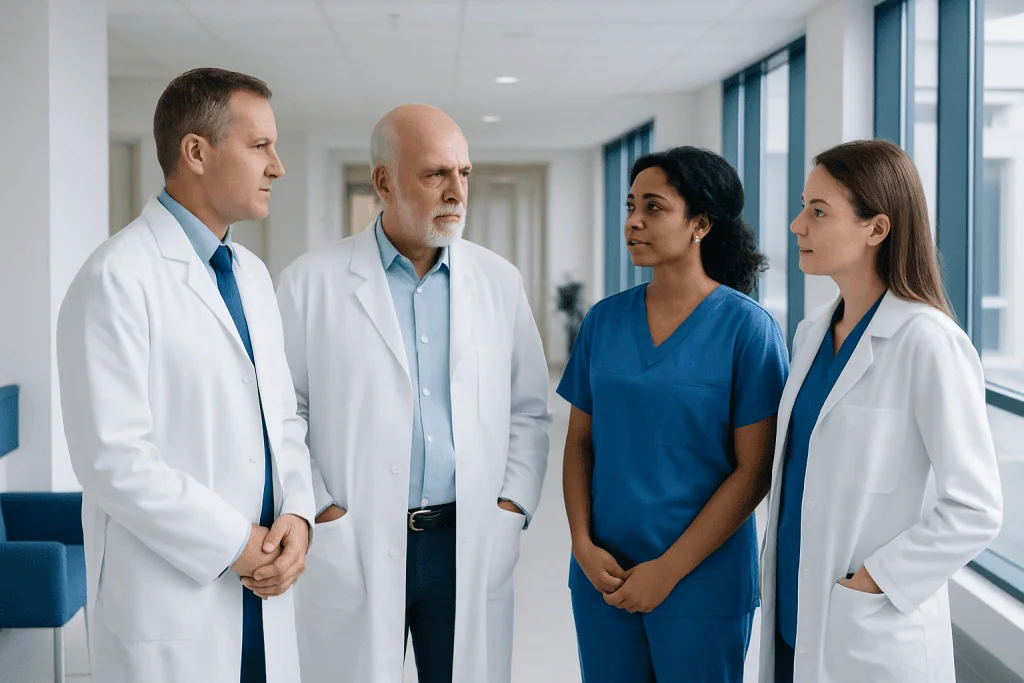
Stroke care is usually provided by a multidisciplinary team rather than one doctor alone. A vascular neurologist often leads medical decision-making for diagnosis, treatment, and prevention.
Key Takeaways
- Stroke care is usually provided by a multidisciplinary team rather than one doctor alone.
- A vascular neurologist often leads medical decision-making for diagnosis, treatment, and prevention.
- Rehabilitation specialists such as physical, occupational, and speech therapists play a major role in recovery.
- Nurses, dietitians, social workers, and psychologists may help with day-to-day recovery and discharge planning.
- Follow-up care focuses on preventing another stroke, managing risk factors, and improving quality of life.
Stroke care often involves a team of specialists working together from emergency treatment through rehabilitation and long-term prevention. Understanding who may be on the care team can help patients and families feel more prepared, informed, and supported after a brain attack.
Overview: Why Stroke Care Involves a Team
A stroke is a medical emergency that happens when blood flow to part of the brain is blocked or when a blood vessel in the brain bursts. Because stroke can affect movement, speech, swallowing, memory, mood, and other body functions, recovery often requires input from several healthcare professionals. This team-based approach helps address both the immediate problem and the longer-term effects of the event.
In the first hours after a stroke, doctors focus on confirming the diagnosis and deciding on the safest treatment. After that, the goal shifts toward preventing complications, restoring function, and reducing the risk of another stroke. Different specialists may become involved at different stages, depending on the type of stroke, its severity, and the patient’s general health.
Not every patient will see every specialist. Some people recover quickly after a mild stroke or transient ischemic attack, while others need more intensive hospital care and a longer rehabilitation plan. Knowing the possible members of the care team can make the process easier to understand and can help families ask informed questions.
The Core Stroke Specialists
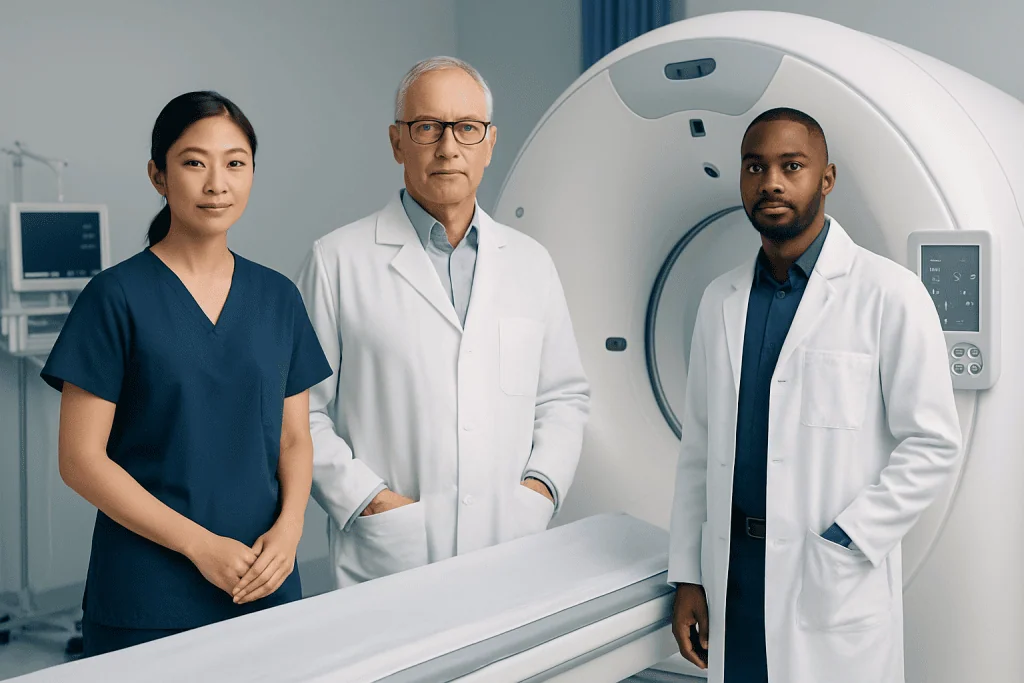
The doctor most closely associated with stroke care is often a vascular neurologist. This specialist focuses on diseases affecting blood vessels in the brain and nervous system. A vascular neurologist evaluates symptoms, reviews brain imaging, identifies the type of stroke, recommends treatment, and helps plan strategies to prevent recurrence. In many hospitals, this doctor coordinates care with emergency physicians, radiologists, and rehabilitation teams.
Some patients may also be treated by an interventional neuroradiologist or interventional neurologist, especially when a blocked artery may be opened with a catheter-based procedure. These specialists perform advanced techniques to remove a clot or restore blood flow in selected cases. When bleeding in the brain, swelling, or pressure becomes severe, a neurosurgeon may be needed to help manage complications or perform surgery.
In intensive or acute stroke units, hospitalists, critical care doctors, and stroke nurses may also play central roles. They monitor blood pressure, breathing, heart rhythm, neurological status, and other vital functions. This close monitoring is especially important in the first days after a stroke, when changes can happen quickly.
- Vascular neurologist: diagnosis, treatment planning, prevention
- Emergency physician: immediate assessment and stabilization
- Interventional specialist: clot-removal or vessel procedures when appropriate
- Neurosurgeon: surgery for selected complications or hemorrhagic stroke
- Stroke nurse: ongoing monitoring, education, and coordination
Rehabilitation Professionals and Their Roles
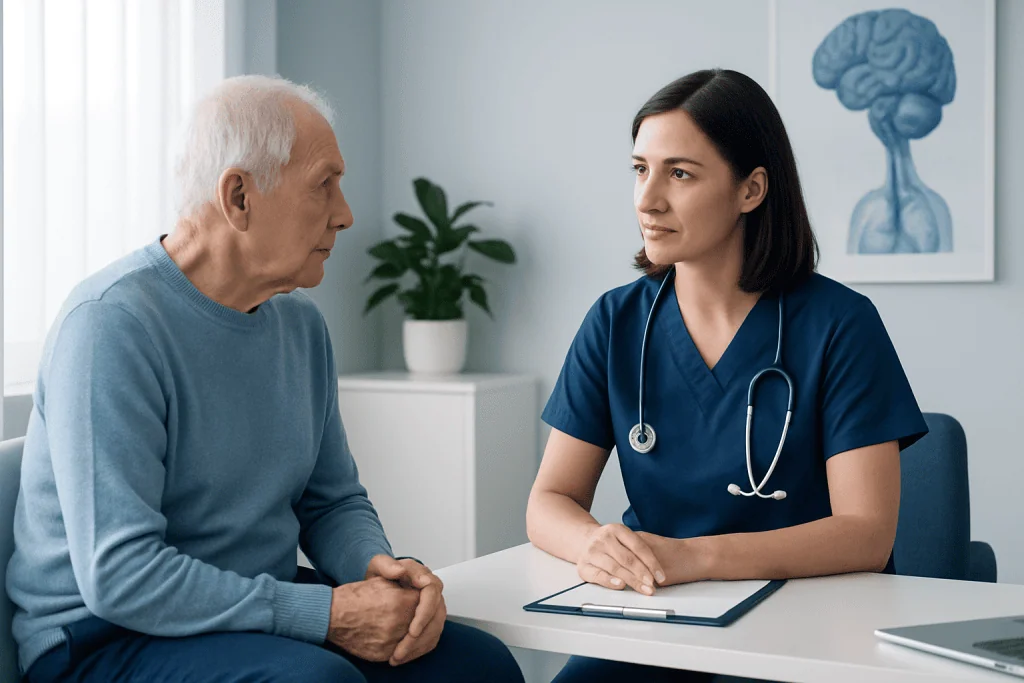
Recovery after stroke often depends heavily on rehabilitation. A physiatrist, also called a physical medicine and rehabilitation doctor, may oversee the rehabilitation plan. This specialist helps address weakness, stiffness, balance problems, pain, and daily function. Rehabilitation may begin in the hospital within days of the stroke and continue in an inpatient unit, outpatient center, or at home.
Physical therapists work on walking, strength, endurance, balance, and safe transfers, such as moving from bed to chair. Occupational therapists focus on practical daily tasks like dressing, bathing, eating, writing, and using the hands and arms. They may also recommend home modifications or adaptive equipment to improve safety and independence.
Speech-language pathologists help patients who have difficulty speaking, understanding language, reading, writing, thinking clearly, or swallowing. These problems are common after stroke and may improve with structured therapy. If swallowing is affected, the speech therapist can suggest safer food textures and swallowing strategies to reduce the risk of choking or aspiration.
Depending on the situation, patients may benefit from physical therapy and rehabilitation as part of a broader recovery program. The timing and intensity of therapy are individualized, and progress is often gradual rather than immediate.
Other Important Members of the Stroke Care Team
Good stroke care goes beyond medical treatment and rehabilitation exercises. Nurses are often the professionals patients and families interact with most. They provide daily care, watch for changes in neurological status, help with medications, support mobility, and teach families about recovery and warning signs.
A cardiologist may become involved when stroke is linked to heart rhythm problems such as atrial fibrillation or other heart conditions that can cause blood clots. Endocrinologists or internal medicine specialists may help if diabetes, cholesterol disorders, or thyroid conditions are complicating recovery. Dietitians support nutrition, especially when swallowing is difficult or when blood pressure, cholesterol, and weight management are part of prevention.
Social workers and case managers help patients navigate discharge planning, rehabilitation placement, insurance issues, travel needs, and community resources. Neuropsychologists, psychologists, or psychiatrists may evaluate changes in memory, attention, mood, or behavior. Depression, anxiety, and emotional changes can occur after stroke and deserve the same attention as physical symptoms.
For some patients, further evaluation may identify related conditions such as carotid artery disease or uncontrolled hypertension that need ongoing treatment. In selected cases, specialists may recommend carotid endarterectomy or other preventive interventions based on the cause of the stroke.
How the Team Diagnoses the Cause of Stroke
One of the most important tasks after a stroke is finding out why it happened. The cause affects treatment choices and future prevention. Specialists may use brain imaging, blood tests, heart monitoring, and ultrasound or other vessel studies to look for blood clots, narrowed arteries, bleeding, or heart-related sources of embolism. Accurate diagnosis helps guide the next steps and lowers the chance of another event being missed.
Brain imaging such as CT or MRI is usually central to diagnosis. These tests help determine whether the stroke is ischemic, meaning caused by a blocked vessel, or hemorrhagic, meaning caused by bleeding. This distinction is essential because treatments that help one type may be unsafe for the other. Additional tests may assess the neck arteries, heart chambers, and heart rhythm over time.
Doctors also look at risk factors and medical history. Common contributors include high blood pressure, diabetes, smoking, high cholesterol, obesity, sleep apnea, atrial fibrillation, and prior stroke or transient ischemic attack. Sometimes the cause remains uncertain even after careful testing, and follow-up monitoring may still reveal useful answers later.
If recovery is affected by vessel narrowing or other structural problems, further specialist input may be needed. Patients may also hear the care team discuss related issues such as brain aneurysm or other vascular findings that were discovered during imaging, although these are not the cause of every stroke.
Treatment, Follow-Up, and Prevention After Stroke
Treatment after stroke depends on the type of stroke, the symptoms, and the underlying cause. During the acute phase, care may include medicines, blood pressure management, clot-removal procedures, treatment of brain swelling, or surgery in selected cases. Later, the focus shifts toward rehabilitation, medical follow-up, and prevention of another stroke.
Prevention often includes managing blood pressure, cholesterol, diabetes, and heart rhythm disorders, as well as stopping smoking and improving diet and physical activity. Some patients need antiplatelet or anticoagulant medicines, while others may need treatment for narrowed arteries or heart disease. The exact plan should be individualized by the treating doctor, since stroke prevention is not the same for every person.
Follow-up appointments are important even when a patient feels better. Some stroke effects, such as fatigue, concentration problems, mood changes, or subtle weakness, become more noticeable after discharge. Regular review allows the team to adjust therapy, track progress, and address new concerns before they interfere too much with daily life.
Depending on the cause, care may involve services such as neurological rehabilitation or consultation for stroke treatment planning in a specialized center. Near the later stages of care, some international patients may choose centers such as Acibadem International, where multidisciplinary specialists in JCI-accredited hospitals diagnose and treat stroke-related conditions.
What Patients and Families Can Do
Patients and families are important members of the stroke care team. Asking questions, keeping a list of medications, attending follow-up visits, and understanding the rehabilitation plan can all support recovery. It can help to write down new symptoms, concerns about mood or memory, and practical issues such as difficulty eating, sleeping, or moving at home.
Families can also support recovery by encouraging safe activity, helping with exercises prescribed by therapists, and creating a calm, organized home environment. Recovery is often uneven, with good days and more difficult days. Small improvements can add up over time, so patience and regular communication with the care team are valuable.
Lifestyle changes matter after stroke. Stopping smoking, limiting alcohol if advised, taking medicines as prescribed, and following recommendations for blood pressure, diabetes, and cholesterol can all reduce future risk. Patients should not stop medications or try supplements without discussing them with a qualified doctor, because some substances may interact with treatment or increase bleeding risk.
When to Seek Urgent Medical Attention
Even after treatment, patients and families should know the warning signs of another stroke. Sudden weakness or numbness on one side of the body, trouble speaking, facial drooping, confusion, loss of vision, severe dizziness, loss of balance, or a sudden severe headache all need urgent medical attention. Acting quickly can make a major difference.
Emergency help is also needed for chest pain, severe shortness of breath, fainting, new seizures, or a major decline in alertness. These symptoms may be related to stroke complications or another serious condition. It is safer to seek prompt medical care than to wait and see if symptoms pass.
Less urgent concerns still deserve attention during recovery. Patients should contact their doctor if they develop increasing depression, repeated falls, trouble swallowing, medication side effects, uncontrolled blood pressure, or barriers to attending rehabilitation. Ongoing communication helps the team tailor treatment and support safer long-term recovery.
Frequently asked questions
Who is the main doctor after a stroke?
A vascular neurologist is often the main specialist guiding stroke care, especially in the hospital and during follow-up. However, the lead doctor may vary depending on the patient’s needs, and rehabilitation or other specialists may also play major roles.
Will every stroke patient need rehabilitation?
Not every patient needs the same level of rehabilitation, but many benefit from some form of therapy. The type and intensity depend on how the stroke affected movement, speech, swallowing, thinking, or daily activities.
Why might a cardiologist be part of the stroke care team?
A cardiologist may help if the stroke could be related to a heart problem such as atrial fibrillation, valve disease, or other conditions that raise the risk of blood clots. Treating the heart condition can be an important part of preventing another stroke.
How long does follow-up after a stroke usually last?
Follow-up often continues for months and sometimes longer, depending on recovery and risk factors. Even when symptoms improve, regular review helps monitor medications, rehabilitation progress, and prevention strategies.
Can emotional changes after stroke be treated?
Yes. Depression, anxiety, irritability, and changes in motivation are common after stroke and can be evaluated and treated. Support may include counseling, rehabilitation strategies, family education, and medication when appropriate.
What should families ask the stroke team before discharge?
It is helpful to ask about medications, warning signs, follow-up appointments, rehabilitation goals, swallowing safety, driving, work, and home adjustments. Families can also ask who to contact if new symptoms or problems arise after discharge.
References
- World Health Organization
- American Stroke Association
- National Institute of Neurological Disorders and Stroke
- Centers for Disease Control and Prevention
- National Health Service
This article is for general information only and is not a substitute for professional medical advice. Please consult a qualified doctor about your individual situation.
Explore treatments in Turkey — costs, top hospitals & a free quote
JCI-accredited · board-certified surgeons · reply within 24h
Add us as a Preferred Source to see more of our trusted health content across Google Search, AI Overviews and Discover.
Check your numbers in seconds
BMI, calories, due date, blood pressure and 30+ more clinical calculators — free, instant, doctor-reviewed ranges.