Stroke Warning Signs: FAST Symptoms, Emergency Care, and Prevention

FAST stands for Face drooping, Arm weakness, Speech difficulty, and Time to call emergency services. Other stroke warning signs include sudden vision loss, severe dizziness, confusion, numbness, trouble walking, or a sudden severe headache.
Key Takeaways
- FAST stands for Face drooping, Arm weakness, Speech difficulty, and Time to call emergency services.
- Other stroke warning signs include sudden vision loss, severe dizziness, confusion, numbness, trouble walking, or a sudden severe headache.
- A transient ischemic attack, or mini stroke, may improve quickly but still needs urgent medical evaluation.
- Emergency treatment depends on whether the stroke is caused by a blocked blood vessel or bleeding in the brain.
- Many strokes can be prevented by controlling blood pressure, diabetes, cholesterol, smoking, weight, and heart rhythm problems.
Stroke is a medical emergency in which quick recognition and treatment can reduce the risk of disability. Knowing FAST symptoms and other warning signs helps people act immediately and get the right care without delay.
Overview
A stroke happens when part of the brain is suddenly deprived of blood flow or when bleeding occurs in or around the brain. Brain cells need oxygen and nutrients every moment. When the blood supply is interrupted, symptoms can begin suddenly and may affect movement, speech, vision, balance, thinking, or awareness.
There are two main types of stroke. An ischemic stroke is caused by a blocked blood vessel, often due to a blood clot. A hemorrhagic stroke occurs when a blood vessel ruptures and causes bleeding. A transient ischemic attack, often called a TIA or mini stroke, causes stroke-like symptoms that resolve, but it is still a warning sign that urgent assessment is needed.
Stroke care is time-sensitive because some treatments work best when given as early as possible after symptoms begin. For this reason, people should not wait to see if symptoms improve. Calling emergency medical services is the safest first step whenever stroke is suspected.
FAST Symptoms: The Key Stroke Warning Signs
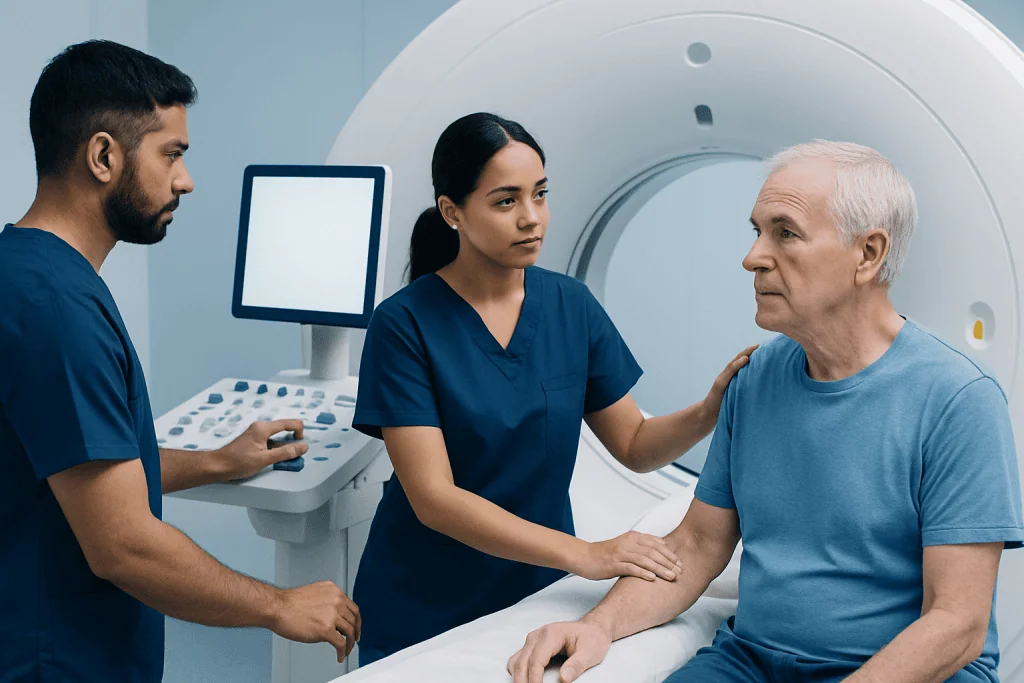
The FAST test is an easy way to remember the most common warning signs of stroke. It is designed for quick use by family members, coworkers, bystanders, and patients. If any FAST sign is present, emergency services should be called immediately.
- F — Face drooping: One side of the face may look uneven, feel numb, or droop. A person may be unable to smile normally.
- A — Arm weakness: One arm may drift downward, feel weak, or become numb. Weakness can also affect a leg on the same side.
- S — Speech difficulty: Speech may become slurred, confused, or hard to understand. The person may have trouble finding words or understanding what others say.
- T — Time to call emergency care: Stroke is an emergency. Note the time symptoms started or the last time the person was known to be well.
FAST does not detect every stroke, but it captures many common presentations. Any sudden neurologic change should be treated seriously, especially if it affects one side of the body or appears without an obvious explanation.
Other Symptoms That May Signal a Stroke
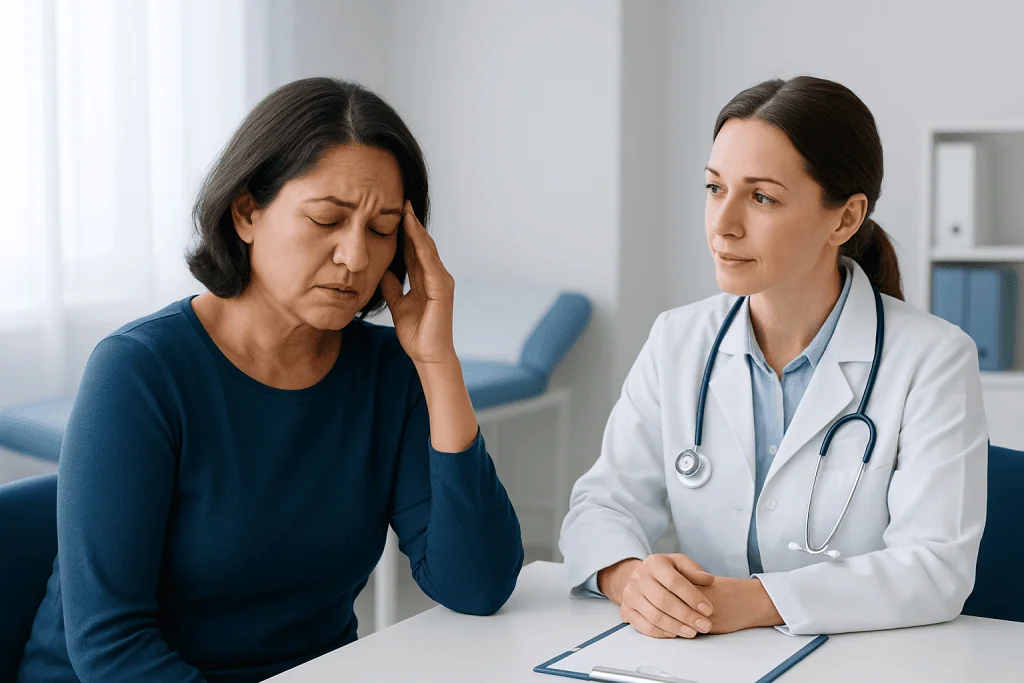
Some strokes do not fit the classic FAST pattern. Warning signs can include sudden numbness or weakness of the face, arm, or leg; confusion; trouble speaking or understanding speech; sudden blurred or lost vision in one or both eyes; dizziness; loss of balance; or difficulty walking. These symptoms may appear alone or in combination.
A sudden, severe headache with no known cause can be a warning sign, especially if it is accompanied by vomiting, drowsiness, neck stiffness, weakness, or changes in consciousness. This pattern can occur with bleeding in or around the brain and needs immediate medical attention.
Symptoms may fluctuate or improve, particularly during a TIA. Improvement does not mean the situation is safe. A TIA can be a warning that a larger stroke may occur, so urgent evaluation is important even if the person feels back to normal.
Causes and Risk Factors
Ischemic stroke often develops when a clot blocks blood flow to the brain. A clot may form in a narrowed artery affected by atherosclerosis, or it may travel from the heart or another blood vessel. Conditions such as atrial fibrillation can increase the chance of clot formation and are important causes of preventable stroke.
Hemorrhagic stroke is commonly linked to weakened or damaged blood vessels. High blood pressure is a major risk factor because it can strain artery walls over time. Other causes may include aneurysms, vascular malformations, certain blood-thinning medicines, trauma, or blood vessel disorders.
Risk factors for stroke include high blood pressure, diabetes, high cholesterol, smoking, obesity, physical inactivity, unhealthy diet, excessive alcohol use, sleep apnea, and a personal or family history of stroke. Age increases risk, but stroke can occur in younger adults as well. Some risk factors, such as age and family history, cannot be changed, but many others can be managed with medical care and lifestyle changes.
What to Do in a Stroke Emergency
If stroke warning signs appear, the correct action is to call emergency medical services immediately. The person should not drive themselves to the hospital, and family members should avoid transporting them if an ambulance is available. Emergency teams can begin assessment, notify the hospital, and help direct the patient to an appropriate stroke-capable center.
While waiting for help, keep the person safe and comfortable. Note the exact time symptoms began, or the last time the person was known to be well. If the person becomes drowsy, confused, or has trouble swallowing, do not give food, drink, or oral medicines unless instructed by a medical professional.
It is also important not to give aspirin or blood thinners without medical advice, because some strokes are caused by bleeding rather than a clot. The emergency team and hospital staff will determine the type of stroke with clinical assessment and brain imaging before treatment decisions are made.
Diagnosis and Treatment Options
In the hospital, doctors assess symptoms, medical history, vital signs, blood sugar, and neurologic function. Brain imaging, usually computed tomography or magnetic resonance imaging, helps distinguish ischemic stroke from hemorrhagic stroke. Additional tests may include blood tests, electrocardiography, heart imaging, ultrasound or angiography of blood vessels, and monitoring for abnormal heart rhythms.
Treatment depends on the type of stroke, timing, symptoms, and the patient’s overall health. For some ischemic strokes, clot-dissolving medicine may be considered within a specific time window. In selected patients with a large artery blockage, a procedure called mechanical thrombectomy may remove the clot through a catheter. Not every patient is eligible, which is why rapid specialist evaluation is essential.
Hemorrhagic stroke treatment focuses on controlling bleeding, reducing pressure in the brain, managing blood pressure, reversing certain blood-thinning effects when appropriate, and treating the source of bleeding if possible. Some patients may need neurosurgical or endovascular procedures. After the acute phase, rehabilitation may include physiotherapy, occupational therapy, speech and swallowing therapy, cognitive support, and psychological care.
Prevention, Recovery, and When to See a Doctor
Stroke prevention begins with managing the conditions that raise risk. Regular blood pressure checks, diabetes care, cholesterol management, treatment of atrial fibrillation, smoking cessation, and appropriate use of prescribed medicines can significantly support prevention. A doctor can advise whether antiplatelet therapy, anticoagulation, or cholesterol-lowering medicine is suitable for an individual patient.
Healthy daily habits also matter. A balanced diet rich in vegetables, fruits, whole grains, legumes, fish or lean proteins, and unsaturated fats can support vascular health. Regular physical activity, maintaining a healthy weight, limiting alcohol, improving sleep, and treating sleep apnea may also reduce risk. People who have already had a stroke or TIA should follow a personalized secondary prevention plan.
Medical attention is needed immediately for any sudden stroke warning sign, even if it improves within minutes. People should also see a doctor promptly for new episodes of unexplained weakness, numbness, speech difficulty, fainting, irregular heartbeat, or severe headaches. Acibadem International’s multidisciplinary specialists and JCI-accredited hospitals diagnose and treat stroke and related neurologic conditions for international patients, with care plans tailored to each patient’s needs.
Frequently asked questions
What does FAST mean in stroke symptoms?
FAST stands for Face drooping, Arm weakness, Speech difficulty, and Time to call emergency services. It is a simple tool to help people recognize common stroke warning signs quickly. If any FAST sign appears suddenly, emergency care should be contacted immediately.
Can stroke symptoms go away on their own?
Yes, symptoms can improve or disappear during a transient ischemic attack, also called a mini stroke. However, this still needs urgent medical evaluation because a TIA can signal a high risk of future stroke. People should not wait to see whether symptoms return.
Should someone take aspirin if they think they are having a stroke?
Aspirin should not be taken unless a healthcare professional advises it. Some strokes are caused by bleeding in the brain, and aspirin could increase bleeding risk. Doctors need brain imaging to identify the type of stroke before choosing treatment.
What information should be given to emergency staff?
The most important detail is the time symptoms started or the last time the person was known to be well. It is also helpful to share current medicines, medical conditions, allergies, recent surgery or bleeding, and whether the person uses blood thinners. This information supports safe and timely treatment decisions.
Are dizziness and balance problems signs of stroke?
Sudden dizziness, loss of balance, trouble walking, or poor coordination can be signs of stroke, especially when they occur with weakness, vision changes, speech problems, or numbness. These symptoms may occur in strokes affecting the back part of the brain. Sudden unexplained neurologic symptoms should be treated as urgent.
How can a person lower their risk of stroke?
Key steps include controlling blood pressure, managing diabetes and cholesterol, stopping smoking, staying physically active, eating a heart-healthy diet, and taking prescribed medicines as directed. People with atrial fibrillation or previous TIA or stroke should follow a doctor’s prevention plan closely. Regular checkups help identify and manage risk factors early.
References
- World Health Organization
- American Stroke Association
- Centers for Disease Control and Prevention
- National Institute of Neurological Disorders and Stroke
- European Stroke Organisation
This article is for general information only and is not a substitute for professional medical advice. Please consult a qualified doctor about your individual situation.
Explore treatments in Turkey — costs, top hospitals & a free quote
JCI-accredited · board-certified surgeons · reply within 24h
Add us as a Preferred Source to see more of our trusted health content across Google Search, AI Overviews and Discover.
Check your numbers in seconds
BMI, calories, due date, blood pressure and 30+ more clinical calculators — free, instant, doctor-reviewed ranges.