Studies That Show Ineffective Cpap Treatment Due to Acid Reflux: How It Works, Results and What to Expect
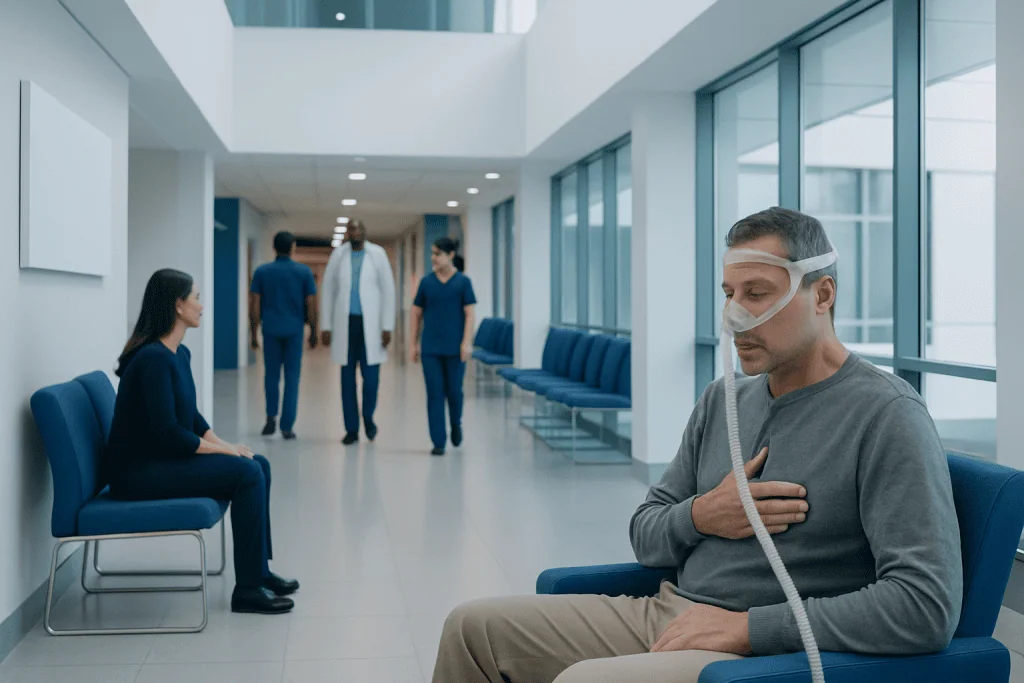
CPAP usually improves both obstructive sleep apnea symptoms and nighttime reflux when it is used consistently and fitted correctly. Acid reflux can disrupt sleep and CPAP tolerance, but it does not usually prevent CPAP from keeping the airway open.
Key Takeaways
- CPAP usually improves both obstructive sleep apnea symptoms and nighttime reflux when it is used consistently and fitted correctly.
- Acid reflux can disrupt sleep and CPAP tolerance, but it does not usually prevent CPAP from keeping the airway open.
- Bloating, belching, abdominal discomfort, and increased reflux symptoms may suggest CPAP-related aerophagia or another treatable issue.
- A sleep specialist can review device data, mask fit, pressure settings, nasal obstruction, and other causes when CPAP does not seem effective.
- Persistent heartburn, swallowing difficulty, chest pain, vomiting, or unexplained weight loss needs medical assessment.
Studies do not generally show that acid reflux makes CPAP ineffective for obstructive sleep apnea. In fact, effective CPAP often reduces nighttime reflux, although aerophagia (swallowing air), mask problems, untreated reflux, or incorrect pressure settings can make treatment uncomfortable and reduce regular use.
Overview: what studies show about CPAP and acid reflux
Studies that show ineffective CPAP treatment due to acid reflux are limited. Research more often finds that continuous positive airway pressure (CPAP) improves nighttime gastroesophageal reflux symptoms in people with obstructive sleep apnea, likely by preventing repeated airway collapse and reducing large pressure changes in the chest during sleep.
However, a person may feel that CPAP is not working if reflux wakes them, causes coughing or throat irritation, or makes wearing the mask uncomfortable. CPAP can also contribute to aerophagia, meaning air enters the stomach rather than only the lungs. This may cause bloating or belching and can sometimes aggravate reflux symptoms, especially when pressure, mask leak, sleeping position, or meal timing are not well managed.
It is important to separate treatment effectiveness from treatment tolerance. CPAP may be effectively controlling breathing events according to its data, while reflux or discomfort prevents consistent use. A review with a sleep clinician and, when appropriate, a digestive-health clinician can identify the cause and guide practical adjustments.
How CPAP, sleep apnea, and reflux interact
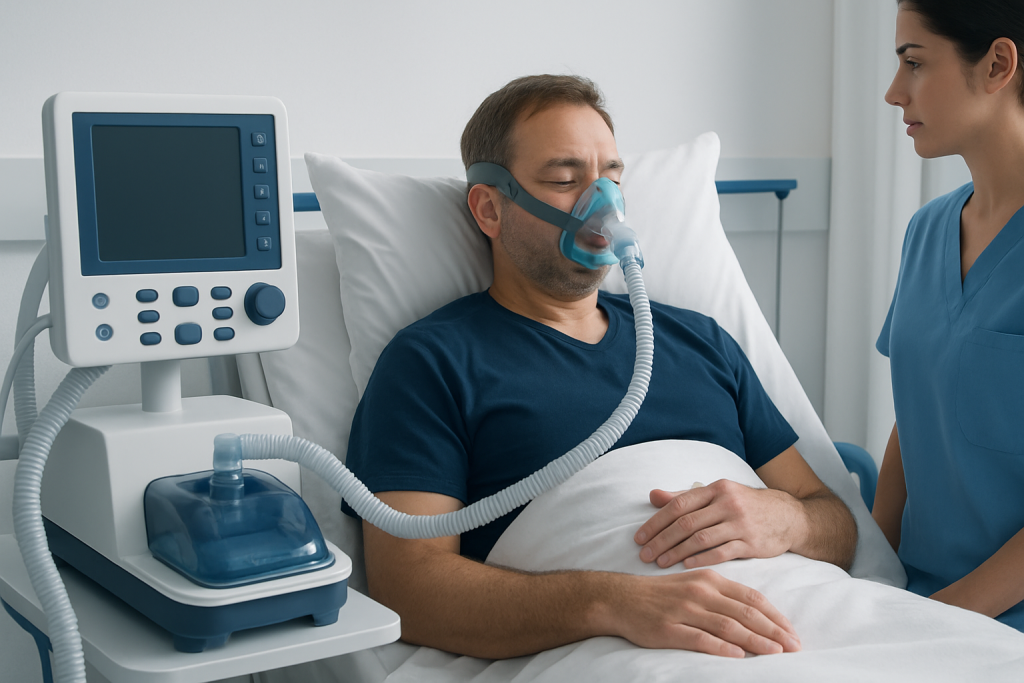
Obstructive sleep apnea occurs when throat tissues repeatedly narrow or close during sleep. CPAP delivers gentle pressurized air through a mask to keep the upper airway open. When it is worn for enough of the night at an appropriate pressure, it can reduce snoring, breathing pauses, oxygen drops, and sleep fragmentation.
Reflux happens when stomach contents move upward into the esophagus. Lying down, eating close to bedtime, excess weight, alcohol, smoking, certain foods, and some medicines may worsen symptoms. Reflux and sleep apnea frequently occur together because each can disturb sleep, but having one condition does not prove that it caused the other.
Positive airway pressure may reduce reflux in many people by stabilizing breathing and sleep. Yet if air is swallowed, stomach distension may trigger belching and reflux. Mouth leak, nasal congestion, an overly high pressure, anxiety with the mask, or using a full-face mask when nasal breathing could be improved may contribute. These concerns should be assessed rather than managed by stopping CPAP without advice.
Can CPAP therapy worsen acid reflux problems?
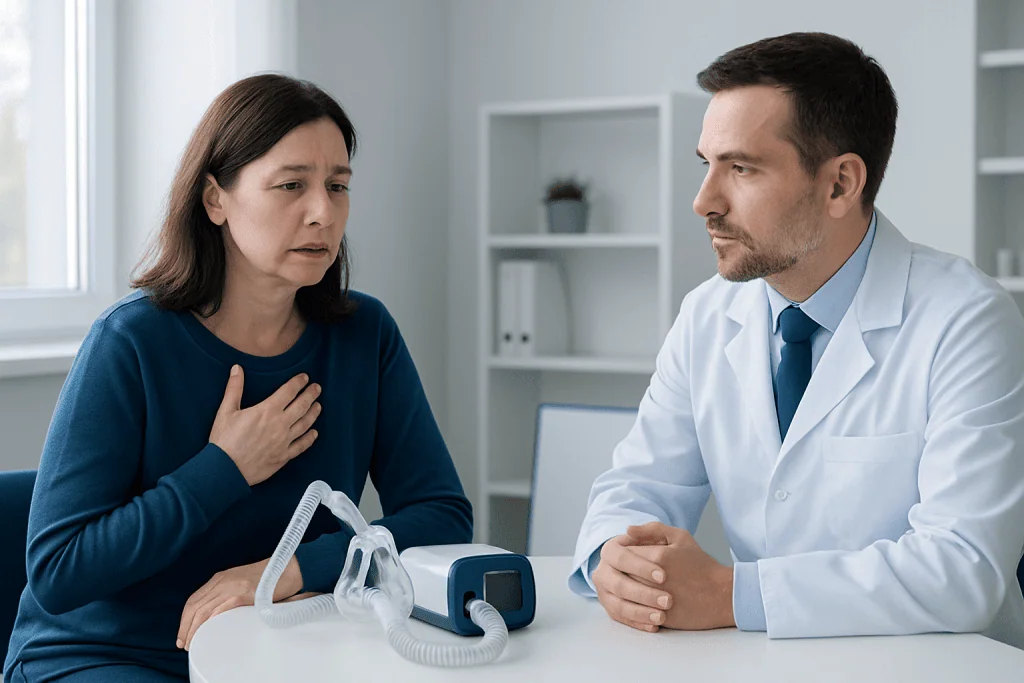
CPAP therapy does not usually worsen acid reflux, and many patients report fewer nighttime reflux symptoms once sleep apnea is controlled. Still, some people develop aerophagia after starting treatment or after a pressure adjustment. Symptoms can include abdominal fullness, gas, repeated belching, discomfort on waking, and occasionally a sensation that reflux is worse.
The issue may be related to pressure settings, mask leak, sleeping position, nasal blockage, or an underlying digestive condition. A clinician can check whether the pressure is higher than needed, whether an auto-adjusting device may be suitable, and whether mask changes or treatment for nasal congestion could improve comfort. Pressure settings should not be changed independently unless the prescribing team has provided a plan.
Reflux itself can cause throat clearing, hoarseness, cough, or a burning feeling that may be mistaken for a CPAP problem. Keeping a brief record of meal timing, symptoms, mask use, and device-reported events can help the care team distinguish reflux symptoms from CPAP side effects or persistent sleep apnea.
When CPAP does not seem to work: candidacy and assessment
CPAP remains the standard first-line treatment for many adults with moderate to severe obstructive sleep apnea and for selected people with milder disease and significant symptoms. Before deciding that it has failed, clinicians usually assess how long it is worn, whether it is used during the entire sleep period, mask comfort, leak, residual breathing events, sleep schedule, and other conditions that can cause tiredness.
Someone may have ongoing daytime fatigue despite adequate CPAP use because of insufficient sleep, insomnia, periodic limb movements, depression, medication effects, thyroid disease, anemia, or another sleep disorder. Reflux can also repeatedly interrupt sleep even when airway obstruction is well controlled. This broader assessment avoids assuming that one symptom has a single cause.
For people with reflux symptoms, evaluation may include a review of heartburn, regurgitation, nighttime cough, throat symptoms, and alarm features. Lifestyle measures and prescribed reflux treatment may be considered. If symptoms remain persistent or uncertain, a gastroenterology assessment can help clarify whether GERD or another digestive condition is involved.
- Download and review CPAP adherence, leak, and residual event data.
- Check mask type, fit, humidification, and nasal airflow.
- Assess meal timing, sleeping position, alcohol use, and reflux symptoms.
- Consider repeat sleep testing or pressure reassessment when indicated.
What is the next step if CPAP doesn't work?
The next step is a structured follow-up rather than abandoning treatment. A sleep specialist can inspect device data and identify common correctable issues such as inadequate use, large leaks, pressure intolerance, persistent obstructive events, central apneas, or aerophagia. Many people benefit from mask refitting, humidification changes, treatment of nasal obstruction, pressure adjustment, or a gradual acclimatization plan.
If CPAP remains difficult to tolerate despite these measures, alternatives may be appropriate depending on the severity and anatomy of the airway. Options can include an oral appliance made by a qualified dental sleep professional, positional therapy for position-dependent apnea, weight management when relevant, selected upper-airway procedures, or other forms of positive airway pressure. The right choice depends on sleep-study findings, symptoms, health history, and personal preferences.
Managing reflux should occur alongside sleep-apnea care when symptoms are present. Avoiding large meals close to bedtime, elevating the head of the bed when advised, limiting individual trigger foods, and discussing suitable medication with a clinician may improve sleep comfort. A multidisciplinary review can be especially helpful when symptoms overlap. Acibadem International’s multidisciplinary specialists and JCI-accredited hospitals diagnose and treat sleep and digestive conditions for international patients.
What is the 4 hour CPAP rule?
The “4 hour CPAP rule” is commonly used by insurers and equipment programs as an adherence benchmark: CPAP may be considered compliant when it is used for at least four hours on at least 70% of nights within a defined monitoring period. Exact requirements vary by country, insurer, and provider, so patients should ask their equipment supplier or sleep clinic about their own policy.
Four hours is an administrative threshold, not an ideal health target. Sleep apnea can occur throughout the night and may be more pronounced during rapid eye movement sleep or when lying on the back, which often occur later in the sleep period. For the greatest benefit, CPAP should generally be used whenever a person sleeps, including naps.
If four hours feels difficult, small practical changes can help: wearing the mask while awake to become familiar with it, resolving dryness or nasal congestion, testing a different mask style, and discussing discomfort promptly. Regular follow-up is preferable to struggling alone or discontinuing therapy.
What is the Japanese trick for sleep apnea?
“The Japanese trick for sleep apnea” is a phrase used online for various unproven methods, often involving tongue exercises, mouth taping, posture techniques, or breathing practices. There is no single Japanese technique that reliably treats obstructive sleep apnea in place of a proper diagnosis and evidence-based care.
Some oral and throat exercises may modestly improve symptoms in selected people with mild obstructive sleep apnea when they are part of a supervised treatment plan. They are not a substitute for CPAP in people prescribed CPAP for clinically significant apnea, and they should not delay medical evaluation.
Mouth taping is not recommended as a self-treatment for sleep apnea. It may be uncomfortable or unsafe for people with nasal blockage, reflux-related vomiting risk, lung disease, anxiety, or undiagnosed sleep-related breathing problems. Anyone considering exercises, oral appliances, or positional strategies should first discuss them with a sleep clinician.
When to seek medical care
Medical review is advisable when CPAP causes persistent bloating, severe belching, reflux symptoms, vomiting, significant mask discomfort, or ongoing sleepiness despite regular use. A clinician should also be contacted if device data suggests frequent residual events, if a person repeatedly removes the mask because of discomfort, or if symptoms worsen after a pressure change.
Urgent medical care is appropriate for chest pain, shortness of breath, vomiting blood, black stools, severe or persistent abdominal pain, choking episodes, or signs of an allergic reaction. Although heartburn can cause chest discomfort, new or severe chest pain should not be assumed to be reflux.
People should seek assessment for swallowing difficulty, painful swallowing, unexplained weight loss, persistent vomiting, anemia, or reflux symptoms that do not improve with routine care. These features may need evaluation for conditions beyond uncomplicated GERD. A sleep specialist can coordinate care with gastroenterology, ear-nose-throat, dental, or weight-management professionals as needed.
Frequently asked questions
Do studies show that acid reflux makes CPAP ineffective?
Most available research does not show that acid reflux makes CPAP ineffective at treating airway obstruction. Instead, CPAP often improves nighttime reflux symptoms. Reflux or aerophagia may reduce comfort and shorten CPAP use, which can indirectly reduce the treatment benefit.
Why do I have gas and bloating after using CPAP?
Gas and bloating may be caused by aerophagia, where some pressurized air enters the stomach. Mask leaks, pressure settings, nasal congestion, and sleeping position may contribute. A sleep clinician can review the device data and help make safe adjustments.
Should I stop CPAP if my reflux gets worse?
CPAP should not usually be stopped without speaking with the prescribing clinician, particularly when it is being used for moderate or severe sleep apnea. The reflux symptoms may have a treatable cause, such as meal timing, aerophagia, or an incorrect mask setup. Prompt follow-up can help preserve both comfort and sleep-apnea control.
Can sleeping position help both reflux and sleep apnea?
For some people, avoiding sleeping flat on the back can reduce position-dependent obstructive sleep apnea. Elevating the head of the bed may help nighttime reflux when recommended by a clinician. Position changes are supportive measures and do not replace prescribed CPAP treatment unless a specialist advises otherwise.
How long should CPAP be used each night?
The usual goal is to use CPAP for the full time spent asleep, including naps. Four hours per night is often used as a minimum adherence benchmark for coverage purposes, but it may not protect against events occurring later in the night. A sleep team can help address barriers to longer use.
Can an oral appliance replace CPAP if I have reflux?
An oral appliance may be an option for certain people, particularly with mild to moderate obstructive sleep apnea or CPAP intolerance. Its suitability depends on sleep-study results, dental health, jaw anatomy, and other medical factors. Reflux should still be assessed and managed separately if it is disturbing sleep.
References
- American Academy of Sleep Medicine
- American College of Gastroenterology
- National Institute of Diabetes and Digestive and Kidney Diseases
- National Heart, Lung, and Blood Institute
- Mayo Clinic
This article is for general information only and is not a substitute for professional medical advice. Please consult a qualified doctor about your individual situation.
Persistent digestive symptoms? Get evaluated in Turkey
JCI-accredited · board-certified surgeons · reply within 24h
Add us as a Preferred Source to see more of our trusted health content across Google Search, AI Overviews and Discover.