Subarachnoid Hemorrhage: A Complete Medical Overview

Subarachnoid hemorrhage usually causes a sudden, severe headache and needs emergency evaluation. A ruptured brain aneurysm is a common non-traumatic cause, but trauma can also lead to bleeding.
Key Takeaways
- Subarachnoid hemorrhage usually causes a sudden, severe headache and needs emergency evaluation.
- A ruptured brain aneurysm is a common non-traumatic cause, but trauma can also lead to bleeding.
- CT scans, lumbar puncture in selected cases, and blood vessel imaging help confirm the diagnosis and cause.
- Treatment focuses on stabilizing the person, preventing complications, and repairing the bleeding source when possible.
- Ongoing follow-up and rehabilitation may be needed for headaches, fatigue, cognitive changes, or mobility problems.
Subarachnoid hemorrhage is bleeding into the space around the brain, most often caused by a ruptured aneurysm or head injury. It is a medical emergency, but rapid diagnosis and specialist treatment can improve safety, recovery, and long-term outcomes.
What is subarachnoid hemorrhage?
Subarachnoid hemorrhage is bleeding into the subarachnoid space, the fluid-filled area between the brain and the tissues that cover it. In simple terms, it is a type of brain bleed. It can happen after a head injury or without trauma, most commonly when a weakened blood vessel in the brain, called an aneurysm, ruptures.
This condition is treated as a medical emergency because the blood can irritate the brain, raise pressure inside the skull, and reduce normal blood flow. These changes can quickly affect consciousness, breathing, movement, and other vital functions. Early recognition matters because timely treatment can lower the risk of further bleeding and other serious complications.
Subarachnoid hemorrhage is different from other types of stroke and different from bleeding inside brain tissue itself. Because it can begin with a sudden, severe headache rather than weakness or speech problems alone, some people do not realize at first how urgent it is. A prompt medical assessment is the safest response whenever the symptoms suggest this diagnosis.
Symptoms and warning signs
The best-known symptom of subarachnoid hemorrhage is a sudden, extremely severe headache that may reach maximum intensity within seconds to minutes. People often describe it as the worst headache of their life. It may begin during normal activity, physical exertion, coughing, or emotional stress, but it can also happen at rest.
Other symptoms can appear at the same time or shortly afterward. These may include nausea, vomiting, neck stiffness, sensitivity to light, dizziness, confusion, double vision, drooping eyelid, weakness, seizure, or loss of consciousness. Some people have a brief warning headache in the days before a major bleed, especially if a small leak has occurred from an aneurysm.
- Sudden severe headache
- Neck pain or stiffness
- Nausea and vomiting
- Light sensitivity
- Confusion, drowsiness, or fainting
- Seizure or sudden neurological changes
Symptoms vary depending on the amount of bleeding, the location, the person’s age, and whether complications develop. In older adults, symptoms may be less typical. In all age groups, a new explosive headache, especially with vomiting or reduced alertness, deserves urgent evaluation.
Causes and risk factors

A ruptured cerebral aneurysm is one of the most important causes of spontaneous subarachnoid hemorrhage. An aneurysm is a bulging area in a blood vessel wall. If the wall weakens and breaks, blood can leak into the space around the brain. Other non-traumatic causes include arteriovenous malformations, rare blood vessel disorders, certain bleeding disorders, and in some cases no definite source is found even after careful imaging.
Trauma is another major cause. Falls, vehicle accidents, sports injuries, or a blow to the head can cause traumatic subarachnoid hemorrhage. The treatment pathway may differ from aneurysmal bleeding, but both forms require prompt medical evaluation because they can increase pressure around the brain and cause dangerous complications.
Risk factors for aneurysmal bleeding include high blood pressure, smoking, heavy alcohol use, stimulant drug use, some inherited connective tissue conditions, and a family history of aneurysm or hemorrhagic stroke. Risk can also rise with age. People who are known to have an unruptured aneurysm may need regular follow-up depending on its size, location, and overall health profile. Readers looking for related background may also find brain aneurysm information helpful.
How doctors diagnose it
Diagnosis starts with emergency assessment of breathing, circulation, alertness, and neurological function. Doctors ask about the time symptoms began, the nature of the headache, any recent trauma, current medications including blood thinners, and family history. Because early treatment decisions depend on fast imaging, testing is usually organized without delay.
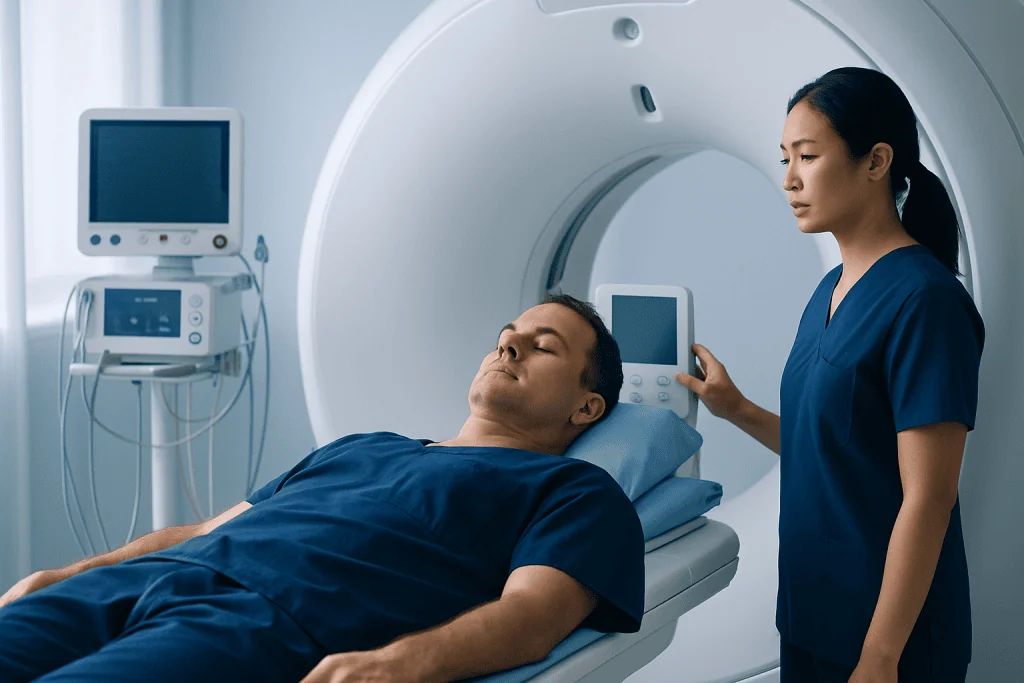
A non-contrast CT scan of the head is often the first test because it can quickly show fresh blood around the brain. If the CT scan does not clearly explain symptoms and suspicion remains high, a lumbar puncture may be considered in selected cases to look for blood breakdown products in the cerebrospinal fluid. Blood tests may also be used to check clotting, infection markers, kidney function, and general health.
Once subarachnoid hemorrhage is confirmed or strongly suspected, doctors usually perform vascular imaging to identify the source. This may include CT angiography, MR angiography, or catheter angiography. These tests help determine whether a ruptured aneurysm, vessel malformation, or another problem is present and guide next steps such as interventional neuroradiology or surgery.
Treatment options and emergency care
Treatment begins with stabilization. In the emergency setting, the team manages airway, breathing, blood pressure, pain, fluid balance, and complications such as seizures or hydrocephalus, which is a buildup of fluid in the brain. Care is often provided in an intensive care unit because the condition can change quickly in the first hours and days.
If a ruptured aneurysm is found, treatment usually aims to secure it and prevent rebleeding. Depending on the anatomy of the aneurysm and the person’s condition, doctors may recommend endovascular coiling or microsurgical clipping. Endovascular therapy is done from inside the blood vessels and may be part of minimally invasive aneurysm treatment. In other cases, neurosurgery is the most appropriate approach.
Doctors also work to prevent secondary complications. These can include vasospasm, in which blood vessels narrow and reduce blood flow to brain tissue; electrolyte imbalances; hydrocephalus; infection; and blood clots in the legs from prolonged immobility. Close monitoring, repeated examinations, and follow-up imaging guide daily decisions. If the person develops stroke-related deficits during recovery, coordinated stroke rehabilitation may help restore function and independence.
Treatment plans are individualized. Age, overall health, the cause of bleeding, level of consciousness, and imaging findings all influence the safest strategy. In complex cases, multidisciplinary care from emergency medicine, neurology, neuroradiology, neurosurgery, intensive care, and rehabilitation specialists is often beneficial.
Recovery, rehabilitation, and possible complications
Recovery after subarachnoid hemorrhage varies widely. Some people improve steadily after the bleeding source is treated, while others need a longer period of hospital care and rehabilitation. Fatigue is common, and even people who appear physically recovered may notice headaches, poor concentration, mood changes, sleep disturbance, or sensitivity to noise and light for some time.
Important complications can occur days after the initial event. Vasospasm and delayed cerebral ischemia may reduce blood flow to the brain. Hydrocephalus can cause drowsiness, gait problems, or worsening headache. Seizures, infections, and swallowing difficulties are other concerns during recovery. Because of this, regular reassessment is essential in the hospital and after discharge.
Rehabilitation may include physical therapy, occupational therapy, speech and language therapy, and neuropsychological support. The goal is not only survival but also a safe return to daily activities, work, and social life. Patients and families often benefit from clear explanations about the healing process, expected limitations, and warning signs that should prompt renewed medical review.
Prevention and self-care after treatment
Not every case of subarachnoid hemorrhage can be prevented, especially when trauma or an undiagnosed aneurysm is involved. Still, reducing vascular risk factors may lower risk. Helpful steps include controlling high blood pressure, avoiding smoking, limiting heavy alcohol use, wearing appropriate safety equipment to prevent head injury, and discussing any family history of aneurysm or hemorrhagic stroke with a doctor.
After treatment, self-care should follow the medical team’s instructions. This may involve taking prescribed medicines as directed, attending follow-up scans and appointments, gradually increasing activity, and avoiding activities that the doctor says may be unsafe during healing. Patients should ask before driving, returning to work, or resuming strenuous exercise.
Emotional recovery matters too. Anxiety about recurrence, frustration with fatigue, or difficulty with memory can affect both patients and relatives. Support from rehabilitation teams, counseling, and family education can be useful. Near the end of the care pathway, some international patients may choose centers such as Acibadem International, where multidisciplinary specialists in JCI-accredited hospitals diagnose and treat complex neurological conditions.
When to seek medical care
Emergency care is needed immediately for a sudden severe headache unlike usual headaches, especially if it comes with vomiting, fainting, seizure, confusion, neck stiffness, or any new neurological symptom such as weakness, numbness, trouble speaking, or vision loss. It is safest to call emergency services rather than drive if the person is drowsy, collapses, or is difficult to wake.
Urgent medical review is also important after a head injury if a severe headache develops, if the person becomes unusually sleepy, or if symptoms worsen over time. People who have a known aneurysm or a strong family history of aneurysm should discuss individualized monitoring and emergency warning signs with their doctor. Anyone recovering from subarachnoid hemorrhage should seek prompt reassessment for a new intense headache, declining alertness, fever, seizure, or new weakness.
Frequently asked questions
Is subarachnoid hemorrhage a stroke?
Yes. Subarachnoid hemorrhage is generally considered a type of hemorrhagic stroke because it involves bleeding in or around the brain. It differs from an ischemic stroke, which is caused by a blocked blood vessel rather than bleeding.
What does a subarachnoid hemorrhage headache feel like?
It is often described as a sudden, explosive headache that becomes severe very quickly. Many people call it the worst headache of their life, and it may come with nausea, neck stiffness, or light sensitivity.
Can subarachnoid hemorrhage happen without trauma?
Yes. Many cases happen without head injury, most often because a brain aneurysm ruptures. Trauma is also an important cause, but not all subarachnoid hemorrhages are related to an accident.
How is subarachnoid hemorrhage treated?
Treatment starts with emergency stabilization and close monitoring, often in intensive care. If an aneurysm is the cause, doctors may secure it with endovascular coiling or surgical clipping while also preventing complications such as vasospasm or hydrocephalus.
Can someone recover fully after subarachnoid hemorrhage?
Some people recover very well, especially when diagnosis and treatment are rapid. Others may need prolonged rehabilitation for physical, cognitive, or emotional effects, so recovery is highly individual.
Are there warning signs before a major bleed?
Sometimes there are no warning signs. In some cases, a person may have a sudden unusual headache days before the main event, which can represent a small leak and should be evaluated promptly.
This article is for general information only and is not a substitute for professional medical advice. Please consult a qualified doctor about your individual situation.
Explore treatments in Turkey — costs, top hospitals & a free quote
JCI-accredited · board-certified surgeons · reply within 24h
Add us as a Preferred Source to see more of our trusted health content across Google Search, AI Overviews and Discover.
Check your numbers in seconds
BMI, calories, due date, blood pressure and 30+ more clinical calculators — free, instant, doctor-reviewed ranges.

More from the Health Library

Liquid Iron: An Evidence-Based Guide for Patients

Bake Potato How: A Complete Medical Overview

Endometrial Biopsy: What Patients Need to Know

Dilated Pore of Winer — Explained by Medical Evidence, Not Myths

Fistula: An Evidence-Based Guide for Patients