Endometrial Biopsy: What Patients Need to Know

An endometrial biopsy checks the lining of the uterus for abnormal cells, inflammation, hormone-related changes, or cancerous and precancerous conditions. The procedure is usually brief and often done without general anesthesia, though some cramping and light bleeding afterward are common.
Key Takeaways
- An endometrial biopsy checks the lining of the uterus for abnormal cells, inflammation, hormone-related changes, or cancerous and precancerous conditions.
- The procedure is usually brief and often done without general anesthesia, though some cramping and light bleeding afterward are common.
- Doctors may recommend it for abnormal bleeding, bleeding after menopause, thickened endometrium on ultrasound, or certain fertility and hormone-treatment evaluations.
- Results can help guide next steps, but a normal biopsy does not always rule out every uterine problem, especially if symptoms continue.
- Patients should seek medical advice urgently for heavy bleeding, fever, severe pain, or foul-smelling discharge after the procedure.
An endometrial biopsy is a common office procedure that removes a small sample of the uterine lining so it can be examined under a microscope. It is often used to investigate abnormal uterine bleeding, changes after menopause, infertility evaluation, or to monitor the effects of hormone-related conditions and treatments.
Overview: what an endometrial biopsy is and why it is done
An endometrial biopsy is a medical test that removes a very small sample of tissue from the endometrium, the lining inside the uterus. A pathologist examines this sample under a microscope to look for changes in the cells and tissue structure. The goal is to understand why symptoms are happening and whether further treatment or testing is needed.
This test is most often used when a person has abnormal uterine bleeding, especially bleeding after menopause or bleeding that is heavier, longer, or less predictable than usual. It may also be used to assess hormone effects on the uterine lining, investigate possible inflammation or infection, or help evaluate fertility-related concerns. In some cases, it is recommended after an ultrasound shows a thickened lining.
Unlike imaging tests, an endometrial biopsy provides actual tissue for laboratory analysis. That makes it especially useful when doctors need more than a picture and want direct evidence of what is happening at the cellular level. Although it is a relatively small procedure, it can provide important information about conditions ranging from benign hormonal changes to precancerous abnormalities and cancer.
When a doctor may recommend an endometrial biopsy
Doctors do not recommend an endometrial biopsy for every episode of irregular bleeding. The decision usually depends on age, symptoms, medical history, ultrasound findings, and risk factors. In younger patients, it may be suggested when bleeding is persistent, when hormone-related treatments have not helped, or when there are conditions that increase the risk of endometrial changes.
Common reasons for recommending this test include:
- Bleeding after menopause
- Heavy, prolonged, or irregular menstrual bleeding
- Spotting between periods
- An abnormal or thickened uterine lining seen on ultrasound
- Follow-up of hormone therapy or certain medications
- Assessment of infertility or repeated pregnancy loss in selected cases
An endometrial biopsy may also be part of the workup for conditions linked to irregular ovulation, such as polycystic ovary syndrome, because prolonged exposure to estrogen without regular shedding of the lining can increase the chance of endometrial overgrowth. If imaging or symptoms suggest a structural problem such as uterine fibroids, the biopsy may help clarify whether bleeding is due to the lining itself, although fibroids are usually assessed primarily with imaging.
In some cases, a biopsy is done before or alongside other gynecologic procedures. For example, if bleeding is unexplained or the uterine lining needs more detailed evaluation, a doctor may recommend hysteroscopy to look directly inside the uterus, sometimes in addition to tissue sampling.
How the procedure is performed
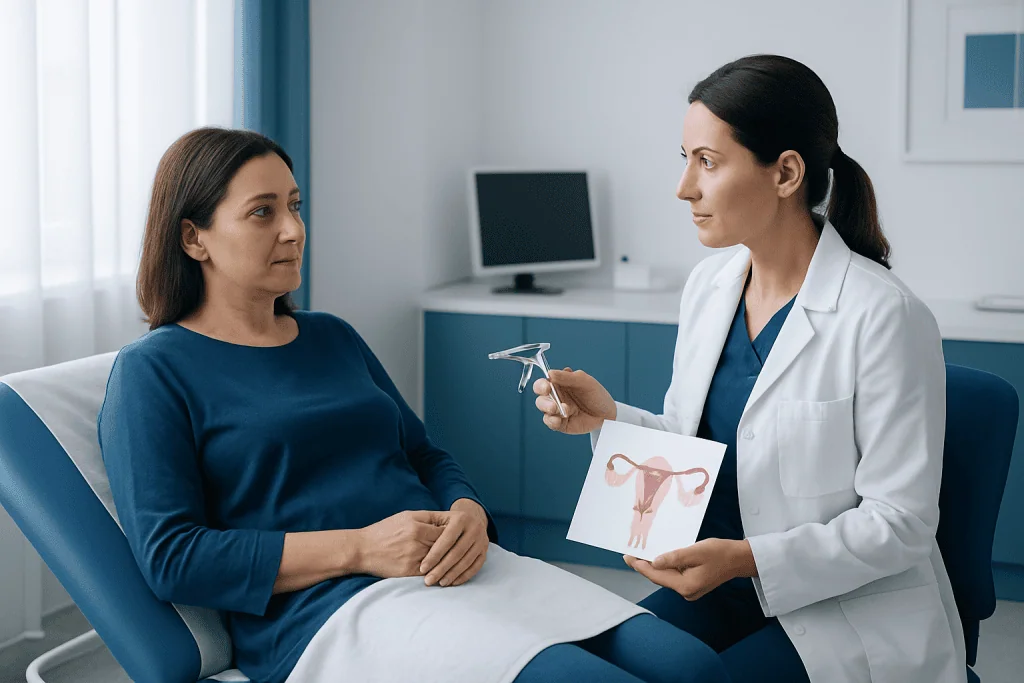
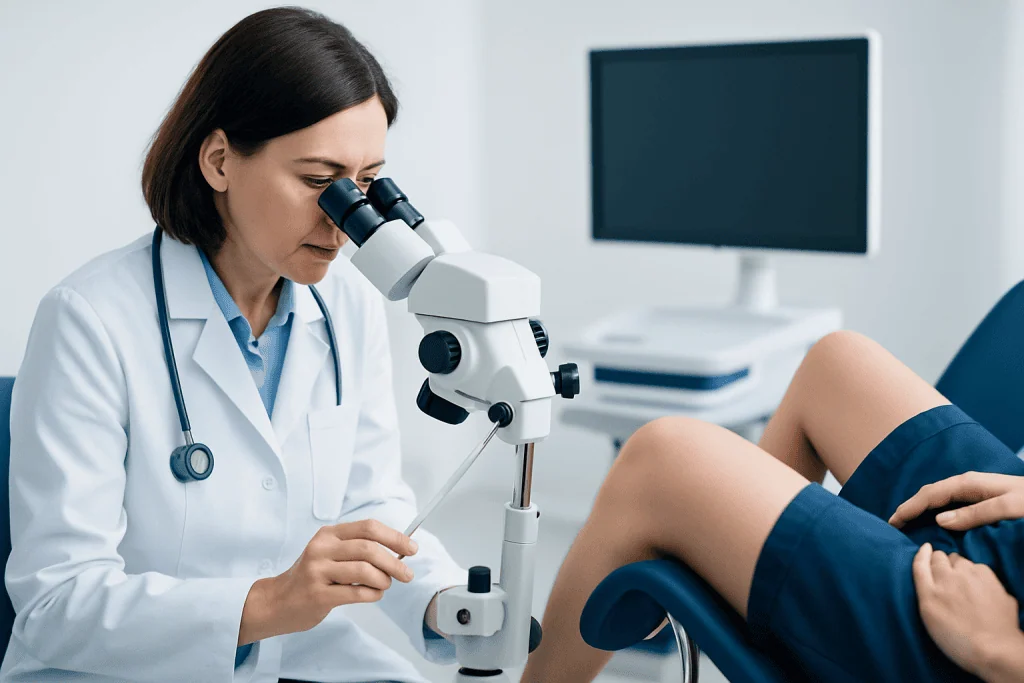
Most endometrial biopsies are done in a clinic or outpatient setting and take only a few minutes. The patient usually lies on an exam table in the same position used for a pelvic examination. A speculum is placed in the vagina so the cervix can be seen, and the cervix may be gently cleaned before the sample is taken.
A thin, flexible tube is passed through the cervix into the uterus. Gentle suction is then used to collect a small amount of tissue from the uterine lining. During this part of the procedure, many people feel menstrual-like cramping, pressure, or a brief sharp sensation. These feelings are typically short-lived, but comfort measures may be discussed in advance.
Before the biopsy, the doctor may review pregnancy status, medications, bleeding history, and any conditions that affect clotting or infection risk. Patients are often told what to expect, whether they should take a pain reliever beforehand, and whether they need someone to accompany them. General anesthesia is not usually required, but the plan may differ if the biopsy is being done together with another procedure.
After the tissue is collected, the sample is sent to a laboratory. Light spotting and mild cramping can happen afterward. Most patients can return to normal daily activities relatively quickly, although the doctor may recommend avoiding tampons, douching, or intercourse for a short time depending on the clinical situation.
What the results can show
Biopsy results may be reported as normal, benign but abnormal, insufficient, or suspicious for a more serious condition. A normal result means the sampled tissue did not show concerning changes at the time it was examined. However, a normal biopsy does not always explain every symptom, and sometimes further evaluation is still needed if bleeding continues.
Abnormal but noncancerous findings can include hormone-related changes, endometrial polyps suggested by the tissue pattern, inflammation, or overgrowth of the lining called hyperplasia. Hyperplasia can happen with long-term unopposed estrogen exposure and may or may not involve atypical cells. When atypia is present, closer monitoring and treatment are usually needed because the risk of cancer is higher.
An endometrial biopsy can also detect or strongly suggest endometrial cancer. If cancer is found or highly suspected, the patient is typically referred for additional imaging, staging, and specialist care. Related procedures such as laparoscopy may sometimes be used later in diagnosis or treatment planning, depending on the overall situation and the specialist’s recommendations.
Occasionally, the sample is too small or does not contain enough tissue for a clear answer. This is more common after menopause or if the lining is very thin. In that situation, the doctor may recommend repeating the biopsy, arranging additional imaging, or using a direct-visualization approach such as hysteroscopy with targeted sampling.
Benefits, limits, and possible risks
The main benefit of an endometrial biopsy is that it provides direct information from the uterine lining without requiring major surgery. It is generally quick, often done in an office setting, and can help avoid delays in diagnosing important conditions. For many patients, it offers a practical next step after symptoms such as unexplained bleeding.
Like all tests, it has limitations. A biopsy samples only a small portion of the lining, so it may miss a focal abnormality such as a small polyp or a lesion located in one area of the uterus. That is why results are interpreted together with symptoms, ultrasound findings, age, and risk factors. Persistent symptoms sometimes require additional evaluation even when the biopsy is reassuring.
Risks are usually low but can include pain, cramping, light bleeding, and temporary dizziness. Less commonly, infection, heavy bleeding, or injury to the uterus can occur. Patients should tell their doctor if they may be pregnant, have a bleeding disorder, take blood thinners, or have a history of cervical stenosis or pelvic infection, because these factors can affect safety and planning.
Recovery, self-care, and questions to ask
Recovery after an endometrial biopsy is usually straightforward. Mild cramping and light spotting may last for a short time, and many people find they can return to work or normal routines the same day. Using a sanitary pad rather than a tampon is often advised if spotting occurs. The care team will explain which activities to avoid temporarily and when to expect results.
Simple self-care measures can make the experience easier. Rest, hydration, and a heating pad may help with cramps. Patients should follow their doctor’s instructions about pain relief and avoid inserting anything into the vagina until told it is safe, especially if there is ongoing spotting or if another procedure was done at the same visit.
It can help to ask practical questions before and after the biopsy, such as what symptoms are normal, how results will be communicated, and what the next step will be if the sample is insufficient or abnormal. If a broader gynecologic problem is suspected, evaluation may also include imaging or treatments such as myomectomy when a structural cause of bleeding is identified.
For patients seeking coordinated evaluation across specialties, Acibadem International’s multidisciplinary specialists in JCI-accredited hospitals diagnose and treat gynecologic conditions for international patients, with care plans based on symptoms, imaging, pathology, and follow-up needs.
When to seek medical care
Medical advice should be sought promptly if there is bleeding after menopause, unusually heavy menstrual bleeding, or persistent spotting between periods. These symptoms do not always mean a serious condition is present, but they should be evaluated rather than ignored. Early assessment helps doctors decide whether a biopsy, ultrasound, or another test is the most appropriate next step.
After an endometrial biopsy, patients should contact a doctor if they develop severe pelvic pain, fever, chills, foul-smelling discharge, or bleeding that is much heavier than expected. Feeling faint, weak, or unwell after the procedure also deserves medical attention. These symptoms can suggest a complication and should not be managed only at home.
Follow-up is also important when the biopsy result is normal but symptoms continue. Ongoing abnormal bleeding may still require further testing because not all causes are detected by a single sample. A qualified gynecologist can explain the findings and advise on whether observation, repeat biopsy, imaging, or another procedure is needed.
Frequently asked questions
Is an endometrial biopsy painful?
Many patients feel cramping similar to menstrual pain during the procedure, especially when the sampling tube enters the uterus. The discomfort is usually brief, but the experience varies from person to person. Mild cramping or spotting afterward is also common.
How long does an endometrial biopsy take?
The actual tissue sampling usually takes only a few minutes, although the full visit is longer because of preparation and discussion. Most biopsies are done as an outpatient procedure. Patients can often go home shortly afterward.
Why would someone need an endometrial biopsy after menopause?
Bleeding after menopause is one of the most common reasons for this test. A biopsy helps check whether the uterine lining shows benign changes, hyperplasia, or cancer. It is an important way to evaluate postmenopausal bleeding directly.
Can a normal endometrial biopsy rule out all uterine problems?
No. A normal result is reassuring, but it does not always detect every focal lesion or explain every episode of bleeding. If symptoms continue, the doctor may recommend repeat testing, imaging, or hysteroscopy.
What should patients avoid after an endometrial biopsy?
Instructions vary, but doctors often advise avoiding tampons, douching, or intercourse for a short period after the procedure. This helps reduce irritation and supports healing. Patients should follow the specific guidance given by their care team.
Can an endometrial biopsy affect fertility?
A routine endometrial biopsy does not usually cause long-term fertility problems. It removes only a very small sample of the uterine lining. If fertility is a concern, it is best discussed with a gynecologist in the context of the person’s overall reproductive health.
This article is for general information only and is not a substitute for professional medical advice. Please consult a qualified doctor about your individual situation.
Oncology care in Turkey — second opinion and treatment plan
JCI-accredited · board-certified surgeons · reply within 24h
Add us as a Preferred Source to see more of our trusted health content across Google Search, AI Overviews and Discover.
Check your numbers in seconds
BMI, calories, due date, blood pressure and 30+ more clinical calculators — free, instant, doctor-reviewed ranges.

More from the Health Library

Double Jointed Thumb: An Evidence-Based Guide for Patients

Dme Medical Abbreviation — Explained by Medical Evidence, Not Myths

Open Book Pelvic Fracture: An Evidence-Based Guide for Patients

Blood in Mucus From Throat — Explained by Medical Evidence, Not Myths

Rose Water for Face: A Complete Medical Overview