Subdural Hematoma: Early Signs, Risk Factors, and How It Is Treated
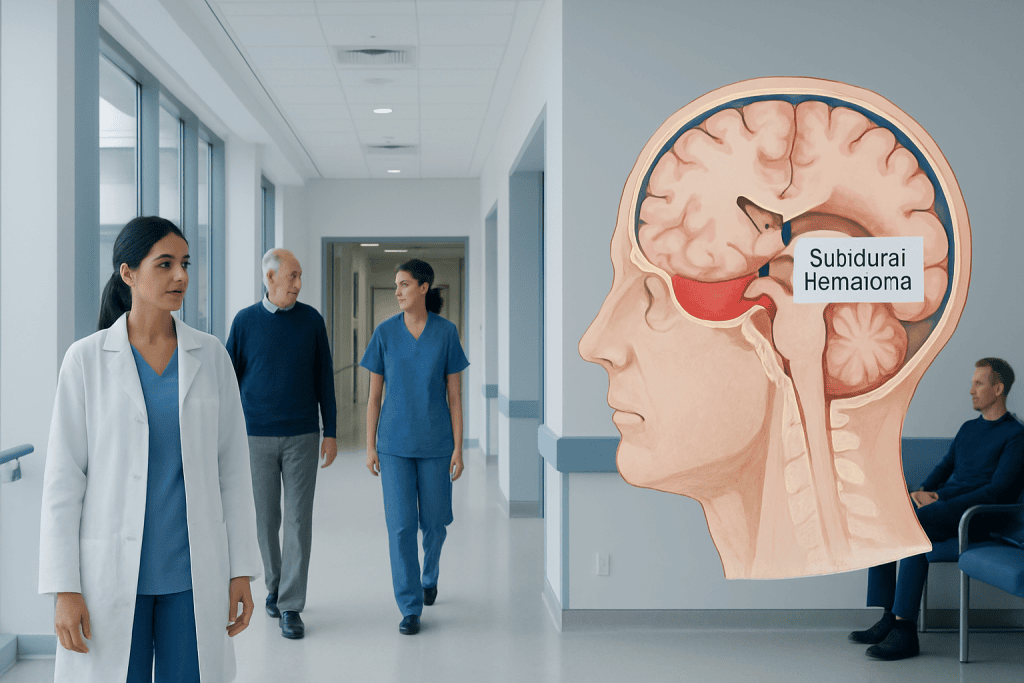
A subdural hematoma is a type of bleeding around the brain, often linked to head trauma. Symptoms may appear immediately or develop gradually, especially in older adults.
Key Takeaways
- A subdural hematoma is a type of bleeding around the brain, often linked to head trauma.
- Symptoms may appear immediately or develop gradually, especially in older adults.
- Blood thinners, alcohol misuse, and frequent falls can increase risk.
- Diagnosis usually involves urgent brain imaging, most often a CT scan.
- Treatment ranges from careful monitoring to emergency surgery, depending on severity.
- Sudden headache, confusion, weakness, seizures, or loss of consciousness require urgent medical care.
Subdural hematoma is a collection of blood between the brain and the dura, the brain’s outer protective covering. It can develop quickly after a head injury or more slowly over days to weeks, and treatment depends on the size of the bleed, symptoms, and pressure on the brain.
Overview: What a Subdural Hematoma Is
A subdural hematoma is bleeding that collects between the brain and the dura, the tough outer membrane that surrounds the brain. This bleeding usually happens when veins that bridge the space between the brain and dura tear, often after a blow to the head, a fall, or another injury. As blood gathers, it can press on the brain and interfere with normal brain function.
Not all subdural hematomas look the same. Some are acute, meaning they develop rapidly after a significant injury and can become life-threatening within hours. Others are subacute or chronic, meaning blood builds up more slowly over days or weeks. Chronic subdural hematomas can follow a seemingly minor bump to the head and may be harder to recognize at first.
This condition is different from a bruise on the scalp or a simple headache after a bump. Because the bleeding occurs inside the skull, symptoms can progress even when the outside injury seems mild. Prompt assessment is important, particularly in older adults, people taking blood thinners, and anyone with worsening neurological symptoms after head trauma.
Early Signs and Symptoms

Symptoms of a subdural hematoma vary depending on how fast the bleeding develops, how much blood has collected, and which part of the brain is under pressure. In acute cases, symptoms may begin soon after an injury. In chronic cases, they can appear gradually and may initially be mistaken for fatigue, a concussion, or age-related memory changes.
Early warning signs can include headache, confusion, drowsiness, trouble concentrating, nausea, and dizziness. Some people notice personality changes, slower thinking, balance problems, or increasing weakness. Family members may be the first to recognize that the person is acting differently or becoming less responsive than usual.
More serious symptoms can indicate rising pressure on the brain and need urgent attention. These may include:
- Loss of consciousness, even briefly
- Severe or worsening headache
- Weakness or numbness on one side of the body
- Slurred speech
- Seizures
- Repeated vomiting
- Unequal pupils or vision changes
- Increasing sleepiness or difficulty waking up
Because symptoms can evolve over time, medical follow-up matters even after a seemingly mild head injury. A person who felt well right after a fall may become confused or weak later, which should never be ignored.
Causes and Risk Factors

The most common cause of a subdural hematoma is head trauma. Falls are a leading trigger, especially in older adults. Motor vehicle collisions, sports injuries, and direct blows to the head can also cause bleeding. In infants, abusive head trauma is a serious cause that requires immediate medical evaluation and protection.
Age is a major risk factor. As people get older, the brain naturally shrinks slightly, which stretches the bridging veins and makes them more vulnerable to tearing. This is why an older person may develop a chronic subdural hematoma after a relatively minor injury. Repeated falls further increase risk.
Medicines and health conditions that affect clotting also matter. Blood thinners and antiplatelet drugs can increase both the chance of bleeding and the size of a hematoma once it begins. Heavy alcohol use, liver disease, bleeding disorders, and low platelet counts may contribute as well. People with brain atrophy, seizure disorders, or previous neurosurgery can also be at higher risk.
Sometimes there is no clear history of a major injury, especially in chronic cases. That does not rule out a subdural hematoma. A doctor may also consider other causes of neurological symptoms, such as brain tumor or stroke, which can produce some overlapping signs and require different treatment.
How Doctors Diagnose It
Diagnosis begins with a careful history and neurological examination. The doctor asks about recent falls, head injuries, blood thinner use, alcohol intake, and the timing of symptoms. The examination checks alertness, speech, memory, strength, sensation, balance, eye movements, and reflexes. Even subtle changes can help guide urgent testing.
Brain imaging is the key step. A non-contrast CT scan of the head is usually the first test because it is fast and effective for detecting bleeding. MRI may also be used, especially when symptoms are persistent, the diagnosis is uncertain, or a chronic collection needs more detailed evaluation. These scans help show the size of the hematoma, whether it is acute or chronic, and whether it is causing pressure or shift in brain structures.
Blood tests may be done to check clotting, platelet levels, anemia, or medication effects. In people taking anticoagulants, doctors also assess how strongly blood-thinning medicines are working because this can influence emergency treatment. If a seizure has occurred, additional monitoring may be needed.
When the diagnosis is confirmed, a neurology, emergency medicine, or neurosurgery team may become involved quickly. If there are concerns about the blood vessels or complex bleeding patterns, advanced evaluation and interventional neuroradiology techniques may be part of care planning in selected cases.
Treatment Options and Recovery
Treatment depends on the person’s symptoms, the size of the hematoma, whether it is expanding, and how much pressure it is placing on the brain. Small hematomas with mild symptoms may be managed with close observation, repeat scans, and treatment of contributing factors such as blood-thinning medication use. Hospital monitoring is often recommended when there is any concern about neurological change.
If blood thinners are contributing to bleeding, doctors may stop or reverse them when appropriate. Seizure prevention or treatment may be considered in some situations. Supportive care can include pain management, monitoring of blood pressure, and repeated neurological assessments to detect improvement or worsening.
Larger or symptomatic hematomas may require surgery to relieve pressure on the brain. The procedure depends on the type of hematoma and overall clinical situation. Common approaches include burr hole drainage for some chronic collections and more extensive operations, such as a craniotomy, when rapid access is needed to remove clot and control bleeding. In specialized centers, neurosurgery teams decide the safest option based on imaging and the patient’s condition.
Recovery can vary widely. Some people improve quickly after drainage, while others need rehabilitation for memory, movement, balance, or speech problems. Follow-up imaging may be needed to confirm that the hematoma is shrinking and not returning. If recovery includes weakness, coordination problems, or difficulty with daily activities, physical therapy and rehabilitation can support safer, steadier progress.
Prevention and Self-care After Head Injury
Not every subdural hematoma can be prevented, but reducing head injury risk is helpful. Fall prevention is especially important for older adults. Practical steps include removing loose rugs, improving lighting, wearing well-fitted shoes, reviewing medicines that may cause dizziness, and using mobility aids when needed. Vision and hearing checks can also reduce fall risk.
Seat belts, helmets for cycling or contact sports, and workplace safety precautions help protect the head. People who take blood thinners should not stop them on their own, but they should discuss fall risk and head injury plans with their doctor. Knowing when to seek urgent care after even a minor blow to the head can make a real difference.
After a head injury, rest and observation are important, but so is watching for change. A person should avoid alcohol, driving, or strenuous activity until assessed if there are concerning symptoms. It is often useful to have another adult monitor them for worsening headache, unusual behavior, sleepiness, vomiting, or new weakness during the first hours after injury.
If a chronic subdural hematoma has already been treated, follow-up care matters. Keeping appointments, taking medicines only as directed, and reporting recurring headaches, confusion, or balance changes can help detect complications early. In some patients, doctors also evaluate for other neurological conditions such as hydrocephalus when symptoms do not improve as expected.
When to Seek Medical Care
Urgent medical care is needed after a head injury if a person loses consciousness, develops a severe headache, becomes confused, vomits repeatedly, has a seizure, or shows weakness, numbness, or trouble speaking. These symptoms can suggest bleeding inside the skull, including a subdural hematoma, and should be assessed without delay.
Prompt evaluation is also important when symptoms appear later rather than immediately. An older adult who becomes increasingly sleepy, forgetful, unsteady, or different in behavior over several days after a fall should still be checked. The same is true for anyone taking anticoagulants or antiplatelet drugs, because bleeding may be more dangerous even after minor trauma.
Emergency services should be contacted if the person is hard to wake, stops responding normally, or has sudden one-sided weakness. It is safer not to wait for symptoms to “settle” when neurological signs are present. Early imaging can clarify whether there is a bleed and whether treatment is needed.
For international patients needing advanced neurological evaluation, Acibadem International’s multidisciplinary specialists in JCI-accredited hospitals diagnose and treat conditions such as subdural hematoma, including emergency assessment, imaging, and surgical care when required.
Frequently asked questions
Is a subdural hematoma always caused by a severe head injury?
No. While major trauma can cause an acute subdural hematoma, chronic subdural hematomas may happen after a minor bump or fall, especially in older adults. Some people do not remember a specific injury at all.
Can symptoms of a subdural hematoma appear days later?
Yes. Symptoms can begin immediately, but they may also develop gradually over days or weeks. This delayed pattern is one reason medical review is important when new confusion, headache, or weakness appears after a head injury.
How is a subdural hematoma different from a concussion?
A concussion is a brain injury that affects function, often without visible bleeding on imaging. A subdural hematoma involves actual bleeding around the brain, which can create pressure and may require urgent treatment. Some symptoms overlap, so imaging may be needed to tell the difference.
Does every subdural hematoma need surgery?
No. Small hematomas with mild symptoms may be monitored closely with repeat examinations and imaging. Surgery is more likely when the bleed is large, symptoms are worsening, or the brain is under significant pressure.
Are blood thinners dangerous if someone hits their head?
Blood thinners can increase the risk of bleeding and may make a subdural hematoma more serious. Anyone taking these medicines should seek medical advice promptly after a head injury, even if the injury seems minor.
Can a person recover fully from a subdural hematoma?
Many people do recover well, especially when the condition is recognized and treated early. Recovery depends on age, overall health, the size and location of the bleed, and how much brain pressure occurred before treatment.
References
- National Institute of Neurological Disorders and Stroke
- National Health Service
- Mayo Clinic
- American Association of Neurological Surgeons
- Centers for Disease Control and Prevention
This article is for general information only and is not a substitute for professional medical advice. Please consult a qualified doctor about your individual situation.
Explore treatments in Turkey — costs, top hospitals & a free quote
JCI-accredited · board-certified surgeons · reply within 24h
Add us as a Preferred Source to see more of our trusted health content across Google Search, AI Overviews and Discover.