Sunny Side Up Baby — Explained by Medical Evidence, Not Myths

Sunny side up baby usually refers to the occiput posterior position during labor. This position may cause stronger back pain, slower labor progress, or a greater chance of assisted delivery.
Key Takeaways
- Sunny side up baby usually refers to the occiput posterior position during labor.
- This position may cause stronger back pain, slower labor progress, or a greater chance of assisted delivery.
- Many babies rotate on their own during labor, and many posterior-position births are uncomplicated.
- Diagnosis is based on physical examination and sometimes ultrasound.
- Treatment focuses on labor support, position changes, pain relief, and safe delivery planning.
A sunny side up baby is a baby in the occiput posterior position, meaning the back of the baby's head is against the mother's back and the face is turned upward during labor. This position can contribute to back labor and a longer birth, but it is common and many babies are delivered safely with careful monitoring and supportive obstetric care.
What does sunny side up baby mean?
A sunny side up baby is a baby whose face is turned upward toward the mother’s abdomen during labor, rather than facing down toward the mother’s spine. In medical terms, this is usually called an occiput posterior position. The term describes the baby’s orientation in the pelvis, not a disease or birth defect.
When a baby is in the more common occiput anterior position, the back of the baby’s head points toward the front of the mother’s pelvis. In a sunny side up position, the baby’s head is still usually down, but the back of the head points more toward the mother’s back. This can change how the baby fits through the pelvis during labor.
Sunny side up positioning is not rare. It often becomes most relevant late in pregnancy or during labor, when the baby’s exact position can affect comfort, labor length, and delivery options. Even so, many babies in a posterior position rotate naturally before birth or are born vaginally without major problems.
How this position may affect labor and birth
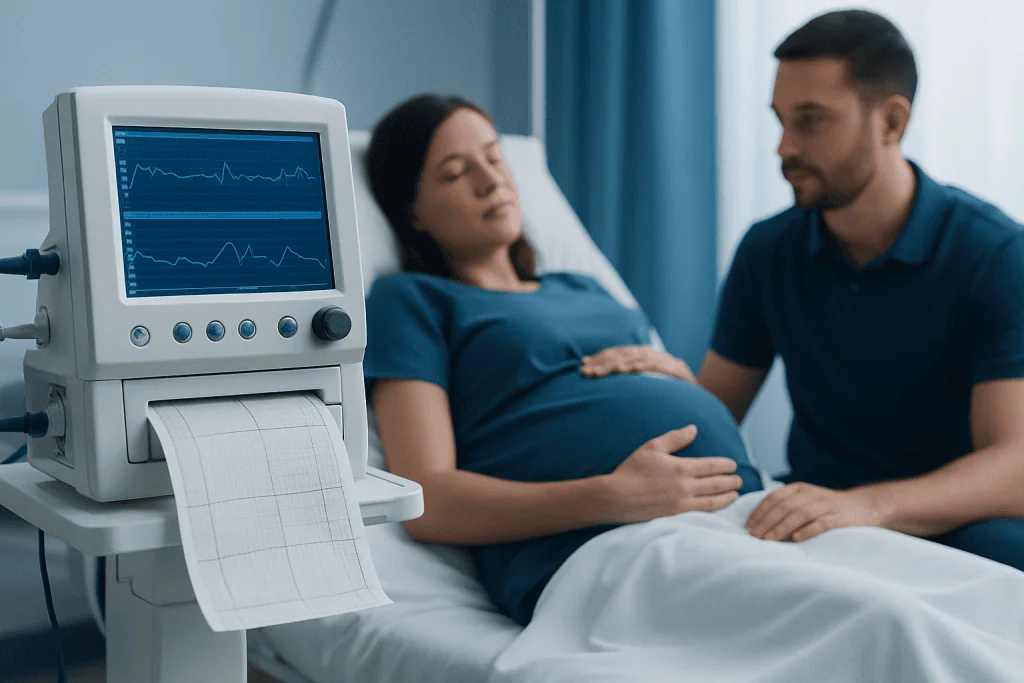
The main reason people ask about a sunny side up baby is that this position can make labor feel different. Contractions may be felt strongly in the lower back, a pattern often called back labor. Labor may also progress more slowly because the baby’s head may not flex and descend as efficiently as it does in the ideal anterior position.
Posterior positioning can increase the chance of a longer second stage of labor, meaning more time spent pushing. In some cases, the care team may recommend an assisted vaginal birth using instruments, or a cesarean birth if labor is not progressing or if there are signs the baby is not tolerating labor well. A sunny side up baby is one possible reason a doctor may discuss cesarean section as part of a safe delivery plan.
That said, position alone does not decide the outcome. The size of the baby, the shape of the pelvis, the strength of contractions, whether this is a first birth, and whether the baby rotates during labor all matter. A posterior position can make labor more challenging, but it does not automatically mean complications will occur.
Signs and symptoms associated with a sunny side up baby

Before labor, there may be few or no clear signs that a baby is sunny side up. Some pregnant people notice more kicks toward the front of the abdomen or a flatter-looking belly shape, but these observations are not reliable enough to confirm position. For many, the baby’s exact position becomes clearer only during labor.
During labor, one of the best-known symptoms is intense lower back pain that may come with or between contractions. Some people also experience a slower start to labor, a feeling of pressure in unusual places, or a prolonged pushing stage. However, back pain in labor can have more than one cause, so it does not always mean the baby is posterior.
If labor progress slows, the obstetric team may assess for fetal position, head descent, and rotation. A sunny side up baby can overlap with other labor issues, which is why medical assessment matters. In some situations, posterior position may occur alongside other pregnancy or birth concerns that need separate attention, such as placenta previa or preeclampsia, though these are not caused by the baby’s position.
Why it happens and who may be more likely to experience it
In most cases, there is no single clear reason why a baby settles into a posterior position. Baby movement in late pregnancy is natural, and fetal position can change many times before labor begins. A sunny side up position often reflects normal variation rather than something the mother did or did not do.
Some factors may make a persistent posterior position more likely. These can include a first pregnancy, certain pelvic shapes, a baby with a more extended head posture, or labor patterns in which rotation does not happen easily. Sometimes posterior positioning is simply temporary, and the baby rotates forward during active labor.
There are many myths about posture, sleep position, or household activities guaranteeing that a baby will turn. Current medical evidence does not support simple promises or blame-based explanations. Gentle movement and upright positions may support comfort and labor mechanics, but no single exercise can guarantee correction of fetal position.
How doctors and midwives diagnose fetal position
Diagnosis usually begins with a clinical examination. During pregnancy or labor, a doctor or midwife may feel the mother’s abdomen to estimate where the baby’s back, limbs, and head are located. During labor, a vaginal examination may help assess how the baby’s head is positioned in the pelvis and whether rotation is occurring.
Ultrasound can also be used when the position is uncertain or when labor is not progressing as expected. Imaging may provide a clearer view of the baby’s head direction and help guide decisions about labor support or delivery. If needed, ultrasound is a safe and common tool for evaluating fetal position.
Diagnosis is not only about labeling the position. The care team also looks at contraction pattern, cervical dilation, the baby’s heart rate, and the overall progress of labor. This broader picture helps determine whether expectant management, positional support, assisted delivery, or surgery may be the safest next step.
Treatment and management during labor
Management of a sunny side up baby depends on how labor is progressing and how both mother and baby are doing. Supportive care often includes changing positions, walking if appropriate, using a birthing ball, side-lying rest, or hands-and-knees postures to improve comfort. These methods may or may not help rotation, but they can reduce pressure and help labor feel more manageable.
Pain relief is also important. Back labor can be tiring, so options such as massage, heat, breathing techniques, and epidural analgesia may be discussed. Sometimes the obstetric clinician may attempt manual rotation during labor if it is appropriate and performed by an experienced professional.
If the baby’s head remains posterior and labor stalls, assisted vaginal birth may be considered in selected cases. If there is failure to progress, fetal distress, or concern for the safety of mother or baby, a cesarean birth may be recommended. In hospitals with comprehensive maternity services, care may involve fetal monitoring and, when needed, epidural anesthesia to support a safer and more comfortable labor experience.
Near the end of the care pathway, multidisciplinary maternity teams may coordinate obstetric, anesthesia, and newborn care. Acibadem International’s JCI-accredited hospitals care for international patients with pregnancy and delivery needs through multidisciplinary specialists when evaluation or treatment is needed.
What is supported by evidence and what is not
Medical evidence supports careful monitoring, individualized labor management, and informed decisions about pain relief and delivery method. It also supports the fact that many posterior-position babies rotate spontaneously and that a vaginal birth is still possible in many cases. The best approach is usually flexible rather than rigid.
What is less supported are strong claims that one posture, one stretch, or one home technique can reliably turn a sunny side up baby before or during labor. Some comfort measures are reasonable and low risk, but they should not replace medical assessment when labor is prolonged or especially painful.
It is also important to separate a sunny side up position from true emergencies. A posterior baby can make labor more difficult, but it is not the same as a dangerous presentation such as a transverse lie or some forms of breech presentation. Clear diagnosis helps avoid unnecessary fear while ensuring timely care when needed.
When to seek medical care
Pregnant people should contact a healthcare professional if they think labor has started, if contractions become regular and painful, or if there is concern about the baby’s movement pattern. During labor, severe back pain alone does not confirm a sunny side up baby, but it is a good reason to ask for assessment and support.
Urgent medical attention is needed for vaginal bleeding, leaking fluid with a change in the baby’s movement, fever, severe headache, chest pain, difficulty breathing, or signs that labor is not progressing despite strong contractions. Immediate evaluation is also important if there is concern about high blood pressure symptoms, heavy bleeding, or reduced fetal movement.
Routine prenatal care remains the best way to prepare for labor questions, including fetal position. A qualified obstetrician or midwife can explain what is normal, what may improve with supportive techniques, and when intervention may be safest. Reassurance is appropriate in many cases, but ongoing monitoring is the key to safe decision-making.
Frequently asked questions
Is a sunny side up baby dangerous?
Usually not. A sunny side up baby can make labor longer or more uncomfortable, especially because of back pain, but many babies are born safely with routine obstetric care and monitoring.
Can a sunny side up baby turn during labor?
Yes. Many babies in a posterior position rotate on their own during labor, especially as contractions continue and the baby descends into the pelvis. Whether this happens depends on several factors, including the baby's position and the progress of labor.
Does a sunny side up baby always mean a cesarean birth?
No. Although posterior positioning can increase the chance of assisted delivery or cesarean section, it does not make surgery inevitable. Many people still have a vaginal birth, especially if the baby rotates or labor continues to progress.
What does back labor feel like?
Back labor is often described as strong pain or pressure in the lower back during contractions, and sometimes between contractions as well. It is commonly associated with a posterior baby position, but other labor patterns can also cause back pain.
Can exercises or posture fix a sunny side up baby before birth?
Gentle movement and position changes may improve comfort and may sometimes support favorable labor mechanics, but they cannot guarantee that the baby will turn. It is best to discuss any positioning techniques with a qualified maternity professional.
How do doctors know if a baby is sunny side up?
Doctors and midwives usually assess fetal position with abdominal examination, vaginal examination during labor, and sometimes ultrasound. They also consider how labor is progressing and how the baby is tolerating labor.
This article is for general information only and is not a substitute for professional medical advice. Please consult a qualified doctor about your individual situation.
Explore treatments in Turkey — costs, top hospitals & a free quote
JCI-accredited · board-certified surgeons · reply within 24h
Add us as a Preferred Source to see more of our trusted health content across Google Search, AI Overviews and Discover.

More from the Health Library

Green Tea Extract: A Complete Medical Overview

Dislocated Knee: What Patients Need to Know

Micro Dermabrasion: Procedure, Recovery and Results
Teriparatide: What Patients Need to Know

Baking Soda for UTI: An Evidence-Based Guide for Patients