Surgical Technologist: What Patients Need to Know

A surgical technologist is part of the operating room team and focuses on preparation, sterility, and organization. They do not perform the surgery, but they help surgeons and nurses work efficiently and safely.
Key Takeaways
- A surgical technologist is part of the operating room team and focuses on preparation, sterility, and organization.
- They do not perform the surgery, but they help surgeons and nurses work efficiently and safely.
- Their work includes setting up instruments, checking supplies, and helping maintain a sterile field.
- Surgical technologists are different from surgeons, anesthesiologists, and operating room nurses, although they work closely with all of them.
- Patients usually meet many team members before surgery, but the surgical technologist's role is often behind the scenes.
- Questions about the surgical team, preparation, and safety steps are appropriate to ask before an operation.
A surgical technologist is a trained operating room professional who prepares equipment, maintains a sterile field, and assists the surgical team before, during, and after surgery. For patients, this role matters because careful preparation and infection-control practices help support a safer, more organized surgical experience.
Overview: what a surgical technologist does
A surgical technologist is a healthcare professional who helps prepare the operating room and supports the surgical team throughout a procedure. In simple terms, this person helps make sure the right instruments, equipment, and sterile supplies are ready and available so surgery can proceed in an organized and safe way.
Patients may not always meet the surgical technologist for long before an operation, because much of this work happens behind the scenes. Even so, the role is important. A well-prepared operating room, careful handling of instruments, and close attention to sterile technique all help reduce avoidable problems and support smooth teamwork.
Surgical technologists work alongside surgeons, anesthesiologists, nurses, and other operating room staff. Their responsibilities can vary depending on the type of procedure, the hospital, and local regulations, but the central goal is the same: to help create the safest possible environment for surgery.
Why this role matters to patients
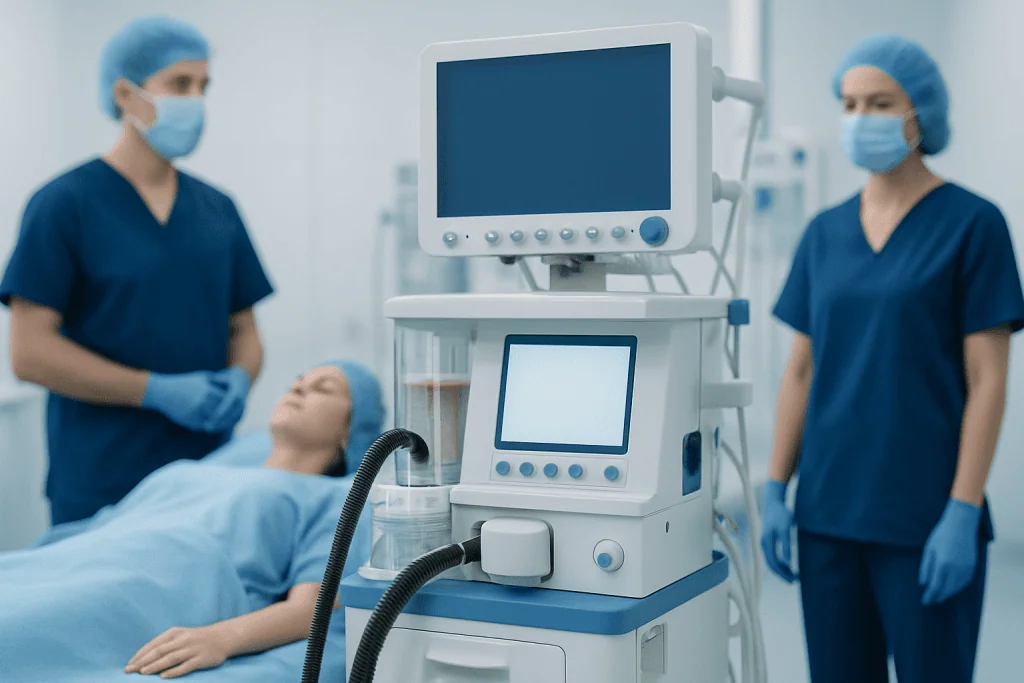
From a patient perspective, surgery can feel complex because many professionals are involved. Understanding the surgical technologist’s role can make that experience easier to follow. This team member helps ensure that instruments are sterile, supplies are complete, and the operating room is ready before the patient arrives.
During surgery, timing and coordination matter. Surgical technologists pass instruments, track sterile items, and anticipate what the surgeon may need next. This support helps the surgeon stay focused on the procedure itself while the rest of the team maintains efficiency and safety.
After surgery, the work continues. Instruments and supplies are counted, the sterile field is managed appropriately, and the room is prepared for safe closure of the procedure. For patients having operations such as robotic surgery or laparoscopic surgery, careful equipment preparation is especially important because these procedures depend on specialized tools and coordinated teamwork.
What happens before, during, and after surgery

Before surgery, the surgical technologist usually checks that the operating room is set up properly. This may include preparing surgical trays, arranging sterile drapes, confirming that instruments are available, and making sure needed devices are functioning. Depending on the operation, they may also help with patient positioning once the patient is in the operating room, under the direction of the surgical team.
During the operation, the surgical technologist helps maintain the sterile field. This means protecting the area and equipment from contamination. They may hand instruments to the surgeon, manage sutures and dressings, and monitor supplies so replacements are ready if needed. Their attention to detail supports both safety and workflow.
After the procedure, they assist with instrument counts and room turnover procedures. Correct counting of sponges, needles, and instruments is an important safety step. The operating room team follows established protocols so that each part of care is completed carefully and consistently.
- Prepare sterile instruments and supplies
- Check equipment and procedure readiness
- Support sterile technique during surgery
- Assist with counts and post-procedure organization
How a surgical technologist differs from other operating room professionals
It is common for patients to wonder who does what in the operating room. The surgeon performs the operation. The anesthesiologist or nurse anesthetist manages anesthesia, pain control, and vital functions during the procedure. Operating room nurses coordinate patient care, documentation, safety checks, and recovery planning. The surgical technologist focuses on sterile preparation, instruments, and direct technical support during the procedure.
These roles overlap in teamwork, but they are not the same. For example, a surgical technologist may hand instruments and maintain the sterile field, while a circulating nurse moves in and out of the sterile area to obtain supplies, document care, and coordinate communication. Both are important, but their training and responsibilities differ.
In some procedures, patients may also hear about specialized teams. For example, surgeries involving neurosurgery or highly complex cancer operations may involve additional staff with specific technical expertise. Regardless of the specialty, the surgical technologist remains focused on readiness, sterility, and support within the operating room.
Training, skills, and standards of practice
Surgical technologists typically complete formal education and clinical training that covers anatomy, microbiology, sterile technique, surgical procedures, instrumentation, and patient safety. Training programs are designed to prepare them for the structured, detail-oriented work of the operating room. In many settings, employers may also look for certification or other recognized credentials, depending on local practice requirements.
The role requires strong technical knowledge, concentration, and communication. A surgical technologist must stay attentive to the procedure, understand the sequence of steps, and respond quickly to the surgeon’s needs while maintaining sterile technique. Small details matter in the operating room, so precision and consistency are essential.
Patients do not need to know every professional credential to feel informed. What matters most is that operating room care is delivered by trained staff working within established safety systems. Hospitals often use protocols, checklists, and ongoing training to support quality and reduce the risk of preventable errors.
Questions patients can ask before surgery
Many patients focus naturally on the surgeon and the procedure itself, but it is also reasonable to ask general questions about the operating room team. Knowing who will be present, how sterility is maintained, and what safety checks are used can help patients feel more prepared and reassured.
Useful questions may include whether there will be a preoperative checklist, how the team confirms the correct procedure and surgical site, and what infection-prevention measures are followed. Patients can also ask what to expect before entering the operating room and who will update family members during the procedure.
For surgeries related to conditions such as hernia or brain tumor, patients may want to know whether special instruments, imaging, or technology will be used. Near the end of the care journey, some international patients may choose centers such as Acibadem International, where multidisciplinary specialists and JCI-accredited hospitals diagnose and treat a wide range of surgical conditions.
When to seek medical care
A surgical technologist is not the person patients usually contact for medical advice after an operation. If a patient has concerns before or after surgery, the best step is to contact the surgeon, hospital care team, or another qualified clinician. Prompt communication helps questions get answered by the right professional.
Medical care should be sought urgently after surgery if there are warning signs such as chest pain, trouble breathing, heavy bleeding, confusion, severe pain that is rapidly worsening, or signs of a serious allergic reaction. Patients should also contact a doctor if they notice fever, increasing redness, swelling, drainage from the wound, or new symptoms that do not seem expected during recovery.
Even when symptoms are mild, it is appropriate to ask for guidance if something feels unusual. Early review can help identify normal healing, medication side effects, or complications that may need attention. Patients should always follow the discharge instructions given by their own surgical team.
Frequently asked questions
Is a surgical technologist the same as a surgeon?
No. A surgeon performs the operation, while a surgical technologist supports the procedure by preparing instruments, maintaining sterility, and assisting the operating room team. Both are important, but their training and responsibilities are different.
Will a patient meet the surgical technologist before surgery?
Sometimes, but not always for very long. Much of the surgical technologist's work happens before the patient enters the operating room. Patients are more likely to have longer conversations with the surgeon, anesthesiology team, and nurses.
Does a surgical technologist help prevent infection?
Yes, infection prevention is a key part of the role. Surgical technologists help maintain a sterile field, handle sterile instruments correctly, and support operating room protocols designed to reduce contamination. These steps are one part of the hospital's broader infection-control process.
What is the difference between a surgical technologist and an operating room nurse?
A surgical technologist mainly focuses on sterile instruments, setup, and technical assistance during the procedure. An operating room nurse has a broader nursing role that can include patient assessment, documentation, coordination, and advocacy. They work together closely as part of the same team.
Can patients ask about who will be in the operating room?
Yes. It is appropriate to ask who will be involved in the procedure and what each person's role will be. Many patients find that understanding the team helps reduce uncertainty before surgery.
Does every surgery involve a surgical technologist?
Not every procedure is staffed in exactly the same way, because team structures can vary by hospital, procedure type, and local regulations. However, many operating rooms include a surgical technologist or a professional performing a similar sterile support role. The hospital can explain how the team is organized for a specific operation.
This article is for general information only and is not a substitute for professional medical advice. Please consult a qualified doctor about your individual situation.
Explore treatments in Turkey — costs, top hospitals & a free quote
JCI-accredited · board-certified surgeons · reply within 24h
Add us as a Preferred Source to see more of our trusted health content across Google Search, AI Overviews and Discover.

More from the Health Library

Bump on Head: A Complete Medical Overview

Apple Vinegar Warts: What Patients Need to Know

Dermatophytes: What Patients Need to Know

Empyema: What Patients Need to Know

Omega 6: An Evidence-Based Guide for Patients