Surgical Tissue Heart Valve: Procedure, Recovery and Results

A tissue heart valve, also called a bioprosthetic valve, is usually made from carefully treated animal tissue supported by a frame. Surgery may replace a diseased aortic, mitral, tricuspid or pulmonary valve, or repair may be possible in selected cases.
Key Takeaways
- A tissue heart valve, also called a bioprosthetic valve, is usually made from carefully treated animal tissue supported by a frame.
- Surgery may replace a diseased aortic, mitral, tricuspid or pulmonary valve, or repair may be possible in selected cases.
- Recovery is gradual and often includes pain control, walking, breathing exercises, wound care and cardiac rehabilitation.
- Tissue valves do not usually require lifelong warfarin solely because of the valve, but some patients need blood-thinning medicine for other reasons.
- Tissue valve durability varies with age, valve type and health factors, so lifelong cardiology follow-up is important.
A surgical tissue heart valve is a biological replacement valve used when a heart valve is severely narrowed or leaky and cannot be repaired reliably. The operation can improve blood flow, reduce symptoms and support a return to everyday activities, with recovery guided by a cardiac care team.
Overview: What Is a Surgical Tissue Heart Valve?
A surgical tissue heart valve is a replacement valve implanted during open-heart surgery or another surgical heart procedure. It is used when one of the heart’s valves has become too narrow, too leaky or too damaged to maintain normal blood flow. Tissue valves are also called biological or bioprosthetic valves.
These valves are commonly made from specially treated cow or pig tissue, or from donated human tissue in particular situations. They are designed to open and close with each heartbeat, allowing blood to move forward and helping prevent backward flow. A surgeon selects the valve type after considering the affected valve, anatomy, age, general health, lifestyle and preferences.
Heart valve disease may develop gradually, so some people have few symptoms at first. When disease becomes severe, it can place strain on the heart and lead to breathlessness, fatigue, chest discomfort, dizziness, swelling or reduced exercise tolerance. A tissue valve can be an effective treatment when replacement is needed.
How It Works and Who May Be a Candidate
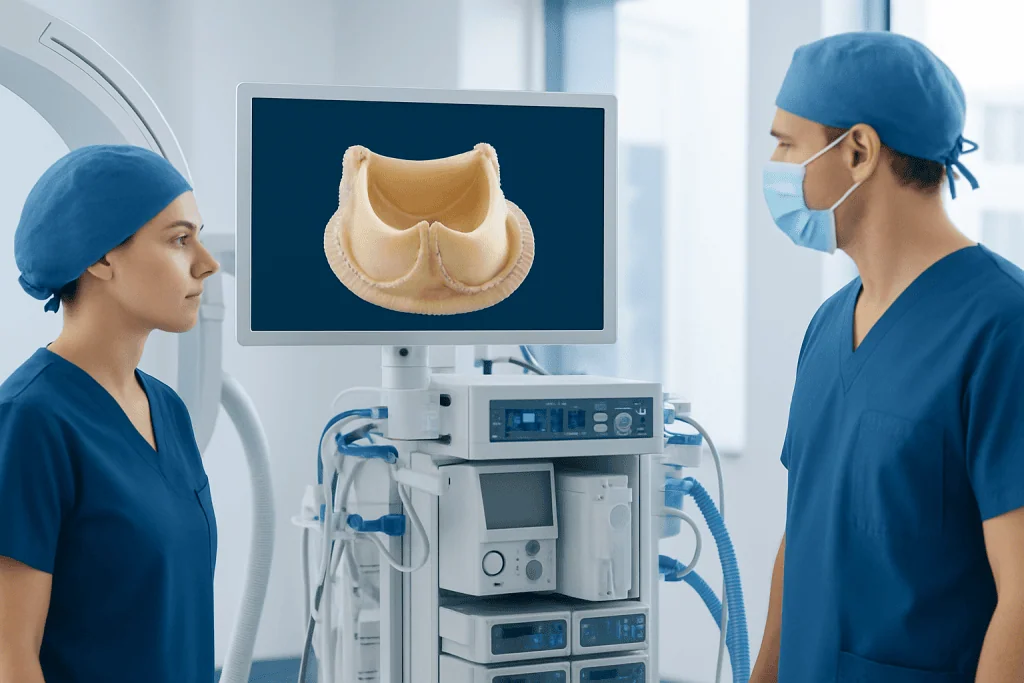
The heart has four valves: aortic, mitral, tricuspid and pulmonary. The aortic and mitral valves are most often treated in adults. A surgical procedure to repair a heart valve that has a narrow opening may be possible in selected cases, but severe narrowing, calcification or extensive damage can make replacement the safer or more durable choice.
Valve repair preserves the person’s own valve. The surgical reconstruction of a heart valve medical term is valvuloplasty or valve repair, depending on the technique used. A surgical reconstruction of a heart valve may involve reshaping valve leaflets, removing excess tissue, supporting the valve with a ring or repairing supporting structures. When repair is not suitable, the surgeon may recommend a tissue valve replacement.
People may be considered for a surgical tissue heart valve if they have severe aortic stenosis, significant valve regurgitation, infection-related valve damage or a failing previous valve. The decision is individualized. It also considers whether a catheter-based procedure may be appropriate, whether other heart surgery is needed and whether the person has conditions that affect surgical risk.
- A tissue valve may be preferred when avoiding long-term anticoagulant treatment is an important consideration.
- A mechanical valve may be discussed for some younger people because it may last longer, but it generally requires lifelong anticoagulation.
- Previous heart operations, kidney disease, lung disease, frailty and coronary artery disease can all influence planning.
Step by Step: What Happens During the Procedure

Before surgery, the care team performs tests to confirm the valve problem and plan treatment. These commonly include echocardiography, blood tests, an electrocardiogram and imaging of the heart and blood vessels. Some people also need coronary angiography or a CT scan. The surgeon and cardiologist explain the planned operation, alternatives and expected recovery.
Most surgical tissue heart valve procedures are performed under general anesthesia. In traditional open-heart surgery, the surgeon reaches the heart through the breastbone. In some suitable patients, less invasive incisions may be possible. During many valve operations, a heart-lung machine temporarily takes over circulation while the surgeon removes or treats the diseased valve and stitches the new tissue valve securely in place.
Depending on the findings, surgery may include more than valve replacement. For example, coronary artery bypass surgery, repair of another valve or treatment of an enlarged aorta may be performed during the same operation. After the valve is working properly, the heart is restarted, the incision is closed and the person is transferred to intensive monitoring.
For people with valve disease, a multidisciplinary review helps match the approach to individual needs. Surgical and catheter-based options may both be considered, including heart valve surgery when an operation offers the most appropriate treatment.
Benefits, Risks and Results
The main goal of a surgical tissue heart valve is to restore more normal blood flow and reduce the strain on the heart. Many people notice better stamina, less shortness of breath and improved ability to manage daily tasks after healing. Results depend on the original valve condition, heart muscle function, other medical conditions and regular follow-up care.
All heart surgery has risks. Possible complications include bleeding, infection, abnormal heart rhythm, stroke, kidney problems, blood clots, pneumonia, wound healing problems and reactions to anesthesia. There is also a small possibility that the valve may not function as expected or may need another procedure in the future. The surgical team assesses these risks carefully and uses preventive measures such as monitoring, infection control and early mobilization.
A tissue valve’s advantage is that it often does not require lifelong anticoagulation only because of the valve. However, blood-thinning medicines may still be needed for a period after surgery or for conditions such as atrial fibrillation, prior blood clots or another implanted device. Medication decisions should always be made with the cardiology team.
Regular echocardiograms remain important after surgery. They allow the team to check valve movement, heart pumping function and any change that may need attention. This is especially relevant for people with aortic stenosis, a common reason for aortic valve replacement.
Recovery Timeline and Daily Healing
After surgery, people usually spend time in an intensive care setting for close observation, followed by a stay in a cardiac surgical ward. The exact length of hospitalization varies. Early care focuses on stable heart rhythm, breathing, pain relief, fluid balance, safe movement and prevention of complications.
During the first days, patients are encouraged to sit up, walk with assistance and use breathing exercises. These actions support circulation and lung recovery. The care team provides instructions for the chest incision, bathing, activity, lifting limits, driving and medication use. If the breastbone was divided, it takes several weeks to heal, and activity restrictions are especially important during that period.
At home, fatigue is common and energy usually returns in stages rather than all at once. Many people build up short walks each day and gradually resume household activities. Cardiac rehabilitation may provide supervised exercise, education and emotional support. Follow-up appointments are essential for checking the incision, reviewing medicines and monitoring heart function.
Recovery can also involve adjustment emotionally. Temporary low mood, poor sleep, worry and changes in concentration may occur after major surgery. Sharing concerns with the care team, family members or a mental health professional can be helpful. Acibadem International’s multidisciplinary specialists and JCI-accredited hospitals support diagnosis and treatment planning for international patients requiring heart valve care.
How Painful Is Heart Valve Surgery Recovery?
Heart valve surgery recovery can be uncomfortable, especially during the first days and weeks, but pain is usually managed with a planned combination of medicines and supportive measures. People may feel soreness at the incision, chest tightness, muscle aching or discomfort when coughing, moving or taking deep breaths.
Pain should steadily improve rather than become more severe. Taking pain medicines as prescribed, using a pillow to support the chest while coughing, walking regularly as advised and following breathing exercises can make recovery more comfortable. The care team can adjust the pain plan if discomfort prevents sleep, movement or deep breathing.
Severe chest pain, sudden breathlessness, fainting, new weakness, fever or increasing redness and drainage from an incision should not be managed at home. These symptoms need prompt medical assessment.
How Long Will a Tissue Heart Valve Last?
A tissue heart valve does not have a single fixed lifespan. Durability varies according to the valve type, the valve position, age at implantation, calcium metabolism, kidney function and other individual factors. Tissue valves may gradually wear out over time through a process called structural valve deterioration.
In general, tissue valves tend to last longer in older adults than in younger adults, whose faster calcium-related changes and stronger immune response may contribute to earlier degeneration. Even when a valve begins to deteriorate, changes are often detected through routine follow-up echocardiograms before severe symptoms develop.
If a tissue valve eventually fails, treatment may include another surgical replacement or, for some people, a catheter-based valve-in-valve procedure. A cardiologist can explain what future options may be relevant based on the original valve, anatomy and overall health.
Is Heart Valve Surgery a Big Surgery? Can You Live a Normal Life After?
Traditional heart valve surgery is considered major surgery because it involves anesthesia, a significant chest incision in many cases, intensive monitoring and a structured recovery period. However, it is a well-established procedure performed by specialized cardiac teams. Less invasive surgical techniques may be possible for certain patients, but they still require careful preparation and recovery.
Many people can return to active, independent and fulfilling lives after heart valve surgery. The pace of recovery differs between individuals, and some need to make lasting adjustments involving medicines, follow-up appointments, dental care and heart-healthy habits. Exercise is often encouraged after medical clearance, particularly through a cardiac rehabilitation program.
Long-term care includes reporting new symptoms, attending periodic echocardiograms and taking medicines exactly as directed. Good oral hygiene and regular dental care are important because certain bacteria can enter the bloodstream and cause infective endocarditis in susceptible people. Patients should ask their clinician whether preventive antibiotics are recommended before specific dental procedures.
When to Seek Medical Care
Anyone with known valve disease should contact a clinician if breathlessness, fatigue, chest pressure, dizziness, palpitations, ankle swelling or reduced exercise capacity becomes new or noticeably worse. These symptoms do not always mean the valve has worsened, but they deserve assessment.
After surgery, urgent medical care is needed for severe or persistent chest pain, sudden difficulty breathing, fainting, signs of stroke such as facial drooping or trouble speaking, heavy bleeding, or a rapidly worsening condition. Contact the surgical team promptly for fever, chills, a wound that becomes increasingly red, swollen or draining, or a fast or irregular heartbeat.
Ongoing cardiology follow-up is a key part of living well with a tissue valve. It helps the care team monitor valve function, support recovery and identify concerns early.
Frequently asked questions
What is the difference between a tissue valve and a mechanical heart valve?
A tissue valve is made from treated biological tissue, while a mechanical valve is made from durable artificial materials. Mechanical valves generally last longer but usually require lifelong anticoagulant medicine. Tissue valves often avoid that requirement, although they may wear out over time and some patients still need anticoagulation for other medical reasons.
Can a surgeon repair a valve instead of replacing it with a tissue valve?
Yes, repair may be possible depending on which valve is affected and how it is damaged. Repair is often considered for certain mitral and tricuspid valve problems, while heavily calcified or severely narrowed valves may need replacement. The decision is based on imaging, valve anatomy and the likelihood of a lasting result.
How long does it take to recover from surgical tissue heart valve surgery?
Initial hospital recovery commonly takes several days, while recovery at home continues for weeks. Full energy and confidence with activity can take several months, particularly after surgery through the breastbone. The timeline varies with age, overall health, other procedures performed and any complications.
Will I need blood thinners after receiving a tissue heart valve?
Some people receive blood-thinning medication for a limited time after surgery, depending on the valve type and individual circumstances. Others need longer-term treatment because of atrial fibrillation, blood clot history or another condition. A cardiologist or surgeon will provide an individualized medication plan.
Can a tissue heart valve be replaced again if it wears out?
Yes. If a tissue valve becomes narrowed or leaky over time, another procedure may be considered. Depending on the valve location, anatomy and overall health, options may include repeat surgery or a catheter-based valve-in-valve treatment.
What activities should be avoided after heart valve surgery?
In the early recovery period, patients should avoid heavy lifting, strenuous pushing or pulling, and driving until their surgical team says it is safe. The restrictions are especially important while the breastbone and incision heal. Gentle walking and prescribed rehabilitation activities are usually encouraged as recovery progresses.
References
- American Heart Association
- American College of Cardiology
- European Society of Cardiology
- National Heart, Lung, and Blood Institute
- Society of Thoracic Surgeons
This article is for general information only and is not a substitute for professional medical advice. Please consult a qualified doctor about your individual situation.
Heart care in Turkey — expert evaluation and treatment
JCI-accredited · board-certified surgeons · reply within 24h
Add us as a Preferred Source to see more of our trusted health content across Google Search, AI Overviews and Discover.