Swedish Massage: What Patients Need to Know
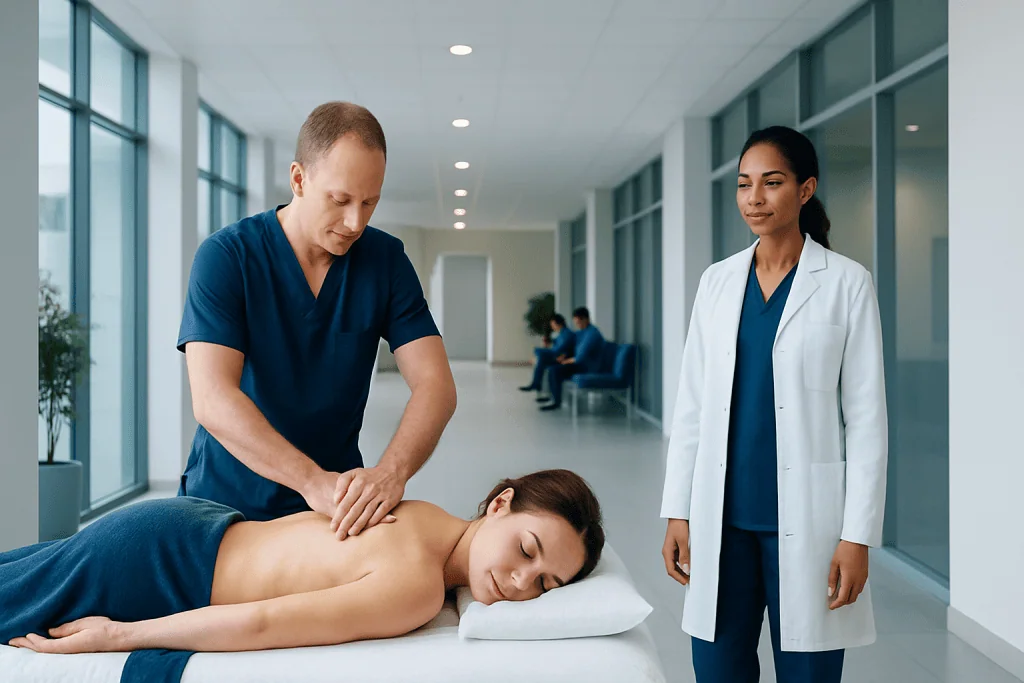
Swedish massage uses long strokes, kneading, friction, tapping, and gentle joint movement. It is commonly used for relaxation, temporary relief of muscle tightness, and stress reduction.
Key Takeaways
- Swedish massage uses long strokes, kneading, friction, tapping, and gentle joint movement.
- It is commonly used for relaxation, temporary relief of muscle tightness, and stress reduction.
- Most healthy adults can have Swedish massage safely, but some medical conditions require caution or medical advice first.
- Massage should not be used to diagnose or treat unexplained pain, fever, infection, or sudden swelling.
- Clear communication with the therapist about pain, pressure, pregnancy, medications, and health conditions is important.
Swedish massage is a gentle, structured massage technique designed to promote relaxation, improve comfort, and reduce everyday muscle tension. For many people, it is a safe wellness practice, but it is not a substitute for medical evaluation when pain, swelling, weakness, or other concerning symptoms are present.
Overview: what Swedish massage is and what it is used for
Swedish massage is a widely used massage style that focuses on relaxation and comfort. It usually involves smooth gliding strokes, kneading of muscles, circular pressure, rhythmic tapping, and gentle movement of joints. These techniques are typically applied with oil or lotion on bare skin, often in a calm setting that helps the body and mind settle.
Patients often ask whether Swedish massage is mainly a luxury treatment or a medical one. The answer is that it is most often used as a supportive wellness practice rather than a primary medical treatment. It may help people feel less tense, more relaxed, and more aware of areas of tightness in the neck, shoulders, back, arms, or legs.
From a clinical perspective, Swedish massage may support short-term relief of muscle discomfort related to stress, posture, or everyday overuse. Some people also report better sleep, less perceived stress, and a general sense of well-being after a session. However, it does not correct underlying structural problems, cure disease, or replace evaluation for persistent or unexplained symptoms.
Because many people seek massage when they already have pain, it is important to view Swedish massage in context. For simple muscle tension, it may be helpful. For pain linked to injury, nerve irritation, joint disease, or circulation problems, medical assessment may be needed first, especially if there are symptoms such as numbness, weakness, marked swelling, or pain that continues to worsen.
How Swedish massage works on the body
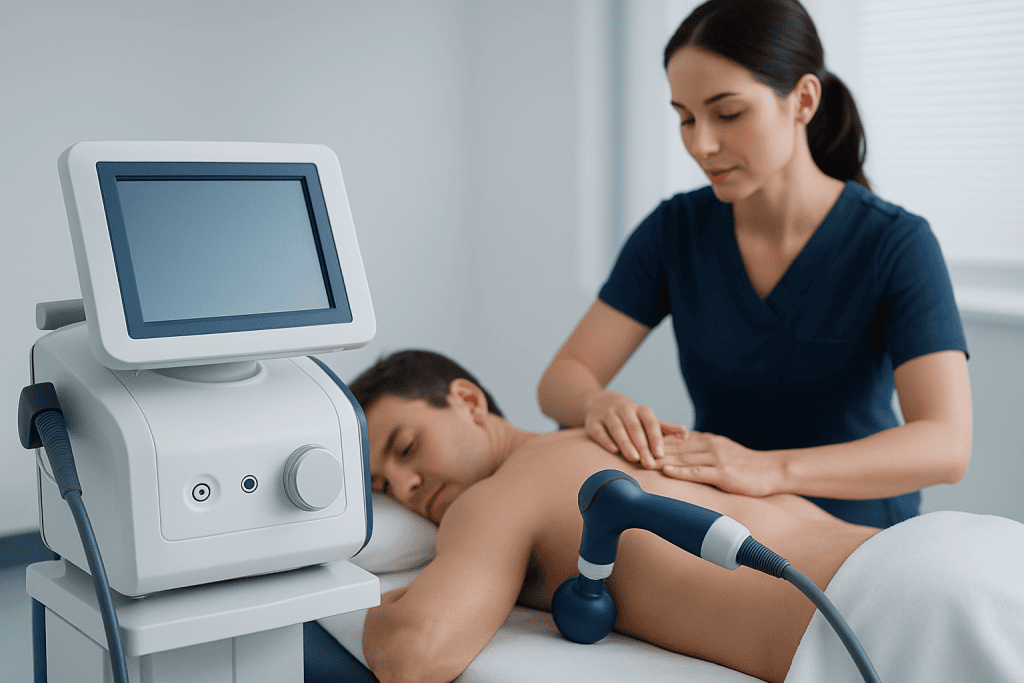
Swedish massage is based on manual pressure and movement applied to soft tissues such as muscles and fascia. The pressure is usually light to moderate, though it can be adjusted. Long strokes may encourage relaxation, while kneading and circular movements may help reduce the feeling of tightness in specific muscle groups.
Its effects are not only mechanical. Massage can also influence how the nervous system responds to touch, comfort, and stress. Many people notice slower breathing, reduced mental tension, and a temporary decrease in their awareness of discomfort during and after a session. This mind-body effect is one reason Swedish massage is commonly chosen by people with work-related stress or poor sleep.
Massage may also increase local blood flow to the skin and superficial tissues for a short time. This can create warmth and a sense of looseness in treated areas. Still, improved circulation from massage should not be confused with treatment for vascular disease or blood clots, which require medical care.
The experience should feel calming rather than intensely painful. Some tenderness can occur if an area is already tight, but strong pain is not the goal. If a patient is seeking more targeted treatment for rehabilitation or chronic musculoskeletal symptoms, a clinician may recommend combining massage with stretching, exercise therapy, posture correction, or physical therapy and rehabilitation.
Potential benefits and realistic expectations

People choose Swedish massage for different reasons, and the benefits can vary from person to person. Common goals include easing everyday muscle tension, unwinding after stress, improving relaxation, and feeling more comfortable in the body. For office workers, caregivers, travelers, and people with mild muscular stiffness, it may offer short-term relief and a sense of reset.
It is important to set realistic expectations. Swedish massage is generally best suited to generalized tension and stress-related discomfort, not severe pain caused by injury or disease. It may help reduce the sensation of tightness in areas such as the neck, shoulders, or lower back, but it is not a cure for conditions like a slipped disc, advanced arthritis, or nerve compression.
Some patients use Swedish massage as part of a broader symptom-management plan. For example, a doctor may advise supportive therapies for certain chronic pain patterns while also investigating the cause. If back or neck symptoms are persistent, there may be a need to assess for conditions such as herniated disc or other spinal problems before relying on massage alone.
There is also a difference between feeling better temporarily and addressing the source of symptoms. If massage helps but the pain returns quickly, becomes more frequent, or starts to limit movement and daily activities, a qualified doctor should review the problem. A balanced approach often gives better long-term results than repeated symptom relief alone.
What happens during a Swedish massage session
A Swedish massage session usually begins with a brief discussion about symptoms, health conditions, pressure preference, and the areas the patient wants addressed or avoided. This step matters because massage should be adapted to the individual. People should mention recent surgery, pregnancy, skin problems, medications such as blood thinners, or any history of blood clots, fractures, or cancer treatment.
During the session, the patient usually lies on a massage table and is draped with towels or sheets, with only the area being worked on exposed. The therapist may treat the back, shoulders, neck, arms, legs, feet, or scalp, depending on the plan. Pressure should feel comfortable and adjustable. If it feels too intense, the patient should speak up right away.
Afterward, many people feel relaxed, sleepy, or physically lighter. Mild soreness can happen, especially if muscles were already tight before treatment, but significant pain is not expected. Gentle movement, hydration according to normal daily needs, and avoiding unusually strenuous exercise for the rest of the day may help people feel more comfortable after the session.
In some cases, massage is used within a wider rehabilitation or pain-management pathway. If a clinician identifies an injury, joint issue, or chronic soft-tissue strain, additional treatments may be more appropriate than massage alone, such as orthopedic rehabilitation or supervised exercise-based care.
Safety, side effects, and who should be cautious
For many healthy adults, Swedish massage is considered low risk when performed by a trained professional and adapted to the person’s condition. The most common side effects are temporary and mild, such as brief soreness, fatigue, tenderness, or lightheadedness. These effects usually settle within a day or so.
Even though Swedish massage is gentle, it is not suitable in every situation. Massage should generally be avoided over areas with skin infection, open wounds, burns, unexplained rashes, or active inflammation. Extra caution is also needed for people with osteoporosis, recent fractures, severe bleeding disorders, low platelet counts, or those taking anticoagulant medication, because pressure may increase bruising or discomfort.
Patients should seek medical advice before massage if they have a history of deep vein thrombosis, sudden leg swelling, chest symptoms, fever, active cancer treatment plans, uncontrolled heart disease, or severe pain of unclear cause. Similarly, people with significant neck pain, numbness, tingling, or arm weakness may need assessment for nerve or spine conditions rather than immediate massage. In selected cases, a doctor may suggest imaging, MRI, or a specialist review first.
Pregnancy, older age, recent surgery, and chronic illness do not automatically rule out Swedish massage, but they do mean the session should be tailored carefully. Good practice includes asking permission before touching sensitive areas, adjusting pressure, and stopping immediately if symptoms worsen. A safe massage experience is based on communication, not endurance.
When Swedish massage may not be enough
Massage can be appealing because it is noninvasive and often feels good, but there are times when it is not the right first step. If someone has recurrent headaches, severe shoulder limitation, radiating back pain, persistent muscle cramps, or pain after an accident, the priority should be a diagnosis. Massage may mask symptoms temporarily without addressing the cause.
Musculoskeletal symptoms can come from many sources, including tendon injury, joint inflammation, nerve compression, posture-related strain, or referred pain from another problem. For example, ongoing neck and arm symptoms may need evaluation for cervical spine issues, while persistent low back pain might benefit from review by a spine or rehabilitation specialist. In such cases, treatment options may include exercise programs, medication, guided injections, or pain management strategies.
It is also important to recognize symptoms that suggest a condition outside the muscles. Swelling in one leg, new shortness of breath, fever with body pain, unexplained weight loss, fainting, or chest discomfort should not be attributed to stress or muscle tension. These symptoms require prompt medical assessment.
In a hospital-based setting, multidisciplinary evaluation can help distinguish simple soft-tissue tension from a condition that needs targeted care. Near the end of the care journey, some people may still choose massage as a supportive measure for relaxation, but only after the main medical issue has been properly assessed.
Self-care, choosing a qualified therapist, and when to seek medical care
People considering Swedish massage can improve safety by choosing a qualified therapist who takes a health history, explains what the session will involve, and responds to feedback. It helps to discuss goals clearly, such as stress relief, general relaxation, or mild muscular tightness. A good therapist will not claim to diagnose diseases or promise to cure chronic pain through massage alone.
Self-care can also support the effects of massage. Simple measures such as regular stretching, posture changes during desk work, gradual physical activity, and good sleep habits often matter as much as the massage itself. If symptoms are linked to repeated strain, ongoing self-management usually provides more durable benefit than occasional sessions alone.
Medical care should be sought if pain is severe, sudden, or linked to injury; if there is numbness, weakness, fever, redness, or significant swelling; or if symptoms keep returning despite rest and basic self-care. A doctor should also be consulted before massage for people with complex medical conditions, recent surgery, pregnancy concerns, or unexplained pain. Acibadem International’s multidisciplinary specialists in JCI-accredited hospitals evaluate musculoskeletal symptoms and can guide patients on whether supportive therapies such as massage are appropriate alongside medical treatment.
In short, Swedish massage can be a helpful wellness tool when used thoughtfully. Its role is strongest in relaxation and short-term easing of common muscle tension, while persistent or concerning symptoms deserve a medical explanation and a personalized care plan.
Frequently asked questions
What is Swedish massage best used for?
Swedish massage is best known for relaxation and temporary relief of everyday muscle tension. Many people choose it to reduce stress, ease stiffness, and feel more comfortable after work, travel, or prolonged sitting.
Is Swedish massage painful?
It should not be significantly painful. Some tender spots can occur, especially in tight muscles, but the pressure is usually gentle to moderate and should be adjusted if it feels uncomfortable.
How is Swedish massage different from deep tissue massage?
Swedish massage generally uses lighter, flowing techniques aimed at relaxation and broad muscle comfort. Deep tissue massage applies more focused pressure to deeper layers of muscle and connective tissue and may feel more intense.
Can Swedish massage help with back or neck pain?
It may help some people with mild, stress-related tightness in the back or neck. However, persistent, severe, or radiating pain may have another cause and should be assessed by a doctor rather than treated with massage alone.
Who should avoid Swedish massage or ask a doctor first?
People with fever, skin infection, open wounds, recent fractures, unexplained swelling, blood clot history, or severe pain of unknown cause should seek medical advice first. Extra caution is also important for those taking blood thinners, living with osteoporosis, or recovering from surgery.
What should a patient do before a Swedish massage session?
It helps to share a clear medical history, including pregnancy, surgeries, medications, and any painful or sensitive areas. Patients should also explain their goals and speak up about pressure preferences so the session can be adjusted safely.
References
- National Center for Complementary and Integrative Health
- Mayo Clinic
- American Academy of Family Physicians
- Cleveland Clinic
- World Health Organization
This article is for general information only and is not a substitute for professional medical advice. Please consult a qualified doctor about your individual situation.
Joint and spine care in Turkey — expert assessment & treatment
JCI-accredited · board-certified surgeons · reply within 24h
Add us as a Preferred Source to see more of our trusted health content across Google Search, AI Overviews and Discover.