Swollen Eyes Cream: Possible Causes and When to Seek Care

Swollen eyes cream may ease mild puffiness, but the best approach depends on the cause. Common reasons for swollen eyelids include allergies, irritation, lack of sleep, infections, and skin conditions.
Key Takeaways
- Swollen eyes cream may ease mild puffiness, but the best approach depends on the cause.
- Common reasons for swollen eyelids include allergies, irritation, lack of sleep, infections, and skin conditions.
- Redness, pain, discharge, fever, or changes in vision suggest the need for prompt medical care.
- Gentle skin care, cool compresses, and avoiding triggers may help simple swelling.
- Persistent or recurrent eyelid swelling should be evaluated by a qualified doctor or eye specialist.
Swollen eyes cream can sometimes soothe mild puffiness caused by fatigue, irritation, or allergies, but it does not treat every cause of eyelid swelling. If swelling is painful, one-sided, sudden, or linked with vision changes, fever, or discharge, medical assessment is important.
Overview: Can Swollen Eyes Cream Help?
Swollen eyes cream may help with mild puffiness around the eyelids, especially when the swelling is related to tiredness, temporary fluid retention, mild irritation, or allergy-prone skin. Many products are designed to moisturize delicate eyelid skin, support the skin barrier, and temporarily reduce the look of under-eye puffiness. However, creams do not treat every underlying reason for swelling.
The eyelids are thin and sensitive, so they can react quickly to many triggers. A new cosmetic product, rubbing the eyes, seasonal allergies, contact lens irritation, eczema, or an infection can all make the area look puffy. In some cases, the swelling is mainly cosmetic and short-lived. In others, it is a sign of a medical issue that needs diagnosis rather than self-treatment.
A practical way to think about swollen eyes cream is that it may be supportive care, not a universal solution. If the swelling is gentle, improves during the day, and is not accompanied by pain or visual symptoms, simple measures may be enough. If symptoms are severe, one-sided, worsening, or recurrent, it is safer to seek professional advice.
How Swollen Eyes Cream Fits Into Care
Not all creams marketed for swollen eyes do the same thing. Some are moisturizers for dry, irritated skin. Others focus on cooling or tightening the skin to reduce the appearance of puffiness. A few are formulated for people with sensitive eyelids and avoid fragrance or common irritants. Because the eyelid skin is delicate, a product that is too strong can make swelling worse rather than better.
When choosing a cream, it helps to look for simple, gentle formulations intended for use around the eyes. Fragrance-free products are often better tolerated. It is wise to avoid applying heavy amounts, mixing several new products at once, or using facial creams not designed for the eye area. Any stinging, burning, rash, or increased puffiness after application suggests the product should be stopped.
Swollen eyes cream is most suitable when there are no concerning signs of infection or injury. It may be combined with a cool compress, good sleep habits, allergy control, and reduced eye rubbing. If symptoms point to a skin disorder such as eczema or to an eye condition such as conjunctivitis, a clinician may suggest other therapies, including conjunctivitis care or targeted treatment for the eyelids and surrounding skin.
Possible Causes of Swollen Eyes

Swollen eyelids can happen for many reasons, and the appearance alone does not always reveal the cause. A person may wake up with both eyes puffy after poor sleep or excess salt intake, or develop sudden swelling in one eyelid due to a blocked gland, insect bite, or infection. Looking at the timing, associated symptoms, and triggers often helps narrow the explanation.
Common causes include:
- Allergic reactions to pollen, dust, pet dander, makeup, or skin care products
- Irritant contact reactions from soap, cleansers, sunscreen, or eye cosmetics
- Lack of sleep, crying, dehydration, or temporary fluid retention
- Blepharitis, a common eyelid inflammation
- Styes or blocked oil glands in the eyelid
- Conjunctivitis, especially if redness or discharge is present
- Skin conditions such as eczema or dermatitis
- Contact lens irritation or dryness
- Trauma, rubbing, or a foreign body
- Less commonly, deeper infection or systemic health conditions
Some causes mainly affect the skin and soft tissue, while others involve the eye itself. That distinction matters because treatments differ. For example, an allergic flare may respond to trigger avoidance and appropriate medication, while an infected eyelid can require prescription treatment. Persistent redness, crusting, or lid-margin irritation may also overlap with blepharitis, which often needs a more structured eyelid care plan.
Symptoms That Suggest More Than Simple Puffiness
Mild cosmetic puffiness tends to be soft, fairly symmetrical, and not very painful. It may be more noticeable in the morning and improve as the day goes on. In contrast, symptoms such as tenderness, warmth, marked redness, thick discharge, or trouble opening the eye point to inflammation or infection rather than routine swelling.
Important symptoms to pay attention to include pain in or around the eye, blurred vision, double vision, sensitivity to light, fever, and swelling that keeps worsening. Swelling in only one eye can still be harmless, but if it appears suddenly or is associated with a lump, trauma, or spreading redness, it deserves medical assessment.
In children, eyelid swelling is especially important to assess carefully because allergy, insect bites, and viral illness are common, but infection can also develop quickly. In adults, recurrent swelling can reflect chronic allergy, ongoing product irritation, skin disease, sinus issues, or an eyelid gland problem. If episodes keep returning, identifying and treating the trigger is more useful than repeatedly changing eye creams.
How Doctors Diagnose the Cause
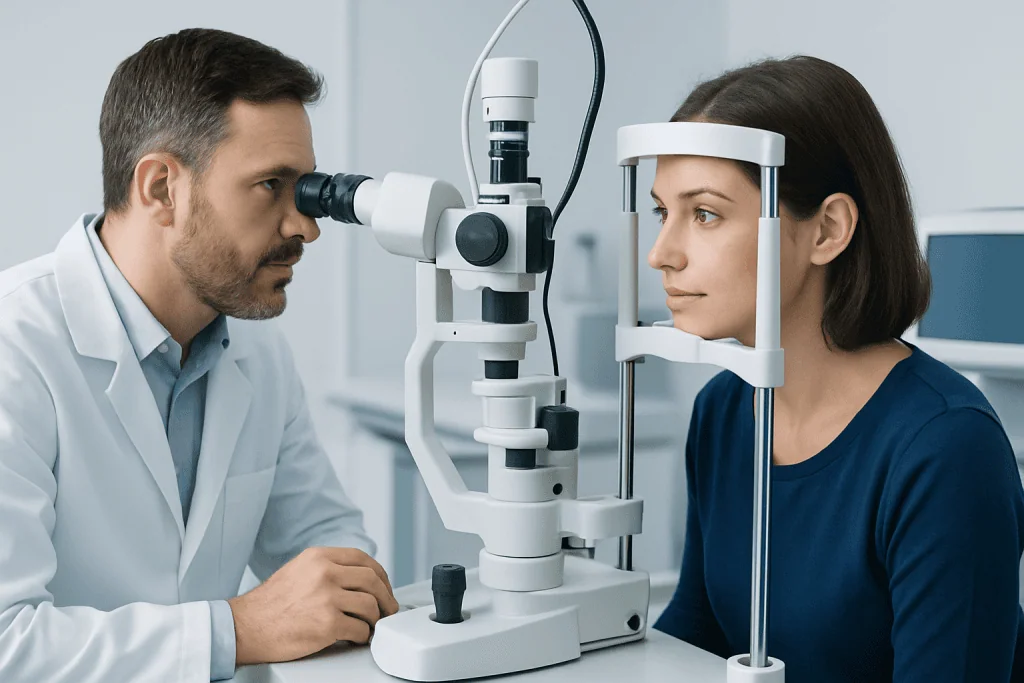
Doctors diagnose swollen eyes by combining the history of symptoms with an examination of the eyelids, eye surface, and surrounding skin. They usually ask when the swelling started, whether it affects one or both eyes, what products have been used recently, and whether there are symptoms such as itching, discharge, pain, fever, or vision changes. Contact lens use, recent infections, and a history of allergies or eczema are also relevant.
The examination may include checking visual acuity, eyelid tenderness, redness, the tear film, and whether the swelling is localized to a gland or spread more diffusely. In many cases, this clinical assessment is enough to identify the likely cause. Testing is not always needed for routine allergy or irritation.
If the clinician suspects an infection, a more significant eye condition, or an underlying medical issue, further evaluation may be recommended. Depending on symptoms, this could involve an ophthalmology review, skin assessment, or imaging. If swelling is linked with chronic tearing, pain, or lid abnormalities, specialist ophthalmology evaluation can help guide the next steps.
Treatment Options Beyond Creams
The best treatment depends on the diagnosis. For simple puffiness, conservative care may be enough: a cool compress for short periods, good hydration, gentle cleansing, and avoiding eye rubbing. If a cosmetic or skin care product appears to be the trigger, stopping it and simplifying the routine is often helpful. In many mild cases, swelling settles within a short time once irritation is removed.
If allergy is the cause, treatment may include avoiding the trigger and using clinician-recommended allergy therapies. If there is eczema or contact dermatitis of the eyelids, the focus is usually on skin-barrier support and careful control of inflammation with appropriate medical advice. For eyelid margin disease or blocked glands, warm compresses and lid hygiene may be advised instead of cooling creams.
When swelling comes from infection, prescription treatment may be needed. A stye, blepharitis flare, bacterial conjunctivitis, or deeper tissue infection each requires a different approach. If vision is affected or pain is significant, urgent review is appropriate. In selected cases, related care may involve allergy evaluation and management or dermatology assessment when a skin condition is contributing to recurrent eyelid swelling.
Prevention and Self-Care for Sensitive Eyelids
Because the skin around the eyes is thin, prevention often comes down to reducing irritation and protecting the skin barrier. Gentle self-care can lower the chance of repeated swelling, particularly in people who are prone to allergies or sensitive skin. It is usually better to keep the routine simple than to test multiple creams and serums around the same time.
Helpful measures include:
- Choose fragrance-free, eye-area-safe products
- Patch-test new cosmetics or skin care products when possible
- Avoid rubbing the eyes, especially during allergy season
- Remove eye makeup gently before sleep
- Clean contact lenses properly and follow wear instructions
- Use cool compresses for mild puffiness and warm compresses only if advised for blocked glands
- Manage known allergy triggers in the home and outdoors
- Get adequate sleep and stay well hydrated
If under-eye swelling is mostly cosmetic and tends to appear after salt intake, lack of sleep, or prolonged screen time, lifestyle adjustments may help as much as a cream does. However, chronic or unexplained swelling should not be dismissed as a beauty concern alone. Near the end of the care pathway, Acibadem International’s multidisciplinary specialists and JCI-accredited hospitals evaluate eye, skin, and allergy-related causes for international patients when more detailed assessment is needed.
When to Seek Medical Care
Medical care is advisable if swollen eyes do not improve, keep coming back, or are accompanied by pain, significant redness, discharge, fever, or a feeling that something is in the eye. Prompt evaluation is especially important if swelling is severe, affects only one eye with increasing redness, follows an injury, or occurs with reduced vision or double vision.
People with a known history of severe allergies should seek urgent help for eyelid swelling that comes with lip or tongue swelling, trouble breathing, or widespread hives. These symptoms can indicate a more serious allergic reaction. Children, older adults, and contact lens users should also be assessed sooner if symptoms are pronounced.
In general, a swollen eyes cream should not delay diagnosis when warning signs are present. A clinician can determine whether the problem is simple irritation, allergy, skin disease, or an infection requiring treatment. Early assessment can relieve discomfort and help protect eye health.
Frequently asked questions
Does swollen eyes cream really work?
It can help when puffiness is mild and related to tiredness, fluid retention, or minor irritation. It is less helpful if the swelling is caused by infection, a blocked gland, significant allergy, or an underlying skin condition.
What ingredients are usually safest around swollen eyelids?
Simple, fragrance-free moisturizers made for the eye area are often the best tolerated. Because eyelid skin is sensitive, it is wise to avoid harsh active ingredients unless a doctor has recommended them.
Should a cool compress or a cream be used first?
A cool compress is often a good first step for mild puffiness because it can reduce swelling without exposing the skin to a new product. A gentle cream may be added afterward if the skin feels dry or irritated and there are no warning signs.
Can allergies cause swollen eyes without other symptoms?
Yes. Some people mainly notice puffy, itchy eyelids, while others also have sneezing, tearing, or nasal congestion. Recurrent swelling during certain seasons or after exposure to pets, dust, or cosmetics may suggest allergy.
When is eyelid swelling an emergency?
Urgent medical care is needed if swelling is linked with breathing difficulty, sudden vision changes, severe pain, fever, trauma, or rapidly increasing redness. These features can suggest a serious allergic reaction, infection, or eye problem.
Can lack of sleep cause puffy eyes every morning?
Yes, poor sleep can contribute to temporary morning puffiness. If the swelling improves during the day and there are no other symptoms, lifestyle changes may help, but persistent or worsening swelling should still be checked.
This article is for general information only and is not a substitute for professional medical advice. Please consult a qualified doctor about your individual situation.
Explore treatments in Turkey — costs, top hospitals & a free quote
JCI-accredited · board-certified surgeons · reply within 24h
Add us as a Preferred Source to see more of our trusted health content across Google Search, AI Overviews and Discover.

More from the Health Library

Can You Put Hydrocortisone on Your Face? Here Is What the Evidence Says

Are Peaches Good for You? Causes, Explanations, and Next Steps

Tailbone Pain Cancer Symptoms Explained: Common Triggers and Red Flags

Nausea Sign of Period Explained: Common Triggers and Red Flags

Why Does My Head Hurt When I Cough? Causes, Explanations, and Next Steps