Swollen Lymph Nodes and Infection: Common Causes and When to Worry

Lymph nodes can swell when they react to infections such as colds, throat infections, dental infections, or skin infections. Tender, soft, and mobile lymph nodes are often linked to a short-term infection.
Key Takeaways
- Lymph nodes can swell when they react to infections such as colds, throat infections, dental infections, or skin infections.
- Tender, soft, and mobile lymph nodes are often linked to a short-term infection.
- Nodes that are very large, hard, fixed, painless, or present for several weeks should be assessed by a doctor.
- Treatment focuses on the cause, not just the swelling itself.
- Medical review is important if swollen lymph nodes come with fever, weight loss, night sweats, trouble breathing, or worsening symptoms.
Swollen lymph nodes are common and often happen when the body is fighting an infection. Most cases improve as the underlying illness settles, but some features deserve medical attention.
Overview
Lymph nodes are small, bean-shaped structures that are part of the immune system. They help filter lymph fluid and trap germs, abnormal cells, and other particles. Lymph nodes are found throughout the body, especially in the neck, under the jaw, armpits, chest, abdomen, and groin.
When a person has an infection or inflammation, nearby lymph nodes may become enlarged. This is called lymphadenopathy. In many cases, swollen lymph nodes and infection go together because the nodes are actively responding to viruses, bacteria, or other triggers.
Most swollen lymph nodes are temporary and improve once the underlying illness gets better. For example, a sore throat may cause swollen nodes in the neck, while a skin infection on the leg may cause swollen nodes in the groin. The location of the swelling often gives clues about the source.
Although infection is a very common reason, swollen lymph nodes can also occur for other reasons, including inflammatory conditions, certain medicines, and, less commonly, cancers. This is why persistent or unusual swelling should be assessed rather than ignored.
Symptoms and what swollen lymph nodes feel like
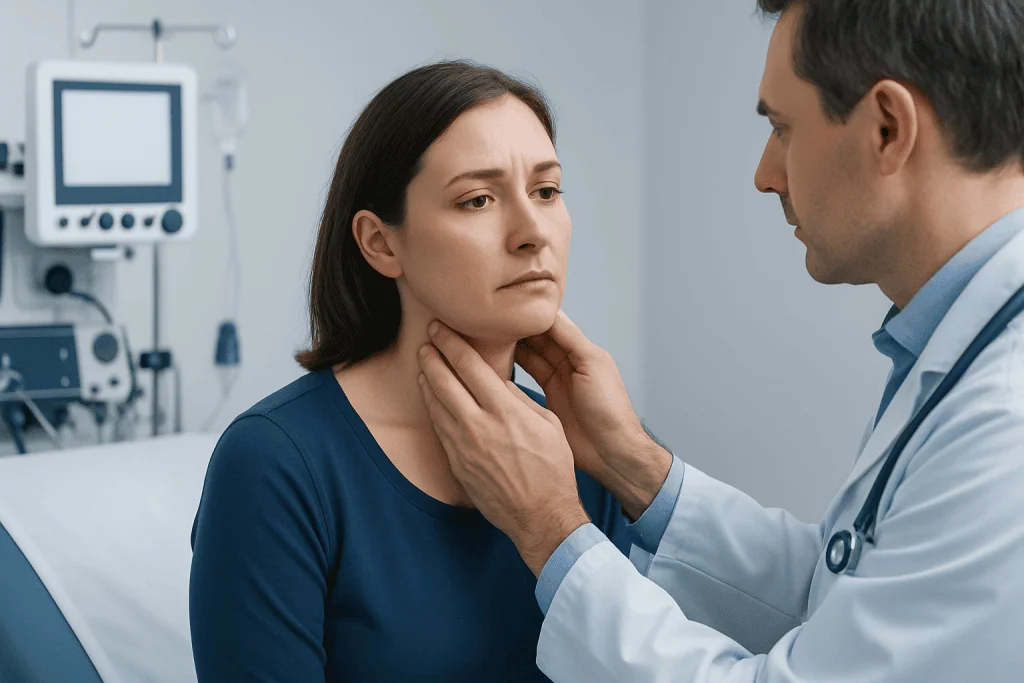
Swollen lymph nodes may feel like small lumps under the skin. They can be tender or painful, especially when caused by an infection. Some people notice discomfort when turning the neck, shaving, chewing, or pressing on the area.
The size and texture can vary. During a typical infection, nodes are often soft to firm, slightly movable, and sore. They may range from pea-sized to larger. In some cases, the skin over the node may feel warm or look red if the area is very inflamed.
Symptoms often depend on the underlying cause. Along with swollen nodes, a person may have:
- Sore throat or cough
- Runny nose or cold symptoms
- Fever
- Ear pain
- Tooth or gum pain
- Skin redness, swelling, or a wound
- Fatigue or body aches
Swelling in the neck is especially common with upper respiratory infections. Enlarged nodes in the armpit can happen with skin irritation or infection on the arm, while groin swelling may be linked to infections or injuries affecting the lower body. Generalized swelling in multiple areas may suggest a more widespread infection or another systemic condition.
Common causes and risk factors

Infections are the most common cause of swollen lymph nodes. Viral illnesses such as the common cold, influenza, COVID-19, and infectious mononucleosis can trigger enlarged nodes, particularly in the neck. Bacterial infections such as strep throat, tonsillitis, ear infections, dental abscesses, and skin infections are also frequent causes.
Sometimes the node itself becomes infected, which may lead to more obvious tenderness, warmth, and redness. Nearby inflammation from cuts, insect bites, or eczema can also stimulate lymph nodes. In some people, swollen nodes may appear after certain vaccinations because the immune system is responding as expected.
Other possible causes include chronic infections such as tuberculosis, sexually transmitted infections, and infections linked to travel or animal exposure. Non-infectious causes include autoimmune diseases and, less commonly, blood cancers or spread from another cancer. If symptoms suggest an ear, nose, or throat source, a doctor may also consider related conditions such as tonsillitis.
Risk factors depend on the underlying illness. A person may be more likely to develop swollen nodes if they have close contact with someone who is ill, poor dental health, recent skin injury, weakened immunity, or ongoing exposure to infectious environments. The risk of a more serious cause rises when swelling lasts longer than expected or appears with unexplained weight loss, night sweats, or persistent fever.
How doctors diagnose the cause
Diagnosis starts with a medical history and physical examination. A doctor will ask when the swelling began, whether it is painful, and what other symptoms are present. They will also ask about recent infections, dental problems, medications, travel, animal contact, and any personal history of immune disorders or cancer.
During the examination, the doctor checks the size, location, consistency, and mobility of the nodes. Tender, movable nodes often suggest infection, while hard or fixed nodes may need closer assessment. The throat, ears, skin, teeth, and other nearby areas are usually examined for a likely source.
If the cause is not clear or the swelling does not improve, tests may be recommended. These can include blood tests, throat swabs, or imaging. In selected cases, ultrasound can help assess the size and appearance of a lymph node and whether there is an abscess or another problem nearby.
More detailed imaging or tissue sampling may be needed if the swelling is persistent, unusual, or concerning. For example, MRI may be useful in certain complex areas, and a biopsy may be considered when a doctor needs to rule out less common causes. The aim is to identify the underlying condition so treatment can be chosen appropriately.
Treatment options
Treatment depends on the cause of the swollen lymph nodes. In many cases, no specific treatment is needed for the nodes themselves because they shrink as the infection resolves. Supportive care such as rest, fluids, and appropriate pain relief can help a person feel more comfortable while recovering.
If a bacterial infection is confirmed or strongly suspected, a doctor may prescribe antibiotics. This may be the case with strep throat, a dental infection, or an infected skin wound. If an abscess forms, drainage may sometimes be needed. When the source is a dental or ear, nose, and throat problem, treatment focuses on that area rather than the lymph node alone.
Viral infections usually improve with time and supportive care. If swollen nodes are linked to a specific viral illness, management may include symptom relief and monitoring. If another underlying condition is identified, such as an autoimmune disease or a blood disorder, treatment is tailored accordingly. In rare situations where a more serious diagnosis is suspected, further specialist care is arranged.
Patients should avoid repeatedly pressing or squeezing swollen nodes, as this can increase irritation. If symptoms involve the throat or tonsils, the doctor may assess whether care related to ENT evaluation is helpful. Near the end of the diagnostic process, multidisciplinary specialists at Acibadem International, in JCI-accredited hospitals, can evaluate and treat patients with persistent or unclear lymph node swelling.
Prevention and self-care
Not all causes of swollen lymph nodes can be prevented, but some practical steps can lower the risk of infection. Good hand hygiene, avoiding close contact with people who are unwell when possible, and staying up to date with recommended vaccines can help reduce common viral and bacterial illnesses.
Oral health matters as well. Regular tooth brushing, flossing, and dental check-ups may reduce the risk of gum disease and dental abscesses, both of which can cause swollen nodes in the jaw or neck. Prompt cleaning and care of cuts or insect bites may also help prevent skin infections.
At home, simple measures can support recovery while watching for improvement. Helpful self-care may include:
- Resting and drinking enough fluids
- Using a warm compress over a tender area if advised by a doctor
- Taking suitable over-the-counter pain relief if appropriate
- Monitoring whether the swelling is getting smaller over days to weeks
Self-care is not a substitute for medical assessment if symptoms are severe, persistent, or unusual. A person should seek professional advice rather than starting leftover antibiotics or delaying care for a suspected abscess or significant infection.
When to see a doctor
Many swollen lymph nodes improve after a short illness, but some situations need medical review. A doctor should assess swelling that lasts more than two to four weeks, continues to enlarge, or returns repeatedly without a clear reason. It is also important to seek care if the node feels hard, fixed in place, or much larger than expected.
Urgent medical attention is needed if swollen lymph nodes come with breathing difficulty, trouble swallowing, severe throat swelling, dehydration, or a high fever with worsening illness. Children, older adults, pregnant people, and those with weakened immune systems may need earlier review because infections can progress differently in these groups.
Other warning signs include unexplained weight loss, night sweats, persistent fatigue, or swollen nodes in several parts of the body. These symptoms do not automatically mean something serious, but they should not be ignored. In some cases, doctors may investigate for conditions beyond infection, including lymphoma.
When in doubt, a timely medical opinion is the safest approach. Early evaluation can confirm a minor infection, identify a treatable bacterial cause, or detect a less common problem that needs further care.
Frequently asked questions
Are swollen lymph nodes always caused by infection?
No. Infection is one of the most common causes, but lymph nodes can also swell due to inflammation, immune conditions, certain medicines, or, less commonly, cancer. If swelling lasts longer than expected or has unusual features, a doctor should assess it.
How long do swollen lymph nodes usually last?
They often begin to improve as the underlying infection settles, which may take days to a few weeks. Sometimes a node stays slightly enlarged for a while even after the illness has passed. Persistent swelling should be reviewed by a healthcare professional.
What do infection-related lymph nodes usually feel like?
They are often tender, somewhat soft or rubbery, and movable under the skin. This pattern is common when the immune system is reacting to a nearby infection. However, feel alone cannot confirm the cause.
Can stress cause swollen lymph nodes?
Stress itself does not usually make lymph nodes swell. Swollen nodes more often reflect infection, inflammation, or another physical condition. If someone notices a new lump, it is better to have it checked than to assume stress is the reason.
Should a person massage or squeeze a swollen lymph node?
No. Repeated touching, massaging, or squeezing can irritate the area and may make discomfort worse. It is better to monitor the swelling and seek medical advice if it does not improve.
When are swollen lymph nodes more concerning?
They are more concerning if they are hard, fixed, painless, rapidly enlarging, or present for several weeks. Swelling with fever that does not improve, weight loss, night sweats, trouble swallowing, or breathing difficulty also needs prompt medical review.
References
- World Health Organization
- Centers for Disease Control and Prevention
- National Health Service
- Mayo Clinic
- Merck Manual Consumer Version
This article is for general information only and is not a substitute for professional medical advice. Please consult a qualified doctor about your individual situation.
Explore treatments in Turkey — costs, top hospitals & a free quote
JCI-accredited · board-certified surgeons · reply within 24h
Add us as a Preferred Source to see more of our trusted health content across Google Search, AI Overviews and Discover.