Sympathetic: A Complete Medical Overview

The sympathetic nervous system prepares the body for action by increasing alertness, heart rate, and blood flow to muscles. Sympathetic activity is normal, but too much or poorly regulated activity can cause uncomfortable symptoms.
Key Takeaways
- The sympathetic nervous system prepares the body for action by increasing alertness, heart rate, and blood flow to muscles.
- Sympathetic activity is normal, but too much or poorly regulated activity can cause uncomfortable symptoms.
- Doctors assess sympathetic-related symptoms by reviewing triggers, checking vital signs, and sometimes ordering heart or nerve-related tests.
- Treatment depends on the cause and may include hydration, lifestyle steps, stress reduction, and treatment of underlying conditions.
- Persistent palpitations, fainting, chest pain, or severe blood pressure changes should be medically evaluated.
Sympathetic most often refers to the sympathetic nervous system, the part of the autonomic nervous system that helps the body respond to stress, exercise, pain, and danger. It is a normal and essential system, but when regulation is disrupted, it can contribute to symptoms such as palpitations, sweating, dizziness, or blood pressure changes.
Overview: what “sympathetic” means in medicine
In medicine, the word sympathetic usually refers to the sympathetic nervous system. This is one branch of the autonomic nervous system, which controls many automatic body functions that do not require conscious effort. These include heart rate, blood pressure, breathing patterns, sweating, pupil size, and digestion.
The sympathetic system is often described as the body’s “fight-or-flight” system. When a person faces stress, fear, pain, intense exercise, or illness, this system helps the body react quickly. It can make the heart beat faster, open the airways, raise blood pressure, and direct more blood to the muscles. These changes are meant to support short-term survival and performance.
The sympathetic system works in balance with the parasympathetic nervous system, which helps the body rest, digest food, and recover. Good health depends on smooth coordination between these systems. A temporary increase in sympathetic activity is normal, but if that response becomes excessive, prolonged, or poorly controlled, it may cause noticeable symptoms or reflect an underlying medical issue.
How the sympathetic nervous system works
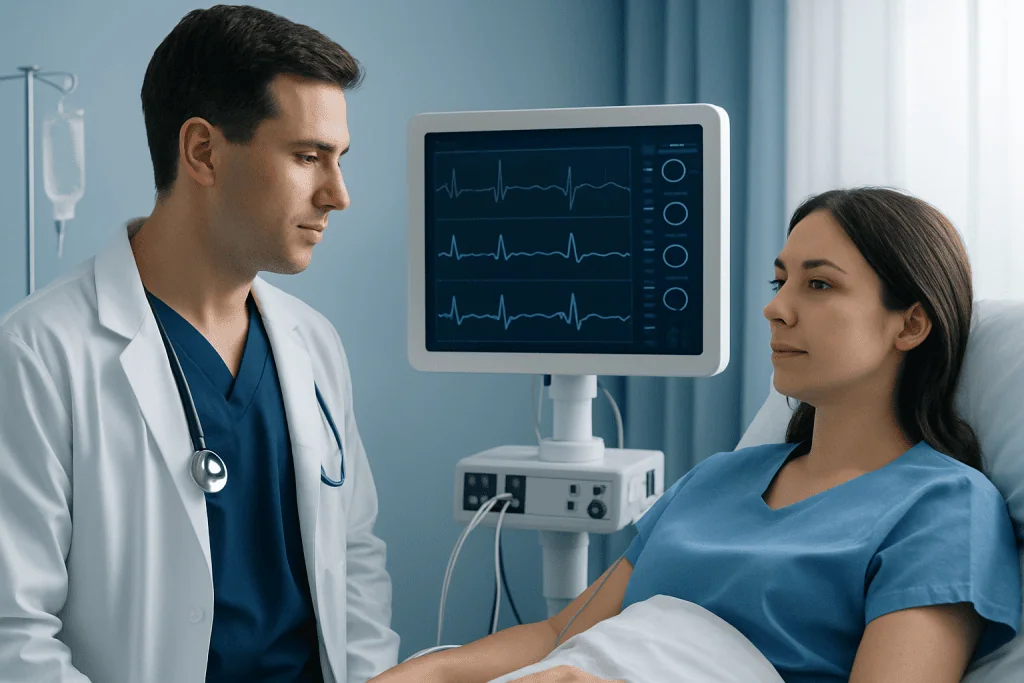
The sympathetic nervous system begins in the brain and spinal cord and communicates with organs through a network of nerves and chemical messengers. When activated, it releases signals that tell the adrenal glands and other tissues to produce substances such as adrenaline and noradrenaline. These chemicals help the body respond rapidly.
This response has several practical effects. The heart pumps faster and harder, the pupils widen to improve vision, and the air passages in the lungs open more fully. At the same time, digestion may slow temporarily because the body prioritizes circulation, alertness, and physical readiness over rest-related functions.
Sympathetic activity changes from moment to moment. It may increase during public speaking, strenuous exercise, infection, dehydration, emotional stress, or pain. It may also change with posture, for example when a person stands up from lying down. Because it is part of normal physiology, not every sympathetic symptom means disease. The important question is whether the response is appropriate, excessive, or linked to a condition that needs treatment.
Problems involving autonomic regulation can overlap with broader neurological conditions. In some cases, doctors may also consider disorders affecting the nervous system or circulation if symptoms suggest a more complex cause.
Common symptoms linked to sympathetic activation

When sympathetic activity rises, a person may notice physical changes that feel sudden or intense. Common symptoms include a racing heartbeat, stronger heartbeats, sweating, trembling, dry mouth, cold hands, widened pupils, and a sense of being unusually alert or tense. During exercise or emotional stress, these responses are usually temporary and expected.
Some people experience symptoms because the sympathetic system is overactive or because the body is having trouble regulating blood pressure and pulse. This may cause lightheadedness on standing, flushing, headaches, shakiness, shortness of breath, or fatigue after stress. Sleep difficulty and digestive slowing can also occur when the body remains in a prolonged “on-alert” state.
Symptoms are not specific to one diagnosis. For example, palpitations may relate to anxiety, dehydration, anemia, thyroid disease, medication effects, heart rhythm problems, or autonomic dysfunction. Dizziness may result from low blood pressure, inner ear problems, infection, or conditions such as vertigo. Because many symptoms overlap, medical evaluation focuses on the full pattern rather than on one sensation alone.
- Fast or pounding heartbeat
- Sweating or heat intolerance
- Tremor or shakiness
- Dizziness, especially when standing
- Blood pressure fluctuations
- Anxiety-like body symptoms without an obvious emotional trigger
What can cause sympathetic symptoms or overactivity
Many everyday factors can temporarily increase sympathetic activity. These include emotional stress, pain, intense exercise, fever, dehydration, lack of sleep, nicotine, caffeine, and some over-the-counter or prescription medicines. In these situations, the response is often appropriate and settles when the trigger passes.
Underlying health conditions can also affect sympathetic regulation. Examples include thyroid disorders, infections, low blood sugar, anemia, panic disorder, chronic stress, heart rhythm disturbances, and some neurological or endocrine disorders. In some people, symptoms appear mainly after standing and may reflect abnormal autonomic control of circulation.
There are also less common disorders in which autonomic nerves themselves are affected. These conditions may involve damage, hypersensitivity, or poor coordination of the sympathetic and parasympathetic systems. Doctors may use terms such as dysautonomia when describing this broader group of problems. Evaluation is guided by symptoms, age, medical history, medications, and the presence of red flags such as fainting or chest pain.
If symptoms suggest a rhythm problem or circulation issue, clinicians may investigate the heart and blood vessels in more detail. Depending on findings, this can overlap with assessment for arrhythmia or other cardiovascular conditions.
How doctors diagnose sympathetic-related problems
Diagnosis begins with a careful history. A doctor will usually ask when symptoms started, how long they last, what triggers them, and whether they occur with standing, exercise, stress, meals, or illness. The pattern matters. For example, symptoms that happen only during emotional stress are approached differently from symptoms that appear repeatedly on standing or during sleep.
A physical examination often includes heart rate and blood pressure measurements while lying down, sitting, and standing. Doctors may also review medications, caffeine intake, hydration, sleep habits, and any recent illness. Depending on the symptoms, blood tests may be ordered to check for anemia, thyroid problems, infection, glucose abnormalities, or other medical causes.
Further testing is chosen case by case. This may include an electrocardiogram, heart rhythm monitoring, echocardiography, autonomic function testing, or imaging if another neurological or cardiovascular issue is suspected. If dizziness, palpitations, or fainting are present, doctors may consider cardiology and neurology input together. Evaluation can include electrocardiography (ECG) or longer-term rhythm recording when appropriate.
The goal is not only to confirm sympathetic involvement, but also to identify whether the response is normal, exaggerated, or secondary to another condition that needs treatment. This step is important because treatment depends on the cause rather than on the symptom label alone.
Treatment options and symptom management
Treatment for sympathetic symptoms depends on what is driving them. If the cause is dehydration, infection, medication effects, poor sleep, or excessive stimulant use, correcting those factors may be enough. If symptoms relate to a heart rhythm issue, endocrine condition, anxiety disorder, or autonomic dysfunction, treatment is directed at that underlying diagnosis.
General measures can be very helpful. Adequate fluid intake, regular meals, limiting excess caffeine or nicotine, and gradual position changes may reduce episodes of dizziness or palpitations. Stress-management techniques such as paced breathing, gentle exercise, and sleep support can also improve autonomic balance over time. Some people benefit from supervised rehabilitation or structured exercise plans when deconditioning contributes to symptoms.
Doctors may prescribe medication in selected cases, especially when symptoms are frequent, disruptive, or associated with blood pressure or rhythm changes. The specific choice depends on the condition and the person’s overall health. Self-medicating for racing heart, fainting, or blood pressure swings is not recommended, because treatment needs to match the cause.
If testing suggests a cardiovascular contribution, additional assessment such as Holter monitoring or specialist-led blood pressure evaluation may be advised. In more complex cases, autonomic symptoms may be managed by a team that includes neurology, cardiology, and internal medicine specialists.
Prevention and self-care
Not all sympathetic activation can or should be prevented, since this system is a normal part of survival and adaptation. The aim is to support healthy regulation and reduce avoidable triggers. Daily habits often make a meaningful difference, especially for people who notice symptoms during stress, after poor sleep, or when standing for long periods.
Helpful self-care measures include staying well hydrated, eating regularly, reducing excess caffeine and energy drinks, avoiding tobacco, and maintaining a consistent sleep schedule. Regular physical activity can improve cardiovascular conditioning and autonomic stability, but it should be increased gradually if symptoms are provoked by exertion or standing. Learning relaxation skills may reduce the body’s tendency to remain in a prolonged stress response.
Keeping a symptom diary can also be useful. Recording timing, triggers, posture, meals, and medications may help identify patterns that are not obvious at first. This information can support a more accurate medical assessment and may reduce unnecessary worry by showing when symptoms are situational rather than random.
For patients needing specialist evaluation, Acibadem International’s multidisciplinary specialists in JCI-accredited hospitals diagnose and treat autonomic, neurological, and cardiovascular conditions for international patients. When symptoms are persistent or unclear, structured assessment may include neurological rehabilitation or cardiovascular testing if appropriate.
When to seek medical care
Medical advice is important if sympathetic-type symptoms are frequent, worsening, or interfering with daily life. A person should arrange an evaluation if they have repeated palpitations, dizziness on standing, unexplained sweating, major blood pressure swings, fainting, or symptoms that continue without a clear trigger.
Urgent care is needed for chest pain, severe shortness of breath, fainting with injury, new weakness, confusion, or symptoms suggesting stroke or a serious heart problem. These symptoms are not explained by stress alone and should not be ignored.
It is also wise to seek care if symptoms begin after starting a new medicine, after an infection, or alongside weight loss, fever, thyroid-related symptoms, or persistent fatigue. A clinician can determine whether the issue reflects normal stress physiology, a temporary imbalance, or a condition that needs specific treatment.
Frequently asked questions
What does sympathetic mean in the body?
In medicine, sympathetic usually refers to the sympathetic nervous system. This is the branch of the autonomic nervous system that helps the body respond to stress, danger, pain, or exercise by increasing alertness and supporting rapid physical action.
Is sympathetic activation always a bad sign?
No. Sympathetic activation is a normal and necessary body response. It becomes a medical concern when it is excessive, happens without a clear reason, lasts too long, or causes symptoms such as fainting, severe palpitations, or major blood pressure changes.
Can stress and anxiety trigger sympathetic symptoms?
Yes. Emotional stress and anxiety can activate the sympathetic nervous system and cause symptoms such as a racing heart, sweating, trembling, and shortness of breath. However, similar symptoms can also come from heart, thyroid, blood sugar, or neurological problems, so persistent symptoms should be assessed by a doctor.
What tests might be used for sympathetic symptoms?
Doctors often start with a history, physical examination, and blood pressure and pulse measurements in different positions. Depending on the symptoms, they may also order blood tests, an ECG, heart rhythm monitoring, or specialized autonomic function testing.
Can dehydration increase sympathetic activity?
Yes. Dehydration can reduce circulating blood volume, which may lead the body to increase sympathetic activity to maintain blood pressure and blood flow. This can contribute to dizziness, a faster heart rate, and weakness, especially when standing.
When should someone worry about sympathetic-type symptoms?
Medical attention is important if symptoms are recurrent, unexplained, or disruptive. Urgent evaluation is needed for chest pain, fainting, severe shortness of breath, new neurological symptoms, or symptoms that suggest a heart or stroke emergency.
References
- National Institute of Neurological Disorders and Stroke
- National Heart, Lung, and Blood Institute
- Cleveland Clinic
- Merck Manual Consumer Version
- Mayo Clinic
This article is for general information only and is not a substitute for professional medical advice. Please consult a qualified doctor about your individual situation.
Explore treatments in Turkey — costs, top hospitals & a free quote
JCI-accredited · board-certified surgeons · reply within 24h
Add us as a Preferred Source to see more of our trusted health content across Google Search, AI Overviews and Discover.
Check your numbers in seconds
BMI, calories, due date, blood pressure and 30+ more clinical calculators — free, instant, doctor-reviewed ranges.

More from the Health Library

Cabbage: A Complete Medical Overview

Kussmaul breathing: Symptoms, Causes, and Treatment — Complete Patient Guide

Armpit Fat: A Complete Medical Overview

Hypertonia: A Complete Medical Overview

Hangnail — Explained by Medical Evidence, Not Myths