Symptoms of Lung Cancer: Early and Advanced Signs

Early lung cancer may cause no symptoms or only mild, nonspecific changes. A cough that does not go away, coughing up blood, chest pain, and shortness of breath are important warning signs.
Key Takeaways
- Early lung cancer may cause no symptoms or only mild, nonspecific changes.
- A cough that does not go away, coughing up blood, chest pain, and shortness of breath are important warning signs.
- Advanced lung cancer may also cause weight loss, fatigue, bone pain, headaches, or swelling in the face and neck.
- Smoking is the biggest risk factor, but lung cancer can also occur in people who have never smoked.
- Diagnosis usually involves imaging tests and, when needed, a biopsy to confirm the type of cancer.
- Any ongoing respiratory symptom or unexplained general symptom should be discussed with a doctor.
Symptoms of lung cancer may be subtle at first and can overlap with common respiratory illnesses. Recognizing persistent or unusual changes early can help people seek timely medical evaluation and treatment.
Overview
Symptoms of lung cancer vary from person to person. Some people notice a lingering cough or breathlessness, while others have no clear symptoms in the early stages. Because the lungs have few pain-sensitive nerves, a tumor can sometimes grow for some time before causing obvious problems.
Many early symptoms are not specific to cancer. They can resemble a chest infection, asthma flare, allergies, or smoking-related irritation. This is one reason why lung cancer may be diagnosed later than other conditions.
Although symptoms alone cannot confirm lung cancer, persistent changes deserve medical attention. When symptoms are recognized and investigated promptly, diagnosis and treatment can begin sooner. A doctor may then assess whether symptoms relate to lung cancer or another lung condition.
Early Signs and Symptoms

Early signs of lung cancer are often subtle. A person may feel generally well but notice a cough that lingers longer than expected or a change in a usual smoker’s cough. Hoarseness, repeated chest infections, or mild shortness of breath can also be early clues.
Common early symptoms may include:
- A persistent cough that does not improve
- A change in the pattern or sound of a chronic cough
- Shortness of breath during routine activity
- Chest discomfort or pain, especially with deep breathing or coughing
- Hoarseness or a raspy voice
- Repeated bronchitis or pneumonia
- Unexplained tiredness
Some people also notice reduced exercise tolerance or a vague sense that breathing feels different. These signs are easy to dismiss, especially if they come on gradually. However, symptoms that continue for several weeks, return repeatedly, or worsen over time should be checked by a qualified doctor.
Advanced Signs and Symptoms
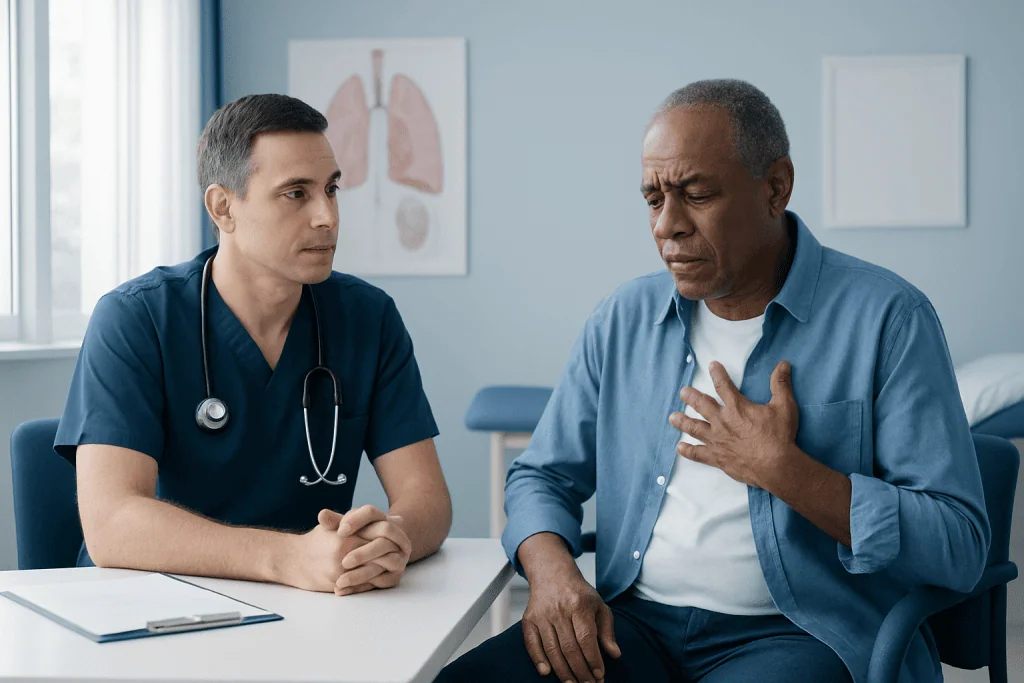
As lung cancer grows or spreads, symptoms may become more noticeable. A tumor can block an airway, affect the lining around the lung, or spread to nearby structures and distant organs. This can lead to stronger respiratory symptoms and more general body symptoms.
Symptoms of more advanced disease may include:
- Coughing up blood, even in small amounts
- Ongoing or worsening chest pain
- Increasing shortness of breath or wheezing
- Unexplained weight loss
- Loss of appetite
- Marked fatigue or weakness
- Bone pain, especially in the back, ribs, or hips
- Headaches, dizziness, or balance problems
- Swelling of the face, neck, or arms
- Difficulty swallowing
Advanced lung cancer symptoms depend on where the cancer has spread. For example, spread to the bones may cause pain, while spread to the brain may cause headaches, confusion, or seizures. These symptoms do not always mean cancer, but they require prompt assessment.
In some cases, lung cancer also causes indirect effects called paraneoplastic syndromes. These are changes caused by substances made by the tumor and can lead to symptoms such as muscle weakness, numbness, or unusual hormone-related changes. Doctors consider these patterns along with imaging and other test results.
Causes and Risk Factors
Lung cancer develops when cells in the lungs begin to grow abnormally and uncontrollably. The single most important risk factor is smoking, including long-term cigarette use. However, not everyone who smokes develops lung cancer, and some people who have never smoked can still be diagnosed.
Other important risk factors include exposure to secondhand smoke, radon gas, air pollution, asbestos, and certain workplace chemicals. A family history of lung cancer may also increase risk. Previous radiation therapy to the chest and chronic lung disease can sometimes contribute as well.
Risk rises with age, but lung cancer can occur in adults of different ages. It is important to remember that symptoms should never be ignored just because a person has never smoked. Doctors may also evaluate whether symptoms could be related to another condition, such as COPD, infection, or inflammation.
How Lung Cancer Is Diagnosed
Diagnosis begins with a medical history and physical examination. A doctor asks about symptoms, smoking history, work exposures, family history, and how long changes have been present. The next step is usually imaging to look at the lungs and surrounding tissues.
Common tests may include a chest X-ray and a chest CT scan. CT scans are more detailed and can identify suspicious nodules, enlarged lymph nodes, or signs that cancer has spread. Additional imaging, such as PET-CT or brain imaging, may be used depending on the situation.
If imaging suggests cancer, a biopsy is usually needed to confirm the diagnosis and identify the exact type. This may be done through bronchoscopy, a needle biopsy guided by imaging, or another procedure. In many patients, bronchoscopy helps doctors examine the airways and collect tissue samples.
Once cancer is confirmed, further testing helps determine the stage and guide treatment. This may include laboratory tests and molecular testing of the tumor. Accurate diagnosis is important because treatment choices differ between small cell and non-small cell lung cancer and according to the cancer’s genetic features.
Treatment Options
Treatment depends on the type of lung cancer, its stage, the person’s overall health, and specific tumor characteristics. The main treatment approaches include surgery, radiation therapy, chemotherapy, targeted therapy, immunotherapy, or a combination of these. Care is usually planned by a multidisciplinary team.
Early-stage lung cancer may sometimes be treated with surgery to remove the tumor. In selected cases, lung cancer surgery offers the best chance of removing localized disease. Radiation may be used before or after surgery, or instead of surgery when an operation is not suitable.
For more advanced disease, treatment often focuses on controlling the cancer, relieving symptoms, and preserving quality of life. Options may include chemotherapy, targeted medicines for tumors with certain gene changes, or immunotherapy to help the immune system recognize cancer cells. Some patients may also benefit from procedures to drain fluid around the lungs or relieve airway blockage.
Supportive care is an important part of treatment at every stage. This may include pain relief, nutrition support, breathing support, and rehabilitation. Near the end of the care journey, patients may seek evaluation at centers such as Acibadem International, where multidisciplinary specialists in JCI-accredited hospitals diagnose and treat lung cancer for international patients.
Prevention and Self-Care
The most effective way to lower lung cancer risk is not to smoke or to stop smoking if currently using tobacco. Quitting can reduce risk over time and also benefits the heart and lungs in many other ways. Avoiding secondhand smoke and reducing exposure to workplace toxins are also important.
People can also lower risk by testing homes for radon where appropriate, following workplace safety guidance, and seeking treatment for chronic lung conditions. A healthy lifestyle cannot fully prevent lung cancer, but balanced nutrition, regular activity, and routine medical care support overall health and recovery.
Self-care also means paying attention to symptoms. Keeping track of when a cough began, whether it is changing, and whether there is breathlessness, weight loss, or blood in the sputum can help a doctor assess the problem. Those at high risk may also ask whether screening is appropriate, as some people benefit from low-dose CT screening.
When to See a Doctor
A doctor should be consulted if a cough lasts several weeks, keeps returning, or changes in character. Medical evaluation is also important for coughing up blood, unexplained shortness of breath, chest pain, repeated chest infections, or hoarseness that does not improve.
Unexplained weight loss, marked fatigue, bone pain, or headaches should also be checked, especially when they occur with respiratory symptoms. These signs do not always point to cancer, but they should not be ignored. Prompt assessment can help identify the cause and rule out serious conditions.
Urgent medical attention is especially important if breathing becomes difficult, chest pain is severe, or significant bleeding occurs. People with a history of smoking or other risk factors should be particularly attentive to persistent symptoms. A qualified doctor can decide whether tests are needed and explain the next steps clearly.
Frequently asked questions
Can lung cancer have no symptoms at first?
Yes. Early lung cancer may cause no symptoms, or only mild symptoms that are easy to mistake for a minor respiratory problem. This is why persistent or unusual changes should be discussed with a doctor, especially in people with risk factors.
What is the most common early symptom of lung cancer?
A persistent cough is one of the most common early symptoms. Some people notice that a long-standing smoker's cough changes in frequency, sound, or severity.
Does coughing up blood always mean lung cancer?
No. Coughing up blood can also happen with infections, inflammation, or other lung problems. However, it is an important symptom that should always be assessed promptly by a doctor.
Can nonsmokers get lung cancer?
Yes. Although smoking is the biggest risk factor, lung cancer can also occur in people who have never smoked. Other factors such as radon, air pollution, family history, and workplace exposures may contribute.
When should someone worry about a cough?
A cough deserves medical attention if it lasts several weeks, keeps coming back, or changes noticeably. A cough with breathlessness, chest pain, fever that persists, or blood should be evaluated sooner.
How is lung cancer confirmed?
Lung cancer is usually suspected through imaging such as a chest X-ray or CT scan, but it is confirmed with a biopsy. The biopsy allows doctors to identify the exact cancer type and plan the most suitable treatment.
References
- World Health Organization
- American Cancer Society
- National Cancer Institute
- Centers for Disease Control and Prevention
- National Health Service
This article is for general information only and is not a substitute for professional medical advice. Please consult a qualified doctor about your individual situation.
Lung Cancer in Turkey — costs, top hospitals & a free quote
JCI-accredited · board-certified surgeons · reply within 24h
Add us as a Preferred Source to see more of our trusted health content across Google Search, AI Overviews and Discover.

Medical Oncology Department
Medical treatment of cancer with chemotherapy, immunotherapy and targeted therapies under a multidisciplinary tumor board.
60 specialists in this unitMore from the Health Library



Related Specialists

Prof. Dr. Erkin Aribal
Breast Clinic Clinical Service
Prof. Dr. Hasan Uçmak
Clinical Laboratory
Dr. Rana Özgüven
Emergency Service
Dyt. Zeynep Ondur
Nutrition & Diet