Synovectomy: How It Works, Recovery, and What to Expect

Synovectomy removes diseased or chronically inflamed synovial tissue from a joint. It may be considered when medication, injections, and rehabilitation have not adequately controlled synovitis.
Key Takeaways
- Synovectomy removes diseased or chronically inflamed synovial tissue from a joint.
- It may be considered when medication, injections, and rehabilitation have not adequately controlled synovitis.
- Arthroscopic synovectomy uses small incisions and is commonly used in accessible joints such as the knee, shoulder, elbow, ankle, or wrist.
- Recovery time varies with the treated joint, surgical technique, extent of disease, and the person’s general health.
- The procedure can reduce swelling and pain, but it does not always prevent an underlying inflammatory disease from returning.
Synovectomy is a procedure that removes part or all of the synovium, the tissue lining a joint, when persistent inflammation causes pain, swelling, or progressive joint damage. It may be performed arthroscopically or through open surgery, depending on the joint and the underlying condition.
What Is Synovectomy?
Synovectomy is an operation to remove inflamed, overgrown, or abnormal synovium. The synovium is a thin layer of tissue that lines many movable joints, including the knees, shoulders, hips, elbows, wrists, ankles, and small joints of the hands and feet. In a healthy joint, it produces fluid that helps cartilage and joint surfaces move smoothly.
When the synovium remains inflamed for a long time, it may become thickened and produce excess fluid. This can lead to repeated swelling, stiffness, pain, reduced movement, and gradual injury to cartilage, bone, tendons, or ligaments. Synovectomy aims to lower this inflammatory burden and improve joint function when nonsurgical treatment has not provided sufficient relief.
It is important to distinguish surgical synovectomy from radiosynovectomy, also called radiosynoviorthesis. Radiosynovectomy involves injecting a radioactive substance into a joint to treat selected cases of persistent synovitis. Surgical synovectomy, the focus of this article, physically removes the affected joint lining.
Why Synovectomy May Be Recommended
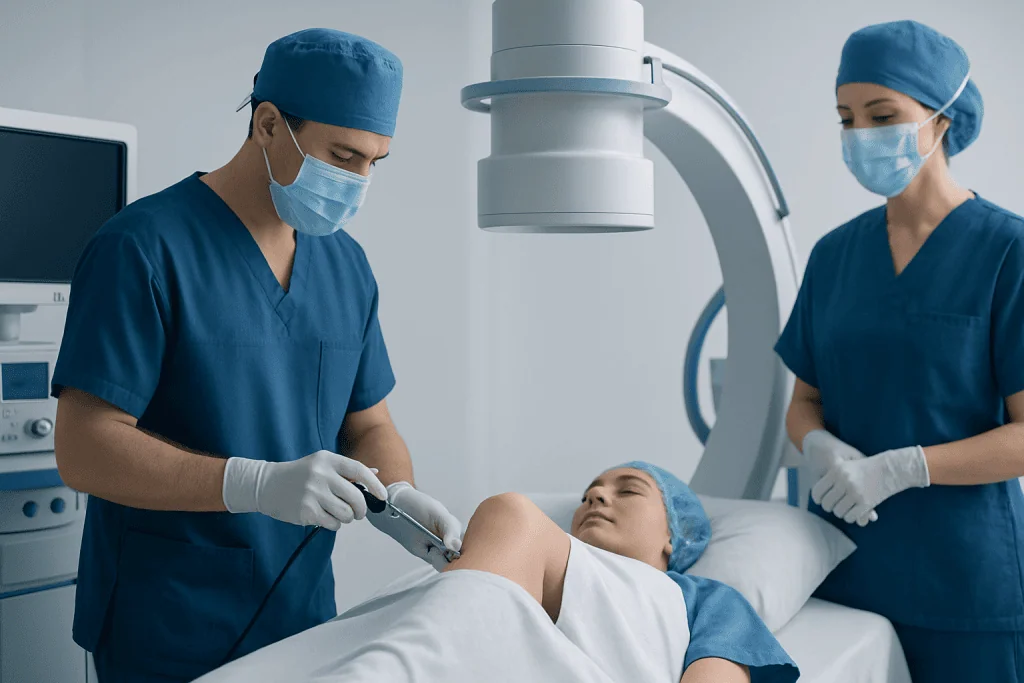
A specialist may discuss synovectomy for persistent synovitis that continues despite appropriate medical treatment, physiotherapy, activity adjustments, or joint injections. The decision is individualized. It depends on the cause of the inflammation, the joint involved, the extent of cartilage damage, symptoms, functional limitations, and the person’s treatment goals.
Common reasons for considering the procedure include inflammatory arthritis, such as rheumatoid arthritis; recurrent joint bleeding related to a bleeding disorder; and certain proliferative synovial disorders. One example is tenosynovial giant cell tumor, historically sometimes called pigmented villonodular synovitis, in which synovial tissue grows abnormally and can damage the joint over time. Synovectomy may also be used when chronic synovitis develops after injury or alongside other joint conditions.
Not everyone with synovitis needs surgery. If advanced osteoarthritis or severe cartilage loss is already present, removing synovium alone may not adequately address pain or function. In these situations, the orthopedic team may discuss other approaches, including joint-preserving procedures or joint replacement, according to the person’s clinical findings.
How the Procedure Works
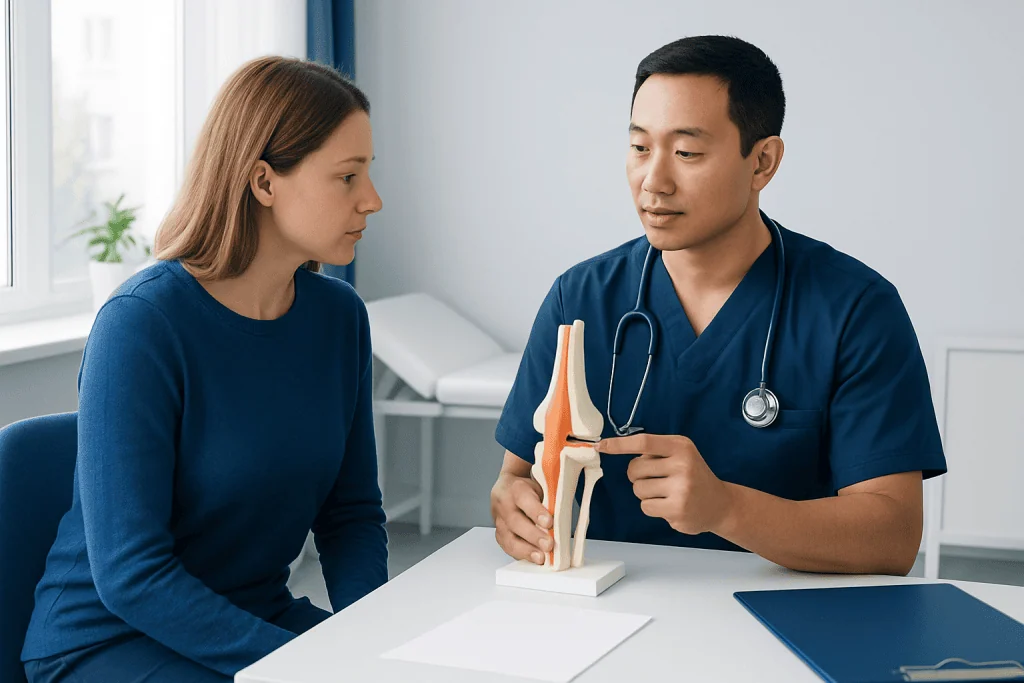
Synovectomy can be performed using arthroscopic surgery or an open surgical approach. Arthroscopy uses a small camera, called an arthroscope, inserted through a small incision. The surgeon introduces specialized instruments through additional small openings to remove diseased synovial tissue. This approach generally causes less soft-tissue disruption and is often suitable for joints with areas that can be reached safely with arthroscopic instruments.
Open synovectomy involves a larger incision that provides direct access to the joint. It may be recommended when the abnormal tissue is widespread, located in areas that are difficult to access arthroscopically, involves nearby tendons or structures, or requires more extensive removal. In some cases, a combined arthroscopic and open approach may be used to treat all affected areas as completely as possible.
The exact operation depends on the joint. For example, a knee synovectomy may involve different joint compartments, while a wrist or ankle procedure requires careful attention to nearby tendons, nerves, and blood vessels. The surgeon’s goal is to remove symptomatic diseased tissue while preserving healthy structures and joint stability.
What to Expect Before, During, and After Surgery
Before surgery, the orthopedic surgeon reviews symptoms, previous treatments, medical history, medications, and imaging results. Assessment may include X-rays, ultrasound, MRI, blood tests, and, when needed, analysis of joint fluid. MRI can be particularly helpful for showing thickened synovium, fluid, cartilage changes, and the distribution of synovial disease.
Patients are commonly asked to stop eating and drinking for a specified period before anesthesia and to discuss all medicines, supplements, allergies, and medical conditions with the care team. Some medicines that affect bleeding, immunity, or inflammation may need adjustment. These changes should only be made under guidance from the prescribing clinician and surgical team.
During the procedure, anesthesia may be general, regional, or a combination, depending on the joint and planned surgery. The operation may be a day procedure or may involve a short hospital stay, particularly after open surgery or when additional treatment is needed. Removed synovial tissue may be sent to a laboratory for examination, especially when the diagnosis has not been fully established.
- Arthroscopic surgery: typically uses several small incisions and a camera-guided view of the joint.
- Open surgery: uses a larger incision and may be needed for extensive, difficult-to-reach, or recurrent disease.
- Additional procedures: cartilage treatment, repair of other structures, or tissue sampling may be performed when clinically appropriate.
Recovery Timeline and Rehabilitation
Recovery after synovectomy varies considerably. It is influenced by the treated joint, whether surgery was arthroscopic or open, the amount of tissue removed, the presence of cartilage damage, and the underlying cause of synovitis. Early swelling and soreness are expected, and the care team may recommend elevation, ice or cold therapy when appropriate, wound care, and prescribed pain relief.
After arthroscopic surgery, some people begin gentle movement soon after the procedure, while weight-bearing may be limited for a period depending on the joint and any additional repair. Open surgery usually requires a longer recovery because more soft tissue must heal. Crutches, a sling, a brace, or splint may be recommended temporarily to protect the surgical area.
Physiotherapy is often an important part of recovery. Exercises are designed to restore range of motion, reduce stiffness, rebuild muscle strength, and support safe return to everyday activities. Returning to desk work may be possible sooner than returning to physical work, sports, or activities involving repetitive loading. The surgeon and physiotherapist can provide an individualized timeline rather than a single expected date for every patient.
Potential Benefits and Risks
The main potential benefits of synovectomy are reduced joint swelling, less pain and stiffness, improved movement, and a lower risk of ongoing damage from active synovial inflammation. For people with recurrent fluid buildup or repeated bleeding into a joint, reducing diseased synovium may also decrease the frequency of these episodes. Results can be meaningful when surgery is carefully matched to the cause and stage of joint disease.
However, synovectomy is not always a permanent cure. Inflammatory arthritis and some synovial growth disorders can recur because the underlying condition remains active or synovial tissue grows back. Continued medical treatment and follow-up may be needed after surgery, particularly for people with autoimmune inflammatory arthritis or tenosynovial giant cell tumor.
As with other operations, risks include infection, bleeding, blood clots, wound problems, anesthesia-related complications, stiffness, persistent pain, nerve or blood vessel injury, and reduced joint movement. There is also a possibility that symptoms may not improve as much as hoped or that further surgery may be needed. Discussing expected benefits, alternatives, and personal risk factors with an orthopedic surgeon supports informed decision-making.
When to Seek Medical Care
Medical assessment is advisable for a joint that remains swollen, warm, painful, or difficult to move for more than a short period, especially when symptoms recur or interfere with daily activities. A clinician can identify whether the cause may be inflammatory arthritis, injury, crystal-related disease, infection, bleeding, or another condition. Early assessment can help protect joint function and guide appropriate treatment.
Urgent medical care is needed for sudden severe joint pain or swelling accompanied by fever, feeling unwell, chills, a hot red joint, inability to bear weight, or a rapidly worsening loss of movement. These symptoms can have several causes, including joint infection, and should not be managed by waiting at home.
After synovectomy, patients should contact their surgical team promptly if they notice increasing redness, warmth, drainage, fever, calf pain or swelling, shortness of breath, uncontrolled pain, numbness, or a sudden change in the operated joint. Acibadem International’s multidisciplinary specialists and JCI-accredited hospitals support diagnosis and treatment planning for international patients with complex joint and synovial conditions.
Frequently asked questions
Is synovectomy a major surgery?
Synovectomy can range from a minimally invasive arthroscopic procedure to a more extensive open operation. Whether it is considered major surgery depends on the joint treated, the amount of synovial tissue involved, and whether other procedures are performed at the same time. The surgeon can explain the expected level of recovery for the individual situation.
How long does it take to recover from a synovectomy?
Recovery varies by joint and surgical technique. Arthroscopic procedures often allow earlier movement than open surgery, but swelling and rehabilitation can still continue for weeks or longer. Full return to demanding work or sport may take additional time and should be guided by the surgical and rehabilitation team.
Can synovitis come back after synovectomy?
Yes, synovitis can recur after surgery, particularly if the underlying disease remains active or not all diseased tissue can be safely removed. Ongoing treatment for inflammatory arthritis or other contributing conditions may help reduce recurrence. Regular follow-up allows the team to monitor symptoms and joint health.
Is synovectomy painful?
Pain and swelling are common in the early healing period, but they are usually managed with a personalized postoperative plan. This may include prescribed medicines, cold therapy when suitable, elevation, and gradual rehabilitation. Pain that becomes severe, suddenly worsens, or is associated with fever or wound drainage should be assessed promptly.
Will synovectomy cure rheumatoid arthritis?
Synovectomy does not cure rheumatoid arthritis because rheumatoid arthritis is a systemic immune-mediated condition. It may help a specific joint affected by persistent synovitis when medical treatment has not controlled local symptoms. Disease-modifying treatment prescribed by a rheumatology specialist remains important for managing the underlying condition.
What is the difference between arthroscopic and open synovectomy?
Arthroscopic synovectomy is performed through small incisions using a camera and specialized instruments. Open synovectomy uses a larger incision and may provide better access when synovial disease is extensive or located in difficult-to-reach areas. The most suitable method depends on the joint anatomy, diagnosis, and extent of disease.
References
- American Academy of Orthopaedic Surgeons
- American College of Rheumatology
- National Institute of Arthritis and Musculoskeletal and Skin Diseases
- OrthoInfo
- Mayo Clinic
This article is for general information only and is not a substitute for professional medical advice. Please consult a qualified doctor about your individual situation.
Joint and spine care in Turkey — expert assessment & treatment
JCI-accredited · board-certified surgeons · reply within 24h
Add us as a Preferred Source to see more of our trusted health content across Google Search, AI Overviews and Discover.