Systolic Dysfunction Congestive Heart Failure — Explained by Medical Evidence, Not Myths

Systolic dysfunction congestive heart failure usually refers to heart failure with reduced ejection fraction, when the left ventricle pumps less effectively than normal. Common symptoms include breathlessness, swelling in the legs or abdomen, fatigue, reduced exercise tolerance, and waking at night short of breath.
Key Takeaways
- Systolic dysfunction congestive heart failure usually refers to heart failure with reduced ejection fraction, when the left ventricle pumps less effectively than normal.
- Common symptoms include breathlessness, swelling in the legs or abdomen, fatigue, reduced exercise tolerance, and waking at night short of breath.
- Causes include coronary artery disease, previous heart attack, long-standing high blood pressure, valve disease, infections, toxins, and some inherited conditions.
- Diagnosis combines a medical history, physical examination, echocardiography, blood tests, ECG, and sometimes imaging or coronary evaluation.
- Treatment often includes lifestyle changes, medicines that support heart function, and in selected cases devices or procedures.
- Urgent medical review is important for sudden chest pain, severe breathing difficulty, fainting, or rapidly worsening swelling or weight gain.
Systolic dysfunction congestive heart failure is a form of heart failure in which the heart muscle, usually the left ventricle, cannot contract strongly enough to pump blood efficiently. This can lead to fatigue, shortness of breath, and fluid buildup, but careful diagnosis and modern treatment often help control symptoms and improve daily life.
Overview: what this diagnosis means
Systolic dysfunction congestive heart failure means the heart is not pumping blood forward as strongly as it should, and this reduced pumping ability allows fluid to back up in the lungs or other parts of the body. In most cases, the main problem is in the left ventricle, the chamber responsible for sending oxygen-rich blood to the body. Doctors often describe this as heart failure with reduced ejection fraction, or HFrEF.
The phrase can sound confusing because “heart failure” does not mean the heart has stopped working. It means the heart is struggling to meet the body’s needs, especially during activity, and sometimes even at rest. “Congestive” refers to fluid congestion, which may cause swelling in the feet or ankles, breathlessness, or a feeling of heaviness in the chest.
This condition is common and can develop gradually or after a sudden injury to the heart, such as a heart attack. The outlook varies from person to person, depending on the underlying cause, the severity of symptoms, and how well treatment works. With timely care, many people are able to reduce symptoms, stay active, and prevent hospital admissions.
How the heart changes in systolic dysfunction
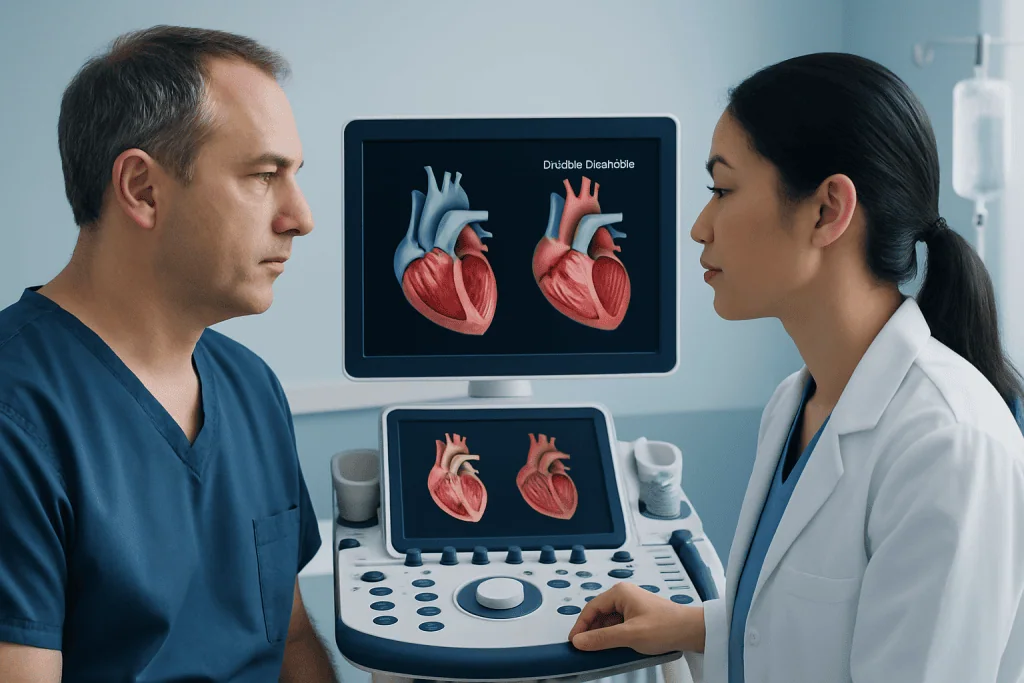
To understand systolic dysfunction, it helps to know how a healthy heart works. During each heartbeat, the ventricles fill with blood and then contract to push that blood out. In systolic dysfunction, the pumping phase is weaker than normal, so a smaller proportion of blood leaves the ventricle with each beat.
One measurement often used is the ejection fraction, which estimates how much blood the left ventricle pumps out during contraction. A reduced ejection fraction supports the diagnosis of systolic heart failure, but it is only one part of the picture. Some people may have a clearly reduced ejection fraction, while others have symptoms that seem more severe than the number alone suggests.
As the heart tries to compensate, the body activates stress hormones and fluid-retaining systems to maintain blood flow. These short-term responses can help briefly, but over time they may worsen strain on the heart, increase blood pressure inside the heart and lungs, and contribute to swelling and breathlessness. This is why treatment focuses not only on symptoms but also on interrupting the processes that drive the condition forward.
Symptoms and signs to recognize

Symptoms often begin gradually and may be mistaken for aging, stress, lack of fitness, or a lung problem. Breathlessness during walking, climbing stairs, or lying flat is very common. People may also notice unusual tiredness, weakness, a persistent cough, or reduced ability to do activities that once felt easy.
Fluid buildup is another major feature. It can cause swelling in the ankles, feet, legs, or abdomen, and some people gain weight quickly over a few days because the body is retaining fluid. Nighttime urination, waking up short of breath, and a feeling of fullness or bloating can also occur.
Not everyone has the same pattern of symptoms. Some people mainly feel exhausted, while others first notice swollen legs or repeated episodes of cough and wheeze. Common symptoms and signs include:
- Shortness of breath during activity or at rest
- Difficulty breathing when lying flat
- Fatigue and reduced exercise tolerance
- Swelling in the feet, ankles, legs, or abdomen
- Rapid weight gain from fluid retention
- Persistent cough, sometimes worse at night
- Palpitations or awareness of a fast heartbeat
- Loss of appetite or early fullness
Because symptoms can overlap with other conditions, such as coronary artery disease or lung disease, a proper medical assessment is important rather than relying on symptoms alone.
Causes and risk factors
Systolic dysfunction congestive heart failure is not a single disease but a result of different problems that damage or weaken the heart muscle. One of the most common causes is coronary artery disease, especially when reduced blood flow or a previous heart attack leaves part of the heart scarred and less able to contract. Long-standing high blood pressure can also force the heart to work harder over time until it begins to weaken.
Other causes include heart valve disease, inflammation of the heart muscle, certain viral infections, abnormal heart rhythms, congenital heart disease, and cardiomyopathies that may run in families. Excess alcohol use, some chemotherapy drugs, stimulant drugs, severe thyroid disease, and poorly controlled diabetes can also contribute. In some people, the exact cause is not found even after careful testing.
Risk tends to be higher with older age, smoking, obesity, sleep apnea, kidney disease, and a history of vascular disease. Managing these factors matters because they can influence both the chance of developing heart failure and how well someone does after diagnosis. When the cause is identified clearly, treatment can often target both the weakened pumping function and the reason it developed in the first place.
How doctors diagnose it
Diagnosis starts with a conversation about symptoms, medical history, family history, medicines, and lifestyle factors, followed by a physical examination. A doctor may listen for crackles in the lungs, look for leg swelling, check blood pressure and pulse, and examine the neck veins for signs of fluid overload. These clues help guide the next tests, but they do not confirm the diagnosis by themselves.
The key test is usually an echocardiogram, an ultrasound scan that shows the heart’s structure and pumping function. It can measure ejection fraction, assess valve problems, and reveal whether the heart chambers are enlarged or contracting abnormally. An electrocardiogram (ECG) is often used to look for rhythm problems, signs of a previous heart attack, or electrical conduction issues.
Blood tests may include kidney function, electrolytes, thyroid tests, and natriuretic peptides, which rise when the heart is under strain. A chest X-ray can show fluid in the lungs or heart enlargement. Depending on the person’s situation, doctors may also recommend stress testing, cardiac MRI, coronary imaging, or coronary angiography to see whether blocked arteries are contributing. These tests also help distinguish systolic dysfunction from arrhythmia-related symptoms or other forms of heart failure.
Treatment options and long-term management
Treatment usually combines lifestyle steps with medicines that reduce symptoms, support heart function, and lower the risk of worsening disease. Depending on the individual case, doctors may prescribe medicines such as diuretics to relieve fluid buildup, along with therapies that improve survival and reduce strain on the heart. Because treatment is tailored carefully, people should follow their clinician’s instructions and should not stop or change medicines on their own.
If coronary artery disease is a major cause, treatment may include procedures to restore blood flow, such as coronary angiography to define the anatomy and help plan care. Some patients benefit from coronary artery bypass surgery or catheter-based interventions if blocked arteries are limiting blood supply to the heart muscle. In others, valve repair, rhythm treatment, or therapy for an underlying infection or endocrine disorder is most important.
For selected patients, implantable devices can improve coordination of the heartbeat or protect against dangerous rhythms. These may include pacemaker-based resynchronization systems or defibrillators, depending on heart function and rhythm findings. In advanced cases, specialist heart failure programs consider further options, and evaluation may involve detailed imaging such as echocardiography or other cardiac tests over time.
Long-term management works best when it is consistent. Follow-up visits help the team monitor symptoms, blood pressure, kidney function, heart rhythm, and response to therapy. Near the end of the care pathway, some patients may seek coordinated evaluation at centers such as Acibadem International, where multidisciplinary specialists and JCI-accredited hospitals care for international patients with complex cardiac conditions.
Daily self-care and ways to lower complications
Self-care does not replace medical treatment, but it plays a major role in staying well. People are often advised to take medicines regularly, track symptoms, and attend follow-up appointments even when they feel stable. Daily weight checks can help detect fluid retention early, because a sudden increase may mean the body is holding extra fluid before swelling becomes obvious.
Heart-healthy habits support treatment. These usually include limiting excess salt, avoiding tobacco, moderating alcohol if a doctor says it is safe, staying physically active within personal limits, and maintaining vaccinations and routine health checks. Structured cardiac rehabilitation may also help some people rebuild confidence and exercise tolerance safely.
Useful self-care steps often include:
- Taking prescribed medicines exactly as directed
- Watching for increasing breathlessness, swelling, or weight gain
- Following advice on salt and fluid intake
- Keeping blood pressure, diabetes, and cholesterol under control
- Staying active with doctor-approved exercise
- Avoiding smoking and discussing alcohol or supplements with a clinician
- Seeking advice before using over-the-counter anti-inflammatory medicines, which may worsen fluid retention in some people
Family support can be helpful, especially when symptoms fluctuate. Bringing a list of medicines, weight records, and questions to appointments often makes care more effective and less stressful.
When to seek medical care
Medical review is appropriate whenever new symptoms suggest heart failure or when a person with an existing diagnosis notices a change. A prompt appointment is sensible for increasing fatigue, reduced exercise tolerance, worsening ankle swelling, frequent nighttime breathlessness, or unexplained rapid weight gain over a short period. Early treatment may prevent a more serious flare-up.
Urgent care is needed for severe shortness of breath, chest pain, fainting, confusion, blue lips, or symptoms that rapidly worsen. These can signal dangerous complications such as low oxygen levels, a serious heart rhythm problem, or a new heart attack. Anyone with these symptoms should seek emergency medical help rather than waiting for a routine visit.
Even when symptoms are mild, it is wise to discuss them with a qualified doctor, especially in people with high blood pressure, diabetes, kidney disease, prior heart attack, or a family history of cardiomyopathy. Careful assessment can identify treatable causes and help build a plan that fits the person’s daily life and health goals.
Frequently asked questions
Is systolic dysfunction the same as congestive heart failure?
They are closely related but not identical terms. Systolic dysfunction describes weak pumping of the heart muscle, while congestive heart failure refers to the clinical syndrome that can result, including fluid buildup and symptoms such as breathlessness and swelling.
Can systolic dysfunction congestive heart failure improve?
In some people, heart function improves when the underlying cause is treated and guideline-based therapy is followed consistently. Even when it does not fully reverse, treatment can often reduce symptoms, lower the risk of hospitalization, and improve quality of life.
What is the difference between systolic and diastolic heart failure?
Systolic heart failure means the heart has trouble contracting forcefully enough to pump blood out. Diastolic heart failure means the heart becomes stiff and has trouble relaxing and filling properly, even if pumping strength appears preserved.
Does a reduced ejection fraction always mean severe disease?
Not always. Ejection fraction is an important measurement, but symptoms, exercise capacity, rhythm problems, kidney function, and the underlying cause also affect how serious the condition is and what treatment is needed.
Can exercise be safe with this condition?
Many people benefit from regular, supervised, doctor-approved physical activity. The right plan depends on symptom severity, overall fitness, and other medical conditions, so exercise should be discussed with a healthcare professional rather than started aggressively without advice.
What foods should be limited in systolic heart failure?
Doctors often recommend limiting foods high in salt because excess sodium can contribute to fluid retention. Processed foods, salty snacks, and restaurant meals are common hidden sources, so individualized dietary guidance can be very helpful.
References
- American Heart Association
- Heart Failure Society of America
- National Heart, Lung, and Blood Institute
- European Society of Cardiology
- Centers for Disease Control and Prevention
This article is for general information only and is not a substitute for professional medical advice. Please consult a qualified doctor about your individual situation.
Heart Failure in Turkey — costs, top hospitals & a free quote
JCI-accredited · board-certified surgeons · reply within 24h
Add us as a Preferred Source to see more of our trusted health content across Google Search, AI Overviews and Discover.
Check your numbers in seconds
BMI, calories, due date, blood pressure and 30+ more clinical calculators — free, instant, doctor-reviewed ranges.