T-Cell Therapy for Cancer: Types and Treatment Process

T-cell therapy for cancer uses specially prepared immune cells to identify and destroy cancer cells. CAR T-cell therapy is the best-known type, but other forms of adoptive T-cell therapy also exist.
Key Takeaways
- T-cell therapy for cancer uses specially prepared immune cells to identify and destroy cancer cells.
- CAR T-cell therapy is the best-known type, but other forms of adoptive T-cell therapy also exist.
- Treatment usually involves cell collection, laboratory modification or expansion, conditioning therapy, infusion, and close monitoring.
- This therapy can cause side effects, including immune-related reactions, so careful follow-up is essential.
- Not every patient or cancer type is suitable, and treatment decisions depend on cancer type, prior therapies, and overall health.
T-cell therapy for cancer is a form of immunotherapy that helps the body’s own immune cells recognize and attack cancer. It can be highly effective for some blood cancers and is being studied for a wider range of cancers.
Overview of T-Cell Therapy for Cancer
T-cell therapy for cancer is a type of immunotherapy. It uses T cells, which are an important part of the immune system, to find and attack cancer cells. In some treatments, the patient’s own T cells are collected and changed or strengthened in a laboratory before being returned to the body.
This approach is part of a broader group of treatments called adoptive cell therapies. The goal is to improve the immune system’s ability to recognize cancer more clearly than it could on its own. For certain blood cancers, especially some leukemias, lymphomas, and multiple myeloma, T-cell therapy has become an important option when standard treatments have not worked well enough.
The most widely known form is CAR T-cell therapy, in which T cells are genetically modified to carry a receptor that helps them identify cancer cells. Other methods include tumor-infiltrating lymphocyte therapy and T-cell receptor-based therapies. These treatments are not identical, but they share the same basic idea: using the patient’s immune system more precisely against cancer.
T-cell therapy is a specialized treatment and is not suitable for every person or every cancer type. Doctors consider the exact diagnosis, previous treatments, overall health, and potential benefits and risks before recommending it.
Types of T-Cell Therapy
There are several types of T-cell therapy for cancer. The best known is CAR T-cell therapy. In this treatment, a patient’s T cells are removed from the blood and genetically modified in a laboratory to produce a chimeric antigen receptor, or CAR. This receptor helps the T cells recognize a specific marker on cancer cells and destroy them.
Another approach is T-cell receptor, or TCR, therapy. Instead of adding a CAR, doctors use T cells that are engineered to recognize specific proteins from cancer cells when they are presented in a certain way by the body. This may allow targeting of some cancers that are harder to reach with CAR T-cell therapy alone.
Tumor-infiltrating lymphocyte, or TIL, therapy uses immune cells that are already found inside a tumor. These cells are collected from tumor tissue, multiplied in the laboratory, and infused back into the patient. TIL therapy is mainly being used and studied in selected solid tumors.
Some patients may also hear the term adoptive cell therapy, which is a general name for these immune cell-based strategies. A cancer team may discuss T-cell therapy alongside other advanced immunotherapy approaches, depending on the cancer type and stage.
Who May Benefit and Which Cancers Are Treated

T-cell therapy is currently used most often for certain blood cancers. These include some forms of <a href="https://acibademinternational.com/diseases/acute-lymphoblastic-leukemia/”>acute lymphoblastic leukemia, non-Hodgkin lymphoma, and multiple myeloma. In many cases, it is considered when cancer has returned after treatment or has not responded as expected to standard therapies.
Research is expanding the use of T-cell therapy in other cancers, including some solid tumors. However, solid tumors are often more complex because cancer cells may be harder for the immune system to reach, and the tumor environment may block immune activity. For that reason, results can differ from one cancer type to another.
Eligibility is based on several factors. Doctors usually consider the exact diagnosis, whether the cancer has certain target markers, the patient’s previous treatments, general fitness, organ function, and whether urgent treatment is needed while cells are being prepared. People with active infections or serious uncontrolled medical conditions may need treatment for those issues first.
Because T-cell therapy is highly individualized, the assessment process is thorough. A multidisciplinary cancer team may compare it with other options such as chemotherapy, targeted therapy, radiation therapy, stem cell transplantation, or supportive care, depending on the person’s needs.
The T-Cell Treatment Process
The treatment process usually begins with evaluation and planning. The oncology team reviews pathology reports, scans, blood tests, prior treatments, and overall health. If T-cell therapy is appropriate, the team explains the likely timeline, expected benefits, possible side effects, and the need for close follow-up.
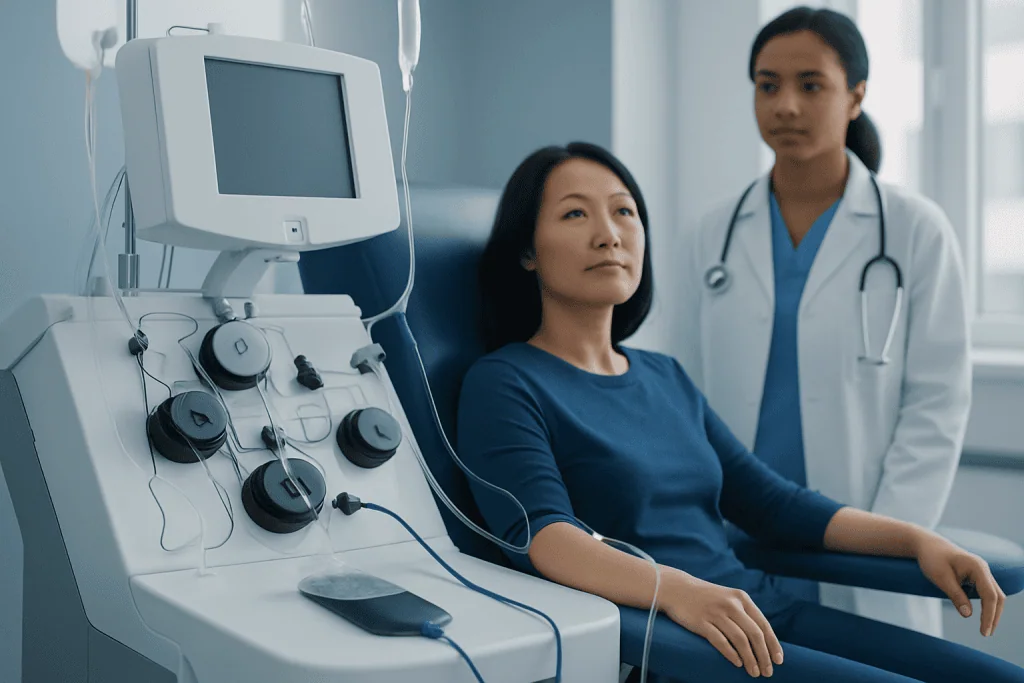
The next step is often leukapheresis, a procedure used to collect white blood cells from the blood. This does not involve surgery. Blood is taken through a vein, passed through a machine that separates out the needed cells, and then returned to the body. The collected T cells are then sent to a specialized laboratory.
In the laboratory, the cells may be modified, selected, or multiplied, depending on the type of therapy. This stage can take time. During the waiting period, some patients may receive temporary cancer treatment, sometimes called bridging therapy, to help keep the disease under control.
Before the T-cell infusion, many patients receive a short course of conditioning treatment, often called lymphodepleting therapy. This helps create space in the immune system so the new T cells can work more effectively. The prepared cells are then infused back into the bloodstream, usually in a hospital or specialized treatment center, followed by careful observation for early side effects.
Benefits, Response, and Follow-Up Care
One of the main advantages of T-cell therapy for cancer is its precision. Instead of affecting rapidly dividing cells in a broad way, as some treatments do, T-cell therapy aims to direct the immune system toward cancer cells with specific targets. For some patients, especially those with relapsed or hard-to-treat blood cancers, it can lead to deep and meaningful responses.
Response varies from person to person. Some patients achieve remission, while others may have only a partial response or may not benefit as hoped. Even when treatment works well, careful follow-up is needed because cancer can sometimes return or change over time.
After infusion, doctors monitor symptoms, blood counts, organ function, and signs of how well the therapy is working. Follow-up may include physical examinations, blood tests, bone marrow tests for certain blood cancers, and imaging when needed. The team also watches for infections and delayed immune effects.
Recovery plans differ between centers and patients. Some people need to stay near the treatment center for a period after infusion so any problems can be recognized quickly. If a patient is being treated for a condition such as lymphoma, ongoing oncology follow-up remains an important part of long-term care.
Possible Side Effects and Risks
T-cell therapy can cause side effects, and these can sometimes be serious. One of the best-known is cytokine release syndrome, an immune reaction that may cause fever, tiredness, low blood pressure, breathing symptoms, or a fast heartbeat. Another important group of side effects involves the nervous system, such as confusion, tremor, headache, difficulty speaking, or reduced alertness.
Doctors and nurses monitor patients closely because early recognition is very important. Many side effects can be managed effectively with supportive care and specific medicines when they are identified promptly. The exact risk depends on the type of T-cell therapy, the cancer being treated, and the individual patient’s health.
Other possible problems include low blood cell counts, infection risk, nausea, fatigue, and effects on organs such as the liver or kidneys. Some people may also need blood products or temporary intensive monitoring. Because the immune system is involved, delayed effects can occur as well, so follow-up does not end after the infusion itself.
Patients are usually given clear instructions about which symptoms need urgent medical attention. It is important not to ignore fever, worsening weakness, confusion, breathing difficulty, severe dizziness, or any sudden change in condition after treatment.
Preparing for Treatment and Supporting Recovery
Preparation often includes blood tests, heart and lung assessments, infection screening, and review of current medicines. Patients may be advised to arrange practical support, including transport, a caregiver, time away from work, and a plan for staying near the treatment center if required. Good communication with the cancer team helps reduce uncertainty during this complex process.
Nutrition, hydration, rest, and infection prevention are important during and after treatment. Patients are often advised to wash hands regularly, avoid close contact with people who are ill, and report any signs of infection quickly. Vaccination plans and medicine adjustments should be discussed with the oncology team rather than managed independently.
Emotional support matters too. T-cell therapy can involve waiting, frequent appointments, and a great deal of information. Family support, counseling, and patient education can help people feel more prepared and more confident in managing the recovery period.
Near the end of the care pathway, some patients seek treatment in specialized international centers. Acibadem International’s multidisciplinary specialists and JCI-accredited hospitals diagnose and treat cancer for international patients, including selected advanced immunotherapy cases when clinically appropriate.
When to See a Doctor
Anyone considering T-cell therapy for cancer should speak with an oncologist experienced in advanced cancer treatments. A specialist can explain whether this therapy fits the specific cancer type, whether the cancer has the right target features, and how it compares with other treatment options.
People who have already received T-cell therapy should contact their care team promptly if they develop fever, chills, confusion, severe fatigue, shortness of breath, chest discomfort, fainting, unusual bleeding, or signs of infection. Even symptoms that seem mild at first may need urgent assessment because immune-related reactions can progress quickly.
It is also important to keep all scheduled follow-up visits. These appointments help doctors check treatment response, manage side effects, and plan the next steps in care. Questions about returning to normal activities, travel, vaccines, and infection precautions should be discussed with the treating team.
Early communication is one of the safest ways to manage treatment. Patients do not need to wait until symptoms become severe to ask for advice.
Frequently asked questions
What is T-cell therapy for cancer?
T-cell therapy for cancer is an immunotherapy that uses the patient’s own immune cells to fight cancer. The cells may be collected, modified or expanded in a laboratory, and then infused back into the body to better recognize cancer cells.
Is CAR T-cell therapy the same as T-cell therapy?
CAR T-cell therapy is one type of T-cell therapy, but it is not the only one. Other forms include T-cell receptor therapy and tumor-infiltrating lymphocyte therapy, which work in different ways.
Which cancers can be treated with T-cell therapy?
T-cell therapy is most established for certain blood cancers, including some leukemias, lymphomas, and multiple myeloma. It is also being studied for more cancer types, including some solid tumors, but suitability depends on the exact diagnosis.
How long does the T-cell treatment process take?
The full process can take several weeks because cells must be collected and then prepared in a specialized laboratory. The exact timeline varies by treatment type, center, and whether temporary treatment is needed while waiting.
What are the main side effects of T-cell therapy?
Important side effects can include cytokine release syndrome, neurological symptoms, low blood counts, and infections. Because some reactions can become serious, patients are monitored closely during and after treatment.
Does T-cell therapy cure cancer?
T-cell therapy can produce very strong responses in some patients, and some may go into remission. However, results vary, and no treatment can guarantee a cure, so long-term follow-up remains important.
Who is a good candidate for T-cell therapy?
A good candidate is someone whose cancer type matches an approved or appropriate T-cell approach and whose overall health allows the treatment and monitoring it requires. An oncology specialist evaluates factors such as prior treatments, organ function, infection risk, and urgency of care.
References
- National Cancer Institute
- American Cancer Society
- National Comprehensive Cancer Network
- European Society for Medical Oncology
- U.S. Food and Drug Administration
This article is for general information only and is not a substitute for professional medical advice. Please consult a qualified doctor about your individual situation.
Oncology care in Turkey — second opinion and treatment plan
JCI-accredited · board-certified surgeons · reply within 24h
Add us as a Preferred Source to see more of our trusted health content across Google Search, AI Overviews and Discover.