Tai Chi: An Evidence-Based Guide for Patients
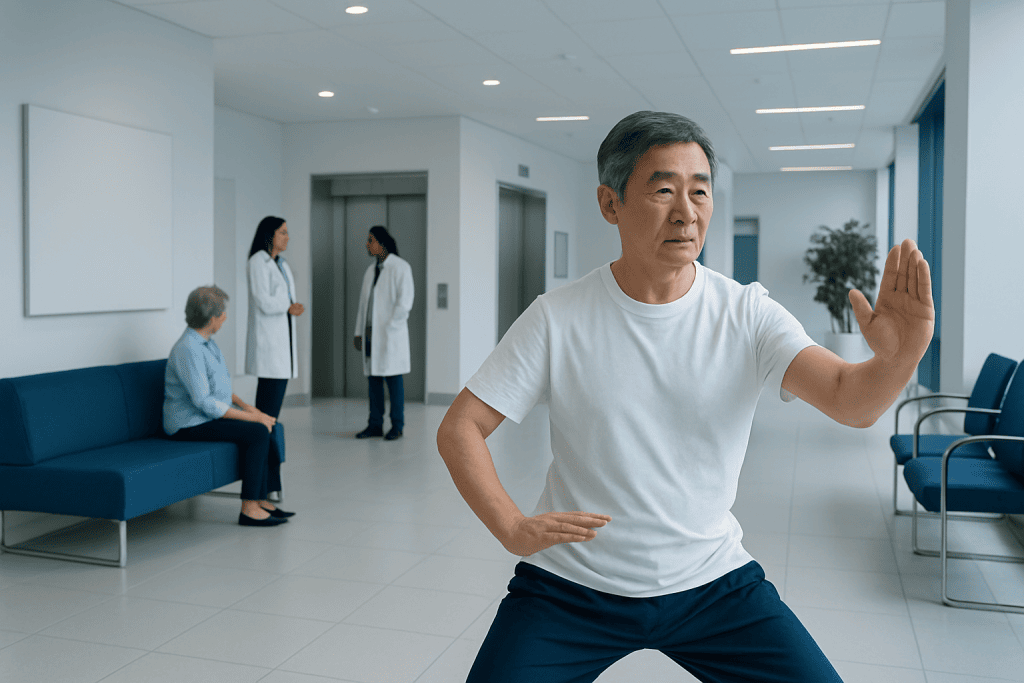
Tai chi is a gentle exercise practice that can be suitable for many ages and fitness levels. Evidence suggests tai chi may help balance, mobility, flexibility, stress, and quality of life.
Key Takeaways
- Tai chi is a gentle exercise practice that can be suitable for many ages and fitness levels.
- Evidence suggests tai chi may help balance, mobility, flexibility, stress, and quality of life.
- It is not a replacement for medical treatment, but it can complement a care plan when approved by a doctor.
- People with pain, dizziness, recent surgery, or complex medical conditions may need tailored guidance before starting.
- A qualified instructor, gradual progression, and safe movement habits can reduce the risk of injury.
Tai chi is a low-impact mind-body practice that combines slow movements, breathing, and focused attention. For many people, it can support balance, flexibility, stress management, and general wellbeing when adapted to individual health needs.
What tai chi is and why people use it
Tai chi is a traditional Chinese mind-body practice that uses slow, deliberate movements, coordinated breathing, and mental focus. Many patients ask whether tai chi is “good exercise,” and the answer is often yes: it is generally considered a gentle, low-impact activity that may improve balance, movement confidence, flexibility, and overall wellbeing. Because it can be adapted to different ability levels, tai chi is commonly explored by older adults, people returning to exercise, and those looking for a calmer form of physical activity.
Unlike high-intensity workouts, tai chi usually emphasizes posture, body awareness, shifting weight safely, and moving with control rather than speed. Some styles are more flowing and meditative, while others place greater focus on martial roots or structured forms. In clinical settings and rehabilitation discussions, tai chi is often described as a supportive lifestyle practice rather than a single standardized treatment.
Research on tai chi has grown over the past two decades. Studies suggest it may help some people with balance, fear of falling, joint stiffness, stress symptoms, and aspects of physical function. Benefits vary from person to person, and results depend on regular practice, overall health, and the quality of instruction. For that reason, patients are usually advised to see tai chi as one part of a broader health plan that may also include medical evaluation, exercise therapy, sleep, nutrition, and treatment of underlying conditions.
How tai chi may benefit health
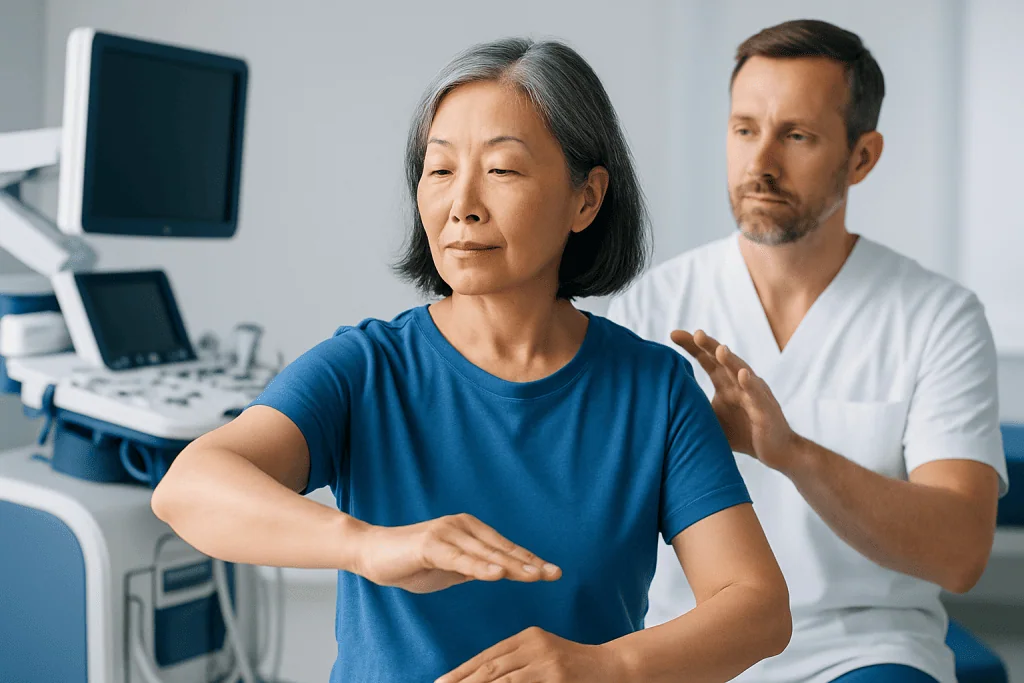
Tai chi is best known for its effects on balance and movement control. Slow weight shifts and upright posture training may help people become more aware of where their body is in space. This can be especially useful for older adults or for those who feel unsteady, although balance problems should still be medically assessed because they can be linked to neurological, ear-related, or musculoskeletal causes.
There is also evidence that tai chi may support joint mobility, flexibility, and mild strength endurance. Because the movements are usually gentle and continuous, many people find it easier to tolerate than more demanding forms of exercise. Some patients with knee discomfort, age-related stiffness, or recovery needs may discuss tai chi alongside structured rehabilitation such as physical therapy and rehabilitation.
Tai chi may also help mental wellbeing. Focused breathing and repetitive movement can reduce perceived stress and promote relaxation for some people. While it is not a treatment for severe mental health conditions on its own, it may complement care plans for stress management, sleep routines, and emotional self-regulation.
- Possible support for balance and fall confidence
- Gentle improvement in flexibility and mobility
- Support for posture, body awareness, and coordination
- A calming routine that may help stress and mood
- An accessible way to stay active for some people with limited exercise tolerance
Who may benefit most, and when caution is needed

Tai chi may be especially appealing to older adults, beginners to exercise, and people seeking a low-impact activity. It is often considered by patients with mild joint stiffness, reduced confidence in walking, or a desire to improve movement without heavy strain. Some people living with long-term conditions also ask about tai chi as a complementary practice, especially when fatigue, stiffness, or fear of falling affect daily life.
However, tai chi is not automatically appropriate for everyone in the same way. A person with severe arthritis, recent fracture, uncontrolled heart symptoms, significant dizziness, advanced neurological disease, or recent surgery may need a modified program. Those with tremor, slowness, or gait changes due to conditions such as Parkinson’s disease may still benefit from supervised movement work, but technique and safety matter.
Caution is also important for people with unexplained fainting, chest pain, severe shortness of breath, sudden weakness, or new numbness. These symptoms need medical evaluation rather than self-directed exercise. If pain increases during movement, or if a person feels unstable even during simple standing tasks, a doctor or rehabilitation professional should assess the situation first.
What the evidence says
Evidence-based reviews generally support tai chi as a helpful, low-risk option for selected health goals, especially balance, fall prevention support, and general physical function. It has been studied in older adults, people with joint problems, and patients with certain neurological or chronic health conditions. The strongest benefits tend to appear when practice is regular and sustained over time rather than occasional.
That said, tai chi research has limits. Different studies use different styles, session lengths, instructors, and patient groups, so results are not identical across all populations. Some studies rely on small sample sizes or short follow-up periods. This means tai chi should be presented honestly: promising and often helpful, but not a guaranteed solution.
For musculoskeletal health, tai chi may be discussed as one option alongside proven care for chronic pain or stiffness. For example, people exploring conservative support for knee pain may ask whether gentle exercise forms like tai chi are appropriate, but the best plan depends on the cause of symptoms. In the same way, people with persistent spinal symptoms may need assessment and treatments such as spine rehabilitation before beginning or advancing a new exercise routine.
How to start tai chi safely
For most beginners, the safest approach is to start slowly with a qualified instructor who has experience adapting movements for health needs. A good class should emphasize posture, comfortable range of motion, and safe weight shifting. Patients do not need to memorize complex forms immediately. Learning a few basic movements with control is often more useful than trying to perform a long sequence too quickly.
Comfortable clothing, supportive footwear, and a clear practice area can help reduce slips or strain. Some people benefit from keeping a chair or wall nearby for added support during early sessions. Movements should be smooth and pain-free. Mild muscular effort is normal, but sharp pain, marked dizziness, or breathlessness are signals to stop and seek guidance.
A practical way to begin is with short sessions of 10 to 20 minutes several times a week. As confidence improves, frequency and duration can increase gradually. People with balance deficits, history of falls, or deconditioning may also benefit from a broader rehabilitation plan such as geriatric rehabilitation if recommended by their care team.
- Begin with beginner-level instruction
- Warm up gently and avoid forcing positions
- Use support nearby if balance is uncertain
- Practice regularly rather than intensely
- Stop if symptoms feel unusual or unsafe
Tai chi as part of a broader care plan
Tai chi works best when it fits into a realistic health routine. It can complement walking, strength exercises, stretching, sleep hygiene, and condition-specific treatment. For example, someone managing age-related mobility decline may use tai chi to improve confidence and coordination while also following a doctor’s advice on bone health, vision checks, medication review, and footwear.
It is also important to address the reason a person wants to try tai chi. If the main goal is reducing stress, pairing tai chi with sleep support, breathing techniques, and mental health care may be helpful. If the goal is better mobility after illness or surgery, professionally guided rehabilitation may be more appropriate at first, with tai chi introduced later as a maintenance activity.
In some cases, symptoms that seem like simple “stiffness” or “poor balance” can reflect an underlying disorder that needs diagnosis. Inner ear conditions, neuropathy, arthritis, neurological disease, medication side effects, and cardiovascular problems can all affect steadiness and movement. Acibadem International’s multidisciplinary specialists and JCI-accredited hospitals evaluate and treat patients who may benefit from coordinated assessment, rehabilitation, and long-term movement guidance.
When to seek medical care
Patients should seek medical advice before starting tai chi if they have significant balance problems, recent falls, recent surgery, severe joint pain, osteoporosis with fracture risk, or a known heart, lung, or neurological condition that affects safe movement. A clinician can help determine whether tai chi is appropriate, whether modifications are needed, and whether supervised rehabilitation would be safer.
Medical care is especially important if symptoms are new, worsening, or unexplained. Warning signs include chest pain, fainting, severe shortness of breath, sudden weakness, new numbness, sudden severe headache, or marked dizziness. These symptoms are not typical exercise adjustment issues and should not be ignored.
A doctor should also be consulted if tai chi consistently triggers pain, swelling, instability, or unusual fatigue. In those situations, continuing without evaluation may delay diagnosis of a treatable problem. The goal is not to avoid movement, but to make sure movement is safe, individualized, and aligned with a person’s medical needs.
Frequently asked questions
Is tai chi a good exercise for beginners?
Yes, tai chi is often suitable for beginners because it is low-impact and can be adapted to different fitness levels. Many people start with simple standing movements and short sessions, then progress gradually as confidence and coordination improve.
Can tai chi help with balance?
Tai chi may help balance by improving posture, weight shifting, body awareness, and movement control. It can be a helpful part of a fall-prevention strategy, but persistent or sudden balance problems should still be evaluated by a doctor.
Is tai chi safe for older adults?
Tai chi is often considered a suitable exercise option for older adults because it is gentle and does not usually involve impact or fast directional changes. Still, people with frailty, recent falls, severe pain, or dizziness may need medical advice and supervised instruction first.
Can tai chi replace physical therapy or medical treatment?
No. Tai chi may complement a treatment plan, but it does not replace medical diagnosis, prescribed treatment, or rehabilitation when those are needed. The best approach depends on the underlying cause of symptoms.
How often should someone practice tai chi?
A common starting point is a few short sessions each week, focusing on consistency rather than intensity. Regular practice is usually more helpful than occasional long sessions, and the routine can be adjusted based on comfort, ability, and medical advice.
What should a person do if tai chi causes pain or dizziness?
They should stop the activity and rest, especially if symptoms feel unusual or significant. If pain, dizziness, shortness of breath, or instability continues or returns repeatedly, a healthcare professional should assess the cause before they continue.
References
- World Health Organization
- National Center for Complementary and Integrative Health
- Centers for Disease Control and Prevention
- National Institute on Aging
- American College of Sports Medicine
This article is for general information only and is not a substitute for professional medical advice. Please consult a qualified doctor about your individual situation.
Explore treatments in Turkey — costs, top hospitals & a free quote
JCI-accredited · board-certified surgeons · reply within 24h
Add us as a Preferred Source to see more of our trusted health content across Google Search, AI Overviews and Discover.