Targeted Cancer Therapy: A Beginner’s Guide to How It Works

Targeted cancer therapy works by blocking specific features that cancer cells depend on. These treatments are usually chosen after biomarker or molecular testing shows a suitable target.
Key Takeaways
- Targeted cancer therapy works by blocking specific features that cancer cells depend on.
- These treatments are usually chosen after biomarker or molecular testing shows a suitable target.
- Targeted therapy can be given alone or combined with surgery, chemotherapy, radiation, immunotherapy, or hormone therapy.
- Side effects differ from chemotherapy and depend on the drug and the target involved.
- Not all cancers have targetable changes, so treatment decisions are individualized.
Targeted cancer therapy is a modern cancer treatment that acts on specific genes, proteins, or pathways that help cancer cells grow and survive. It is not right for every cancer, but when a tumor has the right target, it can be an important part of a personalized treatment plan.
Overview of Targeted Cancer Therapy
Targeted cancer therapy is a type of cancer treatment designed to act on specific molecules involved in cancer growth, spread, or survival. These molecules may be altered genes, proteins on the surface of cancer cells, or signaling pathways that tell cells when to divide. Instead of affecting all rapidly dividing cells in the body in the same way that traditional chemotherapy often does, targeted therapy aims to focus more precisely on a tumor’s biology.
This approach is part of what many people call precision or personalized cancer care. A person’s tumor may be tested to see whether it carries a change that can be targeted by a medicine. If the target is present, the treatment may slow tumor growth, shrink the cancer, or help other treatments work better.
Targeted therapy is used in many cancers, including some breast, lung, colorectal, blood, kidney, and skin cancers. It may be recommended at different stages of care, such as after diagnosis, after surgery, when cancer has spread, or if a cancer returns. In some cases, it is used alongside chemotherapy or radiation therapy as part of a broader plan.
How Targeted Therapy Works
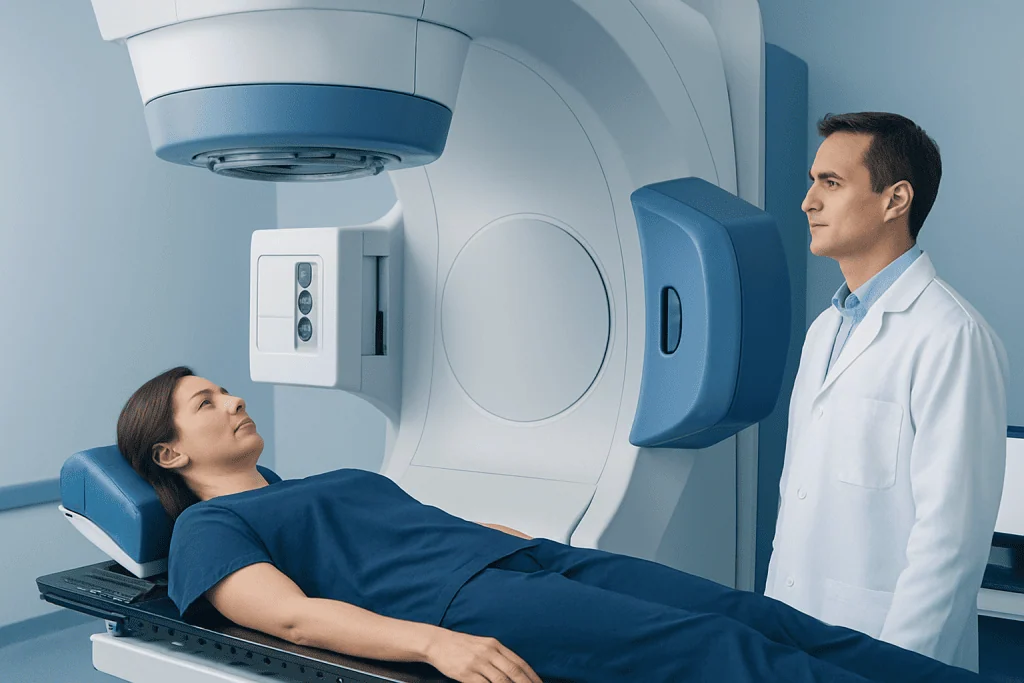
Cancer cells often develop changes that allow them to grow faster, avoid normal cell death, form new blood vessels, or spread into nearby tissues. Targeted therapies are made to interrupt these abnormal processes. For example, some drugs block growth signals on the cell surface, some stop enzymes inside the cell, and others prevent tumors from creating the blood supply they need.
There are two broad forms of targeted therapy. Small-molecule drugs are usually taken by mouth and can enter cells to block internal pathways. Monoclonal antibodies are usually given by infusion or injection and generally act on targets on the cell surface or in the area around the tumor. Both approaches are used widely in oncology, depending on the cancer type and the molecular target.
Targeted therapy is different from immunotherapy, which mainly works by helping the immune system recognize and attack cancer. Some treatment plans include both. The best approach depends on the cancer’s location, stage, molecular features, the patient’s overall health, and treatment goals.
Who May Benefit and Why Testing Matters
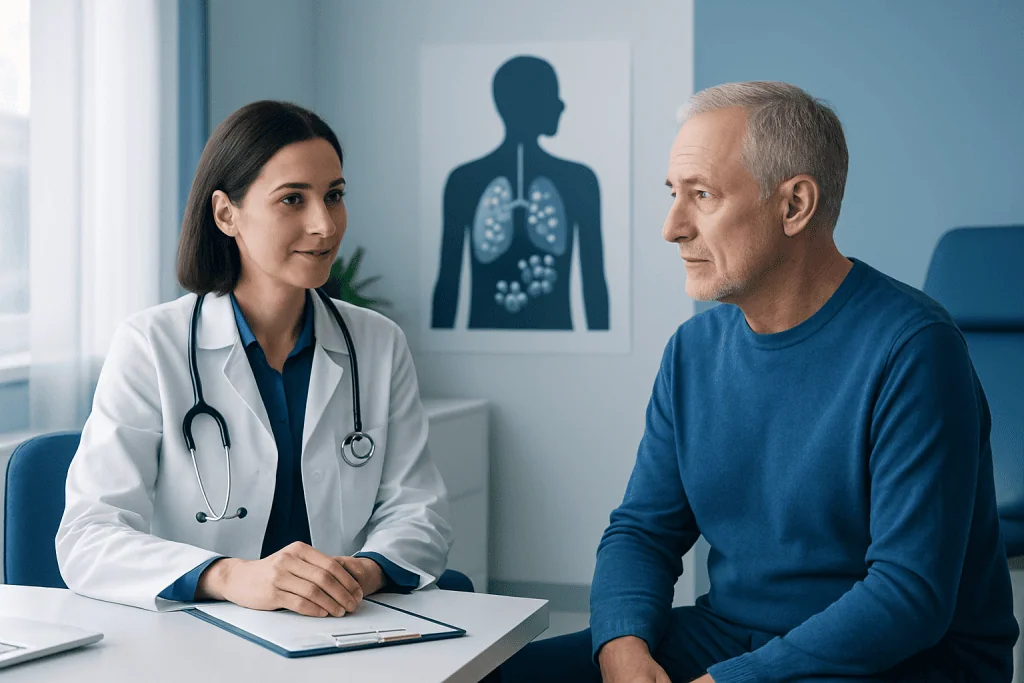
Targeted therapy is not chosen only by the name of the cancer. It is chosen by looking closely at the tumor’s biology. Doctors often order biomarker testing, molecular profiling, or genetic testing on the tumor tissue, and sometimes on a blood sample. These tests look for changes such as mutations, rearrangements, amplifications, or protein overexpression that may predict whether a drug is likely to help.
This means that two people with the same type of cancer may receive different treatments. One tumor may carry a targetable change, while another may not. For example, a patient with lung cancer may be tested for several gene changes before treatment begins, while a patient with breast cancer may have testing for hormone receptors and HER2 status as part of diagnosis and planning.
Testing may be done at the time of first diagnosis, after surgery, when cancer spreads, or if it stops responding to treatment. Repeat testing can sometimes be helpful because cancers may change over time. This is one of the reasons close follow-up with an oncology team is so important during treatment.
Common Types of Targeted Therapy
There are many different targeted therapies, and each one is linked to a specific biological feature. Some block receptors that sit on the outside of cancer cells, while others inhibit enzymes called kinases inside the cell. Another group prevents angiogenesis, the process by which tumors form new blood vessels. Some medicines carry a targeted component that delivers treatment more directly to cancer cells.
Examples of settings where targeted therapy may be used include HER2-targeted treatment for some breast cancers, EGFR or ALK inhibitors for selected lung cancers, BRAF-targeted treatment for certain melanomas, anti-angiogenic therapy for some kidney and colorectal cancers, and targeted medicines for certain leukemias and lymphomas. Each treatment has its own indications and is not interchangeable with another.
Targeted therapy may be used:
- As the main treatment for cancers with a strong targetable change
- After surgery to lower the risk of recurrence in selected cases
- With chemotherapy, hormone therapy, or radiation
- When advanced cancer needs ongoing control
- When a cancer returns or becomes resistant to earlier treatment
Because these medicines are highly specific, they are most effective when the right target is confirmed. Treatment plans are often reviewed in a multidisciplinary cancer team and may include medical oncology care as the central part of management.
Possible Benefits and Side Effects
One of the main benefits of targeted cancer therapy is precision. By focusing on a particular abnormality, it may control the cancer while affecting fewer normal cells than standard chemotherapy. For some patients, this can lead to effective treatment with a different side effect profile and, in some cases, a convenient oral medicine taken at home.
However, targeted therapy is not free of side effects. Because some of the targeted molecules are also present in healthy tissues, treatment can still affect the skin, digestive system, liver, heart, blood pressure, lungs, or other organs. Common side effects may include rash, diarrhea, fatigue, mouth sores, nail changes, swelling, high blood pressure, or changes in blood tests. The exact risks depend on the medicine being used.
Many side effects can be managed when they are recognized early. Patients are usually advised to report new symptoms promptly rather than waiting for the next visit. Doctors may monitor blood tests, blood pressure, heart function, or scans during treatment to make sure the medicine remains both safe and effective.
Treatment Planning, Monitoring, and Resistance
Before starting targeted therapy, the oncology team considers several factors: the exact cancer type, stage, biomarker results, previous treatments, other medical conditions, and the patient’s preferences. Some targeted medicines are given as tablets or capsules, while others are delivered through an intravenous infusion in a clinic or hospital. The schedule may be daily, in cycles, or at regular intervals depending on the drug.
Monitoring continues throughout treatment. Imaging scans may be used to see whether the tumor is shrinking or stable. Blood tests can help identify side effects or changes in organ function. The team may also ask about daily symptoms, appetite, skin changes, bowel habits, and energy levels, since these can offer important clues about how the treatment is being tolerated.
Over time, some cancers become resistant to targeted therapy. This can happen when cancer cells develop new mutations or begin using different growth pathways. If this occurs, doctors may recommend another targeted drug, a different type of systemic treatment, a clinical trial, or an updated biopsy or liquid biopsy to look for new treatment options.
Self-care During Targeted Therapy
Good self-care can help patients feel more comfortable and support continuity of treatment. Simple measures such as staying hydrated, eating balanced meals, protecting the skin from irritation and sun exposure, and following medicine instructions carefully can make a meaningful difference. Patients should not stop or adjust treatment on their own unless advised by their doctor.
It is also helpful to keep a list of all medicines and supplements, since interactions can affect how some targeted drugs work. If a treatment is taken by mouth, taking it exactly as directed is especially important. Missed doses, timing errors, and unapproved supplements may reduce effectiveness or increase side effects.
Emotional support matters as well. Cancer treatment can be physically and mentally demanding, even when it is more targeted. Family support, counseling, symptom management services, and open communication with the care team can help patients feel more informed and reassured throughout the process.
When to Speak With a Doctor
Anyone considering targeted cancer therapy should speak with an oncologist about whether their cancer has a known biomarker or target. Questions may include what testing is needed, what the goals of treatment are, how the treatment will be given, what side effects to watch for, and how success will be monitored. These conversations help patients understand both the possibilities and the limits of treatment.
During therapy, medical advice should be sought promptly for symptoms such as severe diarrhea, shortness of breath, chest discomfort, fever, widespread rash, persistent vomiting, unusual bleeding, confusion, or sudden swelling. Early attention can reduce complications and may prevent treatment interruptions.
Near the end of the care pathway, some patients seek treatment in specialized international centers. Acibadem International’s multidisciplinary specialists and JCI-accredited hospitals provide diagnosis and treatment planning for international patients with cancer, including personalized approaches based on tumor biology.
Frequently asked questions
Is targeted cancer therapy the same as chemotherapy?
No. Chemotherapy generally affects rapidly dividing cells more broadly, while targeted cancer therapy is designed to act on specific molecules or pathways linked to the tumor. Both can be effective, and in some cases they are used together.
Does every cancer have a targeted therapy option?
No, not every cancer has a known targetable change. Some tumors do not show a biomarker that matches an available medicine, while others may have targets only at certain stages or after additional testing. This is why biomarker testing is an important step in treatment planning.
How is it decided whether a patient can receive targeted therapy?
Doctors usually look at the cancer type, stage, prior treatments, and results of molecular or biomarker testing. The patient’s overall health and treatment goals also matter. A targeted drug is typically considered only when there is evidence that the tumor has the right target.
What are the most common side effects of targeted therapy?
Side effects vary by drug, but common examples include rash, diarrhea, fatigue, mouth sores, blood pressure changes, and abnormal blood tests. Some medicines can also affect organs such as the liver, lungs, or heart. The care team monitors for these problems during treatment.
Can targeted therapy cure cancer?
In some situations, targeted therapy is used with curative intent as part of an overall treatment plan, especially in earlier-stage disease combined with other treatments. In other cases, especially advanced cancer, the goal may be to control the disease, slow progression, and improve quality of life. The expected benefit depends on the cancer type and the specific target.
What happens if targeted therapy stops working?
Some cancers develop resistance over time, meaning they find new ways to grow despite the treatment. If that happens, doctors may recommend repeat testing, a different targeted drug, another treatment type, or a clinical trial. Ongoing follow-up helps identify the next best step.
References
- National Cancer Institute
- American Cancer Society
- European Society for Medical Oncology
- National Comprehensive Cancer Network
- World Health Organization
This article is for general information only and is not a substitute for professional medical advice. Please consult a qualified doctor about your individual situation.
Oncology care in Turkey — second opinion and treatment plan
JCI-accredited · board-certified surgeons · reply within 24h
Add us as a Preferred Source to see more of our trusted health content across Google Search, AI Overviews and Discover.
Check your numbers in seconds
BMI, calories, due date, blood pressure and 30+ more clinical calculators — free, instant, doctor-reviewed ranges.