Targeted Therapy for Cancer: How It Works and Who May Benefit
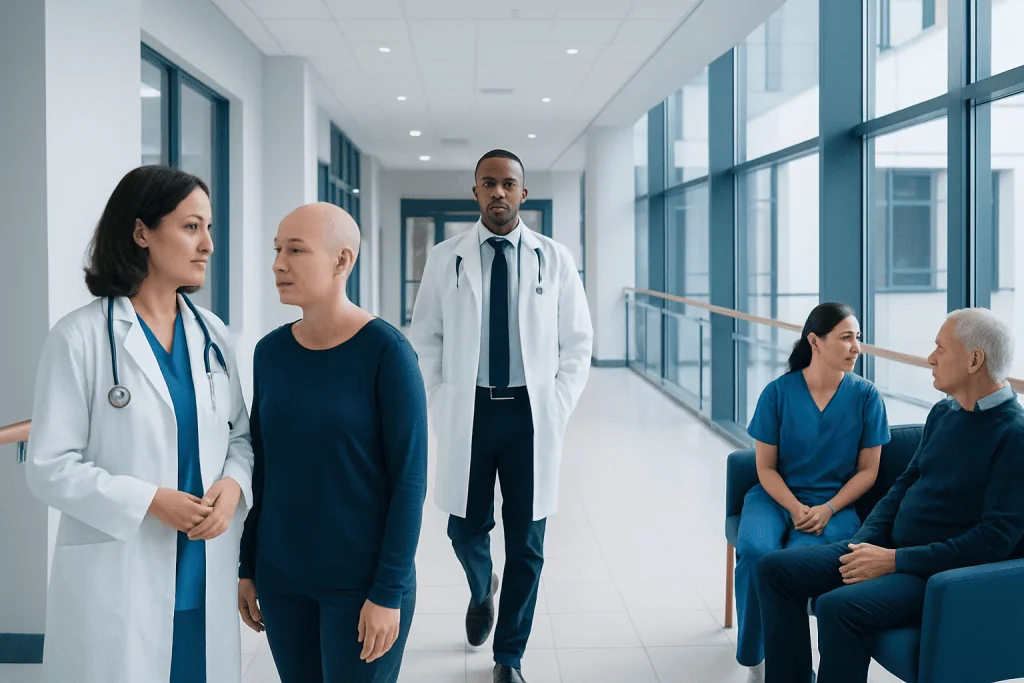
Targeted therapy works by blocking specific changes that drive cancer growth rather than attacking all fast-growing cells in the same way as traditional chemotherapy. Not every cancer has a targetable change, so biomarker or molecular testing is often needed before treatment is chosen.
Key Takeaways
- Targeted therapy works by blocking specific changes that drive cancer growth rather than attacking all fast-growing cells in the same way as traditional chemotherapy.
- Not every cancer has a targetable change, so biomarker or molecular testing is often needed before treatment is chosen.
- These medicines can be given as pills, capsules, injections, or intravenous infusions and may be used alone or with chemotherapy, immunotherapy, radiation, or surgery.
- Side effects vary by drug and target, but can include skin changes, diarrhea, fatigue, high blood pressure, liver changes, and infusion reactions.
- Response to treatment is monitored with scans, blood tests, and symptom review because cancers can sometimes become resistant over time.
Targeted therapy for cancer is a type of treatment that focuses on specific genes, proteins, or pathways that help cancer cells grow. It may be used alone or with other treatments, depending on the cancer type and whether testing shows a target the medicine can act on.
Overview
Targeted therapy for cancer is a treatment approach designed to interfere with specific molecules or signals that cancer cells use to grow, divide, and spread. Rather than affecting all rapidly dividing cells in a broad way, these medicines aim at particular features found in some tumors. This is why targeted therapy is often described as a more precise or personalized form of cancer treatment.
Targeted therapy is not a single drug or a single method. It includes several groups of medicines, such as monoclonal antibodies, small-molecule drugs, and medicines that block blood vessel growth to tumors. Some are used for solid tumors such as lung, breast, colorectal, or kidney cancer, while others are used for blood cancers. In many cases, the treatment plan is based on tumor testing that looks for gene changes, protein markers, or other molecular features.
For some people, targeted therapy can slow cancer growth, shrink tumors, delay progression, or improve symptom control. It may be used as the main treatment, after surgery, together with other therapies, or when cancer has returned. Even though it is more selective than some older treatments, it still needs careful medical supervision because side effects and treatment resistance can occur.
How Targeted Therapy Works
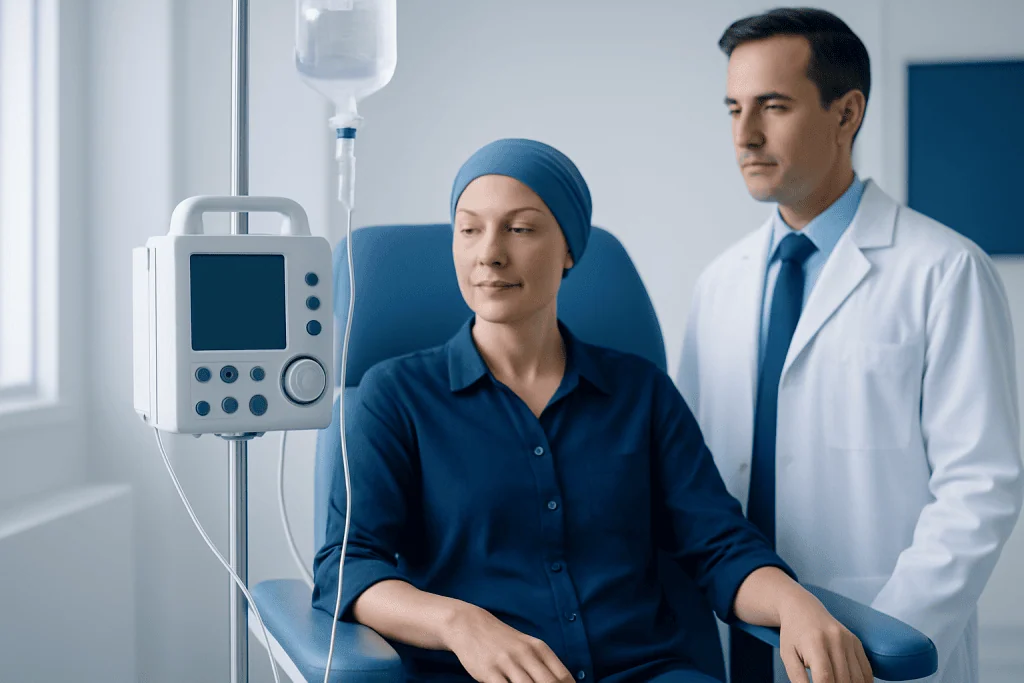
Cancer cells often depend on abnormal signals that tell them to keep growing. These signals may come from gene mutations, too much of a certain protein, or changes in the way cells communicate with their environment. Targeted therapy works by blocking one or more of these abnormalities. When the target is successfully blocked, cancer cells may stop dividing, become easier for the body to control, or die.
Some targeted drugs attach to proteins on the outside of cancer cells. Others enter the cell and block internal pathways that are essential for survival. Certain medicines also prevent tumors from making new blood vessels, a process called angiogenesis. Without an adequate blood supply, a tumor may have more difficulty continuing to grow.
Because different cancers are driven by different molecular changes, one targeted drug may work very well for one group of patients but not for others. This is why testing matters so much. A person with lung cancer, for example, may benefit from a targeted medicine only if the tumor carries a specific mutation or rearrangement. The same principle applies across many cancer types.
- Some drugs block growth factor receptors on cancer cells.
- Some inhibit enzymes involved in cell signaling.
- Some reduce a tumor’s blood supply.
- Some deliver treatment directly to cells with a certain marker.
Who May Benefit
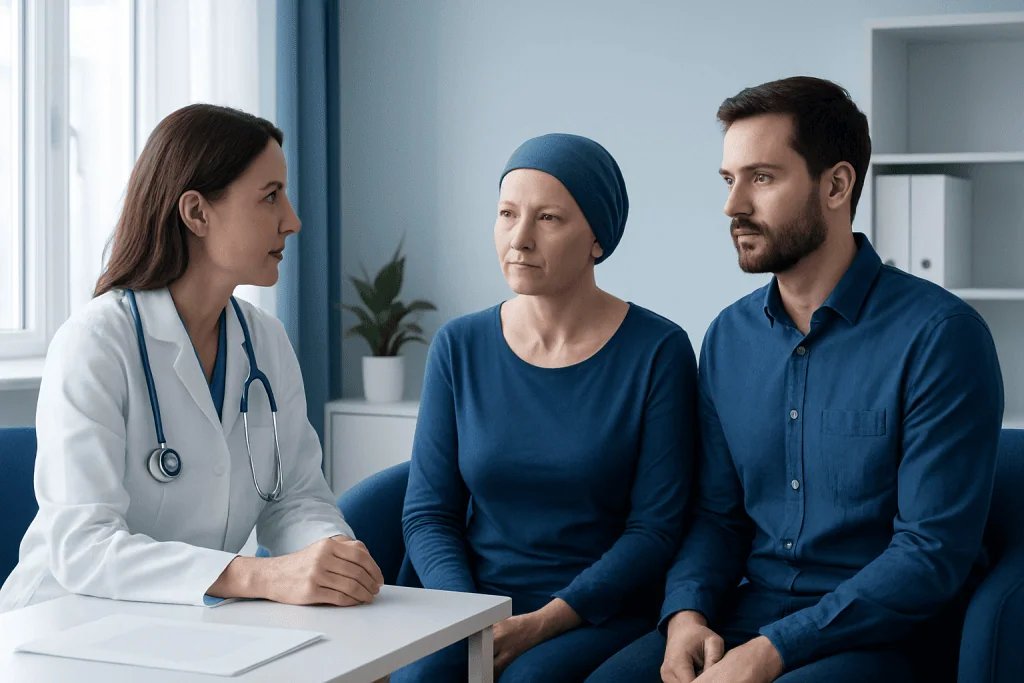
People may benefit from targeted therapy when their cancer has a molecular feature that matches an available treatment. This can happen in many cancers, including certain lung, breast, colorectal, melanoma, leukemia, lymphoma, ovarian, and gastrointestinal cancers. Whether targeted therapy is appropriate depends on the cancer type, stage, prior treatment, overall health, and test results from the tumor or blood.
Targeted therapy may be considered at different points in care. Some patients receive it as a first treatment because it is the best match for their tumor biology. Others may receive it after surgery to reduce the risk of recurrence, or later if the cancer returns or spreads. In some cases, targeted therapy is combined with chemotherapy or other treatments to improve control of the disease.
Not everyone with cancer will be a candidate. Some tumors do not have a known targetable change, and some targeted drugs are approved only for very specific situations. A cancer specialist reviews the pathology, imaging, and biomarker results to decide whether this approach is likely to help. This makes individualized treatment planning especially important in oncology.
Biomarker Testing and Diagnosis
Before starting targeted therapy, doctors often order biomarker testing, also called molecular testing or genomic profiling. This testing looks for genetic mutations, amplifications, fusions, or protein markers in the cancer. The sample may come from a biopsy, surgery specimen, bone marrow, or sometimes a blood test known as a liquid biopsy. The goal is to identify whether the tumor has a feature that a targeted drug can act on.
Testing may be done at the time of diagnosis, when cancer spreads, or if it stops responding to treatment. In some cancers, broad molecular profiling helps find uncommon but important changes. In others, only a few well-established biomarkers need to be checked. The exact tests depend on the cancer type and current treatment guidelines.
Diagnosis and treatment planning also rely on standard cancer evaluation, including physical examination, pathology review, blood tests, and imaging. Depending on the situation, this may include PET-CT or other scans to show where the cancer is and how active it appears. In many centers, results are discussed by a multidisciplinary team so that pathology, imaging, medical oncology, surgery, and radiation oncology can be considered together.
Treatment Options and What to Expect
Targeted therapy can be given in different forms. Some medicines are taken by mouth every day or in cycles, while others are given through a vein or by injection at regular intervals. The schedule depends on the specific drug and the cancer being treated. Treatment may continue as long as it is working and side effects remain manageable.
In clinical practice, targeted therapy is often part of a broader plan. A patient may also need radiotherapy, surgery, hormone therapy, immunotherapy, or supportive care. For example, some early-stage cancers are treated first with surgery and then targeted therapy if the tumor has certain high-risk features. In advanced disease, the goal may be to control cancer for as long as possible while preserving quality of life.
During treatment, follow-up visits are important. Doctors check symptoms, blood pressure, blood counts, liver and kidney function, and other safety measures depending on the medicine. Scans are repeated from time to time to assess response. If the cancer stops responding, the team may repeat biomarker testing to look for new changes that explain resistance and may guide the next treatment choice.
Side Effects, Safety, and Resistance
Although targeted therapy is designed to be more selective, side effects can still happen. The pattern depends on which target is being blocked. Common side effects may include fatigue, diarrhea, nausea, mouth sores, skin rash, dry skin, nail changes, swelling, or appetite changes. Some drugs can also affect blood pressure, heart function, lung tissue, bleeding risk, or liver tests, so regular monitoring is part of care.
Many side effects can be managed if they are recognized early. Patients are usually advised to report fever, shortness of breath, severe diarrhea, chest discomfort, yellowing of the eyes or skin, significant rash, unusual bruising, or any sudden change in symptoms. Dose adjustments, brief treatment pauses, supportive medicines, or switching to another treatment may help.
Another important issue is resistance. Cancer cells can adapt over time and find new ways to grow despite treatment. This does not mean the therapy was a mistake; many targeted drugs work very well for a period of time. However, if resistance develops, the oncology team may recommend new testing, a different targeted drug, or another form of treatment such as immunotherapy when appropriate.
Questions to Ask, Self-care, and When to See a Doctor
Patients often feel more confident when they understand why a targeted therapy is being recommended. Helpful questions include whether the cancer has a targetable biomarker, what the goal of treatment is, how the medicine will be given, how response will be measured, and which side effects should be reported right away. Keeping a written list of symptoms and medicines can make follow-up visits easier and more productive.
Self-care during treatment focuses on hydration, balanced nutrition, skin protection, rest, and taking medicines exactly as prescribed. It is also important to tell the care team about vitamins, herbal products, and other prescriptions, since some can interact with targeted drugs. Patients should not stop treatment, change the dose, or start supplements without medical advice.
Medical review is needed promptly for new or worsening symptoms, especially fever, breathing problems, chest pain, severe diarrhea, dehydration, fainting, confusion, or signs of infection. Even milder symptoms deserve discussion if they persist, because early management often helps prevent interruptions in care. At Acibadem International, multidisciplinary specialists in JCI-accredited hospitals evaluate international patients and provide diagnosis and treatment planning for cancer, including targeted therapy when appropriate.
Frequently asked questions
Is targeted therapy the same as chemotherapy?
No. Chemotherapy generally affects rapidly dividing cells more broadly, while targeted therapy is designed to act on specific molecules or pathways involved in cancer growth. In some treatment plans, both may be used together because they work in different ways.
Does every cancer patient need biomarker testing?
Not every patient needs the same type of testing, but biomarker testing is very important when targeted therapy is being considered. The need for testing depends on the type of cancer, stage, and current treatment guidelines. A cancer specialist can explain which tests are relevant and why.
Can targeted therapy cure cancer?
In some situations, targeted therapy is used as part of treatment with curative intent, especially in earlier-stage disease combined with surgery or other therapies. In advanced cancer, it is more often used to control the disease, shrink tumors, and prolong the time before the cancer worsens. The expected benefit depends on the specific cancer and the target being treated.
What are the most common side effects of targeted therapy?
Common side effects can include rash, diarrhea, fatigue, mouth sores, appetite changes, and changes in blood tests. Some targeted drugs can also affect blood pressure, the liver, the heart, or the lungs. Side effects vary widely by medicine, so patients should review the expected risks with their oncology team.
How long does targeted therapy take to work?
Some people notice improvement in symptoms within days or weeks, but response is usually assessed more formally with scans and follow-up tests over time. The timing depends on the cancer type, the drug, and the treatment goal. Regular monitoring helps doctors see whether the therapy is effective.
What happens if targeted therapy stops working?
If the cancer becomes resistant, doctors may recommend repeat biopsy or blood-based testing to look for new molecular changes. These results can sometimes identify another targeted drug or a different treatment strategy. Other options may include chemotherapy, immunotherapy, radiation, or clinical trials, depending on the situation.
References
- National Cancer Institute
- American Cancer Society
- American Society of Clinical Oncology
- European Society for Medical Oncology
- National Comprehensive Cancer Network
This article is for general information only and is not a substitute for professional medical advice. Please consult a qualified doctor about your individual situation.
Targeted Therapy in Turkey — costs, top hospitals & a free quote
JCI-accredited · board-certified surgeons · reply within 24h
Add us as a Preferred Source to see more of our trusted health content across Google Search, AI Overviews and Discover.

More from the Health Library


Related Specialists

Dt. Mutlu Keskin
Oral & Dental Health
Prof. Dr. Mustafa Parildar
Interventional Radiology
Dyt. Zeynep Ondur
Nutrition & Diet
Dr. Hakan Özbay
Orthopedic Surgery & Traumatology