Targeted Therapy for Prostate Cancer: How It Works, Results and What to Expect

Targeted therapy is not one treatment; it includes medicines selected according to the cancer’s molecular features. Genetic and tumor testing can identify changes, such as DNA-repair gene alterations, that may make targeted medicines suitable.
Key Takeaways
- Targeted therapy is not one treatment; it includes medicines selected according to the cancer’s molecular features.
- Genetic and tumor testing can identify changes, such as DNA-repair gene alterations, that may make targeted medicines suitable.
- PARP inhibitors are an important type of targeted treatment for some men with advanced prostate cancer.
- Response and side effects vary, so regular blood tests, scans, and symptom review are essential during treatment.
- For stage 4 prostate cancer, targeted therapy can often help control disease but is not usually considered curative.
Targeted therapy for prostate cancer uses medicines designed to act on particular changes within cancer cells or on pathways that help the cancer grow. It is most often considered for advanced or metastatic prostate cancer and is guided by biomarker testing, previous treatments, symptoms, and overall health.
Overview: What Targeted Therapy for Prostate Cancer Means
Targeted therapy for prostate cancer is a group of medicines that focus on specific features of cancer cells rather than affecting all rapidly dividing cells in the same way as traditional chemotherapy. The treatment may block a growth signal, interfere with cancer-cell repair mechanisms, or deliver treatment to cells that carry a particular target.
It is mainly used when prostate cancer has spread beyond the prostate or has continued growing despite treatment that lowers testosterone. In this setting, doctors use the term metastatic castration-resistant prostate cancer. Targeted treatment is not appropriate for every person, because its benefit depends on the cancer’s biology and on the treatments already received.
Before recommending a medicine, the oncology team considers pathology results, prostate-specific antigen (PSA) trends, imaging, symptoms, medical history, and molecular test results. This individualized approach helps balance the likelihood of benefit with possible side effects and the person’s treatment goals.
How Does Targeted Therapy Work?
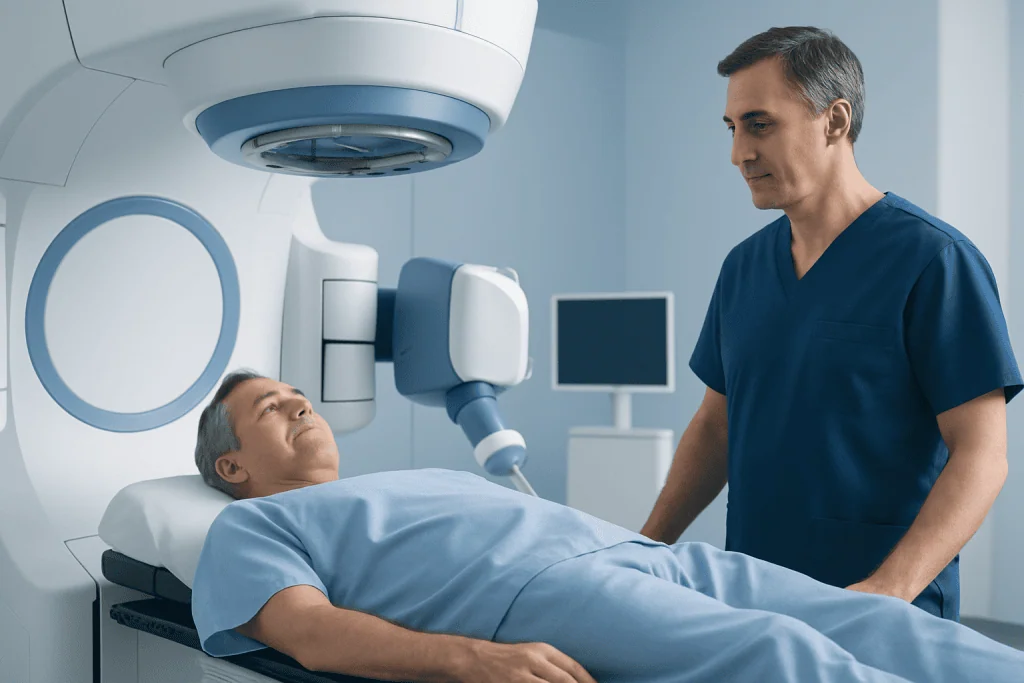
Cancer cells can develop genetic changes that help them survive, multiply, and repair damage to their DNA. Some targeted medicines exploit these weaknesses. For example, PARP inhibitors block an enzyme involved in DNA repair. In cancers with certain inherited or acquired DNA-repair gene changes, blocking this pathway can make it difficult for cancer cells to survive.
Genes that may be assessed include BRCA1, BRCA2, ATM, PALB2, and other genes involved in homologous recombination repair. Testing may be performed on a tumor sample, blood, saliva, or a combination of these. A result can have implications not only for treatment, but sometimes for relatives who may benefit from genetic counseling.
Another precision-based approach may target prostate-specific membrane antigen (PSMA), a protein often found in high amounts on prostate cancer cells. PSMA-targeted radioligand therapy combines a targeting molecule with radiation, aiming to deliver radiation preferentially to PSMA-positive cancer cells. It is distinct from standard external-beam radiation therapy and is used only for selected patients after specialist assessment.
Targeted treatments may be given alone or alongside ongoing hormone treatment. The exact plan is made by a multidisciplinary team, which may include urologists, medical oncologists, radiation oncologists, nuclear medicine specialists, genetic counselors, radiologists, and supportive-care professionals.
Who May Be a Candidate?

Candidacy begins with an accurate diagnosis and staging assessment. Targeted treatment is generally considered for people with recurrent, locally advanced, or metastatic prostate cancer, particularly when cancer has progressed despite androgen-deprivation therapy. It is usually not the first treatment for a prostate cancer that is confined to the prostate gland.
Biomarker testing is central to treatment selection. A PARP inhibitor may be considered when testing identifies a relevant DNA-repair alteration and the clinical situation matches approved or guideline-supported use. Not every genetic change predicts the same response, so results should be interpreted by clinicians experienced in prostate cancer genomics.
Doctors also review prior therapies, kidney and liver function, blood counts, other medicines, heart health, daily functioning, and personal preferences. Some people may be better suited to hormonal therapies, chemotherapy, immunotherapy in specific biomarker-defined situations, radiation-based treatment, surgery, or supportive care instead.
Prostate cancer can have different patterns of behavior. Learning about the diagnosis and available options is important; the related condition page on prostate cancer may help patients prepare for a detailed discussion with their treating team.
What Happens Before, During, and After Treatment?
Before treatment starts, the team confirms the cancer stage and reviews pathology, scans, PSA results, and molecular testing. Baseline blood tests commonly assess blood counts and organ function. Depending on the planned therapy, further imaging or a PSMA PET scan may be needed to confirm that the cancer has the relevant target.
Many targeted medicines, including PARP inhibitors, are taken by mouth at home on a regular schedule. Patients receive instructions about how to take them, what to do if a dose is missed, possible medicine interactions, and which symptoms should be reported promptly. Follow-up appointments and blood tests are scheduled from the outset.
PSMA-targeted radioligand therapy is administered in a specialist nuclear medicine setting. The patient is assessed before each cycle, receives the treatment through a vein, and follows radiation-safety guidance that is tailored to the type of therapy and local regulations. The treatment schedule varies according to the medicine, response, and tolerance.
Recovery is usually not like recovery after an operation. Many people continue daily activities during oral treatment, although fatigue or other effects can require adjustments. The team tracks PSA, symptoms, blood tests, and imaging over time; a PSA change alone does not always show the whole picture, so results are interpreted together.
Benefits, Limits, and Possible Risks
The potential benefit of targeted therapy is that it may slow cancer growth, lower PSA in some people, reduce cancer-related symptoms, delay progression, and help maintain quality of life. In selected biomarker-defined groups, it has become an important treatment option for advanced prostate cancer. However, benefit differs substantially from person to person.
PARP inhibitors can cause tiredness, nausea, reduced appetite, diarrhea or constipation, and changes in taste. They may also lower red blood cells, white blood cells, or platelets, which is why blood monitoring is important. Rare but serious complications can occur, and new or worsening shortness of breath, fever, unusual bruising or bleeding, marked weakness, or chest symptoms should be discussed urgently with the care team.
PSMA-targeted radioligand therapy may cause fatigue, dry mouth, nausea, and temporary reductions in blood counts. The risk profile depends on the extent of cancer, bone marrow reserve, previous treatments, and the specific radioligand used. Clinicians assess these factors carefully before treatment and at each review.
Targeted therapy is not automatically less intensive than other cancer treatments. It has different risks and monitoring needs. Open communication about symptoms, practical concerns, fertility or sexual health, emotional wellbeing, and goals of care allows treatment to be adjusted appropriately.
What Is the Success Rate of Targeted Therapy?
There is no single success rate for targeted therapy for prostate cancer. Outcomes depend on the type of targeted medicine, the genetic or molecular feature being targeted, where the cancer has spread, prior treatments, overall health, and how the cancer responds over time.
In carefully selected people whose tumors have relevant DNA-repair alterations, PARP inhibitors can shrink or stabilize cancer and delay progression. In selected people with PSMA-positive metastatic disease, PSMA-targeted radioligand therapy can also improve disease control. These results from clinical studies cannot predict an individual outcome.
Doctors assess success in several ways: symptoms may improve, PSA may decrease, scans may show stable or smaller areas of cancer, and the time before disease progression may lengthen. A treatment can still be worthwhile even if PSA does not fall immediately, provided the full clinical picture suggests benefit.
Regular reassessment helps the team decide whether to continue, pause, modify, or change treatment. Clinical trials may also be an option for eligible patients, especially when standard choices have been used or when a rare biomarker is present.
What Is the Most Successful Treatment for Prostate Cancer?
There is no one treatment that is most successful for every prostate cancer. The best treatment depends primarily on stage, grade, PSA level, imaging findings, tumor features, age, general health, expected side effects, and the person’s priorities. Early, localized prostate cancer may be managed with active surveillance, surgery, radiation therapy, or other carefully selected approaches.
For prostate cancer that has spread, treatment commonly starts with androgen-deprivation therapy, often combined with another systemic treatment. Chemotherapy, androgen-receptor pathway medicines, targeted therapy, immunotherapy for a small group with specific biomarkers, and radiation-based treatments may be used at different points in care.
For selected localized cancers, prostatectomy may offer a curative approach. Radiation therapy can also be curative in appropriately selected localized or locally advanced cases. Targeted therapy usually has its greatest role in advanced disease when molecular testing identifies a treatment-sensitive feature.
A multidisciplinary review is useful because treatment decisions are rarely based on one test alone. The care plan should be revisited as the disease, treatment response, and personal needs change.
What Is the 2 Week Rule for Prostate Cancer?
The “2 week rule” generally refers to an urgent referral pathway used in some healthcare systems. It aims for people with symptoms, examination findings, or test results that may suggest cancer to be assessed by a specialist promptly, often within two weeks. It is a referral target, not a rule that confirms prostate cancer or determines how fast a cancer is growing.
Symptoms such as difficulty passing urine are common and are often caused by non-cancerous prostate enlargement. Prostate cancer may also cause no symptoms, particularly at an early stage. A clinician may use PSA testing, a rectal examination, MRI, and sometimes biopsy to clarify the cause of a concern.
For a person already diagnosed with prostate cancer, the appropriate timing of treatment depends on the stage and risk level. Some low-risk cancers can be monitored safely through active surveillance, while aggressive or symptomatic disease requires more timely treatment planning.
Anyone who has been referred urgently should attend the appointment, bring relevant records where possible, and ask what tests are being considered. Prompt assessment can reduce uncertainty and support informed decisions.
Can Targeted Therapy Cure Stage 4 Cancer?
Stage 4 prostate cancer means that cancer has spread to distant parts of the body, such as bones, lymph nodes, or other organs. It is usually not considered curable with currently available treatments. However, many treatments can control cancer for meaningful periods, relieve symptoms, and support quality of life.
Targeted therapy may be valuable for selected people with stage 4 disease, especially when biomarker testing identifies a suitable target. It may reduce or stabilize cancer in some patients, but it is generally used as disease control rather than as a cure.
Care often involves a sequence of therapies over time, tailored to the cancer’s response and the person’s health. Bone health, pain management, exercise guidance, nutrition, mental health support, and treatment of urinary or sexual symptoms are also important parts of comprehensive care.
At Acibadem International, multidisciplinary specialists in JCI-accredited hospitals assess and treat prostate cancer for international patients, including through coordinated molecular testing and systemic treatment planning.
When to Seek Medical Care
A person should arrange a medical review for persistent urinary changes, blood in the urine or semen, unexplained bone pain, unintentional weight loss, or ongoing fatigue. These symptoms do not necessarily mean prostate cancer, but they should be assessed rather than self-diagnosed.
People receiving targeted treatment should contact their oncology team promptly for fever, signs of infection, unusual bleeding or bruising, severe or persistent vomiting or diarrhea, increasing breathlessness, chest pain, confusion, or a sudden decline in their ability to manage usual activities. The team can advise whether urgent assessment is needed.
New severe back pain, weakness or numbness in the legs, difficulty walking, or new loss of bladder or bowel control needs urgent medical attention. In a person with known cancer, these symptoms can rarely indicate pressure on the spinal cord and should not wait for a routine appointment.
Follow-up appointments remain important even when a person feels well. They allow the clinical team to monitor benefit, identify side effects early, and discuss the next steps with clarity and support.
Frequently asked questions
Is targeted therapy the same as chemotherapy for prostate cancer?
No. Chemotherapy broadly affects rapidly dividing cells, while targeted therapy is designed to act on a particular cancer vulnerability or target. Both are systemic treatments and may be used at different stages of advanced prostate cancer care.
How is a person tested for targeted therapy eligibility?
The oncology team may order tumor genomic testing, germline testing from blood or saliva, or both. These tests look for inherited and acquired changes that may guide treatment, particularly in DNA-repair genes.
Do all men with advanced prostate cancer benefit from PARP inhibitors?
No. PARP inhibitors are most likely to help when the cancer has certain DNA-repair gene alterations and the person meets clinical criteria for treatment. The specific gene finding and previous therapies both matter.
How long does targeted therapy for prostate cancer last?
Treatment usually continues while it is controlling the cancer and side effects remain manageable. The duration varies widely, and doctors use blood tests, symptoms, scans, and overall wellbeing to guide decisions.
Can targeted therapy be used with hormone therapy?
Yes. Many people with advanced prostate cancer continue androgen-deprivation therapy while receiving another systemic treatment, including selected targeted therapies. The combination depends on the cancer stage, prior treatment, and safety considerations.
Will targeted therapy affect family members if a genetic mutation is found?
Some mutations found through testing may be inherited and can be relevant to biological relatives. If this is suspected, a genetic counselor or specialist can explain what the result means and whether family testing may be appropriate.
References
- National Cancer Institute
- American Cancer Society
- European Association of Urology
- National Comprehensive Cancer Network
- American Society of Clinical Oncology
This article is for general information only and is not a substitute for professional medical advice. Please consult a qualified doctor about your individual situation.
Targeted Therapy in Turkey — costs, top hospitals & a free quote
JCI-accredited · board-certified surgeons · reply within 24h
Add us as a Preferred Source to see more of our trusted health content across Google Search, AI Overviews and Discover.