Targeted Therapy vs Chemotherapy: How Cancer Treatments Differ
Chemotherapy attacks rapidly dividing cells throughout the body, while targeted therapy acts on specific molecules or pathways in cancer cells. Targeted therapy is only used when a tumor has the right biological target, often identified through laboratory testing.
Key Takeaways
- Chemotherapy attacks rapidly dividing cells throughout the body, while targeted therapy acts on specific molecules or pathways in cancer cells.
- Targeted therapy is only used when a tumor has the right biological target, often identified through laboratory testing.
- Both treatments can cause side effects, but the type and pattern of side effects are often different.
- Some patients receive targeted therapy, chemotherapy, or a combination of both depending on the cancer type and stage.
- Treatment decisions are personalized and based on tumor biology, overall health, prior treatments, and care goals.
Targeted therapy and chemotherapy are both important cancer treatments, but they work in different ways. Understanding how they differ can help patients discuss treatment goals, side effects, and expectations more confidently with their care team.
Overview: What Is the Difference?
When comparing targeted therapy vs chemotherapy, the main difference is how each treatment affects cancer. Chemotherapy uses medicines that damage or destroy rapidly dividing cells. Because cancer cells often grow quickly, chemotherapy can be effective, but it may also affect some healthy fast-growing cells, such as those in the hair follicles, digestive tract, and bone marrow.
Targeted therapy works differently. It is designed to act on specific features of cancer cells, such as gene changes, proteins, or signaling pathways that help the tumor grow and survive. Rather than attacking all rapidly dividing cells in the same broad way, targeted therapy aims at particular biological targets linked to the cancer.
Neither approach is automatically better for every person. Some cancers respond very well to chemotherapy, while others may be more effectively treated with targeted drugs if the tumor carries the right marker. In many cases, doctors may combine treatments or use them at different times during the cancer journey.
How Chemotherapy Works
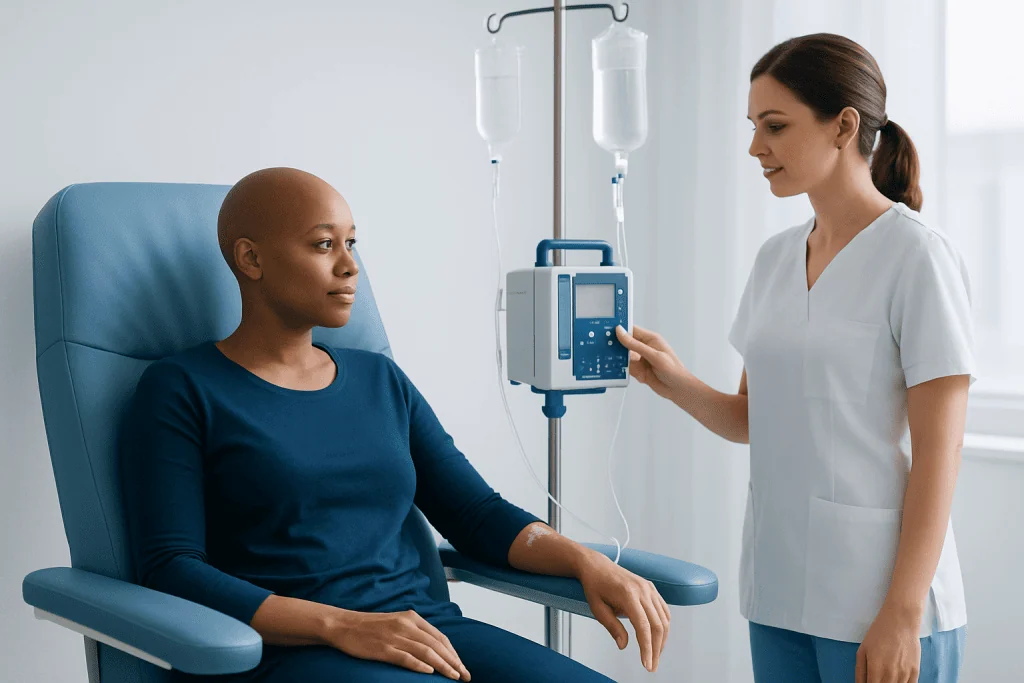
Chemotherapy includes a wide range of anti-cancer drugs. These medicines interfere with cell division, damage DNA, or prevent cancer cells from multiplying. Since cancer cells tend to divide more quickly than most normal cells, chemotherapy can slow tumor growth, shrink tumors, or help eliminate cancer cells that have spread.
Chemotherapy is often given in cycles. This means treatment is followed by a rest period, allowing the body time to recover. It may be used before surgery to shrink a tumor, after surgery to reduce the risk of recurrence, or as the main treatment for cancers that affect the blood or have spread to different parts of the body.
Because chemotherapy circulates through the bloodstream, it is considered a systemic treatment. This can be especially helpful when cancer cells may be present beyond the original tumor site. Broadly used approaches such as chemotherapy treatment remain a central part of modern cancer care because they can treat many cancer types and stages.
How Targeted Therapy Works
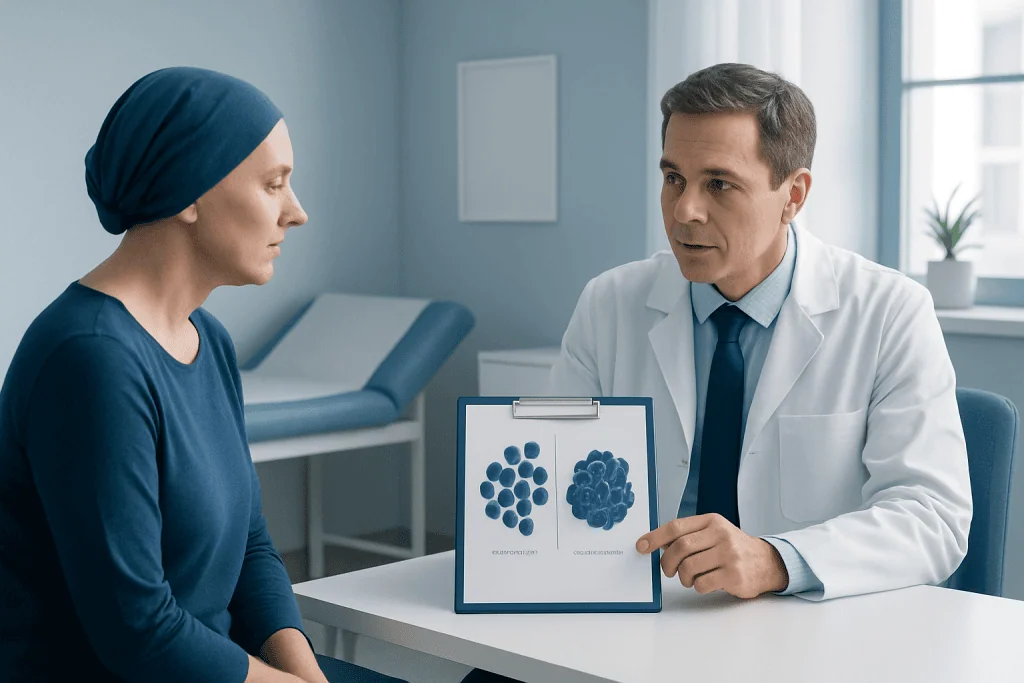
Targeted therapy focuses on particular molecules or mechanisms that cancer cells depend on. These may include abnormal proteins on the cell surface, changes in growth signals, blood vessel formation that feeds tumors, or gene mutations inside the cancer cell. By interrupting these processes, targeted drugs can slow or stop cancer growth.
Many targeted treatments only work if testing shows that the tumor has the correct target. For example, a doctor may order molecular profiling, biomarker testing, or genetic analysis of tumor tissue or blood. This testing helps identify whether a patient is likely to benefit from a targeted medicine.
Targeted therapy can be given as tablets, capsules, injections, or infusions, depending on the drug. Some targeted medicines are used on their own, while others are combined with immunotherapy or chemotherapy for certain cancers. The choice depends on the cancer type, the results of biomarker testing, and the overall treatment plan.
Side Effects: Why They Differ
Side effects differ because these treatments act in different ways. Chemotherapy may affect healthy fast-growing cells as well as cancer cells. This is why common chemotherapy side effects can include fatigue, nausea, mouth sores, hair loss, lowered blood counts, and a higher risk of infection. Not every patient has all of these effects, and supportive care has improved greatly.
Targeted therapy often has a different side effect pattern. Depending on the drug, patients may develop skin changes, rash, diarrhea, high blood pressure, liver test abnormalities, or problems with wound healing. Some targeted medicines also affect the heart, lungs, or other organs, so careful monitoring is important during treatment.
Even though targeted therapy is sometimes described as more precise, it is not free of side effects. The effects may be milder for some people, but for others they can still be significant and require dose adjustments or a change in treatment. Patients should promptly report new symptoms so their oncology team can respond early and safely.
- Chemotherapy side effects often relate to damage to fast-growing healthy cells.
- Targeted therapy side effects often reflect the biological pathway being blocked.
- Both treatments may require blood tests, scans, and regular follow-up.
When One Treatment May Be Chosen Over the Other
The decision between targeted therapy and chemotherapy depends on several factors. These include the type of cancer, its stage, whether it has spread, how aggressive it appears, and the patient’s general health. Doctors also consider previous treatments and the goals of care, such as cure, long-term control, or symptom relief.
Targeted therapy is usually considered when a tumor has a specific biomarker that matches an available drug. This is common in some forms of lung, breast, colorectal, and blood cancers. For example, patients with certain subtypes of lung cancer or breast cancer may benefit from targeted medicines if testing identifies the relevant molecular change.
Chemotherapy may be preferred when cancer needs a fast, broad systemic response, when no targetable marker is found, or when chemotherapy has stronger evidence for a particular cancer. In many situations, treatment is not an either-or choice. A patient may receive chemotherapy first, then targeted therapy, or both together as part of a personalized plan.
How Doctors Decide: Testing and Personalized Cancer Care
Modern cancer treatment increasingly relies on personalized care. Before recommending targeted therapy, doctors often test the tumor to look for genetic alterations, receptor status, or other biomarkers. These tests help predict whether a targeted drug is likely to be useful and whether the expected benefit outweighs possible risks.
Diagnosis and treatment planning may involve imaging, pathology review, blood tests, and sometimes additional molecular studies. For some patients, this process may feel complex, but it helps avoid treatments that are unlikely to work and supports more informed decisions. Personalized oncology aims to match the right treatment to the right patient at the right time.
A multidisciplinary team often guides this process. Medical oncologists, pathologists, radiologists, surgeons, and radiation oncologists may all contribute to care planning. In centers offering comprehensive oncology care, treatment recommendations are typically based on tumor biology, current guidelines, and the patient’s own preferences and needs.
Questions Patients Can Ask and When to Seek Medical Advice
Patients and families often feel more comfortable when they understand why a treatment is being recommended. Helpful questions include whether the cancer has a targetable mutation, what the main goal of treatment is, how treatment will be given, what side effects are most likely, and how success will be measured. Asking these questions can support shared decision-making and realistic expectations.
Medical advice should be sought promptly if symptoms such as fever, shortness of breath, severe diarrhea, unusual bleeding, chest pain, dehydration, or sudden weakness occur during cancer treatment. Even symptoms that seem minor can sometimes become serious if left untreated, especially when the immune system is affected.
Regular follow-up is an important part of safe cancer care. Patients should not stop or change treatment without speaking to their oncology team. Near the end of the treatment planning process, some people also look for care at international centers; Acibadem International’s multidisciplinary specialists and JCI-accredited hospitals diagnose and treat cancer for international patients using individualized treatment plans.
Frequently asked questions
Is targeted therapy better than chemotherapy?
Not always. Targeted therapy can be very effective when a tumor has the specific marker the drug is designed to treat, but chemotherapy may be the better option for many cancers or situations. The best treatment depends on the cancer type, tumor biology, stage, and the patient’s overall condition.
Can a patient receive targeted therapy and chemotherapy together?
Yes, in some cancers these treatments are combined. Doctors may use them at the same time or one after the other to improve cancer control. The exact plan depends on research evidence, treatment goals, and how well the patient is expected to tolerate therapy.
Does targeted therapy have fewer side effects?
It often has a different side effect profile rather than simply fewer side effects. Some patients may avoid certain chemotherapy-related effects, but targeted therapy can still cause significant problems such as rash, diarrhea, blood pressure changes, or effects on organs. Close monitoring is still necessary.
How do doctors know if targeted therapy will work?
Doctors usually perform biomarker or molecular testing on the tumor. These tests look for gene mutations, proteins, or other features that match an available targeted drug. If the right target is not present, targeted therapy is usually less likely to help.
Why is chemotherapy still used if targeted therapy is available?
Chemotherapy remains important because many cancers respond well to it, and not all tumors have a targetable mutation. It can also work quickly and treat cancer cells throughout the body. In some cases, chemotherapy has the strongest evidence for improving outcomes.
Will every cancer patient need genetic or biomarker testing?
Not every patient, but testing is increasingly common in many cancer types. It is especially useful when results may affect treatment choices, such as selecting a targeted therapy. The oncology team decides which tests are appropriate based on the specific diagnosis and stage.
References
- World Health Organization
- National Cancer Institute
- American Cancer Society
- European Society for Medical Oncology
- National Comprehensive Cancer Network
This article is for general information only and is not a substitute for professional medical advice. Please consult a qualified doctor about your individual situation.
Targeted Therapy in Turkey — costs, top hospitals & a free quote
JCI-accredited · board-certified surgeons · reply within 24h
Add us as a Preferred Source to see more of our trusted health content across Google Search, AI Overviews and Discover.
Check your numbers in seconds
BMI, calories, due date, blood pressure and 30+ more clinical calculators — free, instant, doctor-reviewed ranges.

Medical Oncology Department
Medical treatment of cancer with chemotherapy, immunotherapy and targeted therapies under a multidisciplinary tumor board.
60 specialists in this unit