Tattoo Pain Chart: Possible Causes and When to Seek Care
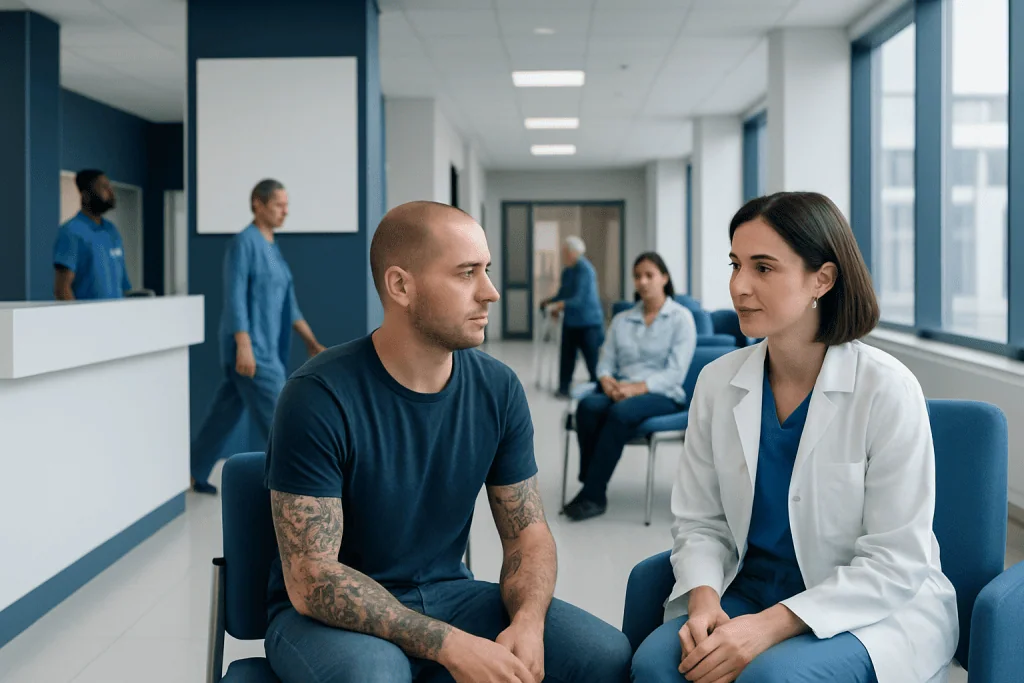
Pain from tattoos varies by body area, skin thickness, nerve density, and individual pain sensitivity. Bony areas, thin skin, and places with many nerve endings often feel more painful than fleshy areas.
Key Takeaways
- Pain from tattoos varies by body area, skin thickness, nerve density, and individual pain sensitivity.
- Bony areas, thin skin, and places with many nerve endings often feel more painful than fleshy areas.
- Some soreness, redness, and swelling are normal during early healing, but symptoms should gradually improve.
- Increasing pain, spreading redness, discharge, fever, or red streaks can point to infection or another complication.
- Good aftercare, clean technique, and avoiding friction and sun exposure help support healing.
A tattoo pain chart is a general guide to how much different body areas may hurt during and after tattooing, but it cannot predict exactly how one person will feel. Mild soreness, stinging, warmth, and tenderness are common for a few days, while worsening redness, swelling, pus, fever, or severe pain may suggest a problem that needs medical care.
What a Tattoo Pain Chart Can and Cannot Tell You
A tattoo pain chart is a body map that shows which areas usually feel less painful, moderately painful, or more painful during tattooing. In general, areas with thinner skin, less fat, more nerve endings, or bone close to the surface tend to hurt more. Areas with more muscle or soft tissue often feel more manageable, although the experience is still very individual.
These charts are helpful for setting expectations, but they are not a medical tool and cannot diagnose whether pain is normal or concerning. Two people can have very different experiences in the same body area. Factors such as tattoo size, needle technique, session length, stress level, sleep, hydration, and previous pain experiences can all influence how a tattoo feels.
It is also important to separate pain during tattooing from pain after tattooing. During the procedure, many people describe a scratching, burning, stinging, or vibrating feeling. Afterward, the skin may feel tender, warm, mildly swollen, and similar to a superficial scrape or sunburn for several days.
How Tattoo Pain Usually Varies by Body Area
Most tattoo pain charts place the rib cage, sternum, spine, ankles, feet, hands, elbows, knees, armpits, groin, and areas near the face among the more painful locations. These regions often have thin skin, many nerve endings, or less cushioning over bone. A tattoo in these places may feel sharper or more intense, especially during longer sessions.
Moderate-pain areas often include the forearms, wrists, calves, shoulders, upper chest, and parts of the back. Many people tolerate these locations reasonably well, but discomfort can increase if the design extends over bone or the skin becomes irritated as the session continues.
Areas commonly considered less painful include the outer upper arms, thighs, buttocks, and some parts of the upper back. These sites usually have more muscle or soft tissue, which may reduce the intensity of needle sensation. Even so, a larger tattoo or repeated passes for shading can still cause noticeable discomfort.
- Often more painful: ribs, spine, feet, hands, knees, elbows, armpits
- Often moderate: forearms, calves, shoulders, chest, wrists
- Often less painful: outer upper arms, thighs, buttocks, upper back
A pain chart should be viewed as a general pattern rather than a rule. If pain feels far stronger than expected and continues to worsen after the session, it is reasonable to consider whether irritation, allergy, or infection could be contributing.
What Pain Is Normal After a Tattoo
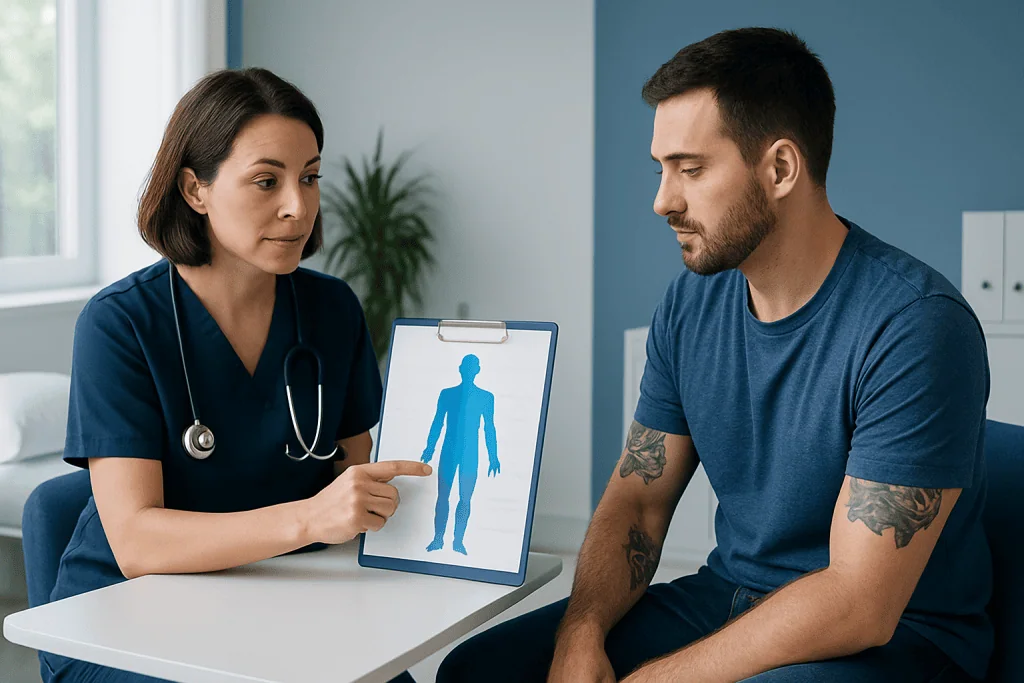
Normal tattoo healing usually includes mild to moderate soreness, tenderness to touch, slight swelling, and redness around the design. The skin may feel warm for the first day or two. Clear fluid, a small amount of ink mixed with plasma, and later itching or light flaking can also happen as the outer skin repairs itself.
For many people, discomfort is most noticeable in the first 24 to 72 hours and then gradually improves. The tattooed area may feel similar to an abrasion. Tight clothing, friction, heavy sweating, and sun exposure can make this discomfort more noticeable, especially if the tattoo is in a high-movement area such as the ribs, ankle, or wrist.
Itching often appears later in the healing process and is usually not a sign of a problem on its own. However, scratching, picking scabs, or using irritating products can injure the skin and delay healing. Keeping the area clean and following aftercare advice reduces the chance of avoidable irritation.
Because a tattoo creates many tiny openings in the skin, it should be treated like a healing wound. If symptoms are steadily getting better, that pattern is generally reassuring. If they are getting worse instead of better, medical evaluation may be needed.
Possible Causes of More Than Expected Tattoo Pain
When tattoo pain seems stronger than expected or lasts longer than usual, several causes are possible. The most common is local skin irritation from overworking the area, friction from clothing, harsh cleansers, fragranced products, or excessive moisture from occlusive dressings left on too long. This can lead to ongoing burning, tenderness, and redness without necessarily indicating infection.
Another possibility is an allergic or sensitivity reaction to tattoo ink, aftercare products, or adhesives. This may cause persistent itching, swelling, raised skin, or a rash beyond the usual healing pattern. Some reactions happen soon after tattooing, while others can appear later.
Infection is a more important concern, particularly if pain increases rather than improves. Bacteria can enter the skin if equipment is not sterile, aftercare is poor, or the healing tattoo is exposed to dirty water, scratching, or contaminated hands. A painful, swollen tattoo with spreading redness, drainage, fever, or red streaking should not be ignored. Infection may overlap with other skin problems such as cellulitis, which causes deeper skin inflammation and can spread.
Less commonly, a person may develop a deeper skin issue, significant inflammation, or delayed healing if they have eczema, psoriasis, diabetes, reduced immune function, or poor circulation. If the skin around the tattoo becomes very inflamed or unusual lesions appear, assessment by a specialist in dermatology care may help clarify the cause.
Signs That Need Medical Attention
A short period of discomfort is expected, but a tattoo should not become progressively more painful over time. Medical attention is advisable if pain is severe, keeps worsening after the first couple of days, or is out of proportion to the appearance of the tattooed skin. This is especially important if pain interferes with sleep, walking, or normal daily activities.
Other warning signs include spreading redness, marked swelling, yellow or green discharge, a bad odor, fever, chills, swollen lymph nodes, or red streaks moving away from the tattoo. These features can suggest infection and should be assessed promptly. Blistering, hives, or widespread rash may point to an allergic reaction that also deserves evaluation.
If the tattoo is on the face, near the eyes, over the hands or feet, or in an area where movement is limited by swelling, it is sensible to seek care sooner. People with diabetes, circulation problems, chronic skin disease, or weakened immunity should also have a lower threshold for medical advice. In some cases, clinicians may need a physical examination, wound care advice, or treatment for infection or inflammation.
How Doctors Evaluate Concerning Tattoo Pain
Doctors usually begin by asking when the tattoo was done, how symptoms have changed, what aftercare products were used, and whether the area has been exposed to friction, pools, hot tubs, or scratching. They also ask about fever, drainage, allergies, chronic skin conditions, and general health conditions that can affect healing.
The skin examination helps distinguish normal healing from infection, allergic dermatitis, trauma, or a more significant inflammatory reaction. The pattern matters: normal healing tends to improve gradually, while infection often brings increasing pain, warmth, swelling, and expanding redness. If there is concern about a deeper process, clinicians may look for signs of abscess, extensive inflammation, or problems that involve structures beneath the skin.
Not every case needs tests, but a swab or culture may be considered if there is drainage, and blood tests may be used when symptoms are more systemic. If there is significant swelling, severe pain, or unclear findings, doctors may recommend further assessment or imaging. In selected cases, help from infectious disease specialists or a medical evaluation may be appropriate to guide safe treatment.
Treatment and Tattoo Aftercare for Better Healing
Treatment depends on the cause. For uncomplicated healing discomfort, supportive care is usually enough: gentle cleansing, patting the area dry, applying only recommended aftercare products, and avoiding picking, scratching, or tight clothing over the tattoo. The aim is to protect the skin barrier while it repairs itself.
If irritation is the main issue, removing the trigger often helps. This may mean stopping fragranced lotions, changing adhesive coverings, reducing friction, or avoiding sun and excessive sweating until the skin settles. If there is a suspected allergy or inflammatory reaction, a doctor can advise on the safest next steps rather than self-treating with multiple over-the-counter products.
If infection is suspected, medical treatment is important because home care alone may not be enough. A clinician may recommend wound care, targeted medication, and follow-up depending on severity. For infections involving the deeper layers of skin, evaluation for conditions such as skin infections can help ensure proper care.
Near the end of the healing process, the tattoo may still feel dry or mildly sensitive even after the surface looks improved. That can be normal. If symptoms remain unusual or the area repeatedly flares, specialist review is worthwhile. Acibadem International’s multidisciplinary specialists and JCI-accredited hospitals also evaluate and treat skin and soft tissue concerns for international patients.
Preventing Problems and Knowing When to Seek Care
The safest way to reduce tattoo-related pain and complications is to start with a licensed, hygienic tattoo setting and follow clear aftercare instructions. Clean hands before touching the tattoo, keep the area gently clean, avoid swimming and soaking until healed, and protect the skin from friction and direct sun. Choosing a body area that matches one’s pain tolerance can also help make the experience easier.
General health matters too. Good sleep, hydration, and nutrition support healing, while alcohol excess, smoking, and poorly controlled medical conditions may slow recovery. People with eczema, psoriasis, a history of allergic reactions, or reduced immunity may wish to speak with a doctor before getting a tattoo, especially if planning a large design.
Medical care should be sought if pain becomes severe, symptoms worsen after the first few days, redness spreads, pus develops, or fever appears. It is also wise to get checked if the tattooed area becomes very swollen, movement is limited, or there are signs of an allergic reaction such as hives or facial swelling. Prompt assessment can help prevent a minor issue from becoming more complicated.
Frequently asked questions
Which body part hurts the most on a tattoo pain chart?
Many tattoo pain charts place the ribs, spine, feet, hands, elbows, knees, and armpits among the most painful areas. These regions often have thinner skin, more nerve endings, or less soft tissue over bone. Still, pain varies widely from person to person.
How long is tattoo pain normal after getting inked?
Mild to moderate soreness is commonly felt for a few days after a tattoo, with gradual improvement over the first week. The area may remain a little tender, itchy, or dry as healing continues. Pain that becomes worse instead of better should be assessed.
How can someone tell the difference between normal healing and an infected tattoo?
Normal healing usually brings mild redness, tenderness, slight swelling, and later itching or flaking that improve over time. Infection is more concerning when there is increasing pain, spreading redness, significant warmth, pus, bad odor, fever, or red streaks. If these symptoms appear, a doctor should evaluate the tattoo promptly.
Can a tattoo hurt more because of an allergy and not an infection?
Yes. An allergic or sensitivity reaction to ink, adhesive, or aftercare products can cause itching, swelling, rash, raised skin, and persistent discomfort. Because allergy and infection can sometimes look similar, medical advice is helpful if symptoms are pronounced or not improving.
Does tattoo placement affect pain after the session too?
Yes. Areas that move often, rub against clothing, or sit over bone may feel more sore during healing. For example, ankles, ribs, wrists, and feet may be more noticeable in daily life because of pressure and movement.
When should someone seek urgent medical care for tattoo pain?
Urgent care is appropriate for severe or rapidly worsening pain, spreading redness, marked swelling, pus, fever, chills, red streaks, or trouble moving the affected area. Immediate help is also important for signs of a serious allergic reaction, such as facial swelling or difficulty breathing.
References
- American Academy of Dermatology
- Centers for Disease Control and Prevention
- National Health Service
- Mayo Clinic
- U.S. Food and Drug Administration
This article is for general information only and is not a substitute for professional medical advice. Please consult a qualified doctor about your individual situation.
Explore treatments in Turkey — costs, top hospitals & a free quote
JCI-accredited · board-certified surgeons · reply within 24h
Add us as a Preferred Source to see more of our trusted health content across Google Search, AI Overviews and Discover.

More from the Health Library



Related Specialists

Dyt. Zübeyde Demet Cerit
Nutrition & Diet
Prof. Dr. Müfit Kalelioğlu
Neurosurgery
Assoc. Prof. Dr. Didem Öncel Yakar
General Surgery
Prof. Dr. Irmak Durur Subaşı
Radiology