Tattoos Old Age: An Evidence-Based Guide for Patients
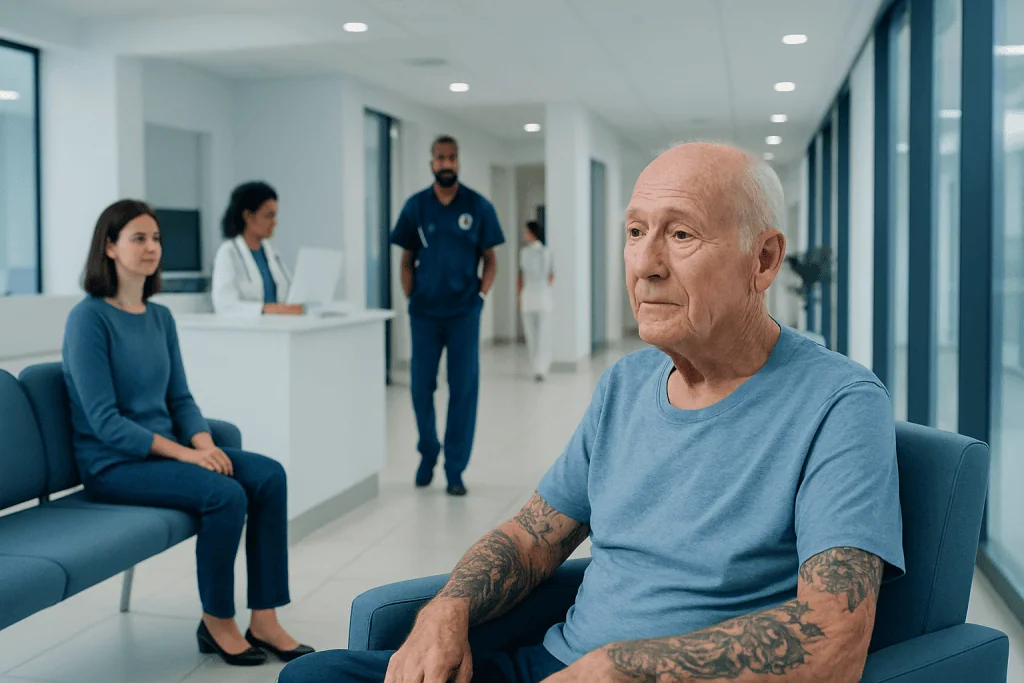
Tattoos typically fade and lose sharpness over time because of normal skin aging, sun exposure, and pigment changes. Placement, ink depth, skin type, body weight changes, and daily sun exposure all influence how a tattoo ages.
Key Takeaways
- Tattoos typically fade and lose sharpness over time because of normal skin aging, sun exposure, and pigment changes.
- Placement, ink depth, skin type, body weight changes, and daily sun exposure all influence how a tattoo ages.
- Most tattoo changes in older adults are cosmetic, but persistent itching, raised areas, ulceration, or a changing mole need medical review.
- Regular moisturizing, sun protection, and skin checks can help tattoos look better and support skin health with age.
- Older adults can still get tattoos, but healing may be slower and medical conditions or medications should be discussed first.
Tattoos in old age usually do not become dangerous simply because a person gets older, but they often look different as skin naturally thins, loosens, and changes texture. Most aging-related changes are cosmetic, while new pain, bleeding, itching, or a changing spot within a tattoo should be checked by a qualified doctor.
Overview: What Happens to Tattoos in Old Age?
Tattoos old age is a common concern, especially for people deciding whether to get a tattoo now or wondering how an older tattoo may look decades later. In most cases, tattoos remain in the skin for life, but they do not stay exactly the same. As the body ages, the skin becomes thinner, less elastic, and often drier. These normal changes can make lines appear softer, colors look less bright, and edges seem less crisp than they did when the tattoo was new.
A tattoo ages because both the pigment and the skin around it change over time. Sun exposure, friction, smoking, body weight changes, pregnancy, and general health can all influence the final appearance. Some tattoos age gracefully and remain very recognizable, while others blur more noticeably. The difference often depends on tattoo placement, design details, skin tone, aftercare, and long-term sun protection.
Importantly, tattoo aging is usually a cosmetic issue rather than a medical problem. However, tattoos can sometimes make it harder to notice skin changes underneath, including irritation, infection, allergic reactions, or concerning pigmented lesions. For that reason, people with tattoos should still perform regular skin checks and seek medical advice if any area becomes painful, raised, crusted, or changes unexpectedly.
How Aging Skin Changes the Look of a Tattoo
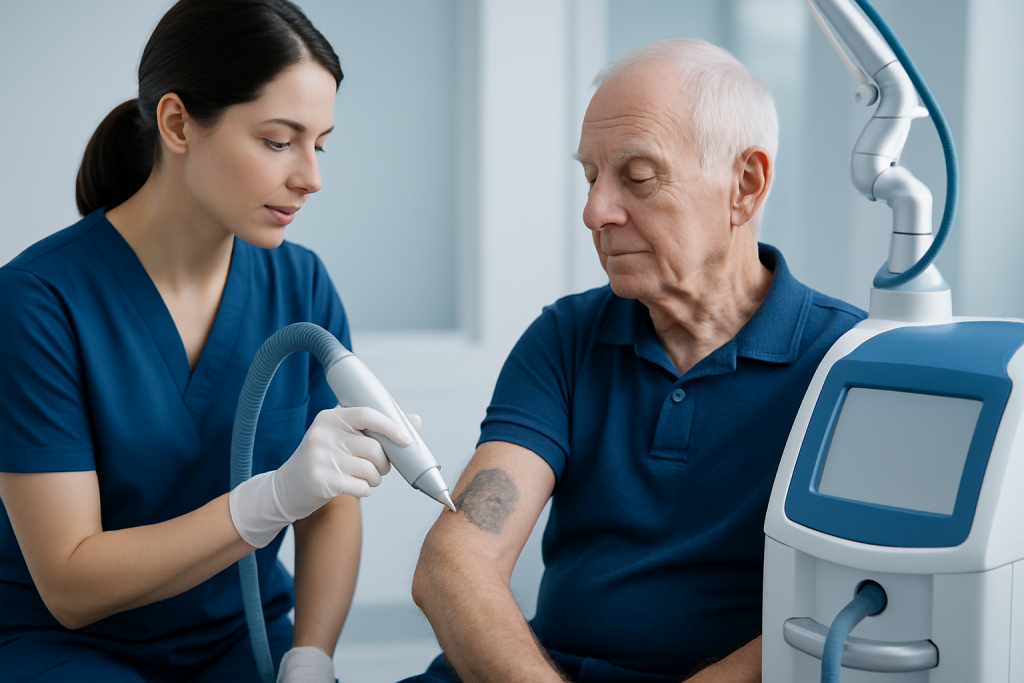
Skin naturally changes structure with age. Collagen and elastin gradually decrease, which means the skin may become thinner and looser. This can affect how a tattoo sits in the skin and how clearly it is seen from the surface. Fine lines and small details tend to lose definition first, while larger, simpler designs often remain easier to recognize over time.
Color also changes with age. Black ink often stays the most visible, though it may soften. Lighter colors can fade more noticeably, especially if the tattoo receives frequent sunlight. Ultraviolet exposure breaks down pigments and also accelerates skin aging, making fading and textural changes more obvious. This is one reason tattoos on sun-exposed areas, such as the forearms, hands, or lower legs, may age differently than tattoos on the torso.
Body shape changes can also alter a tattoo’s appearance. Weight gain or loss, loss of muscle mass, pregnancy, and skin laxity may stretch or distort the design. This does not happen equally to all tattoos. Areas that change more in size or contour, such as the abdomen, upper arms, thighs, and chest, are more likely to show shape-related changes over time.
Another practical issue is that older skin may become drier and more fragile. Dryness can make a tattoo look duller, while fragile skin may bruise or tear more easily. Gentle skin care, moisturizing, and reducing friction can help the tattooed area look and feel healthier overall.
What Affects How Well a Tattoo Ages?

Several factors influence whether a tattoo stays sharp or changes quickly. Design is one of the most important. Bold, simple lines and good spacing between details usually age better than very fine, crowded artwork. Tiny letters, delicate outlines, and intricate shading may become harder to distinguish as pigment settles and skin texture changes over the years.
Placement matters as well. Tattoos on areas with less sun exposure and less stretching often remain more stable. By contrast, hands, fingers, feet, elbows, and knees experience constant movement, friction, washing, and environmental exposure. These factors can lead to faster fading or uneven wear.
Lifestyle and health also play a role. Smoking, chronic sun exposure, dehydration, and repeated skin irritation can affect skin quality and influence how a tattoo looks. Some medical conditions, including those that affect circulation or immune function, may alter healing when a tattoo is first placed and may affect long-term skin health too. People with chronic skin conditions such as eczema or psoriasis may notice that inflammation changes the appearance of tattooed skin during flare-ups.
Technique and aftercare in the early healing period are also important. A professionally applied tattoo placed at the correct depth is more likely to heal evenly. Good aftercare helps reduce infection risk and supports a better long-term result. If a tattoo later becomes patchy or faded, some people consider a refresh or correction, but this should be discussed with a qualified clinician and an experienced tattoo professional.
Can Older Adults Get New Tattoos Safely?
Many older adults can get tattoos safely, but age alone should not be the only consideration. The key question is whether the skin and overall health are suitable for the procedure. Older skin may be thinner, drier, and more delicate, which can increase bruising, prolong healing, or make the tattooing process less comfortable. Healing may also be slower than in younger adults.
Medical history matters. A person should discuss a planned tattoo with a doctor if they have diabetes, circulation problems, immune suppression, bleeding disorders, a history of <a href="https://acibademinternational.com/diseases/keloid-scars/”>keloid scars, or chronic skin disease. Medicines such as blood thinners or some immune-modifying drugs may affect bleeding, healing, or infection risk. A doctor can help review whether a tattoo is reasonable and what precautions may be needed.
Careful hygiene is essential at any age. New tattoos should be done in a licensed, reputable setting that follows strict infection control practices. Anyone considering tattooing over a scar, mole, birthmark, or previously irritated skin should seek medical advice first. Covering normal skin markings can make later monitoring more difficult.
Some older adults choose tattoos after reconstructive or medical procedures. In selected situations, people may discuss options connected to plastic surgery or skin restoration with their care team. The decision should be individualized, with attention to healing, scar quality, and realistic cosmetic expectations.
Possible Skin Problems in Tattooed Areas
Most tattoo changes with age are harmless, but tattooed skin can still develop the same conditions as non-tattooed skin. Dryness, irritation, sun damage, folliculitis, eczema, fungal infections, and allergic reactions may all occur in or around a tattoo. Sometimes the tattoo makes these conditions more noticeable; at other times, it can make the skin harder to assess.
Less commonly, tattoo pigment can trigger delayed hypersensitivity reactions. Red pigments are often discussed in this context, but reactions can occur with other colors as well. Symptoms may include persistent itching, raised bumps, swelling, or thickened plaques in one part of the tattoo. These symptoms deserve professional evaluation, especially if they continue or worsen.
Skin cancer can also arise in tattooed skin, although the tattoo itself is not generally considered the cause of most cases. The more practical concern is delayed recognition. A changing mole or a new dark, irregular spot inside a tattoo can be harder to see. People should not ignore new asymmetry, color change, bleeding, crusting, or a sore that does not heal. If there is concern, a dermatologist may evaluate for conditions including skin cancer.
If a tattooed area becomes infected, signs may include spreading redness, warmth, increasing pain, swelling, pus, fever, or red streaking. Mild early irritation can occur after a new tattoo, but worsening symptoms are not typical and should not be dismissed as routine healing.
Caring for Tattoos as the Skin Ages
Long-term tattoo care focuses on protecting the skin itself. Daily moisturizing can reduce dryness and make the tattoo look more even and less dull. A gentle, fragrance-free moisturizer is often a practical choice, especially for older skin that becomes easily irritated. Harsh exfoliants and aggressive scrubbing are best avoided because they can worsen dryness and sensitivity.
Sun protection is one of the most effective ways to help tattoos age better. Regular use of broad-spectrum sunscreen on exposed tattoos can help reduce fading and limit photoaging of the surrounding skin. Protective clothing and seeking shade are also useful, especially during strong midday sun.
General health habits matter as well. Staying hydrated, not smoking, controlling chronic conditions, and maintaining skin-friendly routines can support healthier skin over time. If a tattoo becomes significantly faded or distorted, some people ask about cosmetic revision. Depending on the reason for the change, options may involve consultation with dermatology, aesthetic specialists, or in some cases dermatology care.
People who no longer want an older tattoo may ask about removal or lightening. This should be approached cautiously because aged skin may respond differently, and not all tattoos can be removed completely. A specialist may discuss benefits, risks, pigment response, and skin type before considering laser treatment.
When to Seek Medical Care
Medical advice is appropriate if a tattooed area develops symptoms that are new, persistent, or clearly worsening. This includes itching that does not settle, raised or thickened skin, ulceration, repeated bleeding, pain, warmth, or drainage. These signs may point to irritation, infection, allergy, scarring, or another skin condition that needs assessment.
It is also important to seek care for any spot within a tattoo that changes in size, shape, or color, or for a mole that becomes irregular, crusted, or bleeds. A tattoo should never prevent evaluation of a suspicious lesion. Doctors can examine tattooed skin carefully and, if needed, arrange dermoscopy, imaging, or biopsy.
People with weakened immune systems, diabetes, poor circulation, or a history of significant skin reactions should have a lower threshold for asking for medical advice. New tattoos that heal slowly or show spreading redness should be checked promptly. For international patients who need evaluation or treatment, Acibadem International’s multidisciplinary specialists and JCI-accredited hospitals diagnose and manage tattoo-related skin concerns as part of broader dermatologic and medical care.
Frequently asked questions
Do tattoos look bad in old age?
Not necessarily. Most tattoos simply become softer, lighter, or less sharply defined as the skin ages. Larger, simpler designs and good sun protection often help tattoos remain more readable over time.
Do tattoos stretch with age?
They can, but age itself is only one factor. Weight changes, pregnancy, muscle changes, and skin laxity in certain body areas may alter shape more than the passage of time alone. Tattoos on areas that change less in size often keep their proportions better.
Can older skin still be tattooed?
In many cases, yes. However, older skin may be thinner and more fragile, and healing may be slower. A person with medical conditions, circulation problems, bleeding risk, or immune suppression should discuss the decision with a doctor first.
How can someone help a tattoo age well?
Protecting the tattoo from sun exposure is one of the most helpful steps. Regular moisturizing, gentle skin care, avoiding smoking, and choosing a well-executed design in the first place can also support a better long-term appearance.
When should a tattoo be checked by a doctor?
A doctor should assess a tattoo if there is persistent itching, pain, swelling, discharge, bleeding, a non-healing sore, or a new raised area. Any changing mole or dark spot within a tattoo also needs prompt medical review.
Can skin cancer develop in a tattoo?
Yes, skin cancer can develop in tattooed skin just as it can in non-tattooed skin. The main issue is that tattoos may make a changing lesion harder to notice. Regular skin checks are important, especially for heavily tattooed or sun-exposed areas.
This article is for general information only and is not a substitute for professional medical advice. Please consult a qualified doctor about your individual situation.
Explore treatments in Turkey — costs, top hospitals & a free quote
JCI-accredited · board-certified surgeons · reply within 24h
Add us as a Preferred Source to see more of our trusted health content across Google Search, AI Overviews and Discover.

More from the Health Library

Nofap: A Complete Medical Overview

Beet and Beetroot — Explained by Medical Evidence, Not Myths

Candy Flip: An Evidence-Based Guide for Patients

Lidocaine: An Evidence-Based Guide for Patients

Pantoprazole — Explained by Medical Evidence, Not Myths