TB Test — Explained by Medical Evidence, Not Myths

A tb test can suggest tuberculosis infection, but it cannot by itself confirm active TB disease. The two main options are the TB skin test and the TB blood test.
Key Takeaways
- A tb test can suggest tuberculosis infection, but it cannot by itself confirm active TB disease.
- The two main options are the TB skin test and the TB blood test.
- A positive result usually leads to further evaluation, often including a medical exam and chest imaging.
- People with TB symptoms or recent exposure should seek medical advice promptly.
- False-negative and false-positive results can happen, so test interpretation depends on the person’s medical history and risk factors.
A tb test looks for evidence that the immune system has been exposed to tuberculosis bacteria. It usually involves either a skin test or a blood test, and the result helps doctors decide whether further evaluation is needed for latent or active TB.
Overview: what a TB test actually shows
A tb test checks whether a person’s immune system has reacted to Mycobacterium tuberculosis, the bacterium that causes tuberculosis. In practice, this means the test helps identify possible TB infection, but it does not, on its own, prove that a person has active tuberculosis disease or that they are contagious.
There are two main types of tb test: the tuberculin skin test and the TB blood test, also called an interferon-gamma release assay. Both aim to detect immune recognition of tuberculosis, but they do so in different ways. If a result is positive, doctors usually recommend further assessment to distinguish tuberculosis infection that is inactive from active disease that needs prompt treatment.
This distinction matters because latent TB infection means the bacteria are present in the body but inactive and not causing symptoms. Active TB disease means the bacteria are multiplying and may affect the lungs or other organs. A tb test is therefore one step in a larger clinical evaluation, not a stand-alone diagnosis.
Types of TB test: skin test and blood test
The TB skin test, sometimes called the Mantoux tuberculin skin test, involves injecting a small amount of testing fluid just under the skin of the forearm. A healthcare professional then measures the raised area, if any, after 48 to 72 hours. The result is based on the size of the reaction and the person’s individual risk factors.
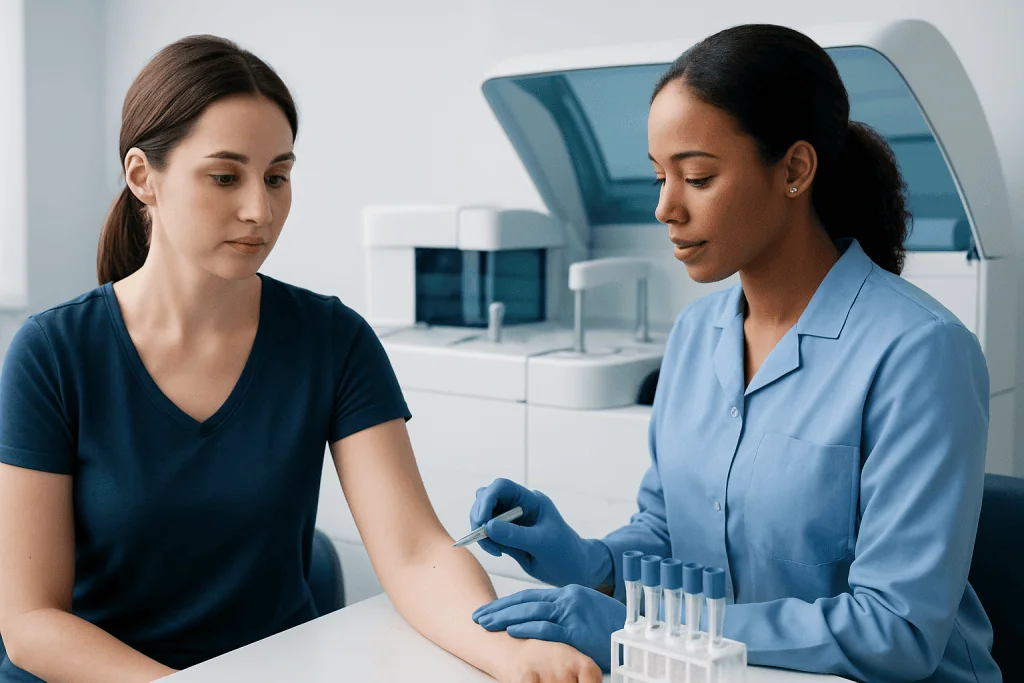
The TB blood test is done with a blood sample collected in a laboratory or clinic. It measures how the immune system responds to TB-related proteins in the sample. Unlike the skin test, it does not require a return visit for reading, which many patients find more convenient.
Doctors choose between these tests based on age, exposure risk, vaccination history, local guidance, and practical considerations. In some situations, one method may be preferred over the other. For example, blood tests are often useful in people who have received BCG vaccination because they are less likely than skin tests to be influenced by that vaccine.
- Skin test: simple and widely used, but requires a follow-up visit for interpretation.
- Blood test: requires a blood draw and laboratory processing, but usually needs only one visit.
- Both tests: can support diagnosis of TB infection, but neither alone confirms active disease.
Who may need a TB test
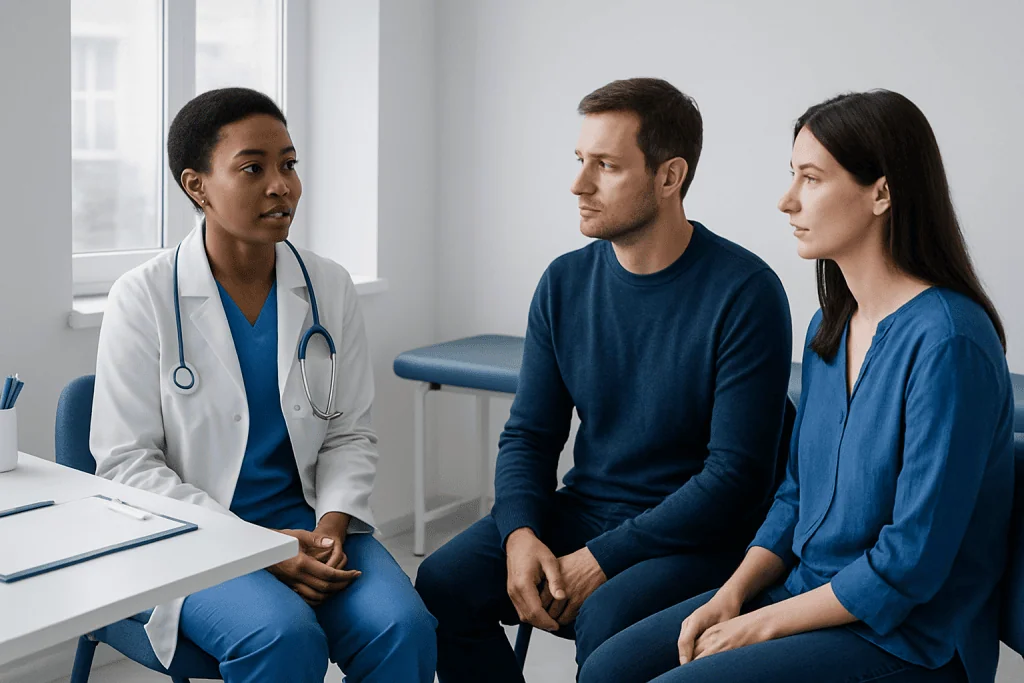
A tb test is commonly recommended for people who may have been exposed to tuberculosis or who have a higher chance of developing TB disease if infected. This can include close contacts of someone with active TB, healthcare workers, people living or working in high-risk settings, and people with certain medical conditions that weaken immune defenses.
Testing may also be part of screening before employment, school enrollment, travel, immigration processes, or treatment with medications that suppress the immune system. Some people are tested because they have symptoms that could be related to TB, while others are tested even though they feel well.
Risk factors that may make testing more important include HIV infection, diabetes, chronic kidney disease, undernutrition, organ transplantation, long-term corticosteroid use, and other causes of immune suppression. Children, older adults, and people recently exposed to TB may also need careful follow-up because timing can affect test accuracy.
A doctor considers both the individual’s exposure history and the likelihood that a positive or negative result reflects true infection. This is why two people can have the same test result but receive different recommendations for next steps.
How results are interpreted
A positive tb test means the immune system has likely been exposed to tuberculosis bacteria at some point. However, it does not show when exposure happened, whether the bacteria are still active, or whether the person has symptoms or can spread the infection. Further evaluation is therefore essential.
A negative result usually means TB infection is less likely, but it does not rule it out completely. Early testing soon after exposure, severe illness, advanced immune suppression, very young age, or technical issues can sometimes lead to a false-negative result. For this reason, a doctor may repeat testing or order additional assessment if suspicion remains high.
False-positive results are also possible, especially with skin testing in people who have had BCG vaccination or exposure to some non-tuberculous mycobacteria. Blood tests are generally more specific in those situations, though no test is perfect. The result always needs to be interpreted in the context of symptoms, medical history, and risk level.
When a result suggests TB infection, the next step is often to rule out active disease. That usually involves a clinical examination, questions about symptoms, and tests such as chest X-ray or sputum analysis. If imaging or symptoms raise concern, doctors may also arrange further respiratory evaluation, sometimes including bronchoscopy when appropriate.
Symptoms, next tests, and diagnosis after a positive TB test
A positive tb test does not automatically mean a person is ill. Many people with latent TB infection have no symptoms at all and feel completely well. The goal of follow-up testing is to find out whether the infection is inactive or whether active disease is present and needs treatment.
Symptoms that can raise concern for active TB include a persistent cough, coughing up blood, fever, night sweats, unexplained weight loss, chest pain, and unusual fatigue. TB can also affect areas outside the lungs, such as lymph nodes, bones, kidneys, or the brain, so symptoms vary depending on the site involved.
Doctors typically combine several pieces of information to make a diagnosis. These may include a physical examination, chest imaging, sputum smear or culture, molecular tests, and blood work. In some cases, the evaluation is focused on the lungs; in others, it may explore whether there is another lung infection or a different cause of symptoms.
The diagnosis of latent TB infection is usually made when the tb test is positive, active disease has been excluded, and the person has no signs of illness. Active TB disease is diagnosed when clinical findings and laboratory or imaging tests support ongoing infection that requires treatment.
Treatment options and what happens after diagnosis
Treatment depends on whether the person has latent TB infection or active TB disease. Latent infection is usually treated to reduce the chance that dormant bacteria will become active later. Active TB disease requires a combination of antibiotics for a longer period and careful medical follow-up to make sure treatment is working and to reduce the risk of spread.
Doctors select the treatment plan based on the type of TB, the person’s age, overall health, pregnancy status, liver health, drug interactions, and local resistance patterns. It is important not to start or stop TB medicines without medical supervision, because incomplete treatment can allow the bacteria to persist and may contribute to drug resistance.
People being evaluated for TB may also need tests to monitor for medication side effects or to check how well the lungs are functioning. Depending on symptoms and findings, doctors may recommend supportive respiratory care, including pulmonary rehabilitation during recovery from significant lung involvement.
For international patients who need coordinated assessment, Acibadem International’s multidisciplinary specialists and JCI-accredited hospitals diagnose and treat tuberculosis-related conditions with individualized planning based on clinical findings.
Prevention, practical self-care, and reducing risk
The best way to reduce TB risk is to identify exposure early, complete any recommended testing, and follow treatment advice if infection is found. People with known exposure should not rely on symptoms alone, because latent TB infection may cause no warning signs. Timely screening can help prevent future illness.
Good general health habits can support recovery and resilience, although they do not replace medical treatment. These include taking prescribed medicines exactly as directed, attending follow-up visits, getting adequate rest, eating a balanced diet, avoiding smoking, and limiting alcohol if advised by a doctor.
If active TB is suspected or confirmed, a healthcare team may provide specific guidance on infection control, such as when to wear a mask, how to improve ventilation, and when it is safe to return to work, school, or travel. These instructions vary by the person’s condition and test results, so personalized advice is important.
- Keep all appointments for reading a skin test or reviewing blood test results.
- Tell the doctor about BCG vaccination, recent exposure, and immune system conditions.
- Ask whether household contacts or close contacts should also be screened.
- Seek medical advice before travel or major life changes if TB evaluation is still in progress.
When to seek medical care
Medical care should be sought promptly if a person has symptoms that could suggest active tuberculosis, especially a cough lasting several weeks, fever, night sweats, weight loss, chest pain, or coughing up blood. Urgent evaluation is also important after close contact with someone known to have active TB, particularly for children, pregnant people, older adults, and anyone with a weakened immune system.
People should also contact a doctor if they have a positive tb test and have not yet had follow-up evaluation, or if they were told to return for skin test reading and missed the appointment window. Anyone taking treatment for latent or active TB should report troubling side effects, worsening symptoms, or difficulty completing medicines as prescribed.
Although TB can be serious, early assessment and treatment are highly effective in many cases. A qualified healthcare professional can explain which tests are needed, what the results mean, and what the next steps should be.
Frequently asked questions
What is a tb test used for?
A tb test is used to check whether the body has been exposed to the bacteria that cause tuberculosis. It helps identify possible TB infection, but additional tests are usually needed to determine whether the infection is latent or active.
What is the difference between a TB skin test and a TB blood test?
The skin test measures a reaction in the arm after a small amount of testing fluid is placed under the skin. The blood test looks at immune activity in a blood sample and usually does not require a second visit. Both can detect TB infection, but neither confirms active disease on its own.
Can a positive tb test mean someone has active tuberculosis?
Not necessarily. A positive result means TB infection is possible, but it does not show whether the bacteria are inactive or causing active disease. Doctors usually follow up with a symptom review, examination, and tests such as chest imaging or sputum studies.
Can a tb test be negative even if someone was exposed?
Yes. If testing is done too soon after exposure, or if a person’s immune system does not respond normally, the result can be negative even when infection is present. This is why doctors sometimes repeat testing after a recent exposure or investigate further if symptoms suggest TB.
Does BCG vaccination affect a tb test?
It can affect the TB skin test and sometimes contribute to a false-positive result. TB blood tests are generally less influenced by prior BCG vaccination, so they may be preferred in some people. A doctor interprets the result together with the person’s medical and exposure history.
What happens after a positive tb test?
The next step is usually to check for active TB disease with a medical assessment and additional tests. These may include a chest X-ray, sputum testing, and sometimes other investigations depending on symptoms. If active disease is ruled out, treatment for latent TB infection may be discussed.
References
- World Health Organization
- Centers for Disease Control and Prevention
- European Centre for Disease Prevention and Control
- National Institutes of Health
- American Thoracic Society
This article is for general information only and is not a substitute for professional medical advice. Please consult a qualified doctor about your individual situation.
Explore treatments in Turkey — costs, top hospitals & a free quote
JCI-accredited · board-certified surgeons · reply within 24h
Add us as a Preferred Source to see more of our trusted health content across Google Search, AI Overviews and Discover.