

Tea for High Blood Pressure: Normal Ranges, High and Low Results Explained

Normal adult blood pressure is generally below 120/80 mmHg, while repeated readings of 130/80 mmHg or higher may indicate hypertension. Some teas, such as hibiscus, green, and black tea, may modestly help blood pressure as part of an overall healthy lifestyle.
Key Takeaways
- Normal adult blood pressure is generally below 120/80 mmHg, while repeated readings of 130/80 mmHg or higher may indicate hypertension.
- Some teas, such as hibiscus, green, and black tea, may modestly help blood pressure as part of an overall healthy lifestyle.
- Tea is not a treatment for dangerously high blood pressure, symptoms, or medication needs.
- Low blood pressure is not always harmful, but symptoms such as fainting, dizziness, or weakness need medical evaluation.
- Blood pressure should be interpreted in context, including age, pregnancy, symptoms, medications, and other health conditions.
Tea for high blood pressure may slightly support heart health in some people, especially unsweetened black, green, or hibiscus tea, but it is not a substitute for proper blood pressure testing and treatment. The most important step is understanding what blood pressure numbers mean, when they are outside the normal range, and when medical advice is needed.
Overview: Can Tea Help High Blood Pressure?
Tea for high blood pressure can be a helpful lifestyle choice, but its effects are usually mild. Unsweetened tea, particularly hibiscus, green, and black tea, contains plant compounds that may support blood vessel function and overall cardiovascular health. For some people, regular tea drinking may contribute to small improvements in blood pressure over time.
That said, tea does not replace accurate blood pressure measurement, medical diagnosis, or prescribed treatment. If blood pressure is consistently elevated, the main priorities are confirming the readings, understanding possible causes, and choosing the right treatment plan. Tea may fit into that plan, but it should not be relied on as the only approach.
Blood pressure results are usually discussed as two numbers. The first, systolic pressure, reflects pressure in the arteries when the heart contracts. The second, diastolic pressure, reflects pressure when the heart relaxes between beats. Knowing the usual range helps people understand when results are normal, high, or unusually low.
Normal Blood Pressure Ranges and What the Numbers Mean
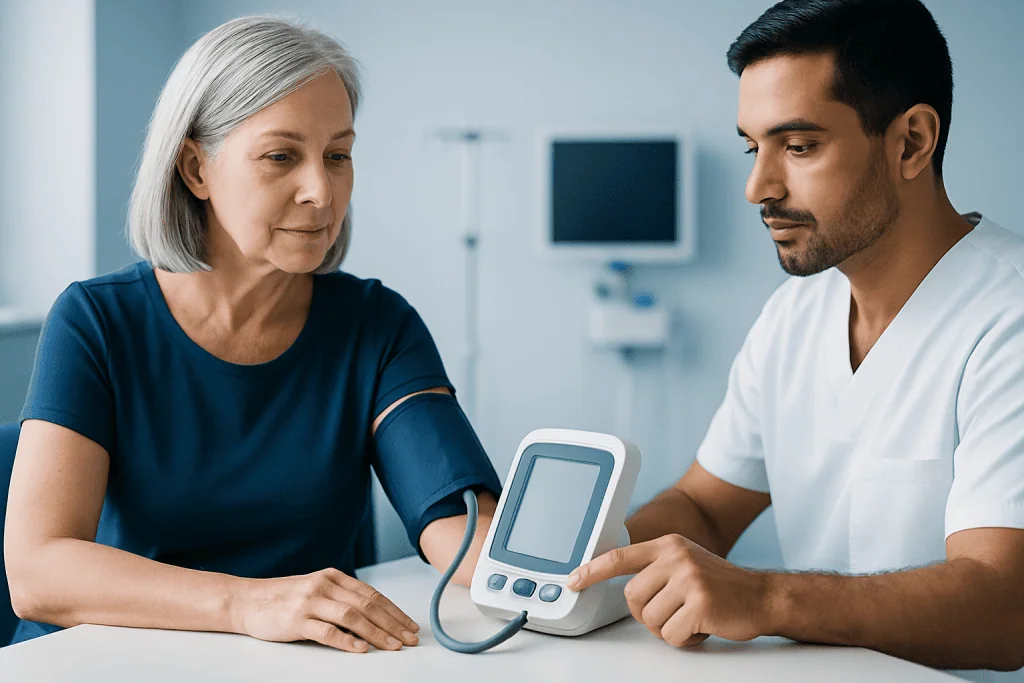
For most adults, a normal blood pressure reading is below 120/80 mmHg. Elevated blood pressure is generally considered a systolic reading of 120 to 129 mmHg with a diastolic reading below 80 mmHg. High blood pressure, also called hypertension, is typically diagnosed when repeated readings are 130/80 mmHg or higher.
Very high results need urgent attention. A reading of 180/120 mmHg or higher may represent a hypertensive crisis, especially if it is accompanied by chest pain, shortness of breath, confusion, severe headache, weakness, or vision changes. In that situation, prompt medical care is important.
Low blood pressure is often considered below 90/60 mmHg, but a low reading is not always abnormal. Some healthy people naturally have lower blood pressure without symptoms. It becomes more medically meaningful when it causes dizziness, fainting, blurred vision, weakness, nausea, or poor concentration.
Single readings can be misleading. Blood pressure changes with posture, stress, pain, exercise, caffeine intake, recent smoking, illness, and the time of day. Because of this, doctors usually look for a pattern based on repeated readings at home, in clinic, or with ambulatory monitoring rather than relying on one number alone.
How Results Vary by Age, Sex, and Life Context

Blood pressure tends to change across the lifespan. Children and teenagers have different normal ranges from adults, and their results are interpreted using age, height, and sex. In adults, blood pressure often rises gradually with age because blood vessels can become less flexible over time.
Sex can also influence blood pressure patterns. Before menopause, women may have lower average blood pressure than men of the same age, but this difference may narrow or reverse later in life. Hormonal changes, pregnancy, and some medications can all affect readings and how they should be interpreted.
Pregnancy is a special context in which blood pressure deserves careful attention. High readings during pregnancy may signal conditions that require prompt assessment. Low blood pressure can also occur, particularly early in pregnancy, and may cause lightheadedness. Any pregnant person with concerning symptoms or repeatedly abnormal readings should contact a doctor.
Daily context matters too. Anxiety in a clinic can temporarily raise blood pressure, known as a white-coat effect, while some people have normal clinic readings but elevated home values. Home blood pressure monitoring can therefore be useful when a doctor is assessing high blood pressure or reviewing treatment response.
Which Teas May Support Blood Pressure?
Not all teas affect blood pressure in the same way. Hibiscus tea is one of the most studied options and may modestly lower blood pressure in some adults when used regularly as part of a healthy diet. Green tea and black tea may also provide small benefits, likely because they contain polyphenols that support blood vessel health.
These benefits are generally modest, and they develop over time rather than immediately. Tea should be viewed as one part of a larger heart-healthy routine that includes reducing excess salt, maintaining a healthy weight, being physically active, sleeping well, and limiting tobacco and excess alcohol. If a doctor recommends lifestyle treatment or medicines, tea can complement that plan but not replace it.
Some practical choices are more helpful than others:
- Choose unsweetened tea when possible.
- Avoid adding large amounts of sugar, syrups, or high-fat creamers.
- Be aware that caffeinated tea may temporarily raise blood pressure in some sensitive people.
- Check herbal tea ingredients, especially if taking blood pressure medicine or blood thinners.
It is also important to remember that “natural” does not always mean risk-free. Concentrated herbal products may interact with medicines or affect the heart, kidneys, or liver. Anyone with hypertension, heart disease, kidney disease, or multiple medications should discuss regular herbal tea use with a qualified clinician.
What Can Raise or Lower Blood Pressure Results?
Blood pressure is influenced by many short-term and long-term factors. Stress, pain, caffeine, nicotine, poor sleep, dehydration, and acute illness can change readings within minutes or hours. Over longer periods, weight gain, a high-sodium diet, kidney disease, diabetes, thyroid disorders, and some medications can contribute to sustained high blood pressure.
Low blood pressure may occur with dehydration, blood loss, infection, certain heart conditions, endocrine disorders, or side effects from medicines such as diuretics or some antidepressants. It can also happen after standing up quickly, known as orthostatic hypotension. In older adults, this may increase the risk of falls.
Because blood pressure has many possible influences, doctors often review the broader clinical picture rather than focusing on tea, caffeine, or diet alone. They may ask about symptoms, family history, medications, pregnancy, kidney health, sleep apnea, and lifestyle habits. When needed, they may also evaluate related conditions such as arrhythmia or structural heart disease.
If symptoms, exam findings, or repeated readings suggest an underlying problem, additional testing may be recommended. Depending on the situation, this can include blood tests, urine tests, an electrocardiogram, echocardiography, or longer-term rhythm evaluation such as Holter monitoring.
How High or Low Blood Pressure Is Diagnosed
Diagnosis starts with accurate measurement. A proper blood pressure reading is taken after a few minutes of rest, with the back supported, feet flat on the floor, and the correct cuff size placed on the upper arm. It is often measured more than once, and the average may be used. Readings taken at home can add valuable information.
Doctors do not usually diagnose hypertension from a single elevated result unless the reading is very high or there are warning symptoms. Repeated office measurements, home monitoring, or 24-hour ambulatory blood pressure monitoring may be used to confirm whether blood pressure is consistently outside the normal range. This helps distinguish true hypertension from temporary stress-related changes.
Low blood pressure is assessed differently. If a person feels well and naturally runs low numbers, treatment may not be needed. If symptoms are present, the doctor may compare lying, sitting, and standing readings and may order tests to look for dehydration, anemia, heart problems, hormonal disorders, or medication effects.
When cardiovascular risk is being assessed more broadly, imaging or specialist evaluation may be part of the process. In selected patients, doctors may use tests such as echocardiography to assess heart structure and function or cardiology check-up services to review blood pressure together with overall heart health.
Treatment, Self-care, and When Tea Fits In
Treatment depends on how high or low the readings are, whether symptoms are present, and whether there are related medical conditions. For high blood pressure, doctors often recommend lifestyle measures first, especially if elevation is mild. These may include reducing sodium, following a heart-healthy eating pattern, staying physically active, managing stress, and limiting alcohol. If risk is higher or readings remain elevated, medication may also be advised.
For low blood pressure, management focuses on the cause. This may involve increasing fluids, adjusting medications, treating an underlying illness, or learning strategies to reduce symptoms when standing. Not everyone with a low reading requires treatment, especially if there are no symptoms.
Tea can fit into self-care in a supportive way. Replacing sugary drinks with unsweetened tea may be a sensible choice for some people, and teas such as hibiscus or green tea may contribute small cardiovascular benefits. However, tea should not delay medical care when blood pressure is clearly abnormal or when symptoms suggest a more serious issue.
Near the end of the evaluation pathway, some people benefit from coordinated specialist care, especially if blood pressure is difficult to control or linked to heart or kidney disease. Acibadem International’s multidisciplinary specialists and JCI-accredited hospitals diagnose and treat blood pressure-related conditions for international patients using individualized assessment and treatment planning.
When to Seek Medical Care
Medical advice is recommended if blood pressure readings are repeatedly 130/80 mmHg or higher, or if low readings are accompanied by dizziness, fainting, weakness, or falls. A clinician can determine whether the pattern is significant, whether treatment is needed, and whether another condition may be contributing.
Urgent medical care is needed for a blood pressure reading of 180/120 mmHg or higher, especially if there are symptoms such as chest pain, severe shortness of breath, confusion, severe headache, weakness on one side, difficulty speaking, or vision loss. These symptoms may point to a medical emergency and should not be managed with home remedies or tea.
People who are pregnant, older adults with falls, and those with kidney disease, heart disease, or diabetes should be especially cautious about abnormal readings. Anyone who is unsure how to interpret blood pressure results should consult a qualified doctor rather than relying on a single reading or internet advice alone.
Frequently asked questions
What is the best tea for high blood pressure?
Hibiscus tea is often considered one of the most promising options, and green or black tea may also offer small benefits. The effect is usually modest, so tea should be part of a broader plan rather than the main treatment.
Can tea lower blood pressure immediately?
Tea is not a fast treatment for high blood pressure. Any benefit usually comes from regular use over time alongside healthy habits, and some caffeinated teas may briefly raise blood pressure in sensitive individuals.
What blood pressure reading is considered normal?
For most adults, normal blood pressure is below 120/80 mmHg. Readings should be interpreted in context, and diagnosis is usually based on repeated measurements rather than one isolated result.
When is high blood pressure medically meaningful?
High blood pressure becomes medically important when readings are consistently elevated, especially at 130/80 mmHg or higher, or when there is associated heart, kidney, or vascular risk. Very high readings or symptoms such as chest pain, severe headache, or shortness of breath need urgent care.
Is low blood pressure always a problem?
No. Some people naturally have lower blood pressure and feel completely well. It becomes more concerning when it causes symptoms like fainting, dizziness, blurred vision, weakness, or repeated falls.
Can I drink tea if I take blood pressure medicine?
Many people can, but it depends on the type of tea and the medications involved. Herbal blends and caffeinated drinks may affect blood pressure or interact with medicines, so it is best to ask a doctor or pharmacist.
References
- American Heart Association
- Centers for Disease Control and Prevention
- National Heart, Lung, and Blood Institute
- World Health Organization
- European Society of Cardiology
This article is for general information only and is not a substitute for professional medical advice. Please consult a qualified doctor about your individual situation.
Heart care in Turkey — expert evaluation and treatment
JCI-accredited · board-certified surgeons · reply within 24h
Add us as a Preferred Source to see more of our trusted health content across Google Search, AI Overviews and Discover.
Check your numbers in seconds
BMI, calories, due date, blood pressure and 30+ more clinical calculators — free, instant, doctor-reviewed ranges.

More from the Health Library



Related Specialists

Prof. Dr. Kenan Çekem
Internal Medicine
Embriyolog Burcu Aksu Türan
Vitro Fertilization and Reproductive Medicine Center
Dr. Hüseyin Maçika
Anesthesiology
Dr. Helin Kuşsever Topçu
Oral & Dental Health