

Testicular Cancer Symptoms: Signs Men Should Not Ignore

A painless lump or swelling in one testicle is one of the most common testicular cancer symptoms. Dull ache, heaviness in the scrotum, or changes in testicle size should not be ignored.
Key Takeaways
- A painless lump or swelling in one testicle is one of the most common testicular cancer symptoms.
- Dull ache, heaviness in the scrotum, or changes in testicle size should not be ignored.
- A doctor may use a physical exam, ultrasound, and blood tests to investigate symptoms.
- Not every testicular lump is cancer, but any persistent change should be checked promptly.
- Early diagnosis can improve treatment options and outcomes.
Testicular cancer symptoms often begin with a lump, swelling, or a feeling of heaviness in one testicle. Many causes of testicular changes are not cancer, but prompt medical evaluation is important because testicular cancer is often highly treatable when found early.
Overview
Testicular cancer is a type of cancer that starts in the testicles, the male reproductive glands that produce sperm and testosterone. It is not among the most common cancers overall, but it is one of the more important cancers to recognize in younger and middle-aged men because it can develop at an age when many people feel otherwise healthy.
Often, the earliest testicular cancer symptoms are subtle. A man may notice a small lump, swelling, firmness, or a sense that one testicle feels different from the other. In many cases, the change is painless, which is one reason it may be easy to delay getting it checked. Even so, any new or unexplained testicular change deserves medical attention.
It is important to remember that not all scrotal or testicular symptoms mean cancer. Infections, fluid collections, injury, and other noncancerous conditions can cause similar signs. A healthcare professional can help determine the cause and decide whether further testing is needed.
Symptoms
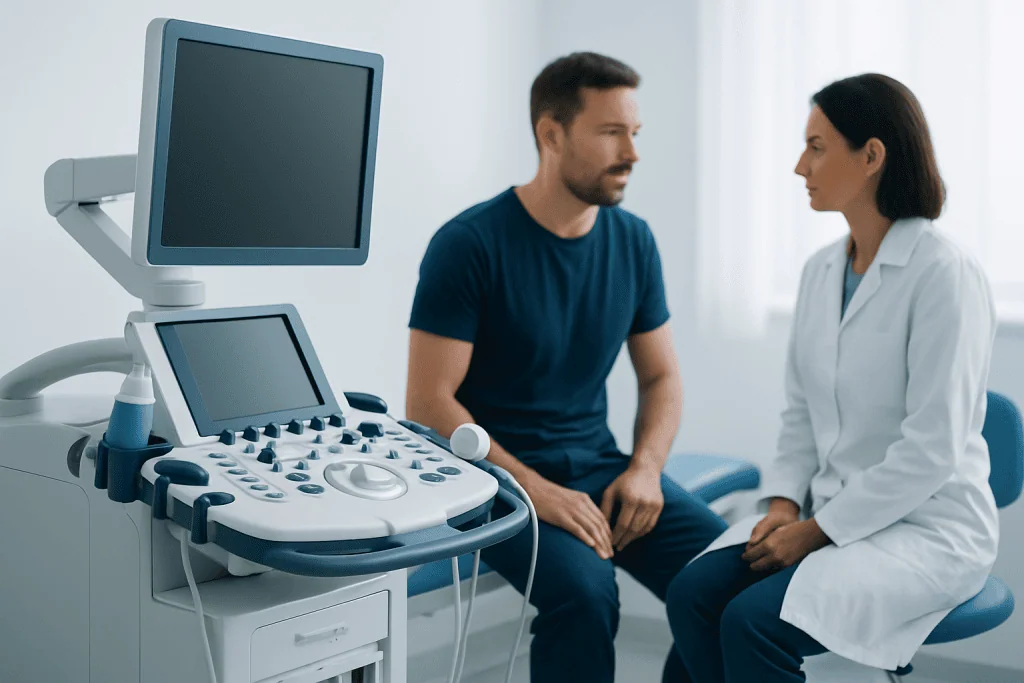
The most common testicular cancer symptoms include a painless lump or nodule in one testicle, swelling of a testicle, or a change in the way a testicle feels. Some men describe a testicle that becomes firmer or larger than usual. Others notice a sensation of heaviness in the scrotum or a vague discomfort rather than sharp pain.
Symptoms can vary from person to person. Some men feel a dull ache in the lower abdomen, groin, or scrotum. Others may notice sudden fluid buildup in the scrotum or tenderness in the testicle. Although pain is less common as a first symptom, testicular cancer can sometimes cause soreness or discomfort.
Less commonly, signs may appear outside the testicle if the cancer has spread. These can include back pain, cough, shortness of breath, or enlarged or tender breast tissue due to hormone-related changes. These symptoms are not specific to cancer, but they are important to mention to a doctor if they occur along with a testicular change.
- Painless lump in a testicle
- Swelling or enlargement of one testicle
- Feeling of heaviness in the scrotum
- Dull ache in the lower abdomen or groin
- Firmness or change in testicle texture
- Sudden fluid collection in the scrotum
Causes and Risk Factors
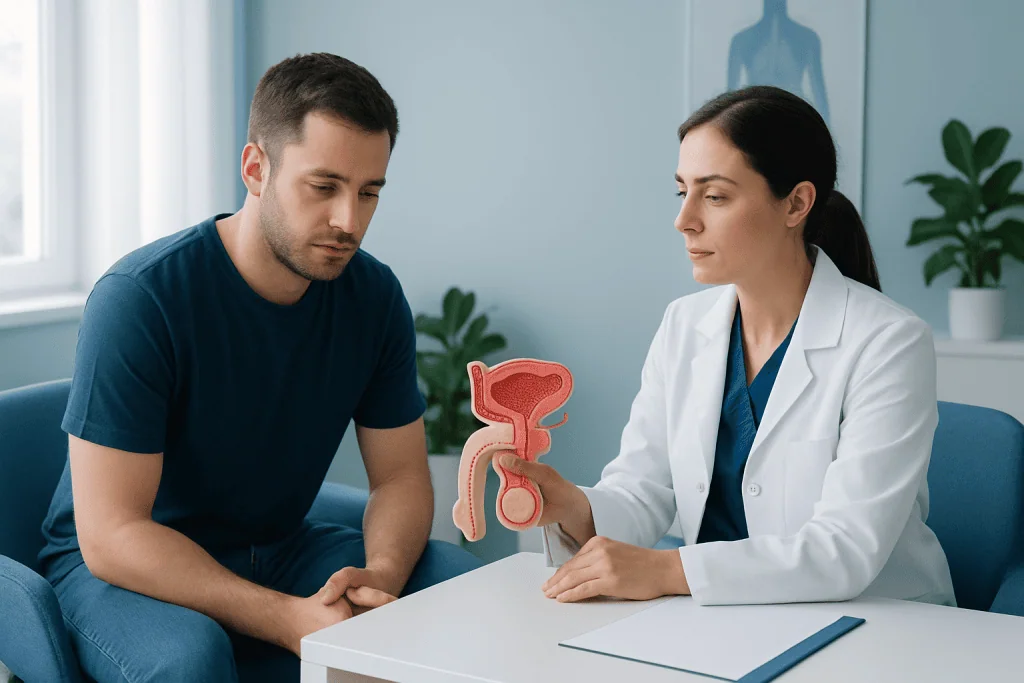
The exact cause of testicular cancer is not always clear. It usually begins when cells in the testicle develop abnormal changes and start growing in an uncontrolled way. Most testicular cancers arise from germ cells, which are the cells that normally develop into sperm.
Several factors may increase risk. One of the best-known is an undescended testicle, also called cryptorchidism, even if it was corrected later in life. A personal history of testicular cancer also raises the risk of developing cancer in the other testicle. A family history may play a role in some cases as well.
Testicular cancer can occur at different ages, but it is seen more often in adolescents and younger adult men than many other cancers. Still, it can happen later in life too. Having a risk factor does not mean someone will develop cancer, and some men who are diagnosed have no clear risk factors at all.
Other conditions can cause symptoms that resemble testicular cancer, such as testicular cancer concerns raised by self-exam, infection, cysts, or enlarged veins in the scrotum. This is why professional assessment matters instead of trying to guess the cause at home.
Diagnosis
If testicular cancer symptoms are present, a doctor usually begins with a medical history and physical examination. The clinician may ask when the change was first noticed, whether there is pain, and whether there have been other symptoms such as abdominal discomfort, back pain, or breast tenderness.
The main imaging test used to evaluate a testicular lump is a scrotal ultrasound. This painless scan helps show whether a lump is inside the testicle and whether it appears solid or fluid-filled. Ultrasound is very useful because it can help distinguish suspicious findings from other common causes of scrotal swelling.
Blood tests may also be ordered to check tumor markers, substances that can be elevated in some types of testicular cancer. Additional imaging, such as chest or abdominal scans, may be recommended if cancer is suspected or confirmed to look for spread. Definitive diagnosis often involves surgery to remove the affected testicle, because a biopsy through the scrotum is generally avoided.
Prompt evaluation is important, but there is no need to panic if a lump is found. Many scrotal conditions are treatable and not cancer. A structured evaluation allows the care team to move quickly toward reassurance or treatment as needed.
Treatment Options
Testicular cancer treatment depends on the type of tumor, its stage, tumor marker results, and the person’s overall health. The first treatment is often surgery to remove the affected testicle, a procedure called orchiectomy. Removing one testicle does not automatically mean loss of fertility or sexual function, although these concerns should be discussed with the medical team.
After surgery, some men may only need close follow-up, called surveillance. Others may require additional treatment to lower the chance of recurrence or to treat cancer that has spread. This may include chemotherapy, radiation therapy, or specialized urologic oncology care depending on the exact diagnosis.
Before treatment begins, doctors may discuss sperm banking, especially if future fertility is important. Supportive care, emotional support, and regular follow-up are also important parts of treatment. In experienced centers, care is often planned by a multidisciplinary team that may include urologists, medical oncologists, radiation oncologists, radiologists, and fertility specialists.
For international patients seeking coordinated care, Acibadem International’s multidisciplinary specialists in JCI-accredited hospitals diagnose and treat testicular cancer with individualized planning and follow-up.
Prevention and Self-care
There is no guaranteed way to prevent testicular cancer, because many cases occur without a known preventable cause. However, paying attention to normal body changes can help with earlier detection. Men who know how their testicles usually look and feel may be more likely to notice a new lump, swelling, or difference promptly.
Some people choose to perform regular testicular self-checks, often after a warm shower when the scrotal skin is relaxed. The goal is not to diagnose cancer at home, but to become familiar with what is normal. If a new lump, firmness, or persistent asymmetry is noticed, a doctor should evaluate it.
General self-care also matters during and after evaluation. It may help to write down symptoms, note when they began, and mention any history of undescended testicle, fertility issues, or prior testicular problems. Avoiding delay is one of the most practical steps a person can take.
- Learn what is normal for each testicle
- Report any new lump or swelling promptly
- Keep follow-up appointments if tests are recommended
- Discuss fertility concerns early if treatment is needed
When to See a Doctor
A doctor should be consulted promptly for any new lump, persistent swelling, testicular enlargement, or unexplained heaviness in the scrotum. Even if there is no pain, these symptoms should not be ignored. Early assessment can lead to reassurance for benign conditions or timely treatment if cancer is present.
Urgent medical attention is especially important if symptoms are severe, sudden, or accompanied by fever, marked redness, intense pain, nausea, or vomiting, because these can point to other conditions that also need immediate care. Testicular torsion, for example, is not cancer but is a medical emergency.
It can be uncomfortable to talk about intimate symptoms, but doctors are used to evaluating them and aim to do so respectfully. Reaching out early is a positive step for health, not an overreaction. If symptoms are persistent or concerning, professional evaluation is the safest choice.
Frequently asked questions
What are the first signs of testicular cancer?
The first signs are often a painless lump, swelling, or a change in the size or feel of one testicle. Some men also notice heaviness in the scrotum or a dull ache in the groin or lower abdomen.
Is testicular cancer usually painful?
Not always. In many cases, early testicular cancer is painless, which is why changes can be overlooked. However, some men do experience discomfort, tenderness, or a dull ache.
Does every testicular lump mean cancer?
No, many testicular or scrotal lumps are caused by noncancerous conditions such as cysts, infection, fluid buildup, or varicocele. Still, any new lump should be assessed by a doctor to identify the cause.
How is testicular cancer diagnosed?
Diagnosis usually starts with a physical exam and scrotal ultrasound. Blood tests for tumor markers may also be used, and if cancer is strongly suspected, surgery to remove the affected testicle may be recommended for definitive diagnosis and treatment.
Can testicular cancer be treated successfully?
Many cases of testicular cancer respond very well to treatment, especially when found early. Treatment may involve surgery, careful surveillance, chemotherapy, or radiation therapy depending on the type and stage.
Should men do regular testicular self-exams?
Some doctors encourage regular self-awareness or self-checks so men can notice changes early. The most important step is not perfect technique, but seeking medical advice if a new lump, swelling, or persistent change is found.
References
- World Health Organization
- National Cancer Institute
- American Cancer Society
- European Association of Urology
- NHS
This article is for general information only and is not a substitute for professional medical advice. Please consult a qualified doctor about your individual situation.
Testicular Cancer in Turkey — costs, top hospitals & a free quote
JCI-accredited · board-certified surgeons · reply within 24h
Add us as a Preferred Source to see more of our trusted health content across Google Search, AI Overviews and Discover.

More from the Health Library



Related Specialists

Dr. İlknur Çitil
Gynecology & Obstetrics
Dr. Hamza Furkan Şen
Gynecology & Obstetrics
Dr. Özden Çamurdan
Radiology
Fzt. Yaren Yıldız
Physical Medicine & Rehabilitation