Testosterone Replacement Therapy: Candidacy, Procedure Steps, and Recovery Timeline

Testosterone replacement therapy is used for confirmed testosterone deficiency, not simply for normal aging or vague symptoms alone. Diagnosis usually requires symptoms plus repeated morning blood tests and an evaluation for underlying causes.
Key Takeaways
- Testosterone replacement therapy is used for confirmed testosterone deficiency, not simply for normal aging or vague symptoms alone.
- Diagnosis usually requires symptoms plus repeated morning blood tests and an evaluation for underlying causes.
- Treatment may be given as gels, injections, patches, pellets, or other clinician-recommended forms, with regular follow-up.
- Benefits may appear gradually over weeks to months, while side effects and lab changes also need monitoring.
- People planning fertility should discuss alternatives, because testosterone therapy can reduce sperm production.
- Medical supervision is essential to balance symptom relief with safety.
Testosterone replacement therapy is a medically supervised treatment for people with confirmed low testosterone and related symptoms. It can improve energy, sexual function, mood, and body composition in selected patients, but candidacy, treatment steps, monitoring, and risks need careful evaluation.
Overview: what testosterone replacement therapy is and how it works
Testosterone replacement therapy is a treatment used when the body does not make enough testosterone and a person has symptoms that fit this hormone deficiency. In practice, doctors usually reserve it for confirmed hypogonadism rather than offering it based on tiredness, reduced exercise performance, or age alone. The goal is to restore testosterone to a healthy physiologic range and improve symptoms while monitoring for side effects.
Testosterone affects many tissues in the body. It plays a role in sexual desire, erections, sperm production, muscle mass, bone strength, red blood cell production, mood, and energy. When levels are low, some people develop problems such as reduced libido, erectile difficulties, low mood, loss of muscle mass, increased body fat, and decreased vitality. Testosterone replacement therapy works by supplying the hormone from outside the body to help normalize these functions.
The treatment does not work the same way for everyone. Response depends on the cause of the deficiency, age, general health, baseline hormone levels, and the form of therapy used. A careful hormonal assessment, often in an endocrinology or urology setting, helps determine whether testosterone replacement therapy evaluation and endocrine care is appropriate and whether another condition may be causing the symptoms.
Who may be a candidate for testosterone replacement therapy
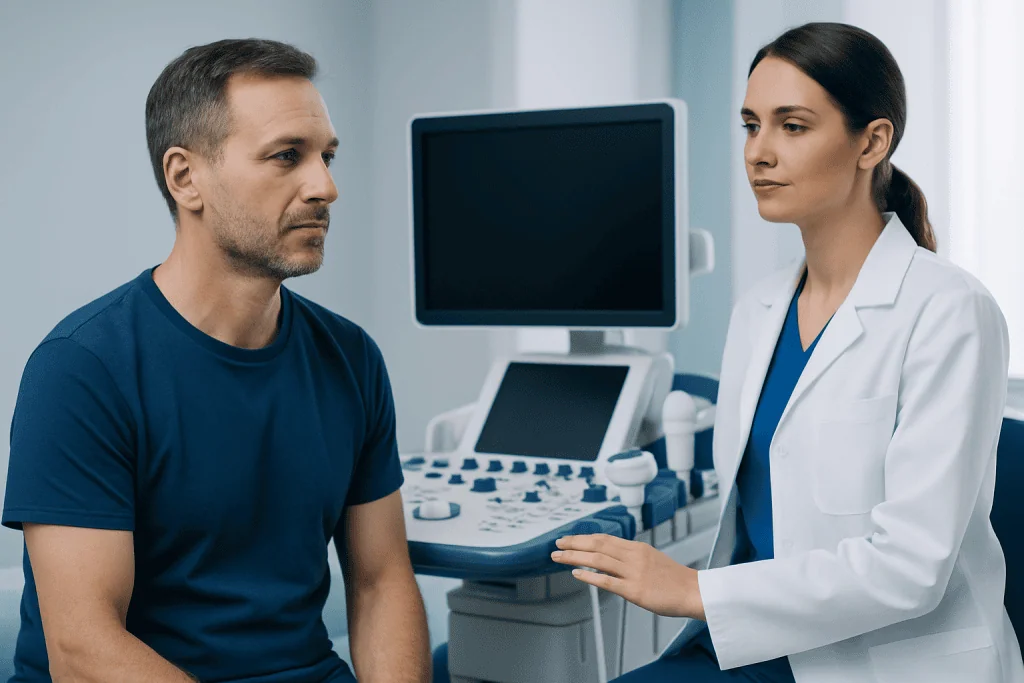
A candidate for testosterone replacement therapy is usually someone who has both persistent symptoms and laboratory-confirmed low testosterone. Doctors commonly check total testosterone with a morning blood sample because natural levels vary during the day. If the first result is low, testing is often repeated on a different morning to confirm the finding, and additional hormone tests may be ordered to understand the cause.
Symptoms that may prompt evaluation include low sex drive, erectile dysfunction, fatigue, depressed mood, reduced concentration, reduced muscle mass, low bone density, hot flashes, or delayed puberty. However, these symptoms are not specific to low testosterone and can overlap with sleep problems, thyroid disease, stress, medication effects, obesity, depression, or chronic illness. That is why a full medical review matters.
Not everyone with low-normal levels needs treatment. Doctors weigh symptom burden, blood test results, personal goals, age, fertility plans, cardiovascular history, sleep apnea risk, prostate health, and blood count results before recommending therapy. Men who wish to father children soon need special counseling because external testosterone can suppress sperm production and may worsen infertility, which may require assessment through fertility and reproductive medicine services rather than immediate hormone replacement.
In some cases, low testosterone is secondary to another health problem that should be treated first. Examples include obesity, poorly controlled diabetes, pituitary disorders, severe stress, and certain medications such as opioids or steroids. A clinician may also investigate conditions such as pituitary tumors if symptoms and hormone patterns suggest a central hormonal cause.
Causes of low testosterone and what doctors look for before treatment

Low testosterone can result from problems in the testicles, the pituitary gland, or the hypothalamus. Primary hypogonadism begins in the testicles, while secondary hypogonadism starts in the brain’s hormone control centers. Some causes are congenital, while others develop later because of injury, infection, inflammation, cancer treatment, obesity, chronic disease, or age-related decline.
Before starting therapy, doctors try to identify reversible or important underlying causes. A detailed history may cover puberty timing, sexual function, fertility, medication use, sleep quality, weight changes, alcohol use, and prior surgery or trauma. The physical examination may assess body hair, breast tissue, testicular size, blood pressure, body composition, and signs of other endocrine disorders.
Blood work may include total testosterone, free testosterone when needed, luteinizing hormone, follicle-stimulating hormone, prolactin, thyroid tests, complete blood count, liver function tests, and sometimes iron studies. Prostate-specific antigen testing may be discussed for appropriate patients, and bone density testing may be considered if fractures or osteoporosis are concerns. If symptoms overlap with sexual function concerns, specialists may also evaluate associated issues such as erectile dysfunction.
This pre-treatment workup helps answer several key questions: whether testosterone is truly low, why it is low, whether therapy is likely to help, and whether the treatment can be given safely. A structured assessment also creates a baseline so progress can be measured over time rather than relying only on how a person feels from day to day.
Procedure steps: what happens before, during, and after starting treatment
Although testosterone replacement therapy is not usually a single one-time procedure, it does follow a step-by-step treatment pathway. First comes consultation and testing. The doctor reviews symptoms, medical history, medications, family history, and fertility goals, then confirms low testosterone with appropriate blood tests. Once a patient is considered an appropriate candidate, the clinician discusses the expected benefits, possible risks, treatment forms, and monitoring plan.
Next comes choosing the delivery method. Testosterone can be given in several ways, including skin gels, patches, injections, long-acting implants or pellets, nasal formulations, or oral options in selected settings depending on local practice. The choice depends on convenience, cost considerations discussed privately in clinic, skin sensitivity, preference for steady versus less frequent dosing, travel patterns, and how easily the person can attend follow-up. For some patients, treatment may be coordinated within urology care if symptoms include sexual or reproductive concerns.
Once therapy begins, the patient receives practical instructions. Gels and patches must be used exactly as directed and handled carefully to reduce accidental transfer to others. Injections may be given in a clinic or self-administered after training, depending on the formulation and the doctor’s plan. Implantable forms require a minor in-office procedure for placement under the skin. Follow-up blood tests are then scheduled to see whether levels have reached the target range and whether side effects are developing.
Ongoing care is a key part of the process rather than an optional extra. Doctors usually reassess symptoms, testosterone levels, blood count, and other relevant markers after treatment starts and at intervals afterward. Doses may be adjusted if levels are too low, too high, or fluctuate significantly. This monitoring is one reason self-prescribing testosterone or taking non-medical supplements is not considered safe.
Benefits, risks, and possible side effects
When used in the right patient, testosterone replacement therapy may improve libido, sexual function, mood, energy, muscle mass, bone density, and overall sense of well-being. Some people also notice better exercise tolerance, improved motivation, and reduced hot flashes if these were related to hormone deficiency. The degree of improvement varies, and not every symptom will respond equally.
Benefits need to be balanced against potential risks and side effects. Common concerns include acne, oily skin, breast tenderness or enlargement, fluid retention, mood changes, and changes in sleep apnea symptoms. Testosterone can also increase red blood cell production, which is why blood count monitoring is important. Depending on the formulation, there may be skin irritation, discomfort at injection sites, or fluctuations in symptoms between doses.
Another major consideration is fertility. External testosterone can suppress the brain signals that stimulate the testicles, which may reduce or stop sperm production. This effect can be especially important for younger men who hope to have children. Patients should tell their doctor about fertility plans before starting therapy so other strategies can be considered.
Questions sometimes arise about heart health and prostate health. These topics are individualized and still require careful clinician review. Rather than assuming testosterone is either universally dangerous or universally protective, doctors assess each person’s age, cardiovascular risk factors, prostate history, urinary symptoms, and laboratory results to decide whether treatment is suitable and how closely it should be monitored.
Recovery timeline and living with treatment
Recovery after starting testosterone replacement therapy is usually gradual rather than immediate. Some patients notice changes in energy, mood, or sexual interest within several weeks, while body composition and muscle changes often take longer. Bone benefits, if needed, can take many months to become measurable. The timeline depends on the starting hormone level, the cause of deficiency, adherence to treatment, and overall health.
If the therapy involves an injection or pellet placement, physical recovery from the procedure itself is usually brief. Mild soreness, bruising, or irritation can occur at the application or insertion site, but this often settles within days. More important than procedural healing is the adjustment period while the clinician checks whether the dose is effective and well tolerated.
Daily life during treatment includes taking the medication exactly as prescribed, attending blood test appointments, and reporting side effects promptly. Patients are often encouraged to support hormone treatment with sleep improvement, regular exercise, weight management, limiting excess alcohol, and management of chronic conditions such as diabetes. These measures can improve symptoms and may also address factors that contribute to low testosterone.
If symptoms do not improve, the doctor may revisit the diagnosis rather than simply increasing the dose. Fatigue, reduced libido, and low mood can come from multiple causes, including depression, thyroid disease, medication effects, or sleep disorders. In other words, recovery is not only about reaching a target blood value; it is also about making sure the treatment fits the true reason for the symptoms.
When to seek medical care
Medical evaluation is appropriate when symptoms such as low libido, erectile difficulties, persistent fatigue, depressed mood, loss of muscle mass, or reduced body hair continue over time and begin affecting daily life. It is especially important to seek care if these symptoms appear along with infertility concerns, delayed puberty, breast enlargement, hot flashes, or unexplained fractures. These issues do not always mean testosterone is low, but they deserve a proper assessment.
People already using testosterone replacement therapy should contact their doctor if they develop worsening acne, shortness of breath, severe swelling, new breast symptoms, mood changes, trouble urinating, or significant changes in sleep quality. Urgent medical attention is needed for severe chest pain, sudden weakness, difficulty breathing, or other symptoms that could signal a serious problem, whether related to treatment or not.
It is also wise to seek medical advice before starting any over-the-counter “testosterone booster” or non-prescribed hormone product. These products may not contain what they claim and can delay diagnosis of an underlying illness. Near the end of the treatment journey, some patients benefit from coordinated follow-up across endocrinology, urology, fertility, and general medicine. Acibadem International’s multidisciplinary specialists in JCI-accredited hospitals diagnose and treat hormone-related conditions for international patients when this level of assessment is needed.
Frequently asked questions
How do doctors confirm that someone needs testosterone replacement therapy?
Doctors usually look for both symptoms and consistently low testosterone levels on morning blood tests. They often repeat the test on a different day and may order other hormone tests to find the cause before recommending treatment.
How long does it take for testosterone replacement therapy to work?
Some effects, such as changes in libido or energy, may begin within weeks, but the timeline varies. Improvements in muscle mass, body composition, and bone health often take longer and are usually assessed over months rather than days.
Can testosterone replacement therapy affect fertility?
Yes. Testosterone therapy can reduce the signals that stimulate sperm production, which may lower fertility. Anyone who wants children now or in the future should discuss this with a qualified doctor before starting treatment.
Is testosterone replacement therapy safe for everyone with symptoms of low testosterone?
No. Symptoms such as fatigue, low mood, or sexual dysfunction can have many causes, so treatment is not appropriate for everyone. Safety depends on medical history, blood tests, prostate and cardiovascular considerations, sleep apnea risk, and fertility goals.
What forms of testosterone replacement therapy are available?
Common forms include gels, patches, injections, and long-acting implantable preparations, with other options available in some settings. The best choice depends on personal preference, convenience, skin tolerance, follow-up access, and the doctor’s clinical judgment.
Will testosterone replacement therapy cure all symptoms related to aging?
Not necessarily. Testosterone therapy is intended for confirmed hormone deficiency and may not address symptoms caused by stress, poor sleep, depression, medication effects, or other medical conditions. A full evaluation helps set realistic expectations.
References
- Endocrine Society
- American Urological Association
- National Institute of Diabetes and Digestive and Kidney Diseases
- National Institutes of Health
- European Association of Urology
This article is for general information only and is not a substitute for professional medical advice. Please consult a qualified doctor about your individual situation.
Explore treatments in Turkey — costs, top hospitals & a free quote
JCI-accredited · board-certified surgeons · reply within 24h
Add us as a Preferred Source to see more of our trusted health content across Google Search, AI Overviews and Discover.
Check your numbers in seconds
BMI, calories, due date, blood pressure and 30+ more clinical calculators — free, instant, doctor-reviewed ranges.