Thalassemia: Inherited Anemia, Testing, and Transfusion Needs

Thalassemia is inherited, meaning it is passed through genes from parents to children; it is not contagious and cannot be caused by diet or lifestyle. Some people are healthy carriers with mild or no anemia, while others need regular monitoring, transfusions, iron chelation, or specialist care.
Key Takeaways
- Thalassemia is inherited, meaning it is passed through genes from parents to children; it is not contagious and cannot be caused by diet or lifestyle.
- Some people are healthy carriers with mild or no anemia, while others need regular monitoring, transfusions, iron chelation, or specialist care.
- Testing may include a complete blood count, hemoglobin analysis, iron studies, and genetic testing, especially before pregnancy or when both partners may be carriers.
- Regular blood transfusions can be lifesaving for transfusion-dependent thalassemia, but they require careful monitoring for iron overload.
- People with thalassemia benefit from care by a hematology team familiar with anemia, transfusion planning, iron balance, and possible complications.
Thalassemia is a group of inherited blood disorders in which the body makes less healthy hemoglobin than it needs, leading to anemia that ranges from mild to severe. Accurate blood and genetic testing helps identify the type of thalassemia, guide treatment, and support informed family planning.
Overview
Thalassemia is an inherited blood disorder that affects hemoglobin, the protein inside red blood cells that carries oxygen throughout the body. When hemoglobin production is reduced or abnormal, red blood cells may be smaller, more fragile, and less able to deliver oxygen efficiently. This can lead to anemia, which may cause tiredness, pale skin, poor growth in children, or other symptoms depending on severity.
There are two main groups: alpha thalassemia and beta thalassemia. These names refer to the part of hemoglobin that is affected. Each group includes a spectrum, from silent carrier states that cause no symptoms to severe forms that require regular transfusions and lifelong specialist follow-up.
Thalassemia is more common in families with ancestry from the Mediterranean region, the Middle East, South Asia, Southeast Asia, and parts of Africa. However, it can occur in any population. Because carriers may feel completely well, testing is often the only reliable way to know whether a person carries a thalassemia gene.
Types and Severity
The severity of thalassemia depends on which genes are affected and how many gene copies are changed. In alpha thalassemia, the body has four alpha-globin gene copies. Losing or changing one may cause no illness, while changes in three copies can cause hemoglobin H disease, a moderate to severe anemia. When all four alpha-globin genes are affected, the condition is usually very severe before birth and requires specialized prenatal care.
In beta thalassemia, the body has two beta-globin gene copies. A person with one altered gene is often called a carrier or has beta thalassemia trait. This usually causes mild anemia or small red blood cells but does not typically require treatment. When both beta-globin genes are affected, the condition may be beta thalassemia intermedia or beta thalassemia major, depending on how much hemoglobin the body can make.
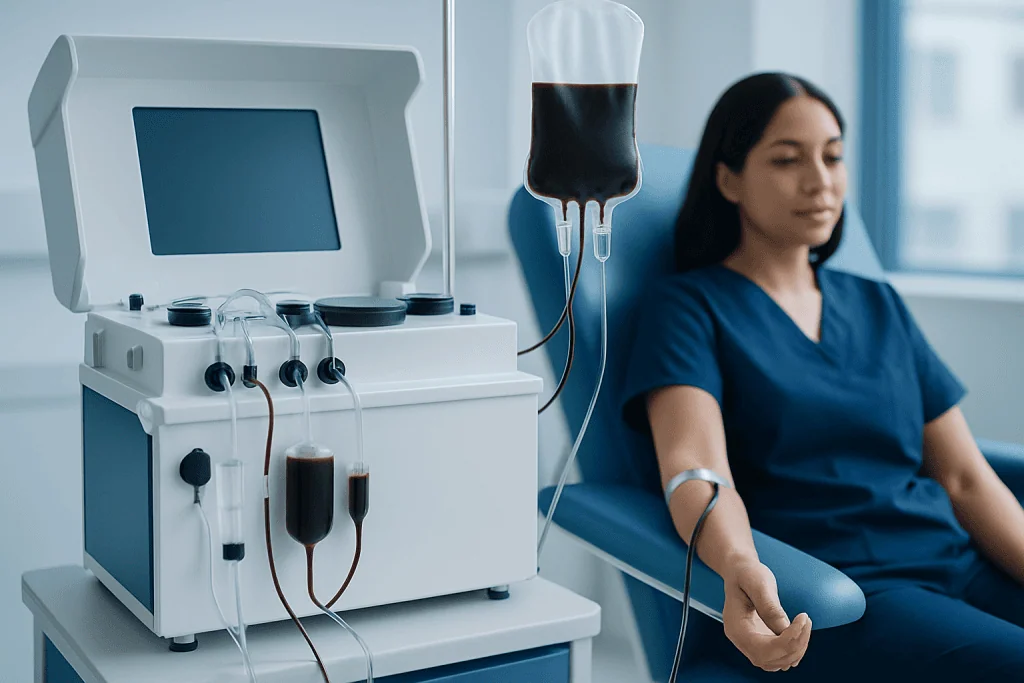
Doctors may also describe thalassemia by transfusion need. Non-transfusion-dependent thalassemia means a person does not usually require regular transfusions, although transfusions may be needed during illness, pregnancy, or surgery. Transfusion-dependent thalassemia means regular blood transfusions are needed to maintain safe hemoglobin levels, support growth, protect organs, and reduce complications from severe anemia.
Symptoms and Signs

Symptoms vary widely. Thalassemia carriers may have no symptoms and learn about the condition only after a routine blood test shows mild anemia or small red blood cells. In more significant forms, symptoms often appear in infancy or childhood, although milder forms may not be recognized until later in life.
Common signs and symptoms may include fatigue, weakness, pale or yellowish skin, shortness of breath with exertion, dizziness, poor appetite, slow growth in children, delayed puberty, and dark urine in some cases. Some people may have an enlarged spleen or liver because these organs help process abnormal red blood cells. Bone changes can occur in severe untreated anemia because the bone marrow works harder to produce blood cells.
Symptoms alone cannot confirm thalassemia, because many types of anemia can cause similar problems. Iron deficiency anemia, chronic inflammation, vitamin deficiencies, and other inherited blood conditions may look similar at first. This is why proper testing is important before starting long-term treatment or taking iron supplements.
Causes and Inheritance
Thalassemia is caused by inherited changes in genes that control hemoglobin production. A child receives hemoglobin genes from both parents. If one parent passes on a thalassemia gene, the child may be a carrier. If both parents carry related thalassemia genes, there is a chance in each pregnancy that the child may inherit a more serious form.
Carriers are usually healthy, but carrier testing matters because two carriers may have a child with significant thalassemia. The exact risk depends on whether the genes involve alpha or beta thalassemia and on the specific genetic changes present. Genetic counseling can help couples understand their results clearly and discuss reproductive options in a supportive, non-directive way.
Thalassemia is not caused by infection, poor nutrition, stress, or anything a parent did during pregnancy. It is also not contagious. Good nutrition and general health care are important for overall well-being, but they cannot remove the inherited gene change. Medical care focuses on accurate diagnosis, monitoring, prevention of complications, and treatment when needed.
Diagnosis and Testing
Testing usually begins with a complete blood count, often called a CBC. This test measures hemoglobin level, red blood cell size, and other blood cell details. In thalassemia trait, red blood cells are often smaller than normal, sometimes with only mild anemia. Because iron deficiency can also cause small red blood cells, iron studies are often checked before or alongside thalassemia testing.
Hemoglobin analysis, such as hemoglobin electrophoresis or high-performance liquid chromatography, can identify different types of hemoglobin and support the diagnosis of beta thalassemia and some related conditions. Alpha thalassemia may require genetic testing because routine hemoglobin analysis can be normal in carriers. Genetic testing can define the exact gene changes and is especially useful for family planning, prenatal evaluation, and complex cases.
Testing may be recommended for people with unexplained microcytic anemia, a family history of thalassemia, a child diagnosed with an inherited anemia, or ancestry from regions where thalassemia is more common. Couples may consider carrier screening before pregnancy or early in pregnancy. Newborn screening programs in some countries may detect certain hemoglobin disorders, but availability and scope vary by location.
Treatment Options and Transfusion Needs
Treatment depends on the type and severity of thalassemia. Carriers usually do not need treatment, although they should avoid taking iron supplements unless iron deficiency is confirmed. People with mild or moderate disease may need periodic blood tests, folic acid support if recommended by a doctor, vaccination review, and treatment during times of added stress such as infection, pregnancy, or surgery.
For transfusion-dependent thalassemia, regular red blood cell transfusions help maintain hemoglobin at a level that supports normal growth, activity, and organ function. A transfusion plan is individualized by a hematologist and may consider age, symptoms, hemoglobin level, growth, heart health, spleen size, and overall clinical picture. Blood safety, matching, and monitoring for transfusion reactions are important parts of care.
Repeated transfusions can lead to iron overload because the body has no natural way to remove large amounts of extra iron. Iron overload can affect the liver, heart, and endocrine glands if not managed. Iron chelation therapy uses medicines that help the body remove excess iron; the choice of chelator and monitoring plan should be guided by a specialist. Imaging tests and blood tests may be used to follow iron levels over time.
Some people may be candidates for more advanced treatments, such as hematopoietic stem cell transplantation, which can be curative in selected patients, or newer gene-based therapies where available and appropriate. These options require careful assessment of benefits, risks, donor availability, age, disease status, and local expertise. Supportive care, including management of infections, bone health, endocrine issues, and emotional well-being, remains essential at every stage.
Living With Thalassemia: Self-Care and Monitoring
Living well with thalassemia involves regular follow-up and a clear care plan. People who receive transfusions usually need scheduled hematology visits, blood tests, iron monitoring, and checks of the heart, liver, bones, growth, and hormone function. Keeping a personal record of transfusions, medications, test results, allergies, and blood type can be helpful, especially when traveling or seeing new clinicians.
Healthy habits support overall resilience. A balanced diet, appropriate physical activity, adequate sleep, and infection prevention are helpful for many people with chronic anemia. Iron supplements should not be taken unless a doctor confirms iron deficiency, because thalassemia itself and transfusions may increase iron burden. Patients should also ask their doctor whether any specific vitamins, vaccines, or activity adjustments are recommended for their situation.
Emotional and family support is also important. Children and adults with thalassemia may need help managing frequent appointments, school or work schedules, treatment fatigue, and questions about family planning. Patient education, genetic counseling, and communication with a trusted healthcare team can reduce uncertainty and help patients participate confidently in decisions about their care.
When to See a Doctor
A person should seek medical advice if they have unexplained anemia, persistent fatigue, pale skin, shortness of breath, jaundice, dark urine, poor growth, delayed puberty, or a family history of thalassemia or another inherited blood disorder. Testing is also appropriate when a routine blood count shows small red blood cells, especially if iron levels are normal or anemia does not improve with appropriate iron treatment.
Couples should consider carrier screening if either partner has thalassemia trait, a family history of inherited anemia, or ancestry from an area where thalassemia is common. Early testing allows time for genetic counseling and informed pregnancy planning. Pregnant people with known or suspected thalassemia should be followed by clinicians familiar with both maternal anemia and fetal risk assessment.
People already diagnosed with thalassemia should contact their care team promptly for fever, worsening fatigue, chest pain, fainting, new abdominal swelling, severe bone pain, or symptoms after a transfusion. International patients seeking evaluation or ongoing care may be assessed by multidisciplinary hematology teams at Acibadem International, where JCI-accredited hospitals provide diagnosis and treatment planning for blood disorders, including thalassemia.
Frequently asked questions
Is thalassemia the same as iron deficiency anemia?
No. Thalassemia is an inherited condition affecting hemoglobin production, while iron deficiency anemia is usually caused by low iron stores. Both can cause small red blood cells, so testing is needed to tell them apart. Iron should only be taken when iron deficiency is confirmed by a healthcare professional.
Can a person have thalassemia and feel completely healthy?
Yes. Many carriers, especially those with thalassemia trait, have no symptoms or only mild anemia. They may discover it through routine blood work or family testing. Even when no treatment is needed, knowing carrier status is useful for family planning.
Why do some people with thalassemia need regular transfusions?
In severe thalassemia, the body cannot make enough healthy hemoglobin to meet oxygen needs. Regular transfusions provide healthy red blood cells, help prevent severe anemia, and support growth and organ function. The schedule is individualized and monitored by a hematology team.
What is iron overload in thalassemia?
Iron overload means too much iron has built up in the body. It can happen after repeated blood transfusions or from increased iron absorption in some forms of thalassemia. Doctors monitor iron levels and may prescribe iron chelation therapy to help remove extra iron.
Should family members be tested if one person has thalassemia?
Family testing is often helpful because thalassemia is inherited. Parents, siblings, and partners may be carriers without knowing it. A doctor or genetic counselor can recommend the most appropriate tests based on the type of thalassemia found in the family.
Can thalassemia be cured?
Some selected patients may be cured with hematopoietic stem cell transplantation, and gene-based therapies are available in some settings for specific patients. These treatments are not suitable for everyone and require careful specialist evaluation. Many people manage thalassemia successfully with monitoring, transfusions when needed, chelation therapy, and supportive care.
References
- World Health Organization
- Centers for Disease Control and Prevention
- National Heart, Lung, and Blood Institute
- Thalassaemia International Federation
- American Society of Hematology
This article is for general information only and is not a substitute for professional medical advice. Please consult a qualified doctor about your individual situation.
Thalassemia in Turkey — costs, top hospitals & a free quote
JCI-accredited · board-certified surgeons · reply within 24h
Add us as a Preferred Source to see more of our trusted health content across Google Search, AI Overviews and Discover.

Organ Transplantation
Kidney, liver and bone-marrow transplantation programs with dedicated coordination.
4 specialists in this unitMore from the Health Library



Related Specialists
Alperen Mustafa Oğuz
Physical Medicine & Rehabilitation
Dr. Selcen Bahadır
Gynecology & Obstetrics
Prof. Dr. Hülya Dede
Gynecology & Obstetrics
Dr. Samir Charkazli
Anesthesiology