Thanatology — Explained by Medical Evidence, Not Myths
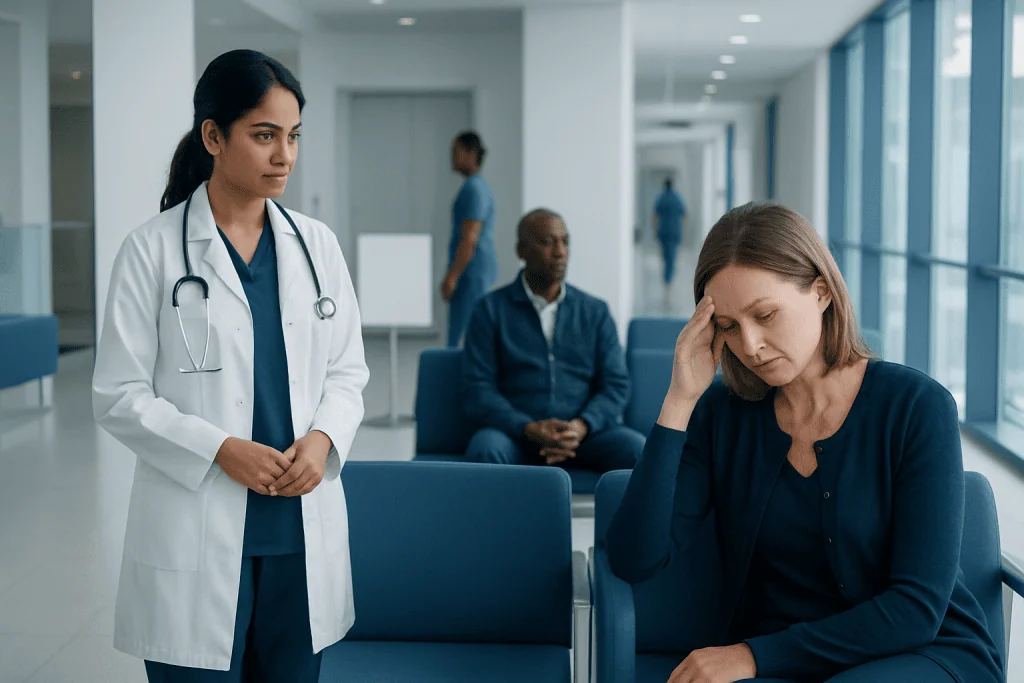
Thanatology is a multidisciplinary field that examines death, dying, grief, and the needs of patients and families. It is not a mystical or supernatural subject; in medicine, it focuses on care, communication, ethics, and emotional support.
Key Takeaways
- Thanatology is a multidisciplinary field that examines death, dying, grief, and the needs of patients and families.
- It is not a mystical or supernatural subject; in medicine, it focuses on care, communication, ethics, and emotional support.
- Thanatology informs palliative care, hospice care, advance care planning, and bereavement support.
- Grief does not follow a single timeline, and healthy grieving can look different from person to person.
- Professional help may be useful when grief is persistent, disabling, or linked to depression, trauma, or self-harm thoughts.
Thanatology is the evidence-based study of death, dying, grief, and bereavement. In healthcare, it helps clinicians support patients and families with clearer communication, symptom relief, emotional care, and informed decisions near the end of life.
Overview: what thanatology means in medicine
Thanatology is the scientific and clinical study of death, dying, grief, and bereavement. Rather than focusing on myths or spiritual claims, modern thanatology examines how people experience serious illness, end-of-life decisions, loss, mourning, and adjustment after a death. It draws on medicine, nursing, psychology, social work, ethics, sociology, and public health.
In practical healthcare settings, thanatology helps professionals understand what patients and families may need when facing life-limiting illness. These needs can include symptom control, honest but compassionate communication, emotional support, cultural sensitivity, and help with decision-making. The goal is not to make death seem simple, but to reduce unnecessary suffering and improve the quality of care.
Thanatology is often discussed alongside palliative care and hospice services, but it is broader than either one. It includes research on grief, how children and adults understand death at different ages, family dynamics around loss, and the ethical questions that can arise when medical treatment goals change.
What thanatology covers beyond myths and misconceptions

Public discussions sometimes confuse thanatology with paranormal beliefs or unexplained experiences. In healthcare and academic settings, however, thanatology is an evidence-based field. It studies measurable topics such as symptom burden, patient preferences, communication quality, caregiver stress, bereavement outcomes, and the effects of support services.
Common areas within thanatology include:
- How patients cope with a serious or terminal diagnosis
- How clinicians discuss prognosis, goals of care, and treatment choices
- How families experience caregiving and anticipatory grief
- How bereavement affects mental and physical health
- How culture, faith, and personal values shape end-of-life wishes
- How healthcare systems can provide more respectful, person-centered care
This broader perspective matters because death is not only a biological event. It is also a human experience with emotional, social, ethical, and practical dimensions. Thanatology helps connect these dimensions so patients are treated as whole people rather than as a diagnosis alone.
How thanatology supports patients and families
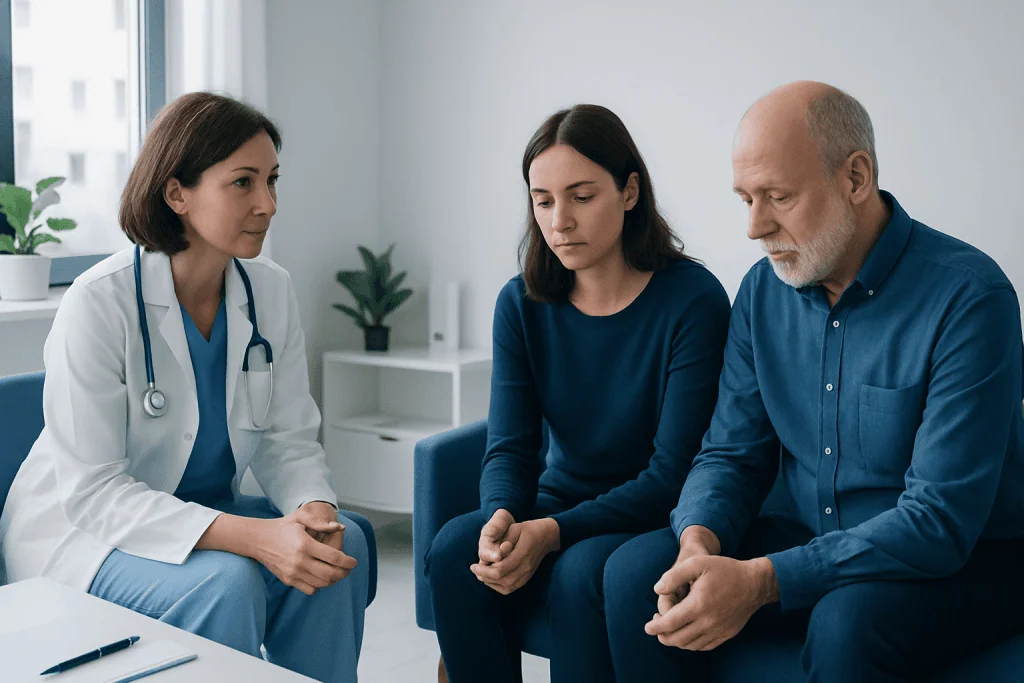
When someone lives with advanced illness, the challenges often extend beyond the disease itself. People may worry about pain, breathlessness, loss of independence, unfinished conversations, family responsibilities, or what to expect in the future. Thanatology provides a framework for recognizing these concerns early and responding to them in a structured, compassionate way.
For patients, this may mean clearer explanations, better symptom management, and more involvement in treatment decisions. For families, it may mean education about caregiving, emotional support, help with planning, and guidance during bereavement. In many cases, early supportive care can improve comfort and reduce confusion, even while disease-directed treatment continues.
Thanatology is especially relevant in conditions where care planning may become complex, such as cancer, advanced neurological disease, severe heart failure, or serious lung disease. In these settings, symptom management and communication are often just as important as medical procedures, and a multidisciplinary approach can make care more consistent and patient-centered.
Grief, bereavement, and what is considered normal
One of the best-known parts of thanatology is the study of grief. Grief is a natural response to loss, but it is not the same for everyone. Some people feel sadness, numbness, anger, guilt, anxiety, or physical fatigue. Others experience changes in sleep, concentration, appetite, or daily functioning. These reactions can vary from day to day and may come in waves.
It is helpful to remember that grief does not follow a strict sequence or deadline. Popular stage-based models can be useful as broad educational tools, but they do not describe every person’s experience. Many people move back and forth between emotions, and some continue to feel the loss deeply while still returning to work, relationships, and routine.
Bereavement can also affect physical health. Stress related to loss may worsen chronic conditions, disturb sleep, or increase feelings of isolation. Because of this, thanatology does not treat grief as only an emotional issue. It considers how loss affects the whole person and when supportive counseling, peer groups, primary care follow-up, or mental health treatment may be appropriate.
End-of-life care, ethics, and decision-making
Thanatology helps clinicians and families navigate difficult choices with greater clarity. These choices may include whether to continue intensive treatment, when to prioritize comfort, how to document advance wishes, and who should speak for a patient who cannot communicate. The field encourages shared decision-making based on medical facts, patient values, and realistic goals.
Ethical questions are common near the end of life. Families may wonder whether stopping a burdensome treatment means giving up, or whether symptom relief could interfere with alertness. In most cases, careful medical guidance can explain the difference between comfort-focused care and abandonment. The purpose of ethically sound end-of-life care is to respect the patient’s preferences while minimizing suffering.
Supportive services may include pain management, counseling, spiritual care if desired, nutrition guidance, and rehabilitation for maintaining function where possible. In some situations, treatment of the underlying disease continues alongside comfort-focused care. This is why thanatology is not limited to the final days of life; it can be relevant much earlier in the course of illness.
How doctors assess needs related to thanatology
There is no single test for thanatology because it is a field of care rather than a disease. Assessment usually involves conversation, clinical observation, and structured questionnaires when needed. A healthcare team may ask about symptoms, mood, worries, family support, cultural or spiritual preferences, practical concerns, and the patient’s understanding of the illness.
Doctors also look for treatable problems that can worsen distress. For example, severe pain, delirium, depression, anxiety, sleep problems, or breathing difficulty can make coping much harder. Addressing these symptoms may improve both quality of life and the ability to make decisions. When emotional symptoms are prominent, evaluation may include screening for depression, prolonged grief, trauma-related distress, or caregiver burnout.
Depending on the situation, care may involve specialists in psychiatry, psychology, palliative medicine, oncology, neurology, geriatrics, nursing, and social work. For international patients with complex needs, Acibadem International’s multidisciplinary specialists and JCI-accredited hospitals provide diagnosis and treatment planning with attention to both medical and supportive care needs.
Self-care, family support, and healthy coping
Thanatology recognizes that support does not come only from medical treatment. Daily routines, social connection, and practical planning can make a meaningful difference for both patients and families. Helpful steps may include maintaining regular meals and sleep when possible, accepting help from others, writing down questions for doctors, and discussing care preferences early rather than waiting for a crisis.
For people who are grieving, self-care is not about “moving on” quickly. It is about giving the body and mind enough support to adapt to loss. This may include exercise as tolerated, time outdoors, faith or cultural rituals, creative expression, counseling, or support groups. Children and adolescents may need age-appropriate explanations and reassurance that their feelings are allowed.
Family caregivers also need attention. Caregiving can bring love and meaning, but it can also lead to exhaustion, loneliness, and financial or work-related strain. Respite care, community resources, and honest communication with the healthcare team can reduce pressure. If grief or caregiving stress becomes overwhelming, professional mental health support is a reasonable and often helpful step.
When to seek medical care
Medical or mental health support should be considered when distress begins to interfere with safety, daily functioning, or the ability to care for oneself or others. This includes severe insomnia, panic, inability to eat or hydrate well, intense hopelessness, confusion, or worsening symptoms in a person with serious illness. Urgent help is needed right away if there are thoughts of self-harm, suicide, or harm to someone else.
Patients with advanced disease should also contact a healthcare professional if pain, breathlessness, agitation, nausea, or weakness suddenly worsen. These symptoms may be treatable and should not be assumed to be an unavoidable part of dying. Early support can improve comfort and reduce unnecessary emergency visits.
After a loss, professional evaluation may help if grief remains persistently disabling, if there is marked social withdrawal, or if symptoms of depression or trauma are strong. A doctor or mental health professional can help distinguish expected grief from conditions that may benefit from therapy, medication, or more specialized bereavement care.
Frequently asked questions
What is thanatology in simple terms?
Thanatology is the study of death, dying, grief, and bereavement. In medicine, it helps professionals care for patients and families facing serious illness, end-of-life decisions, and loss.
Is thanatology a medical specialty?
Thanatology is better described as a multidisciplinary field than a single specialty. It brings together medicine, nursing, psychology, social work, ethics, and other disciplines to support people affected by death and dying.
How is thanatology different from palliative care?
Palliative care is a clinical service focused on relieving symptoms and stress during serious illness. Thanatology is the broader field that studies the experiences, communication, ethics, grief, and care systems related to death and dying.
Does thanatology only apply when a person is dying?
No. It can be relevant from the time of a serious diagnosis onward, especially when patients and families need help with coping, planning, or understanding treatment goals. It also includes bereavement support after a death.
Are the stages of grief always the same for everyone?
No, grief is highly individual. Some people recognize certain emotional patterns, but there is no single sequence, and people may move through grief in different ways and at different speeds.
When should someone seek professional help for grief?
Help is appropriate if grief is so intense or prolonged that it disrupts daily life, relationships, sleep, eating, or safety. Immediate emergency support is needed if there are thoughts of self-harm or suicide.
This article is for general information only and is not a substitute for professional medical advice. Please consult a qualified doctor about your individual situation.
Explore treatments in Turkey — costs, top hospitals & a free quote
JCI-accredited · board-certified surgeons · reply within 24h
Add us as a Preferred Source to see more of our trusted health content across Google Search, AI Overviews and Discover.

More from the Health Library
Healthy Teeth and Gums Through Daily Oral Care

E Coli: An Evidence-Based Guide for Patients
Cranium: A Complete Medical Overview

Soft Palate: What Patients Need to Know

Saw Palmetto — Explained by Medical Evidence, Not Myths