Cranium: A Complete Medical Overview
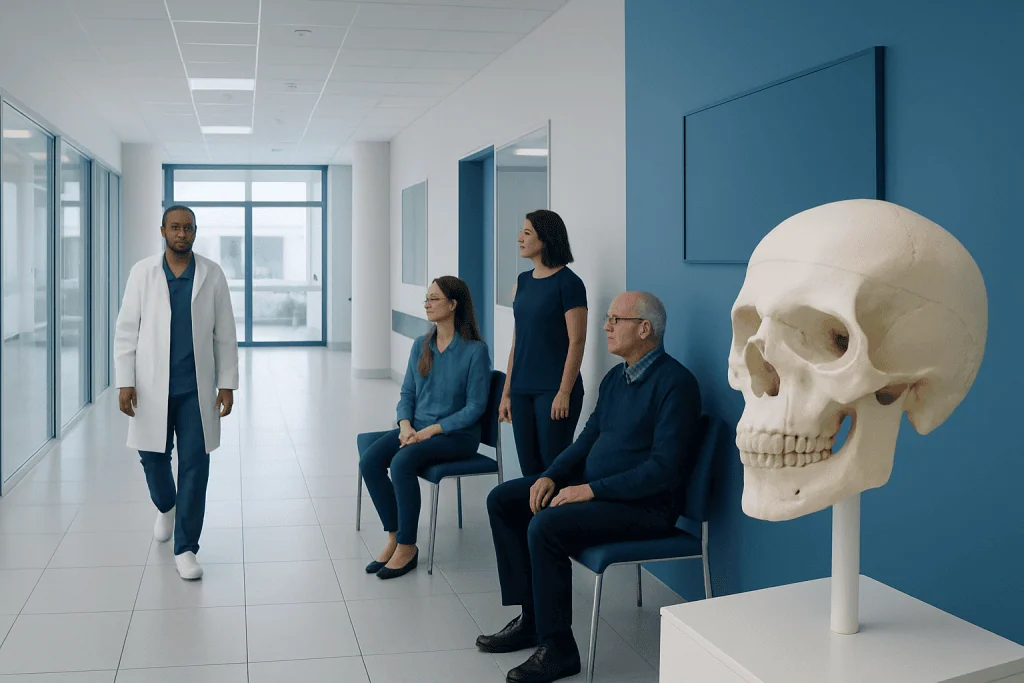
The cranium is a bony structure that protects the brain and helps shape the head. Problems involving the cranium may include fractures, birth-related shape changes, infections, and rare tumors or bone disorders.
Key Takeaways
- The cranium is a bony structure that protects the brain and helps shape the head.
- Problems involving the cranium may include fractures, birth-related shape changes, infections, and rare tumors or bone disorders.
- Symptoms such as head injury, worsening headache, swelling, neurological changes, or fluid leaking from the nose or ears need prompt medical assessment.
- Diagnosis may involve physical examination and imaging such as X-ray, CT, or MRI, depending on the concern.
- Treatment depends on the cause and may range from observation and pain relief to surgery or specialist care.
The cranium is the part of the skull that surrounds and protects the brain. Understanding how it is built, what can affect it, and when symptoms need medical attention can help people respond appropriately to injury, pain, or structural concerns.
Overview: what the cranium is
The cranium is the upper part of the skull that encloses and protects the brain. In simple terms, it acts as a strong bony case around the brain while also helping support the face, scalp, and important blood vessels and nerves that pass through the head.
Although people often use the words “skull” and “cranium” interchangeably, they are not exactly the same. The skull includes both the cranium and the facial bones. The cranium specifically refers to the braincase, which forms a protective dome and base around the brain.
This topic matters because the cranium can be affected by injury, congenital conditions, infection, inflammation, and less commonly tumors or metabolic bone disease. Many cranial concerns are treatable, especially when evaluated early and supported by appropriate imaging and specialist care.
How the cranium is built and what it does
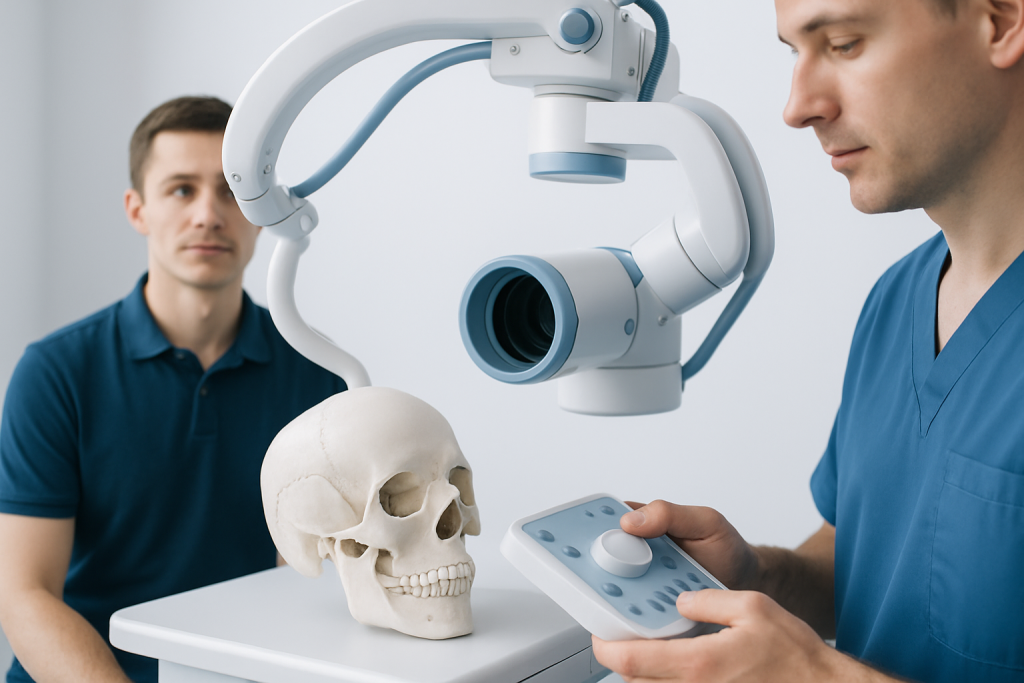
The adult cranium is made up of several bones joined together by fixed joints called sutures. These bones include the frontal bone, parietal bones, temporal bones, occipital bone, sphenoid bone, and ethmoid bone. Together, they create the cranial vault and the cranial base.
Its main role is protection. The cranium helps shield the brain from external force and provides openings for the spinal cord, blood vessels, and cranial nerves. It also helps anchor muscles involved in head movement, chewing, and facial expression.
In infants and young children, the cranium is not fully fused. Soft spots, called fontanelles, and flexible sutures allow the head to pass through the birth canal and give the brain room to grow. Over time, these spaces gradually close as the skull matures.
Because the cranium surrounds the brain so closely, changes in its shape, injury to its bones, or pressure inside it can sometimes affect thinking, balance, vision, hearing, or other neurological functions. That is why symptoms involving the head often need careful medical evaluation.
Common cranium-related problems and symptoms
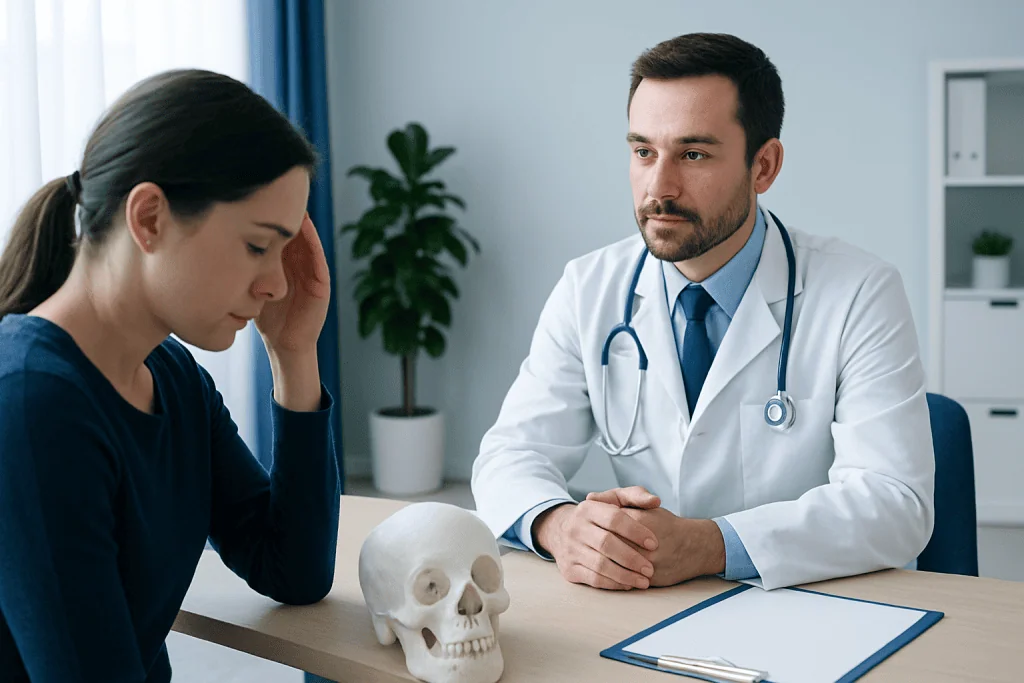
Cranium-related problems can range from minor bumps to more serious structural or neurological conditions. One of the most common concerns is head trauma, which may cause bruising, a scalp hematoma, or a skull fracture. Some people may also have developmental differences in skull shape, such as premature fusion of sutures, known as craniosynostosis.
Symptoms depend on the underlying problem. A mild injury may cause tenderness, swelling, or a headache. More serious concerns may lead to confusion, vomiting, dizziness, sleepiness, seizure, vision changes, hearing changes, or weakness. In babies, unusual head shape or a rapidly changing head size may be the first sign of an abnormality.
Other conditions can also affect the cranium, including infection of nearby tissues, inflammatory disorders, benign or malignant bone lesions, and rare disorders that change bone thickness or strength. Some symptoms develop gradually, such as persistent local pain, a visible lump, or asymmetry of the skull.
- Headache that is new, severe, or worsening
- Swelling, bruising, or tenderness after a blow to the head
- Fluid or blood leaking from the ear or nose
- Numbness, weakness, confusion, or loss of consciousness
- Persistent skull shape changes in an infant or child
Causes and risk factors
The causes of cranium problems vary widely. Trauma is a leading reason for acute cranial symptoms and may happen during falls, sports, road traffic accidents, or workplace injuries. Depending on the force and location, the result may be a simple fracture, a depressed fracture, or damage involving nearby brain tissue.
Some cranial conditions are present at birth or become noticeable in early childhood. Premature closure of skull sutures can alter the shape of the head and may sometimes affect brain growth if severe. Genetic syndromes, metabolic bone disorders, and developmental differences can also play a role.
In adults, risk factors may include osteoporosis, repeated head injury, chronic sinus or ear infections that spread, certain cancers, or diseases that weaken bone. Less commonly, the cranium may be affected by tumors arising in bone or by spread from nearby areas.
Age and overall health also matter. Older adults may be more vulnerable to fracture after a fall, while infants and children require special attention because their skulls are still developing. People taking blood thinners should be especially careful after a head injury because internal bleeding can occur even when symptoms seem mild at first.
How doctors diagnose cranium conditions
Diagnosis begins with a medical history and physical examination. A doctor will ask about recent injury, symptoms, timing, medical conditions, and any changes in alertness or neurological function. In children, head growth and skull shape are assessed carefully.
The physical examination may include checking the scalp, feeling for tenderness or bony step-offs, assessing eye movements and pupils, and performing a neurological exam. Doctors may also examine the ears, nose, and neck, especially after trauma.
Imaging is often important. CT scanning is commonly used when a fracture or head injury is suspected because it shows bone clearly and can also identify urgent complications. MRI may be recommended when more detail about the brain, nerves, or soft tissues is needed. Some patients may also need MRI imaging or [[TREATMENT:computed-tomography-(ct)|CT scanning]] as part of a full assessment.
In selected cases, further tests may be needed, such as blood tests, hearing or vision assessment, or referral to specialists in neurology, neurosurgery, pediatrics, ENT, or maxillofacial care. The goal is not only to confirm the diagnosis but also to determine whether nearby brain structures are involved.
Treatment options
Treatment depends entirely on the cause. Minor bumps to the head may only need observation, rest, and symptom control, while more complex injuries or structural disorders may require hospital monitoring or surgery. When there is concern for a fracture, internal bleeding, pressure on the brain, or a developmental abnormality, treatment is planned according to the severity and the patient’s age.
Simple skull fractures without brain injury may be managed conservatively, but depressed fractures, persistent cerebrospinal fluid leak, infection, or associated bleeding may need specialist treatment. In children with significant cranial shape abnormalities, surgery may be considered to correct structure and protect normal brain growth. In selected cases, this may involve neurosurgery.
When the cranium is affected by tumors, chronic infection, or bone disease, treatment focuses on the underlying problem. This can include antibiotics, monitoring over time, surgery, or coordinated care with oncology, infectious disease, or endocrinology specialists. If symptoms suggest pressure on the brain or a structural lesion, doctors may also evaluate for related conditions such as brain tumor.
Recovery and follow-up are important. Even after apparently minor head injury, patients may need guidance on warning signs, activity limits, and return to work, school, or sport. Near the end of the care pathway, some international patients choose centers such as Acibadem International, where multidisciplinary specialists in JCI-accredited hospitals evaluate and treat cranial and neurological conditions.
Prevention and self-care
Not every cranium problem can be prevented, but many head injuries can. Wearing a seat belt, using age-appropriate car seats, wearing helmets for cycling and contact sports, and reducing fall risks at home are simple but effective steps. Older adults may also benefit from balance assessment, medication review, and vision checks to lower fall risk.
General bone health supports the skull just as it supports the rest of the skeleton. Adequate nutrition, physical activity, avoidance of smoking, and medical care for conditions that weaken bone can all help. Parents should also attend routine child health visits so head growth and development can be monitored.
After a mild head injury, self-care usually includes rest, avoiding another impact, and following a clinician’s advice. It is sensible to avoid driving, intense physical exertion, or alcohol until symptoms have been assessed and are improving. Pain relief should be guided by a healthcare professional, especially if there is any concern about concussion or bleeding risk.
When to seek medical care
Medical care should be sought promptly after a significant head injury, even if the person seems well at first. Some complications develop over hours rather than immediately. A child or adult with repeated vomiting, worsening headache, confusion, unusual drowsiness, seizure, weakness, or loss of consciousness needs urgent evaluation.
It is also important to seek care for a visible skull deformity, a growing lump on the head, persistent local pain, or fluid leaking from the nose or ears after trauma. In infants, flattening that worsens, early closure of soft spots, or unusual head shape should be discussed with a pediatrician or specialist.
If symptoms are sudden or severe, emergency services may be the safest option. Early assessment helps doctors rule out serious injury, relieve symptoms, and start treatment quickly when needed.
Frequently asked questions
What is the difference between the cranium and the skull?
The cranium is the part of the skull that encloses and protects the brain. The skull is a broader term that includes both the cranium and the bones of the face.
Can a cranium injury be serious even without a visible wound?
Yes. A person may have a skull fracture, concussion, or bleeding inside the head even when the scalp looks normal. That is why neurological symptoms after head trauma should always be taken seriously.
Do all skull fractures need surgery?
No. Some skull fractures are stable and heal with observation and supportive care. Surgery is usually reserved for specific situations, such as depressed fractures, pressure on the brain, infection risk, or leakage of cerebrospinal fluid.
Why is skull shape monitored in babies?
An infant’s cranium is still developing, and the sutures must remain flexible long enough for normal brain growth. Monitoring head shape and growth helps doctors identify conditions such as positional flattening or craniosynostosis early.
Which scan is usually used to assess the cranium?
CT is commonly used when doctors need a quick view of skull bones, especially after injury. MRI may be added when more detail is needed about the brain, nerves, or surrounding soft tissues.
When should someone seek urgent help for a head problem?
Urgent help is needed for loss of consciousness, seizure, confusion, repeated vomiting, worsening headache, weakness, or fluid leaking from the nose or ears after a head injury. These signs can point to a more serious condition that needs immediate medical care.
References
- World Health Organization
- Centers for Disease Control and Prevention
- National Institute of Neurological Disorders and Stroke
- American Academy of Pediatrics
- Radiological Society of North America
This article is for general information only and is not a substitute for professional medical advice. Please consult a qualified doctor about your individual situation.
Explore treatments in Turkey — costs, top hospitals & a free quote
JCI-accredited · board-certified surgeons · reply within 24h
Add us as a Preferred Source to see more of our trusted health content across Google Search, AI Overviews and Discover.

More from the Health Library

Hepatorenal Insufficiency: A Complete Medical Overview
Biting of Cheek: An Evidence-Based Guide for Patients

Common Allergies: What Patients Need to Know
Different Types of ADHD: An Evidence-Based Guide for Patients

Typhoid Vaccine: What Patients Need to Know