The Most Common Neurodegenerative Diseases and Their Key Warning Signs

Neurodegenerative diseases usually develop gradually and worsen over time. Common early warning signs include changes in memory, movement, speech, balance, mood, or behavior.
Key Takeaways
- Neurodegenerative diseases usually develop gradually and worsen over time.
- Common early warning signs include changes in memory, movement, speech, balance, mood, or behavior.
- Alzheimer’s disease, Parkinson’s disease, motor neuron diseases, and Huntington’s disease affect people in different ways.
- Diagnosis often involves a neurological exam, brain imaging, and cognitive or movement assessments.
- Although many neurodegenerative diseases cannot be cured, treatment can help manage symptoms and improve quality of life.
- A medical evaluation is important whenever new neurological symptoms persist or interfere with daily life.
Neurodegenerative diseases are conditions in which nerve cells in the brain or nervous system gradually become damaged or die. Early recognition of warning signs such as memory loss, movement changes, speech problems, or behavior changes can help people seek timely evaluation and support.
Overview of Neurodegenerative Diseases
Neurodegenerative diseases are a group of disorders that cause gradual damage to nerve cells, also called neurons. These cells help control memory, thinking, movement, speech, swallowing, sensation, and many other body functions. When neurons are injured or lost over time, symptoms slowly develop and may become more noticeable as daily tasks become harder.
The term includes several well-known conditions, such as Alzheimer’s disease, Parkinson’s disease, Huntington’s disease, and motor neuron diseases including amyotrophic lateral sclerosis. Some primarily affect memory and thinking, while others mainly affect movement, muscle control, or behavior. Because symptoms can overlap, it is not always easy to recognize the exact cause without a proper medical assessment.
These conditions are more common with older age, but they are not simply a normal part of aging. In some people, symptoms begin earlier in adulthood. Early diagnosis can be valuable because it may help clarify the cause of symptoms, guide treatment choices, support planning, and connect patients and families with rehabilitation and emotional support.
The Most Common Types and Their Key Warning Signs
Alzheimer’s disease is the most common cause of dementia. Its early warning signs often include increasing forgetfulness, repeating questions, misplacing items, difficulty following conversations, getting lost in familiar places, and trouble managing finances or medications. As the condition progresses, changes in judgment, language, mood, and daily independence may become more apparent.
Parkinson’s disease mainly affects movement, especially at the beginning. Common early signs include a resting tremor, slowness of movement, stiffness, smaller handwriting, reduced facial expression, a softer voice, and balance changes. Some people also notice non-motor symptoms before movement problems become obvious, such as loss of smell, constipation, sleep disturbance, or depression. These features may overlap with Parkinson’s disease.
Motor neuron diseases, including ALS, affect the nerve cells that control muscles. Warning signs may include persistent muscle weakness, twitching, cramps, tripping, trouble lifting objects, slurred speech, or difficulty swallowing. Huntington’s disease can cause involuntary movements, mood changes, irritability, and problems with thinking and planning. Other forms of dementia, such as frontotemporal dementia, may begin with personality or behavior changes rather than memory loss, with symptoms such as social withdrawal, poor judgment, reduced empathy, or impulsive behavior.
- Memory and thinking changes: forgetting recent events, confusion, poor concentration
- Movement changes: tremor, stiffness, slowness, falls, unsteady walking
- Speech and swallowing problems: slurred speech, word-finding trouble, choking
- Behavior and mood changes: apathy, anxiety, depression, irritability, personality change
- Loss of function: difficulty dressing, cooking, driving, or working safely
Causes and Risk Factors

In many neurodegenerative diseases, the exact cause is not fully understood. Researchers believe they develop through a combination of aging, genetic factors, abnormal protein buildup in or around nerve cells, inflammation, and changes in how brain cells communicate. Different diseases involve different biological processes, which is why symptoms and progression vary from one condition to another.
Age is one of the strongest risk factors for many of these disorders, especially dementias and Parkinsonian conditions. Family history can also matter. Some diseases, such as Huntington’s disease and certain forms of Alzheimer’s disease or ALS, may have a clearer inherited pattern. However, many people diagnosed with a neurodegenerative disease do not have a strong family history.
Other possible risk factors may include prior head injury, vascular risk factors such as high blood pressure or diabetes, exposure to certain toxins, and long-term unhealthy lifestyle patterns. These factors do not mean someone will definitely develop disease, but they may contribute to overall brain vulnerability. Because many causes are complex and still being studied, prevention focuses on supporting brain health and reducing modifiable risks where possible.
How These Diseases Are Diagnosed
Diagnosis begins with a detailed medical history and neurological examination. The doctor asks about the exact symptoms, when they started, whether they are getting worse, and how they affect daily life. Family members are often helpful in describing memory, behavior, or movement changes that the person may not fully notice.
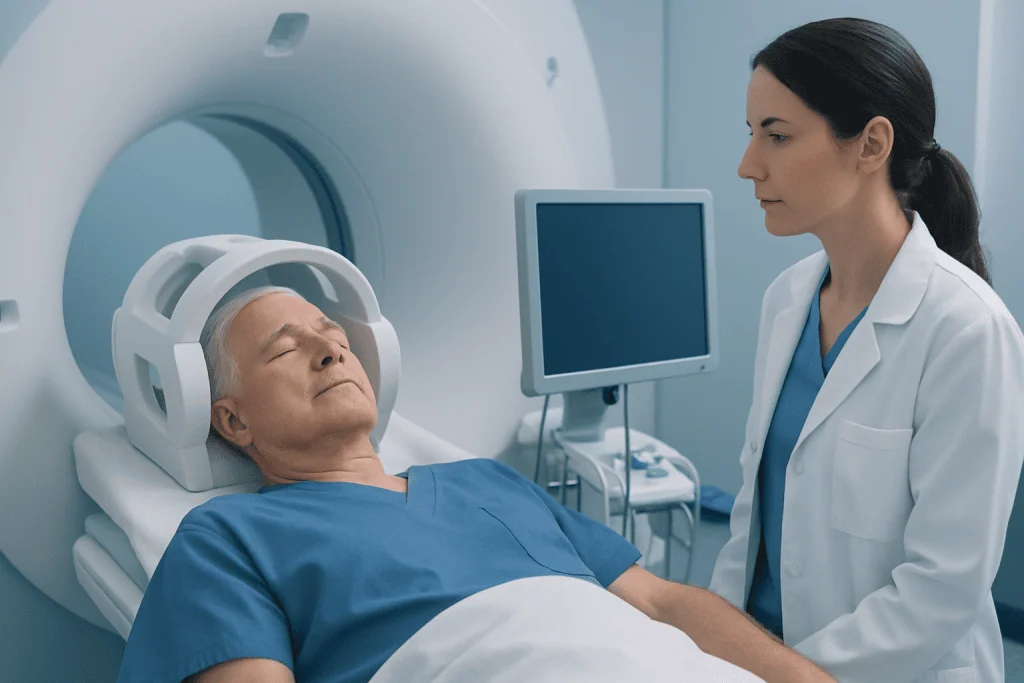
Additional tests depend on the suspected condition. Cognitive screening or formal neuropsychological testing may be used for memory and thinking problems. Blood tests can help rule out other causes of similar symptoms, such as thyroid disease, vitamin deficiencies, infection, or metabolic problems. Brain imaging, especially MRI, may look for patterns of brain changes or exclude other structural causes.
In selected cases, more specialized evaluation may be needed, such as neurological examination by a movement disorder or dementia specialist, MRI scanning, sleep assessment, genetic counseling, or swallowing studies. The goal is not only to name the condition, but also to understand which symptoms are present and what kind of support will be most useful. Because some symptoms can resemble stroke, depression, medication side effects, or other neurological disorders, careful assessment is important.
Treatment Options and Supportive Care
While many neurodegenerative diseases cannot yet be cured, treatment can still make a meaningful difference. Care usually focuses on relieving symptoms, maintaining function, improving safety, and supporting emotional wellbeing. The treatment plan depends on the diagnosis and may include medications for memory, movement, mood, sleep, muscle stiffness, tremor, or behavioral symptoms when appropriate.
Rehabilitation is often a central part of care. Physical therapy may help with balance, walking, strength, and fall prevention. Occupational therapy can support dressing, cooking, home safety, and energy conservation. Speech and language therapy may help with communication, voice changes, or swallowing difficulties. Some people also benefit from nutrition guidance, counseling, and structured exercise programs. In appropriate cases, physical therapy and rehabilitation and speech and language therapy can be important parts of long-term management.
As the disease progresses, care needs may change. Planning ahead can help families arrange practical support, monitor driving safety, discuss work and financial decisions, and address home adaptations. Near the end of the care journey, symptom control and quality of life remain the main priorities. For international patients, Acibadem International’s multidisciplinary specialists in JCI-accredited hospitals diagnose and treat neurodegenerative conditions with coordinated neurological and rehabilitative care.
Prevention and Self-Care for Brain Health
There is no guaranteed way to prevent all neurodegenerative diseases, but healthy habits may support brain and nerve health over time. Regular physical activity, adequate sleep, social engagement, mentally stimulating activities, and a balanced diet may all be helpful. Managing hearing problems, staying active, and reducing isolation can also support cognitive health in later life.
Control of vascular risk factors is especially important. High blood pressure, diabetes, high cholesterol, obesity, and smoking can affect blood flow to the brain and may increase the burden of cognitive decline. Limiting alcohol, protecting the head from injury, and reviewing medications with a clinician are sensible general steps.
For people already diagnosed, self-care means building routines that support safety and independence. This may include using reminder tools, simplifying the home environment, exercising within safe limits, eating regularly, and keeping follow-up appointments. Caregivers also need support, rest, and clear information, since these conditions often affect the whole family as much as the individual.
When to See a Doctor
A doctor should evaluate any persistent change in memory, movement, speech, balance, or behavior, especially if it is gradually worsening or affecting work, driving, finances, or self-care. Early assessment is also important when symptoms are noticed by family members, even if the person feels otherwise well. Many neurological conditions can look similar at first, and some may be treatable or reversible.
Urgent medical attention is needed for sudden neurological symptoms such as abrupt confusion, sudden weakness, facial drooping, new seizure, severe headache, or sudden loss of speech, since these may suggest stroke or another emergency rather than a slowly progressive degenerative disorder. Progressive swallowing difficulty, repeated falls, choking, or major weight loss also deserve prompt review.
If a diagnosis has already been made, follow-up matters whenever symptoms change, new side effects appear, or caregiving becomes more difficult. Specialist review may help adjust treatment, arrange rehabilitation, or consider further testing. Seeking help early is not overreacting; it is a practical step toward clearer answers and better support.
Frequently asked questions
What are neurodegenerative diseases?
Neurodegenerative diseases are disorders in which nerve cells in the brain or nervous system gradually become damaged and stop working properly. Depending on the area affected, they can lead to memory loss, movement problems, speech changes, or behavior changes.
What are the earliest warning signs to watch for?
Early signs vary by condition, but common examples include increasing forgetfulness, tremor, slowed movement, balance problems, speech difficulty, swallowing issues, or noticeable changes in mood and personality. Symptoms that persist or gradually worsen should be checked by a doctor.
Is memory loss always a sign of Alzheimer’s disease?
No. Memory problems can have many causes, including stress, depression, sleep disorders, medication effects, vitamin deficiencies, thyroid problems, or other forms of dementia. A medical evaluation is important to find the true cause.
Can younger adults develop neurodegenerative diseases?
Yes, although many are more common in older adults. Some forms of Parkinson’s disease, dementia, ALS, and inherited conditions such as Huntington’s disease can begin earlier in life.
Are neurodegenerative diseases curable?
Many are not currently curable, but treatment can still help manage symptoms and maintain quality of life. Rehabilitation, medication, supportive care, and regular follow-up can all play an important role.
How are neurodegenerative diseases different from normal aging?
Normal aging may bring mild slowing or occasional forgetfulness, but it does not usually cause steady loss of independence or major personality, language, or movement changes. When symptoms interfere with daily life or continue to progress, they should not be dismissed as normal aging.
References
- World Health Organization
- National Institute on Aging
- National Institute of Neurological Disorders and Stroke
- Alzheimer's Association
- Parkinson's Foundation
This article is for general information only and is not a substitute for professional medical advice. Please consult a qualified doctor about your individual situation.
Neurodegenerative Diseases in Turkey — costs, top hospitals & a free quote
JCI-accredited · board-certified surgeons · reply within 24h
Add us as a Preferred Source to see more of our trusted health content across Google Search, AI Overviews and Discover.
Check your numbers in seconds
BMI, calories, due date, blood pressure and 30+ more clinical calculators — free, instant, doctor-reviewed ranges.

Physical Medicine & Rehabilitation
Restoring movement and function after injury, surgery or neurological conditions.
150 specialists in this unit