Thrombocytopenia — Explained by Medical Evidence, Not Myths

Thrombocytopenia means there are fewer platelets than normal in the blood. It can be mild and found by chance, or it can cause bruising, nosebleeds, or other bleeding symptoms.
Key Takeaways
- Thrombocytopenia means there are fewer platelets than normal in the blood.
- It can be mild and found by chance, or it can cause bruising, nosebleeds, or other bleeding symptoms.
- Common causes include infections, medicines, alcohol use, immune conditions, liver disease, pregnancy, and bone marrow disorders.
- Diagnosis focuses on confirming the platelet count and identifying the underlying cause.
- Treatment depends on the reason for the low platelet count and how severe the bleeding risk is.
- Urgent medical care is needed for heavy bleeding, blood in stool or urine, severe headache, or signs of internal bleeding.
Thrombocytopenia is the medical term for a low platelet count. Platelets help blood clot, so when levels fall, a person may bruise or bleed more easily, although the cause, severity, and treatment can vary widely.
Overview: what thrombocytopenia means
Thrombocytopenia means a person has fewer platelets in the blood than expected. Platelets are tiny blood components that help form clots, which are important for stopping bleeding after an injury. A low platelet count does not always cause symptoms, but it can make bruising and bleeding more likely.
This term describes a laboratory finding rather than a single disease. In some people, thrombocytopenia is temporary and follows a viral illness or medication change. In others, it signals an underlying condition that needs further evaluation, such as an immune disorder, liver disease, or a problem affecting the bone marrow.
Medical evidence shows that understanding the cause matters more than assumptions or common myths. A low platelet count does not automatically mean cancer, and mild thrombocytopenia does not always require treatment. The most appropriate next step is guided by the platelet level, symptoms, medical history, and other test results.
Symptoms and possible effects
Some people with thrombocytopenia feel completely well and learn about it only after a routine blood test. Others notice signs of easier bleeding. Symptoms often depend on how low the platelet count is, how quickly it fell, and whether another illness is also affecting clotting.
Possible symptoms can include small red or purple spots on the skin called petechiae, easy bruising, bleeding from the gums, frequent nosebleeds, or heavier menstrual bleeding. Cuts may take longer to stop bleeding. In more significant cases, there may be blood in the urine or stool, or prolonged bleeding after dental work or a minor procedure.
Severe thrombocytopenia can increase the risk of internal bleeding, which requires urgent medical attention. Warning signs include black or bloody stools, vomiting blood, coughing up blood, a severe headache, confusion, weakness, vision changes, or bleeding that will not stop. These symptoms do not always mean thrombocytopenia is the cause, but they should never be ignored.
- Common signs: easy bruising, petechiae, nosebleeds, gum bleeding
- Possible menstrual effect: heavier or longer periods
- More serious warning signs: blood in urine or stool, severe headache, persistent bleeding
Causes and risk factors

Thrombocytopenia can happen for three broad reasons: the body may make too few platelets, destroy too many platelets, or trap platelets in an enlarged spleen. This simple framework often helps explain why the same blood test result can have very different meanings from one person to another.
Reduced platelet production may occur with viral infections, vitamin deficiencies, heavy alcohol use, chemotherapy, or bone marrow disorders. Increased platelet destruction can happen when the immune system mistakenly attacks platelets, as in immune thrombocytopenia, or when certain medicines trigger a reaction. Platelets may also be consumed during serious infections or clotting disorders, or become sequestered in the spleen in people with liver disease.
Risk factors depend on the cause. Recent infection, pregnancy, autoimmune disease, chronic liver disease, alcohol misuse, exposure to specific medications, and a personal or family history of blood disorders can all be relevant. Some people develop thrombocytopenia as part of broader hematologic conditions such as anemia or more complex bone marrow problems, which is why the full blood count and blood smear are often reviewed together.
Medication history is especially important. Drugs that can be associated with low platelets include some antibiotics, anti-seizure medicines, heparin, and certain cancer treatments. People should not stop a prescribed medicine on their own, but they should promptly tell a doctor about all prescription drugs, over-the-counter products, and supplements they use.
How doctors diagnose thrombocytopenia
Diagnosis begins by confirming that the platelet count is truly low and not a laboratory artifact. Doctors usually review the complete blood count, ask about symptoms and recent illnesses, and examine the person for bruising, petechiae, enlarged lymph nodes, or an enlarged liver or spleen. A peripheral blood smear can provide important clues about platelet appearance and whether other blood cells are affected.
Further testing depends on the clinical picture. Blood tests may look for infection, inflammation, liver function changes, vitamin deficiencies, or evidence of autoimmune disease. In some cases, doctors evaluate for pregnancy-related conditions, inherited platelet disorders, or medication-induced thrombocytopenia. If there is concern that the bone marrow is not producing cells normally, additional assessment may be needed.
Not every person needs extensive testing or hospital care. Mild thrombocytopenia without symptoms may simply require repeat blood counts and follow-up. But if the platelet count is very low, there is active bleeding, or other blood cell counts are abnormal, more urgent evaluation is usually recommended. When the cause is unclear, specialists may use more advanced blood studies or laboratory testing to guide diagnosis.
Treatment options and what they depend on
There is no single treatment for thrombocytopenia because care is based on the underlying cause. If the platelet count is only mildly reduced and the person has no symptoms, doctors may recommend observation and repeat blood tests. If a medication is suspected, the prescribing clinician may advise stopping or changing it. Treating an infection, correcting a nutritional deficiency, or addressing alcohol-related liver injury may allow the platelet count to recover.
When thrombocytopenia is caused by an immune process, treatment may focus on reducing immune destruction of platelets. Depending on the situation, doctors may consider corticosteroids, immune therapies, or other targeted approaches. If the condition is linked to a more complex blood disorder, care may involve hematology evaluation and sometimes bone marrow transplantation in selected cases.
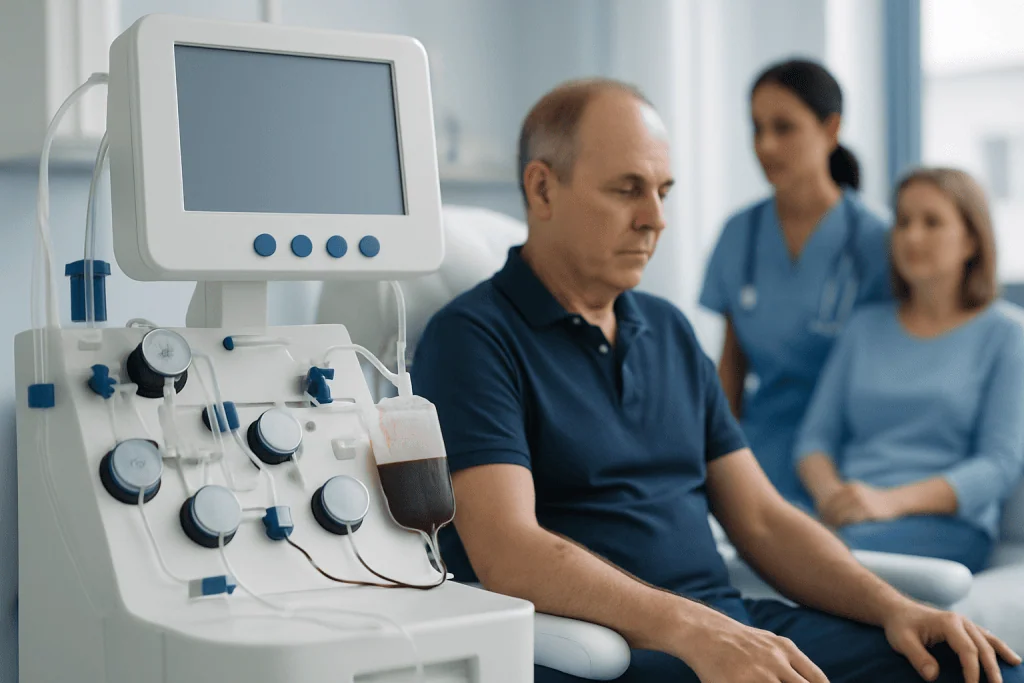
For severe bleeding or a very low platelet count, hospital-based treatment may be needed. This can include platelet transfusion, treatment of the underlying trigger, and close monitoring. In people with related blood disorders or suspected marrow disease, doctors may combine clinical assessment with hematology care and, if appropriate, further procedures such as stem cell transplant planning for carefully selected patients.
The goal of treatment is not only to raise the platelet count but also to reduce bleeding risk safely. Doctors consider symptoms, age, other medical conditions, planned procedures, pregnancy status, and whether the low platelets are likely to be temporary or persistent.
Prevention, self-care, and daily precautions
Not all cases of thrombocytopenia can be prevented, especially when they are due to immune conditions, inherited disorders, or unavoidable medical treatments. Still, practical steps can reduce bleeding risk and support safer daily life while the cause is being evaluated or treated.
People with low platelets are often advised to avoid activities with a high risk of injury, use a soft toothbrush if gum bleeding is a problem, and shave carefully. They should ask a doctor before taking medicines that may affect platelet function or bleeding, such as aspirin, ibuprofen, or certain supplements. Alcohol may worsen platelet problems in some people and may be best limited or avoided, depending on the medical advice given.
Self-care does not replace medical follow-up. Keeping scheduled blood tests, reporting new bruising or bleeding, and carrying an updated medication list can all help. If thrombocytopenia is related to another condition, such as liver disease, infection, or an autoimmune disorder, managing that condition is an important part of prevention and long-term care.
When to seek medical care
A person should seek medical advice if unexplained bruising, petechiae, recurrent nosebleeds, gum bleeding, or unusually heavy periods develop, especially if these symptoms are new. A blood test can help determine whether thrombocytopenia is present and whether other blood cells are also affected.
Urgent medical care is needed for heavy or ongoing bleeding, blood in the urine or stool, vomiting blood, black stools, or any head injury in someone known to have low platelets. Emergency assessment is also important for severe headache, fainting, confusion, weakness, chest pain, or shortness of breath, because these symptoms may suggest serious bleeding or another urgent condition.
Near the end of evaluation or treatment, some people may benefit from care in a center with coordinated expertise in blood disorders. Acibadem International’s multidisciplinary specialists and JCI-accredited hospitals diagnose and treat thrombocytopenia and related conditions for international patients when specialist assessment is needed.
Frequently asked questions
Is thrombocytopenia the same as a bleeding disorder?
Not exactly. Thrombocytopenia means the platelet count is low, and that can increase bleeding risk, but it is only one type of blood-related problem. Some people also have other clotting disorders, while others have low platelets without major bleeding.
Can thrombocytopenia go away on its own?
Yes, it can, depending on the cause. Temporary thrombocytopenia may improve after a viral illness resolves or after a medication is changed under medical supervision. Persistent or unexplained low platelet counts usually need follow-up to find the cause.
What platelet count is considered dangerous?
The level of concern depends on the number itself, how quickly it dropped, and whether the person is bleeding. A very low platelet count can increase the risk of serious bleeding, but symptoms and overall health also matter. A doctor is the best person to explain what a specific result means.
Can thrombocytopenia be caused by stress?
Stress alone is not considered a common direct cause of thrombocytopenia. However, illness, medications, alcohol use, immune conditions, and other medical problems can affect platelet counts. If a low platelet count is found, it should be evaluated rather than assumed to be stress-related.
Should someone with thrombocytopenia avoid exercise?
Not always. Light to moderate activity may still be appropriate for many people, but contact sports or activities with a high risk of falls or injury may need to be avoided. A doctor can recommend the safest level of activity based on the platelet count and bleeding risk.
Can diet raise platelet count quickly?
Diet alone usually does not raise platelet counts quickly unless a nutritional deficiency is part of the cause. Eating a balanced diet and addressing low vitamin B12 or folate levels may help in selected cases. Ongoing or significant thrombocytopenia should not be managed with diet alone.
References
- World Health Organization
- Centers for Disease Control and Prevention
- National Heart, Lung, and Blood Institute
- American Society of Hematology
- MedlinePlus
This article is for general information only and is not a substitute for professional medical advice. Please consult a qualified doctor about your individual situation.
Thrombocytopenia in Turkey — costs, top hospitals & a free quote
JCI-accredited · board-certified surgeons · reply within 24h
Add us as a Preferred Source to see more of our trusted health content across Google Search, AI Overviews and Discover.