Thyroid Cancer: Nodules, Biopsy, and Treatment Choices

Most thyroid nodules are benign, but certain ultrasound features or growth patterns may require fine needle aspiration biopsy. The main thyroid cancer types include papillary, follicular, medullary, and anaplastic thyroid cancer, each with different treatment needs.
Key Takeaways
- Most thyroid nodules are benign, but certain ultrasound features or growth patterns may require fine needle aspiration biopsy.
- The main thyroid cancer types include papillary, follicular, medullary, and anaplastic thyroid cancer, each with different treatment needs.
- Treatment may include surgery, thyroid hormone therapy, radioactive iodine, targeted therapy, external beam radiation, or active surveillance in selected low-risk cases.
- Long-term follow-up is important because thyroid cancer can sometimes recur years after treatment.
- A multidisciplinary team can help balance cancer control, voice and calcium gland protection, hormone replacement, and quality of life.
Thyroid cancer often begins as a thyroid nodule, but most nodules are not cancer. Careful ultrasound evaluation, biopsy when appropriate, and individualized treatment help doctors choose the safest and most effective plan.
Overview
Thyroid cancer is a disease in which abnormal cells grow in the thyroid gland, a small butterfly-shaped gland at the front of the neck. The thyroid produces hormones that help regulate metabolism, body temperature, heart rate, and energy use. Many thyroid cancers are found when a person or doctor notices a thyroid nodule, or when imaging done for another reason shows a small lump in the gland.
A thyroid nodule is not the same as thyroid cancer. Nodules are common, and most are benign, meaning they are not cancer. Some are fluid-filled cysts, some are overgrowths of normal thyroid tissue, and some produce too much thyroid hormone. A smaller group of nodules are malignant and need cancer-directed care.
Thyroid cancer is not a single condition. The most common types, papillary and follicular thyroid cancers, often grow slowly and can be treated successfully with surgery and careful follow-up. Other types, such as medullary and anaplastic thyroid cancer, are less common and require more specialized evaluation and treatment planning. The best approach depends on the cancer type, size, spread, genetic features, overall health, and the patient’s preferences.
Symptoms and Warning Signs
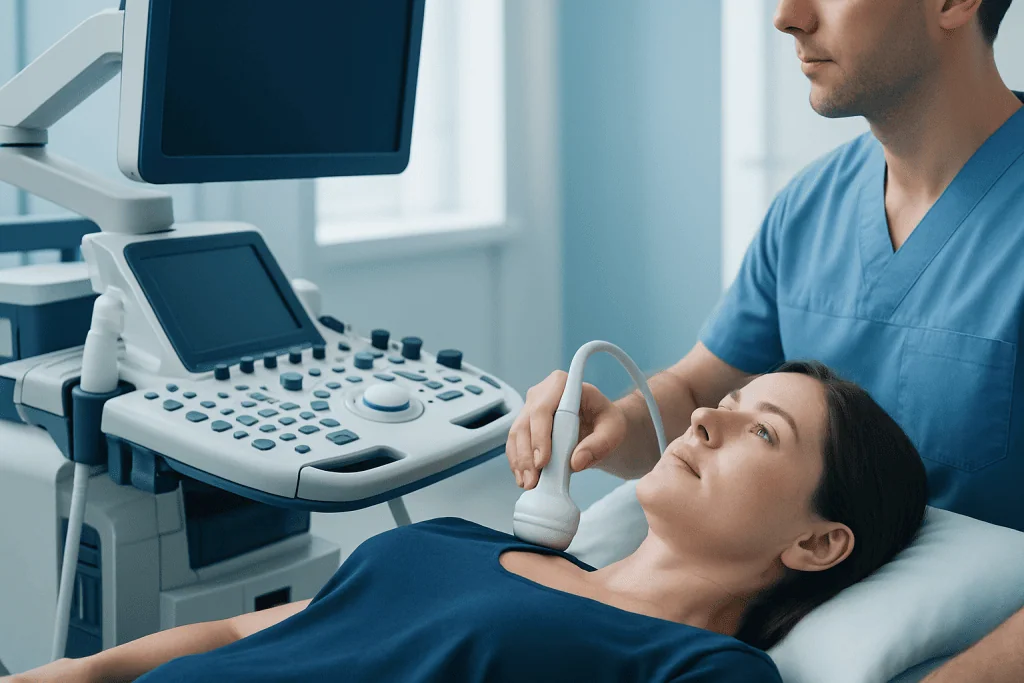
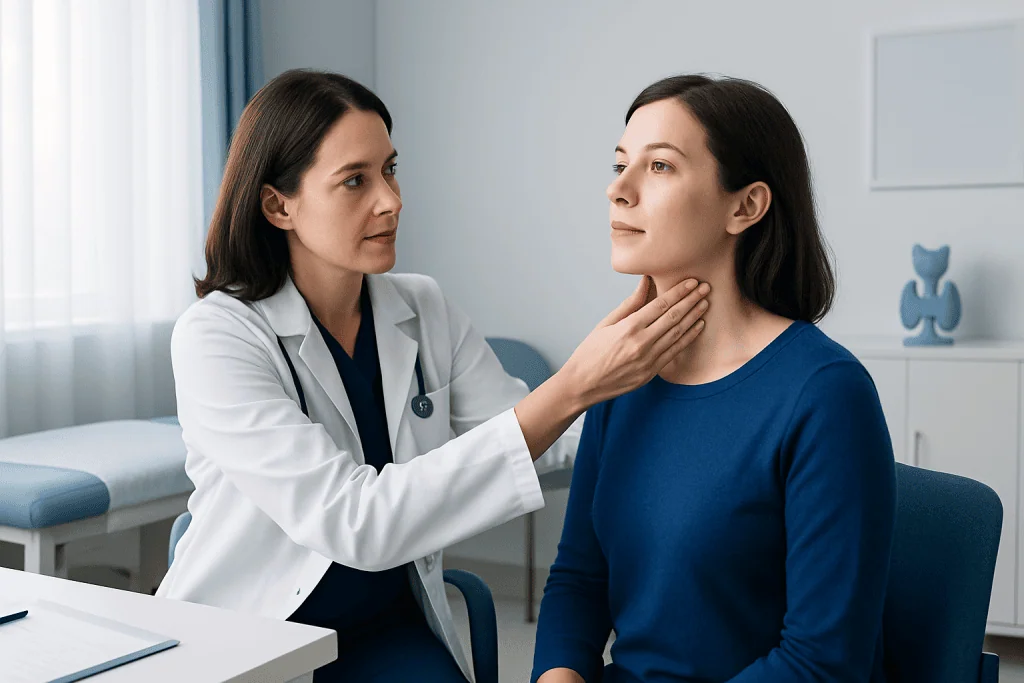
Many people with thyroid nodules or early thyroid cancer have no symptoms. A nodule may be discovered during a routine neck examination, thyroid ultrasound, CT scan, MRI, or carotid ultrasound. When symptoms do occur, they are usually related to the size or location of the nodule rather than to cancer itself.
Possible signs include a lump or swelling in the front of the neck, a feeling of pressure in the throat, difficulty swallowing, hoarseness, or a persistent change in voice. Some people notice enlarged lymph nodes in the neck. Pain is uncommon, but discomfort can occur if a nodule grows quickly, bleeds internally, or presses on nearby structures.
Symptoms do not reliably distinguish benign from cancerous nodules. For example, many benign nodules can cause neck fullness, while small thyroid cancers may cause no symptoms at all. This is why doctors use a structured assessment that includes medical history, physical examination, blood tests, ultrasound features, and sometimes biopsy.
Thyroid Nodules: What Doctors Look For
When a thyroid nodule is found, the first step is usually a detailed thyroid ultrasound. Ultrasound shows the nodule’s size, shape, edges, internal structure, blood flow, and whether there are suspicious lymph nodes nearby. It can also show whether the nodule is solid, cystic, or mixed. These details help doctors decide whether the nodule can be monitored or should be sampled with a biopsy.
Features that may increase concern include irregular borders, marked darkness on ultrasound, tiny calcium deposits, a taller-than-wide shape, extension outside the thyroid, or abnormal lymph nodes. Features such as a purely cystic nodule or a spongiform appearance are more often associated with benign disease. Nodule size matters, but ultrasound appearance is often just as important in deciding next steps.
Blood tests are also helpful. Thyroid-stimulating hormone, or TSH, is commonly checked to assess thyroid function. If TSH is low, the nodule may be producing excess hormone, and a nuclear medicine thyroid scan may be considered. Nodules that are clearly overactive are less likely to be cancer, although they may still need treatment for hyperthyroidism.
Doctors also ask about risk factors. These may include a history of radiation exposure to the head and neck, a family history of thyroid cancer, inherited endocrine syndromes, rapid nodule growth, or previous thyroid disease. However, many people diagnosed with thyroid cancer have no obvious risk factor.
Biopsy and Diagnosis
The most common biopsy for a thyroid nodule is fine needle aspiration, often called FNA. During this procedure, a thin needle is guided into the nodule, usually with ultrasound, to collect cells for examination under a microscope. It is typically performed as an outpatient procedure and usually does not require general anesthesia.
FNA results are often reported using a standardized system that places the sample into categories such as benign, malignant, suspicious, or indeterminate. A benign result usually means the nodule can be followed with ultrasound, although repeat biopsy may be recommended if it grows or develops new suspicious features. A malignant or suspicious result usually leads to a discussion about surgery and additional staging tests.
Indeterminate results are common enough to deserve special attention. They mean the cells do not look clearly benign or clearly malignant. In this situation, the doctor may recommend repeat biopsy, molecular testing of the biopsy sample, diagnostic surgery, or observation depending on the nodule’s size, ultrasound appearance, patient risk factors, and local expertise.
If cancer is diagnosed, further evaluation focuses on the type and extent of disease. Neck ultrasound is used to assess lymph nodes. In selected cases, CT, MRI, PET imaging, laryngoscopy to check vocal cord function, blood calcitonin testing for suspected medullary cancer, or genetic testing may be recommended. Not every patient needs every test; the workup is tailored to the clinical situation.
Types and Staging of Thyroid Cancer
Papillary thyroid cancer is the most common type. It often grows slowly and may spread to lymph nodes in the neck, but many cases remain highly treatable. Follicular thyroid cancer is less common and is more likely than papillary cancer to spread through the bloodstream to distant sites such as bone or lung, although many cases are still managed effectively.
Medullary thyroid cancer begins in the C cells of the thyroid, which produce calcitonin. It may occur sporadically or as part of an inherited condition such as multiple endocrine neoplasia. Because of this, patients with medullary thyroid cancer are often evaluated with calcitonin testing, genetic counseling, and testing for specific gene changes when appropriate.
Anaplastic thyroid cancer is rare and behaves more aggressively than other thyroid cancers. It requires rapid evaluation by a specialized team and may involve a combination of surgery, radiation therapy, systemic therapy, and supportive care. Other rare thyroid cancers and lymphomas can also occur in the thyroid and require different treatment approaches.
Staging describes how large the cancer is and whether it has spread to lymph nodes or distant organs. For most thyroid cancers, staging also considers age and cancer type. Risk assessment is used alongside staging to estimate the chance of recurrence and to guide decisions about radioactive iodine, intensity of follow-up, and whether additional treatments are needed.
Treatment Options
Treatment is individualized. For many patients, surgery is the main treatment. A lobectomy removes one side of the thyroid and may be sufficient for selected small, low-risk cancers. A total thyroidectomy removes nearly all thyroid tissue and may be recommended for larger cancers, cancers in both lobes, certain high-risk features, or when radioactive iodine therapy is likely to be needed. If lymph nodes are involved, lymph node removal may be performed at the same time.
One goal of thyroid surgery is to remove cancer while protecting important nearby structures, especially the recurrent laryngeal nerves that affect the voice and the parathyroid glands that help control calcium levels. Patients should discuss the extent of surgery, expected recovery, voice considerations, scar placement, calcium monitoring, and whether lifelong thyroid hormone replacement will be needed. After total thyroidectomy, thyroid hormone medication is necessary; after lobectomy, some patients still need it depending on thyroid function.
Radioactive iodine may be recommended after surgery for certain differentiated thyroid cancers, mainly papillary and follicular types. It is used to destroy remaining thyroid tissue or treat iodine-avid cancer cells. Not every patient needs radioactive iodine, especially those with very low-risk disease. Decisions are based on tumor size, spread, pathology findings, postoperative thyroglobulin levels, and overall recurrence risk.
Other treatment choices may include active surveillance, external beam radiation therapy, chemotherapy in selected cases, or targeted therapies for advanced cancers with specific molecular changes. Active surveillance may be an option for some very small, low-risk papillary thyroid cancers that are not close to critical structures and show no evidence of spread. This approach requires regular ultrasound follow-up and a clear plan to treat if the cancer grows or changes.
Follow-up, Prevention, and Self-care
Follow-up after thyroid cancer treatment is important because recurrence can sometimes occur even years later. The follow-up plan may include physical examinations, thyroid function tests, thyroglobulin blood tests for differentiated thyroid cancer, calcitonin and CEA tests for medullary cancer, and periodic neck ultrasound. Imaging beyond ultrasound is used when blood tests, symptoms, or exam findings suggest it is needed.
Thyroid hormone therapy may serve two purposes after treatment: replacing the hormone the body needs and, in some patients, lowering TSH to reduce stimulation of remaining thyroid cancer cells. The target TSH level is individualized. Too much thyroid hormone can affect the heart and bones, while too little can cause fatigue, weight changes, and cold intolerance, so regular monitoring is essential.
There is no guaranteed way to prevent most thyroid cancers. General self-care includes attending follow-up visits, taking thyroid medication consistently as prescribed, reporting new neck lumps or voice changes, and informing doctors about any family history of thyroid or endocrine cancers. A balanced diet with appropriate iodine intake supports thyroid health, but supplements should not be used to treat thyroid nodules or cancer unless recommended by a qualified clinician.
Emotional well-being also matters. Even when thyroid cancer has a favorable outlook, the diagnosis can bring uncertainty about surgery, hormone treatment, fertility, work, travel, or long-term monitoring. Patients benefit from clear information, shared decision-making, and support from endocrinologists, endocrine surgeons, oncologists, nuclear medicine specialists, pathologists, radiologists, nurses, and rehabilitation professionals when needed.
When to See a Doctor
A person should arrange a medical evaluation if they notice a new lump in the neck, a thyroid nodule found on imaging, persistent hoarseness, difficulty swallowing, a feeling of pressure in the throat, or enlarged neck lymph nodes. Most of these symptoms have non-cancer causes, but they should be assessed properly, especially if they persist or progress.
Patients already diagnosed with a thyroid nodule should keep recommended ultrasound and blood test appointments. They should contact their doctor if the nodule seems to enlarge, new symptoms develop, or biopsy results are unclear and they have questions about next steps. A second opinion may be helpful when treatment choices include active surveillance versus surgery, lobectomy versus total thyroidectomy, or whether radioactive iodine is needed.
People with a family history of medullary thyroid cancer, multiple endocrine neoplasia, or known inherited thyroid cancer syndromes should seek specialist guidance, even if they have no symptoms. Genetic counseling may help clarify risks for the patient and relatives.
For international patients seeking coordinated evaluation, Acibadem International provides access to multidisciplinary specialists and JCI-accredited hospitals that diagnose and treat thyroid cancer. The most appropriate care plan should always be based on an individual consultation, pathology review, and discussion of benefits and risks.
Frequently asked questions
Are most thyroid nodules cancer?
No. Most thyroid nodules are benign and do not become cancer. Doctors use ultrasound features, thyroid blood tests, medical history, and sometimes biopsy to decide which nodules need closer evaluation.
When is a thyroid biopsy needed?
A thyroid biopsy is usually recommended when a nodule reaches a certain size and has ultrasound features that raise concern. Very small or clearly low-risk nodules may be monitored instead. The decision should be individualized by a clinician experienced in thyroid ultrasound assessment.
Is fine needle aspiration painful?
Fine needle aspiration is generally well tolerated. Patients may feel pressure or a brief sting, and mild soreness or bruising can occur afterward. It is usually done with ultrasound guidance and does not typically require general anesthesia.
Does every thyroid cancer require total thyroid removal?
No. Some small, low-risk thyroid cancers can be treated with removal of one thyroid lobe, and selected very low-risk cases may be monitored with active surveillance. Total thyroidectomy may be recommended for larger cancers, disease in both lobes, higher-risk features, or when radioactive iodine is planned.
Will a patient need thyroid hormone medication after treatment?
After total thyroidectomy, lifelong thyroid hormone replacement is necessary. After lobectomy, some patients still produce enough hormone from the remaining thyroid tissue, while others need medication. Blood tests guide the correct treatment plan.
What is radioactive iodine therapy?
Radioactive iodine is a treatment used for certain differentiated thyroid cancers, mainly papillary and follicular types. Thyroid cells absorb iodine, so the treatment can target remaining thyroid tissue or iodine-absorbing cancer cells. It is not needed for every patient and is not used for all thyroid cancer types.
Can thyroid cancer come back after treatment?
Yes, recurrence is possible, which is why long-term follow-up is important. Many recurrences are detected through blood tests or neck ultrasound before they cause symptoms. The follow-up schedule depends on cancer type, stage, treatment received, and ongoing risk assessment.
References
- American Thyroid Association
- National Cancer Institute
- European Society for Medical Oncology
- American Cancer Society
- World Health Organization
This article is for general information only and is not a substitute for professional medical advice. Please consult a qualified doctor about your individual situation.
Thyroid Cancer in Turkey — costs, top hospitals & a free quote
JCI-accredited · board-certified surgeons · reply within 24h
Add us as a Preferred Source to see more of our trusted health content across Google Search, AI Overviews and Discover.
Check your numbers in seconds
BMI, calories, due date, blood pressure and 30+ more clinical calculators — free, instant, doctor-reviewed ranges.

Medical Oncology Department
Medical treatment of cancer with chemotherapy, immunotherapy and targeted therapies under a multidisciplinary tumor board.
60 specialists in this unit