Thyroid Cancer Surgery: What to Expect Before and After

Thyroid cancer surgery may involve removing part or all of the thyroid gland, depending on the cancer type, size, and spread. Pre-operative testing helps surgeons plan the safest and most effective procedure.
Key Takeaways
- Thyroid cancer surgery may involve removing part or all of the thyroid gland, depending on the cancer type, size, and spread.
- Pre-operative testing helps surgeons plan the safest and most effective procedure.
- Most people recover well, but temporary soreness, voice changes, and low calcium symptoms can occur after surgery.
- Some patients need lifelong thyroid hormone replacement after total thyroid removal.
- Regular follow-up is important to monitor healing, hormone levels, and any signs of recurrence.
Thyroid cancer surgery is a common treatment used to remove part or all of the thyroid gland, often with excellent outcomes when planned carefully and followed by appropriate aftercare. Understanding each step before and after surgery can help patients feel more prepared, informed, and reassured.
Overview of Thyroid Cancer Surgery
Thyroid cancer surgery is one of the main treatments for cancers that begin in the thyroid gland. The thyroid is a small, butterfly-shaped gland in the front of the neck that makes hormones helping regulate metabolism, energy use, body temperature, and other essential functions. When cancer develops in this gland, surgery is often recommended to remove the tumor and reduce the chance of the disease remaining or returning.
The exact operation depends on the type of thyroid cancer, the size and location of the tumor, whether one or both sides of the thyroid are affected, and whether nearby lymph nodes are involved. In some cases, the surgeon removes only one lobe of the thyroid, called a lobectomy. In other cases, the whole gland is removed, which is called a total thyroidectomy. Some patients also need lymph node removal from the central or side areas of the neck.
For many people, surgery is only one part of overall thyroid cancer care. The treatment plan may also include hormone therapy, radioactive iodine in selected cases, and long-term monitoring with blood tests and imaging. A specialist team usually helps decide which approach best matches the individual diagnosis.
Who May Need Surgery and Why
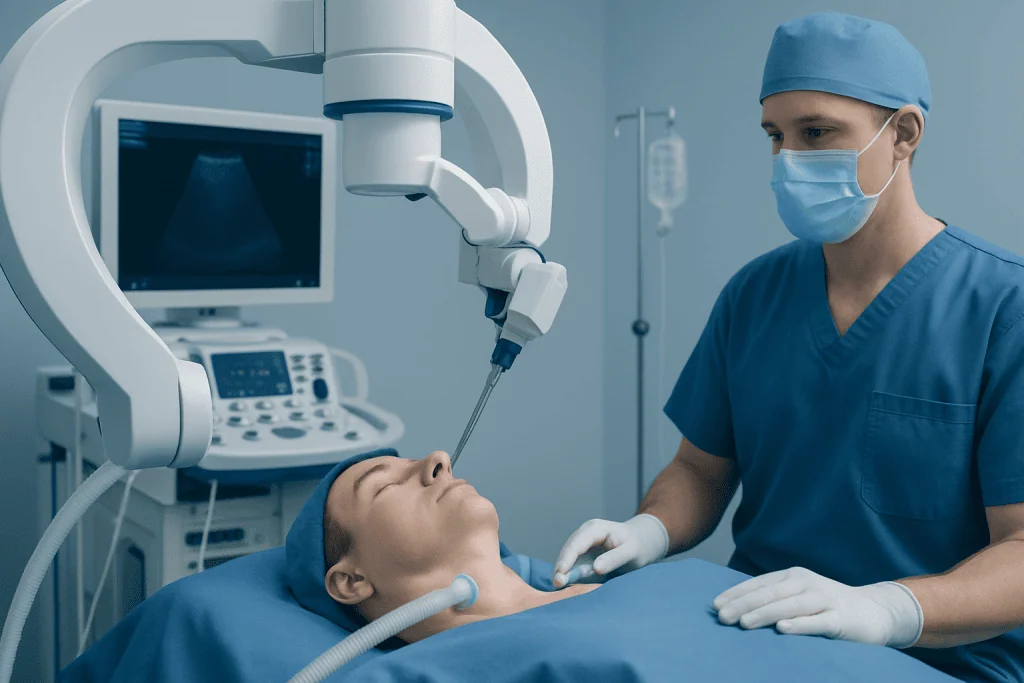
Surgery is commonly advised for papillary thyroid cancer, follicular thyroid cancer, and many other thyroid malignancies. It may also be recommended when a thyroid nodule is strongly suspicious for cancer, even if the final diagnosis is not confirmed until after removal. The goals of surgery are to remove the cancer, stage the disease accurately, and help guide any additional treatment.
Not every patient needs the same extent of surgery. A small, low-risk cancer confined to one lobe may sometimes be treated with removal of only that side of the thyroid. Larger tumors, cancers in both lobes, aggressive subtypes, or tumors that have spread outside the thyroid often require total thyroidectomy. If imaging or biopsy suggests cancer in the lymph nodes, neck dissection may be performed at the same time.
The decision is individualized. Doctors consider the pathology, ultrasound findings, age, general health, prior radiation exposure, family history, and patient preferences. The aim is to balance effective cancer treatment with preservation of normal function whenever safely possible.
What to Expect Before Surgery

Before thyroid cancer surgery, patients usually have a careful pre-operative assessment. This often includes a medical history, physical examination, blood tests to check thyroid function and general health, and a neck ultrasound to define the thyroid gland and nearby lymph nodes. If needed, further scans or biopsy results help clarify how far the disease may have spread.
The surgeon explains the planned procedure, possible alternatives, expected benefits, and potential risks. Common topics include scarring, temporary neck discomfort, voice changes, low calcium levels, need for hormone replacement, and whether additional treatment may be needed later. This discussion helps patients give informed consent and prepare practically and emotionally.
Patients are usually advised when to stop eating and drinking before the operation and whether any medicines should be adjusted. Blood thinners, some supplements, and other medications may need special instructions. It is often helpful to arrange transportation home, prepare soft foods for the first few days, and plan time away from work or strenuous activity while healing.
In some centers, patients may also meet specialists in endocrinology, anesthesia, or speech and swallowing care. When appropriate, evaluation by teams experienced in thyroid cancer treatment can help coordinate surgery and follow-up in a structured way.
How the Operation Is Performed
Thyroid surgery is usually performed under general anesthesia, so the patient is asleep and does not feel pain during the procedure. The surgeon typically makes an incision low in the front of the neck, in a natural skin crease when possible. Through this incision, the thyroid gland is carefully exposed and the planned portion is removed.
During the operation, the surgical team pays close attention to important nearby structures. These include the recurrent laryngeal nerves, which help control the vocal cords, and the parathyroid glands, which help regulate calcium levels in the body. Protecting these structures is an important part of reducing the risk of complications.
If lymph nodes need to be removed, that may be done during the same operation. The length of surgery depends on whether one lobe or the entire thyroid is removed and whether neck dissection is required. Some patients go home the same day, while others stay in the hospital overnight or longer for observation, especially after more extensive procedures.
Recovery After Thyroid Cancer Surgery
Most people experience mild to moderate discomfort in the neck and throat after surgery. Swallowing may feel slightly uncomfortable for a few days, and there may be temporary tightness, numbness, or stiffness around the incision. Fatigue is also common early in recovery, especially in the first week. These symptoms usually improve steadily with time.
The incision is generally closed in a way that supports healing and minimizes visible scarring. Patients are usually given instructions on showering, wound care, activity, and when to return for review. Gentle walking is often encouraged soon after surgery, but heavy lifting and strenuous exercise may need to wait until the surgeon confirms it is safe.
One of the main things doctors monitor after thyroid surgery is calcium level. If the parathyroid glands are temporarily affected, symptoms of low calcium may include tingling around the mouth, tingling in the fingers, or muscle cramps. Patients are told to contact their care team if these symptoms appear. Some people may need temporary calcium supplements, and a smaller number need longer treatment.
Voice changes can also happen after surgery. Many are mild and temporary, caused by swelling or irritation around the vocal cords. If hoarseness lasts, doctors may recommend examination of the vocal cords and, when useful, support from specialists in voice disorders treatment. Patients recovering from more extensive neck procedures may also benefit from rehabilitation guidance for neck mobility and overall recovery.
Possible Risks and Long-Term Effects
Like any operation, thyroid cancer surgery has potential risks, but serious complications are uncommon in experienced hands. Possible risks include bleeding, infection, fluid collection, temporary or permanent voice changes, low calcium levels, and the need for a second operation if final pathology shows additional treatment is required. The care team discusses these risks in relation to the individual case before surgery.
If the entire thyroid gland is removed, the body can no longer make enough thyroid hormone on its own. In that situation, lifelong thyroid hormone replacement is usually needed. This medication helps the body function normally and may also be used strategically to reduce stimulation of any remaining thyroid cancer cells. Regular blood tests help doctors adjust the dose over time.
Long-term follow-up is an important part of care. Depending on the cancer type and risk level, this may include physical examinations, blood tests such as thyroid-stimulating hormone and tumor markers, neck ultrasound, and sometimes other imaging. These visits help confirm that recovery is progressing well and that there is no evidence of persistent or recurrent disease.
Self-Care, Follow-Up, and When to Seek Medical Advice
Good recovery after thyroid cancer surgery involves both medical follow-up and everyday self-care. Patients are usually encouraged to rest, stay hydrated, eat nourishing meals, and gradually return to normal activities. It can help to keep the head elevated for comfort during the first days and to protect the scar from direct sun exposure as it heals. Taking medicines exactly as prescribed is especially important if thyroid hormone or calcium supplements are needed.
Follow-up appointments allow doctors to review the pathology report, confirm whether the cancer was fully removed, and decide if further treatment is necessary. Some patients may be referred for oncology follow-up or other specialist care depending on the cancer stage and subtype. Ongoing communication with the care team helps answer questions about energy levels, work, exercise, and future monitoring.
Patients should seek medical advice promptly if they develop increasing neck swelling, trouble breathing, fever, drainage from the wound, worsening pain, persistent vomiting, severe tingling or muscle cramps, or hoarseness that does not improve. These symptoms do not always signal a serious problem, but they deserve timely review.
For international patients, Acibadem International’s multidisciplinary specialists and JCI-accredited hospitals diagnose and treat thyroid cancer using coordinated surgical, endocrine, and follow-up care. A clear treatment plan and regular monitoring can help patients move through recovery with greater confidence.
Frequently asked questions
How long does it take to recover from thyroid cancer surgery?
Initial recovery often takes one to two weeks, although energy levels may take longer to fully return. The exact timeline depends on the extent of surgery, whether lymph nodes were removed, and the person's general health.
Will a person need thyroid hormone after surgery?
If the whole thyroid gland is removed, thyroid hormone replacement is usually needed for life. If only one lobe is removed, some people still make enough hormone naturally, but blood tests are used to check this over time.
Is thyroid cancer surgery considered major surgery?
It is a significant operation performed under general anesthesia, but it is also a well-established procedure with predictable recovery for most patients. The level of complexity depends on whether surgery involves one lobe, the whole thyroid, or nearby lymph nodes.
Can thyroid cancer surgery affect the voice?
Yes, temporary hoarseness or voice fatigue can happen after surgery because of swelling or irritation near the vocal cords. Permanent voice problems are less common, especially when surgery is performed by experienced teams.
Will there be a visible scar after thyroid surgery?
There is usually a scar at the lower front of the neck, but it often fades with time. Surgeons typically place the incision in a natural skin crease when possible to help the scar heal more discreetly.
What happens after the thyroid is removed for cancer?
After surgery, doctors monitor healing, calcium levels, and thyroid hormone status. The pathology report helps determine whether additional treatment, such as radioactive iodine or closer surveillance, may be recommended.
References
- American Thyroid Association
- National Cancer Institute
- National Health Service
- European Society for Medical Oncology
This article is for general information only and is not a substitute for professional medical advice. Please consult a qualified doctor about your individual situation.
Thyroid Cancer in Turkey — costs, top hospitals & a free quote
JCI-accredited · board-certified surgeons · reply within 24h
Add us as a Preferred Source to see more of our trusted health content across Google Search, AI Overviews and Discover.

More from the Health Library



Related Specialists
Dr. Mesut Fatih
Orthopedic Surgery & Traumatology
Gülşah Kalaycı
Physical Medicine & Rehabilitation
Dr. Zeynep Cansu Aladağ
Gynecology & Obstetrics
Dt. Nadin Gemrekoğlu
Oral & Dental Health