Tingling Sensation in Head and Back: An Evidence-Based Guide for Patients

Tingling in the head and back can come from nerve irritation, muscle tension, posture, anxiety, migraine, or medical conditions affecting the brain, spine, or circulation. Brief tingling that improves with rest or position change is often less concerning than symptoms that are sudden, severe, recurrent, or progressive.
Key Takeaways
- Tingling in the head and back can come from nerve irritation, muscle tension, posture, anxiety, migraine, or medical conditions affecting the brain, spine, or circulation.
- Brief tingling that improves with rest or position change is often less concerning than symptoms that are sudden, severe, recurrent, or progressive.
- Warning signs include weakness, trouble speaking, facial droop, loss of balance, severe headache, fever, or loss of bladder or bowel control.
- Diagnosis may involve a physical and neurological exam, blood tests, and imaging depending on the pattern of symptoms.
- Treatment focuses on the cause and may include posture changes, physical therapy, stress management, medication, or specialist care.
A tingling sensation in head and back is usually a form of paresthesia, an abnormal feeling that can happen when nerves are irritated, compressed, or temporarily affected by stress, posture, migraine, or other medical conditions. While many cases are not dangerous, persistent, worsening, or one-sided symptoms should be assessed by a qualified doctor.
What a tingling sensation in head and back usually means
A tingling sensation in head and back often reflects paresthesia, a term doctors use for unusual feelings such as pins and needles, crawling, buzzing, prickling, or mild burning. In many people, this happens when a nerve is irritated or compressed for a short time, such as after poor posture, muscle tension, or prolonged pressure on the neck or upper back. It can also happen during stress, anxiety, or a migraine episode.
The symptom itself is not a diagnosis. What matters most is where the tingling occurs, how long it lasts, what triggers it, and whether other symptoms appear with it. Tingling limited to the scalp, neck, shoulders, or upper back may have a different explanation than tingling that spreads down an arm or affects one whole side of the body.
Sometimes the head and back are linked by the nervous system. Nerves travel from the brain through the spinal cord and out into the neck, shoulders, trunk, and limbs. That is why conditions affecting the cervical spine, peripheral nerves, migraine pathways, or the central nervous system can all create sensations that seem to involve both the head and the back.
Most cases are manageable once the cause is identified. Still, new or persistent symptoms deserve attention, especially if they interfere with daily life or occur with weakness, numbness, severe pain, or neurological changes.
How the sensation can feel and what patterns matter
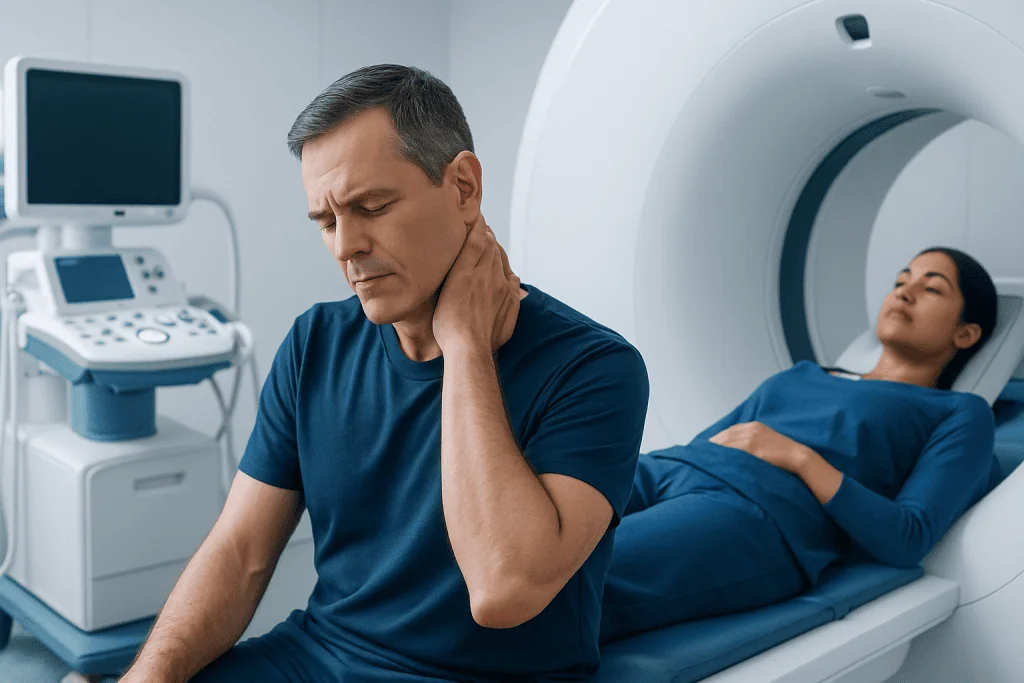
People describe this symptom in different ways. Some notice a light pins-and-needles feeling on the scalp with tightness between the shoulder blades. Others feel tingling at the back of the head that radiates down the neck or upper spine. The sensation may come and go, appear after desk work, or happen during periods of emotional stress or fatigue.
Doctors often look for patterns because they help narrow the possibilities. Tingling that starts after sleeping awkwardly or sitting with the neck bent forward may suggest a posture-related problem. Episodes associated with light sensitivity, nausea, or visual changes can point toward migraine. Symptoms that follow a band-like distribution on one side of the back may suggest a nerve root or skin-related condition.
It is also useful to notice whether tingling occurs alone or together with other symptoms. Important associated features include:
- Neck pain or stiffness
- Back pain, shoulder pain, or muscle spasm
- Headache or pressure in the scalp
- Numbness, burning, or altered skin sensitivity
- Weakness in the arms or legs
- Dizziness, balance problems, or visual changes
- Anxiety, rapid breathing, or a feeling of panic
Keeping a simple symptom diary can help. Recording when the tingling starts, how long it lasts, recent activities, stress levels, sleep quality, and any related symptoms gives useful information for a medical visit.
Common causes of tingling in the head and back

One of the most common explanations is nerve irritation from the neck or upper spine. Tight muscles, poor workstation setup, repetitive strain, or age-related changes in the cervical spine can irritate nerves that supply the scalp, shoulders, and upper back. In some people, this overlaps with a herniated disc, degenerative spine changes, or occipital nerve irritation.
Migraine and tension-related headaches can also cause unusual sensations. A migraine may produce tingling or sensory changes before or during the headache phase. Tension in the neck, scalp, and upper back can create referred discomfort and altered sensation even without a classic migraine pattern.
Anxiety and hyperventilation are another frequent cause. During stress, breathing may become fast and shallow, which can trigger tingling in the face, scalp, hands, chest, or back. This does not mean the symptoms are “imagined”; it means the nervous system and breathing pattern are affecting body sensation.
Other causes include vitamin deficiencies, especially low vitamin B12; certain medications; infections such as shingles; diabetes-related nerve changes; autoimmune or inflammatory disorders; and less commonly conditions that affect the brain or spinal cord, including multiple sclerosis or stroke. Because the range is broad, persistent symptoms should not be self-diagnosed.
Risk factors and warning signs that change the picture
Several factors make tingling more likely. These include long hours at a computer, repetitive neck movement, poor sleep position, recent strain or injury, migraine history, uncontrolled diabetes, heavy alcohol use, nutritional deficiency, and high stress levels. A recent viral illness or rash can also be relevant, especially if tingling is followed by pain or skin changes.
Doctors pay close attention to how quickly symptoms begin. Tingling that develops gradually after posture strain is different from tingling that starts suddenly with major neurological symptoms. Sudden onset can sometimes signal an urgent condition involving the brain, blood vessels, or spinal cord.
Seek prompt medical care if tingling happens with any of the following:
- One-sided weakness or facial droop
- Trouble speaking, understanding, or walking
- A sudden severe headache unlike usual headaches
- Loss of vision or double vision
- Fever, confusion, or stiff neck
- Loss of bladder or bowel control
- Severe back pain after trauma
- Rapidly worsening numbness or spreading weakness
These warning signs do not always mean a serious illness is present, but they do require urgent evaluation. Quick assessment is especially important if stroke or spinal cord compression is a possibility.
How doctors diagnose the cause
Diagnosis begins with a careful history and physical examination. A doctor will ask where the tingling started, whether it spreads, how long episodes last, what triggers them, and whether there is pain, weakness, numbness, headache, or dizziness. Questions about stress, posture, medications, and existing health conditions are also important.
A neurological exam helps assess strength, sensation, balance, reflexes, coordination, and cranial nerve function. The neck and spine may be examined for tenderness, range of motion, and signs of nerve compression. This initial evaluation often provides strong clues about whether the source is muscular, spinal, neurological, vascular, or metabolic.
Depending on the findings, additional tests may include blood work to check vitamin levels, blood sugar, thyroid function, or signs of inflammation. If a structural problem is suspected, imaging such as MRI scan can help evaluate the brain, cervical spine, or other parts of the spine. In selected cases, doctors may use nerve conduction studies or other neurological testing.
If symptoms suggest a brain-related event such as stroke, urgent emergency assessment is needed rather than routine outpatient testing. For more ongoing or complex cases, referral to neurology, spine specialists, rehabilitation, or pain medicine may be recommended.
Treatment options depend on the cause
There is no single treatment for a tingling sensation in head and back because the symptom can come from different conditions. When posture, muscle strain, or cervical irritation is contributing, treatment may involve activity modification, ergonomic changes, stretching, heat or cold therapy, and a structured rehabilitation plan. Some people benefit from physical therapy and rehabilitation to improve neck mobility, posture, and muscle support.
If migraine is involved, treatment focuses on identifying triggers and using appropriate migraine management recommended by a doctor. When anxiety or stress plays a role, breathing retraining, sleep improvement, counseling, and relaxation strategies may reduce both the sensation and the body’s stress response. If a vitamin deficiency, medication effect, diabetes, or infection is responsible, treatment targets that underlying problem.
In cases related to significant spinal compression or a serious neurological condition, specialist treatment may be needed. This may include pain management, interventional procedures, or in selected situations neurosurgery or spine surgery. The right option depends on the diagnosis, imaging findings, severity of symptoms, and overall health.
Near the end of the care pathway, some patients seek coordinated specialist evaluation. Acibadem International’s multidisciplinary specialists in JCI-accredited hospitals diagnose and treat neurological and spine-related causes of tingling for international patients when advanced assessment is needed.
Self-care, prevention, and daily habits that may help
Many mild cases improve when mechanical triggers are addressed. Paying attention to workstation ergonomics, keeping screens at eye level, taking regular movement breaks, and avoiding prolonged neck flexion can reduce irritation around the neck and upper back. Supportive sleep positioning may also help, especially if symptoms are worse in the morning.
Gentle activity is often useful unless a doctor has advised otherwise. Light stretching, posture exercises, and gradual strengthening of the neck, shoulder, and upper back muscles can improve support for the spine. Hydration, balanced nutrition, and treatment of vitamin deficiencies may also play a role in recovery and prevention.
Stress management matters because the nervous system responds strongly to fatigue and anxiety. Slow breathing, consistent sleep, mindfulness, and regular exercise can reduce hyperventilation-related tingling and muscle tension. People with migraine may benefit from tracking sleep, meals, hydration, and other personal triggers.
Self-care has limits. It is reasonable for mild, short-lived symptoms, but it should not replace medical advice if tingling is frequent, unexplained, worsening, or associated with pain, weakness, numbness, or neurological symptoms.
When to seek medical care
Medical review is appropriate if a tingling sensation in head and back lasts more than a few days, keeps returning, affects normal activities, or has no clear explanation. It is also wise to arrange an evaluation if the symptom is accompanied by neck or back pain, headache, reduced sensation, weakness, or spreading symptoms into the arms or legs.
Urgent care is needed for sudden onset tingling with facial droop, speech difficulty, severe headache, confusion, loss of balance, chest symptoms, new bladder or bowel problems, or significant weakness. These features can indicate conditions that should be assessed without delay.
Even when the cause turns out to be benign, an accurate diagnosis helps guide treatment and provides reassurance. A qualified doctor can decide whether simple monitoring is enough or whether tests, imaging, or specialist referral are the next best steps.
Frequently asked questions
Is a tingling sensation in head and back always serious?
No. Many cases are related to posture, muscle tension, migraine, or anxiety and are not dangerous. However, persistent, worsening, or sudden symptoms should be checked by a doctor, especially if they happen with weakness, numbness, or trouble speaking.
Can anxiety cause tingling in the scalp and back?
Yes. Anxiety can change breathing patterns and increase muscle tension, which may lead to tingling, lightheadedness, or a pins-and-needles feeling. Even so, it is important not to assume anxiety is the cause until a clinician has considered other possibilities.
Can neck problems cause tingling in the head and upper back?
Yes. Irritation of nerves in the neck can sometimes create symptoms in the scalp, shoulders, arms, and upper back. Poor posture, muscle spasm, cervical disc problems, or degenerative spine changes may contribute.
What tests might be needed for head and back tingling?
Testing depends on the symptom pattern and physical exam findings. A doctor may recommend blood tests, neurological assessment, and sometimes imaging such as MRI if there is concern about the brain, spine, or nerve compression.
How long should tingling last before seeing a doctor?
If it is brief and clearly related to posture or pressure, it may resolve quickly with rest and repositioning. If it lasts more than a few days, keeps coming back, or is associated with pain, numbness, weakness, or headache, medical evaluation is appropriate.
When should tingling be treated as an emergency?
Emergency care is needed if tingling starts suddenly and comes with facial droop, weakness, speech difficulty, severe headache, confusion, loss of balance, or bladder and bowel changes. These symptoms can signal a stroke, spinal cord problem, or another urgent condition.
References
- National Institute of Neurological Disorders and Stroke
- American Academy of Neurology
- National Institute of Arthritis and Musculoskeletal and Skin Diseases
- Mayo Clinic
- MedlinePlus
This article is for general information only and is not a substitute for professional medical advice. Please consult a qualified doctor about your individual situation.
Joint and spine care in Turkey — expert assessment & treatment
JCI-accredited · board-certified surgeons · reply within 24h
Add us as a Preferred Source to see more of our trusted health content across Google Search, AI Overviews and Discover.