Tip of nose tingling: Symptoms, Causes, and Treatment — Complete Patient Guide

A tingling sensation at the tip of the nose is commonly related to irritated small nerves or sensitive skin. Common triggers include allergies, colds, sinus inflammation, cold weather, friction, and skin conditions.
Key Takeaways
- A tingling sensation at the tip of the nose is commonly related to irritated small nerves or sensitive skin.
- Common triggers include allergies, colds, sinus inflammation, cold weather, friction, and skin conditions.
- Shingles, nasal infections, migraine, and nerve compression are less common but important causes.
- Warning signs include severe pain, rash or blisters, facial drooping, vision changes, or numbness spreading to other areas.
- Treatment depends on the cause and may include skin care, allergy treatment, infection treatment, or specialist evaluation.
Tip of nose tingling is usually caused by mild nerve irritation, skin sensitivity, pressure, allergy, or a minor infection, and it often improves once the trigger settles. If the sensation is persistent, painful, associated with a rash, facial weakness, or spreading numbness, medical assessment is important to rule out nerve, sinus, skin, or circulation-related problems.
What tip of nose tingling usually means
Tip of nose tingling is a symptom rather than a disease. In many people, it happens when tiny sensory nerves in the skin become temporarily irritated by cold air, rubbing, inflammation, pressure, or congestion. The feeling may be described as pins and needles, buzzing, mild numbness, crawling, or unusual sensitivity at the nose tip.
Because the nose contains many small nerve endings and exposed skin, even minor changes can trigger tingling. A recent cold, frequent nose wiping, allergy flare, acne-like irritation, or wearing glasses that press on the bridge can all play a role. In these situations, the symptom often improves within hours to days once the trigger is removed.
Less commonly, tingling at the tip of the nose can be linked to a skin infection, shingles affecting the face, migraine-related nerve symptoms, or irritation of branches of the trigeminal nerve, which supplies sensation to the face. The exact cause depends on whether the sensation comes alone or appears with congestion, pain, rash, headache, or other neurological symptoms.
How the symptom may feel and what can accompany it
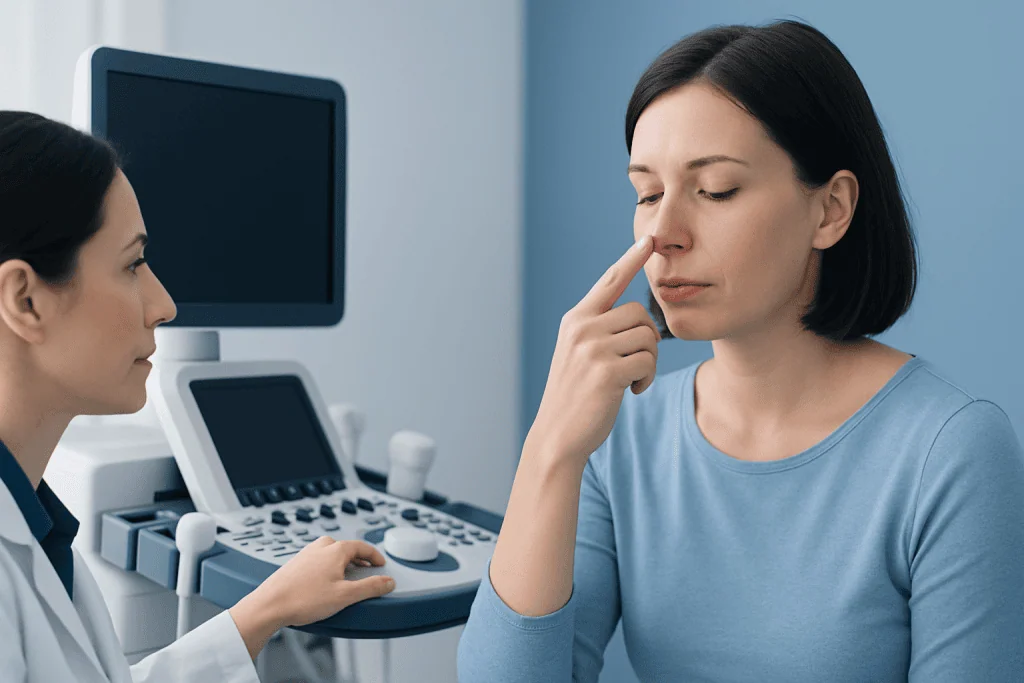
People do not all experience tip of nose tingling in the same way. Some notice brief episodes in cold weather or after touching the nose, while others feel a constant prickling sensation. It may affect only the very tip of the nose or extend to the nostrils, bridge, cheeks, upper lip, or forehead.
Associated symptoms often help point to the cause. Allergy or sinus-related irritation may come with sneezing, congestion, postnasal drip, pressure around the eyes, or a runny nose. Skin-related causes may bring redness, dryness, scaling, tenderness, or small bumps. Nerve-related causes may cause burning, numbness, oversensitivity, or electric-shock-like discomfort.
Symptoms that need closer attention include a new rash, especially blistering; significant facial pain; reduced facial movement; fever; swelling; eye symptoms; or tingling that keeps returning without an obvious reason. In some cases, facial symptoms can overlap with other conditions such as trigeminal neuralgia or shingles, which should be assessed by a clinician.
Common causes and risk factors

The most common causes are usually local and harmless. Repeated nose blowing, rubbing, facial waxing, cosmetic products, sun exposure, windburn, and dry indoor air can all irritate the skin and superficial nerves. Cold temperatures can briefly reduce blood flow and make exposed skin tingle or sting. Allergic rhinitis and upper respiratory infections may also inflame nasal tissues and make the nose feel unusually sensitive.
Skin conditions are another frequent explanation. Dermatitis, rosacea, acne, and irritation from masks, tissue paper, or cleansers can affect the nose tip. Folliculitis or a small skin infection can cause tingling before pain or visible redness becomes obvious. In some people, a pimple or blocked pore near the nose can irritate nearby sensory nerve endings.
Sinus inflammation can also contribute, especially if there is pressure around the nose and cheeks. Although the tingling is felt on the skin, the underlying trigger may be inflammation in nearby nasal passages. Conditions such as sinusitis may cause pressure, facial fullness, congestion, and tenderness along with altered sensation.
Less common but important causes include shingles, especially if tingling is followed by pain or a one-sided rash; migraine with sensory symptoms; nerve compression after dental work or facial trauma; vitamin deficiencies; and rare circulation or autoimmune disorders. Risk factors include recent viral illness, diabetes, immune suppression, chronic skin sensitivity, poorly controlled allergies, and previous facial nerve problems.
A practical way to think about the cause
One helpful way to understand tip of nose tingling is to consider whether the source is most likely skin-related, nasal and sinus-related, or nerve-related. Skin-related causes usually come with redness, dryness, tenderness, breakouts, or a clear trigger such as cold weather, friction, or a new product. Nasal and sinus-related causes are more likely when congestion, sneezing, postnasal drip, facial pressure, or a recent cold is also present.
Nerve-related causes tend to produce more distinct sensory changes, such as burning, numbness, stabbing pain, or symptoms extending to the cheek, lip, or forehead. These may appear after viral infections, migraine episodes, facial injuries, or dental procedures. A one-sided pattern deserves special attention, particularly if it is severe or associated with a rash.
This symptom-based approach can help guide when simple self-care is reasonable and when a medical review is more appropriate. It also helps avoid assuming that every tingling sensation is serious while still recognizing signs that should not be ignored.
How doctors diagnose the cause
Diagnosis begins with a careful history and physical examination. A clinician will ask when the tingling started, whether it is constant or intermittent, and what other symptoms are present. Triggers such as weather exposure, skin products, illness, dental treatment, injury, or headaches can offer useful clues.
The examination may include inspection of the skin, the inside of the nose, the sinuses, and the face. The doctor may check for redness, swelling, crusting, signs of infection, tenderness, sensory changes, or facial weakness. If sinus disease is suspected, an ENT evaluation may be helpful. When the symptom appears neurological, facial sensation and cranial nerve function are assessed more closely.
Most people do not need extensive testing. However, persistent or unexplained symptoms may require blood tests, imaging, or referral to a specialist. Depending on the suspected cause, assessment may involve ENT evaluation, dermatology review, or neurology assessment to investigate sensory nerve irritation, migraine, or other neurological conditions.
Treatment options
Treatment for tip of nose tingling depends on the underlying cause. When the symptom is related to dryness, friction, or weather exposure, simple measures such as gentle skin care, avoiding irritants, and protecting the nose from cold air may be enough. If allergy or congestion is the trigger, treating nasal inflammation can reduce the tingling sensation as the tissues recover.
If a skin condition is responsible, treatment may focus on soothing inflamed skin, avoiding harsh products, and managing dermatitis, rosacea, or infection. A clinician may recommend prescription creams or other targeted therapy when over-the-counter measures are not enough. If a bacterial or viral infection is present, appropriate medical treatment is important rather than repeated self-treatment.
When sinus inflammation is a major factor, care may include saline rinses, allergy management, and treatment directed by an ENT specialist. In selected cases, further assessment or procedures may be considered through sinusitis treatment pathways. If nerve pain, recurrent facial tingling, or symptoms suggestive of shingles or migraine are suspected, treatment may involve medicines that target nerve-related symptoms and close medical follow-up.
For persistent or complex cases, multidisciplinary care can be helpful. Acibadem International’s multidisciplinary specialists in JCI-accredited hospitals evaluate facial sensory symptoms and coordinate treatment for international patients when ENT, dermatology, or neurology input is needed.
Self-care and prevention
Many mild cases improve with practical self-care. Using a gentle, fragrance-free moisturizer on the outer nose can reduce dryness and irritation. In cold or windy weather, covering the face with a scarf and avoiding repeated rubbing may help prevent tingling. If frequent tissues are needed, soft unscented tissues can be less irritating than rough paper.
People with allergies may benefit from reducing known triggers such as dust, smoke, or strong fragrances. Saline nasal sprays or rinses may soothe irritated nasal passages when used appropriately. It is also wise to avoid picking at the nose, squeezing spots around the nostrils, or using harsh exfoliants on already sensitive skin.
Prevention also includes paying attention to patterns. If tingling regularly follows a certain cosmetic product, facial treatment, eyewear pressure, or seasonal allergy flare, removing that trigger may prevent recurrence. Good general health habits such as hydration, balanced nutrition, and managing chronic conditions like diabetes may also support nerve and skin health over time.
When to seek medical care
Medical review is recommended if tip of nose tingling lasts more than a few days without a clear explanation, keeps coming back, or becomes more intense. A doctor should also assess symptoms that interfere with sleep, normal daily activities, or comfort despite simple skin care and avoidance of triggers.
Prompt care is especially important if tingling is accompanied by severe facial pain, a blistering or one-sided rash, fever, swelling, pus, spreading redness, numbness involving other parts of the face, facial drooping, trouble speaking, weakness, or vision changes. These features may suggest infection, shingles, a nerve disorder, or another condition that needs timely treatment.
If the symptom is mainly associated with blocked nose, facial pressure, or repeated sinus problems, an ENT specialist may help identify the cause. If the main concern is numbness, burning pain, headaches, or other neurological changes, a doctor may recommend further evaluation to make sure a more significant nerve-related problem is not being missed.
Frequently asked questions
Is tip of nose tingling usually serious?
Most cases are not serious and are linked to temporary irritation from cold air, allergies, congestion, or sensitive skin. However, persistent symptoms or tingling with pain, rash, facial weakness, or spreading numbness should be checked by a doctor.
Can allergies cause tingling at the tip of the nose?
Yes. Allergies can inflame the nasal lining and lead to frequent rubbing or wiping, which can irritate the skin and nearby sensory nerves. Tingling may improve when the allergy flare settles and the skin is protected from further irritation.
Could tip of nose tingling be related to nerves?
Yes, sometimes it is. Small sensory nerves in the face can become irritated after viral illness, pressure, migraine, injury, or occasionally conditions affecting the trigeminal nerve. Nerve-related symptoms are more likely if there is burning pain, numbness, or symptoms spreading beyond the nose.
What does it mean if tingling comes before a rash?
Tingling before a rash can happen with infections such as shingles or with some skin inflammations. If a painful, one-sided, or blistering rash develops, prompt medical review is important because early treatment may help.
How can someone relieve a mild tingling nose at home?
Gentle skin care, avoiding rubbing, protecting the nose from cold and wind, and using a simple moisturizer may help. If congestion or allergy symptoms are also present, saline nasal care and avoiding known triggers can be useful. If symptoms continue, a medical assessment is the safest next step.
When should someone worry about tingling in the nose?
Concern is higher if the sensation is persistent, recurrent without explanation, or associated with severe pain, rash, swelling, fever, facial drooping, vision symptoms, or weakness. These signs can point to infection, shingles, or a neurological issue that needs prompt evaluation.
References
- American Academy of Otolaryngology–Head and Neck Surgery
- National Institute of Neurological Disorders and Stroke
- American Academy of Dermatology
- Mayo Clinic
- MedlinePlus
This article is for general information only and is not a substitute for professional medical advice. Please consult a qualified doctor about your individual situation.
Explore treatments in Turkey — costs, top hospitals & a free quote
JCI-accredited · board-certified surgeons · reply within 24h
Add us as a Preferred Source to see more of our trusted health content across Google Search, AI Overviews and Discover.